14.09.2025
286
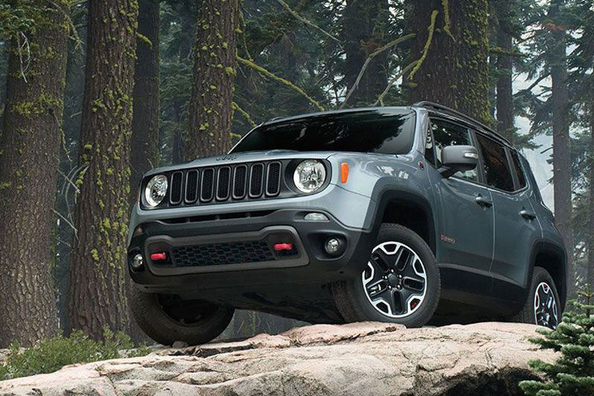

All-wheel drive (AWD or 4WD) — a system in which the engine power is transmitted to all the vehicle’s wheels. It’s a popular solution for SUVs, crossovers, and sports models. But is all-wheel drive right for everyone? In this article, we’ll look at the advantages and disadvantages of this technology to help you decide. Your vehicle can become more unique and personalized by using tuning accessories, widely available in our online store.
All-wheel drive distributes torque between the front and rear axles, improving road grip. It can be permanent (AWD) or selectable (4WD), which affects its use in different conditions.
All-wheel drive is valued for:
This technology also has drawbacks:
All-wheel drive is ideal for drivers living in regions with harsh climates or those who often go outdoors. For city driving, it may be excessive due to higher fuel and maintenance costs. The choice depends on your routes and driving style.
Shipping to EU
Wholesale and retail
Own warehouse
Опис продукту
Подарунки не надаються при оформленні покупки у кредит під 0,01% або при покупці частинами.