03.02.2026
4479
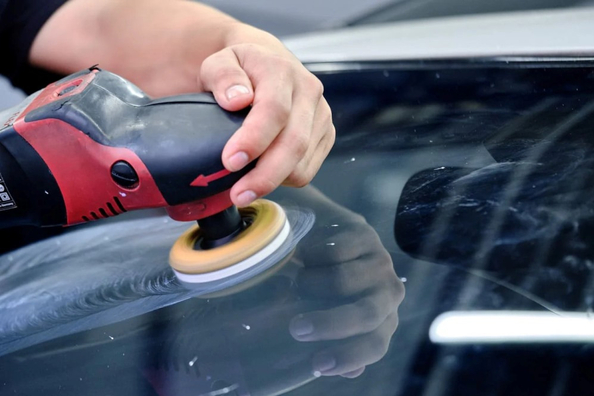

Over time, the windshield of any car becomes covered with a network of fine scratches from wiper blades, sand, and road dust. This not only spoils the appearance but also creates dangerous glare from oncoming headlights at night. Polishing seems like a logical solution, but this procedure has important nuances. You can also enhance your car’s look and appeal by using tuning accessories, a wide range of which is available in our product catalog.
Polishing involves removing a very thin layer of glass (just a few microns) using special cerium oxide-based compounds. The procedure helps in the following cases:
It’s important to understand the difference between grinding and polishing. Glass is a very hard yet brittle material.
If the glass only has light dullness, polishing will restore its clarity and shine, extending its service life. However, if there are deep chips, cracks, or heavy sandblasting damage, the procedure will be a waste of money — in such cases, a full replacement is safer and more effective.
To maintain the result after polishing, it’s recommended to replace the wiper blades with new ones to avoid fresh scratches during the first rain.
Shipping to EU
Wholesale and retail
Own warehouse
Опис продукту
Подарунки не надаються при оформленні покупки у кредит під 0,01% або при покупці частинами.