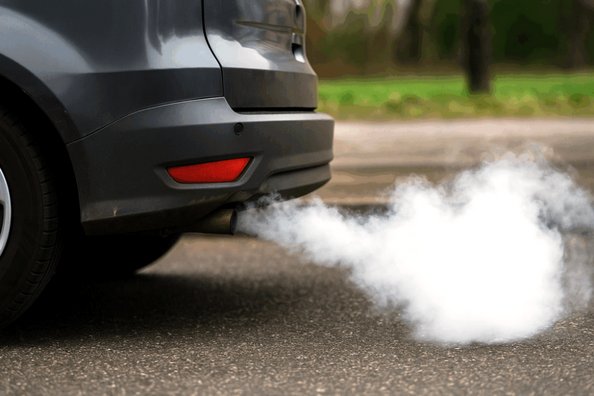
White smoke from the exhaust — is one of the most common “symptoms” that worry drivers. Sometimes it’s a natural occurrence, and sometimes — a sign of a serious fault. It’s important to identify the cause in time to avoid costly repairs. By the way, maintaining your car’s technical condition and smart tuning help not only improve the look, but also keep key vehicle systems under control.
Safe cause: condensation in the exhaust system
Most often, white smoke is simply water vapor. Why does it happen?
- The engine is cold, especially in the morning or after a long period of sitting.
- It’s cool or humid outside.
- Moisture builds up in the muffler and pipes and evaporates at start-up.
This smoke is thin, white, odorless, and disappears 3–10 minutes after the engine warms up. No action is needed — it’s normal.
Dangerous causes: when you should worry
If the smoke is thick, doesn’t go away after warm-up, or is accompanied by other symptoms — the situation needs diagnostics.
Blown head gasket
Coolant gets into the cylinders and burns.
Signs:
- thick white smoke with a sweet smell;
- coolant level dropping with no visible leaks;
- bubbling in the expansion tank;
- engine overheating.
Crack in the cylinder head or engine block
- An even more serious issue. Repairs are complex and expensive; sometimes the block must be replaced.
Diesel engine specifics
- Incomplete fuel combustion (faulty injectors, low compression, incorrect injection timing).
- Diesel particulate filter regeneration (DPF) — a temporary phenomenon that may be accompanied by light-colored smoke and increased RPM.
Other causes
- Low-quality fuel.
- Oil entering the combustion chamber (more often shows as blue smoke).
What to do if your car is smoking white?
- If the smoke disappears after warm-up → you can continue driving.
- If it’s thick and constant, there’s a smell, or the coolant level is dropping — contact a service station.
- Check the coolant and oil levels and look for any milky emulsion under the cap.
Timely diagnostics often saves the engine from expensive repairs.