27.03.2026
267
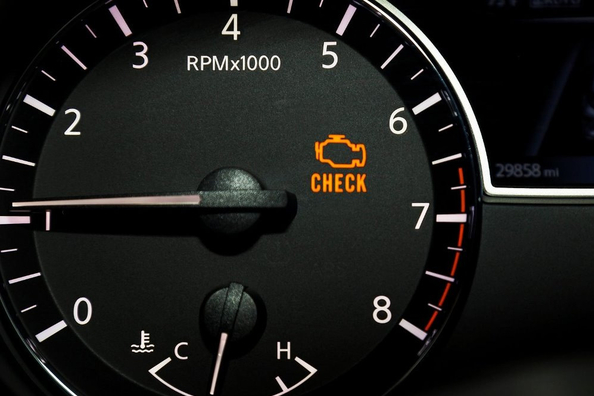
The appearance of the orange Check Engine icon on the instrument cluster often worries drivers. This indicator is part of the car’s self-diagnosis system and signals that the engine control unit (ECU) has detected a deviation in engine operation or in the emissions control systems. While taking care of the vehicle’s technical condition, many drivers also pay attention to comfort and appearance — modern tuning not only highlights a car’s individuality but can also improve its functionality.
There can be dozens of causes — from a minor glitch to a serious fault:
The best solution is computerized diagnostics. Reading codes through the OBD-II port makes it possible to pinpoint the source of the problem and avoid unnecessary expenses.
Check Engine is not a reason to panic, but a signal to get it checked. Timely diagnostics will help preserve engine life and avoid costly repairs.
Shipping to EU
Wholesale and retail
Own warehouse
Опис продукту
Подарунки не надаються при оформленні покупки у кредит під 0,01% або при покупці частинами.