The battery suddenly died – a classic morning problem for thousands of drivers. The car won’t start, the starter barely turns or stays silent, and you’re already running late. Why does the battery discharge even overnight or after a few days of parking? Let’s look at the most common causes and simple diagnostic methods. You can also add functionality and practicality to your car by using tuning accessories, a huge selection of which is available in our product catalog.
Main reasons for fast battery discharge
- Forgotten devices: Headlights, parking lights, interior light, radio, charger in the cigarette lighter, or seat heating – if even one device stays on, the battery can be completely drained in 8–12 hours.
- Parasitic (leakage) current: Alarm system, dashcam, GPS tracker, poor-quality radio, or incorrectly connected lighting – these devices draw 50–300 mA in standby instead of the normal 20–50 mA. After a week of parking, the battery is often completely discharged.
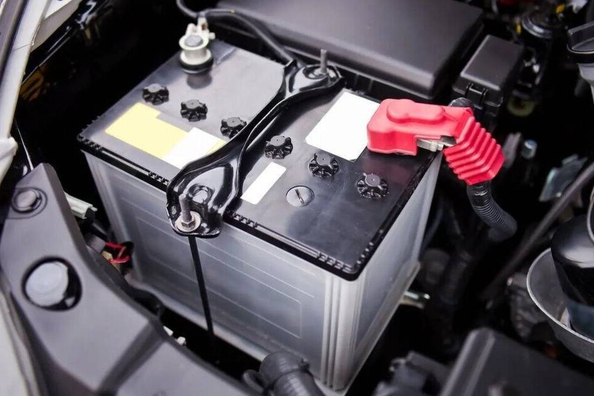
- Battery wear or age: Average service life – 3–6 years. After 4–5 years, capacity drops, and the battery holds charge worse, especially in winter when cold reduces efficiency by 30–50%.
- Alternator and charging issues: If the alternator undercharges (below 13.8–14.4 V) or overcharges, the battery degrades quickly. Short city trips (under 20–30 min) don’t allow the battery to fully recover.
- Oxidized terminals, poor contact, or broken ground: Dirt, corrosion, or loose clamps hinder current flow, causing losses and local overheating.
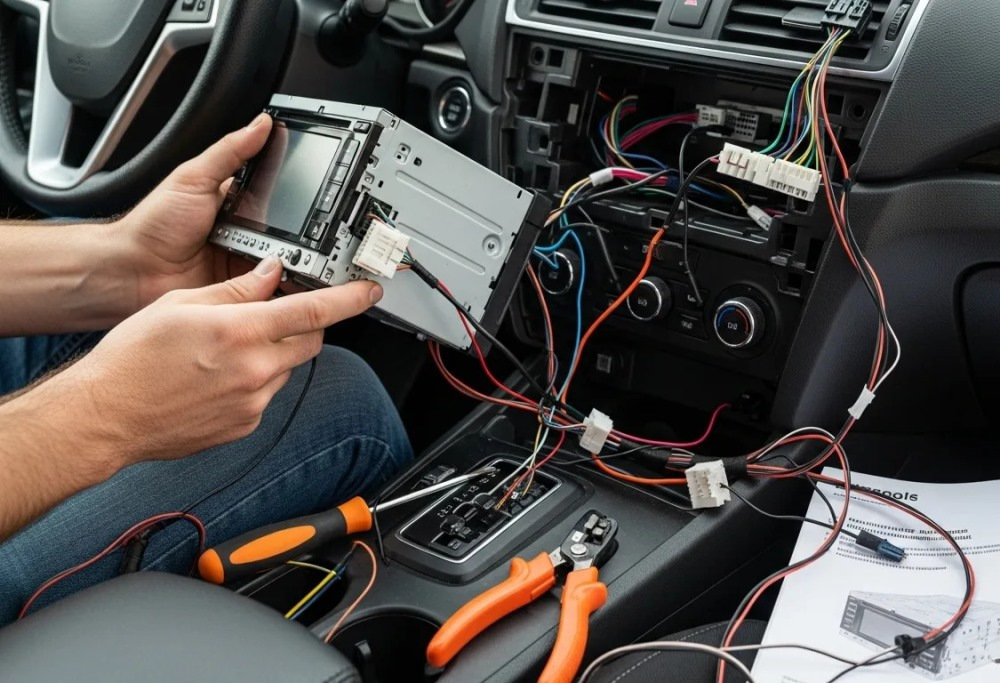
- Additional equipment and installation errors: Powerful audio systems, xenon lights, extra lamps, or non-standard alarms often overload the network or cause leakage due to incorrect wiring.
How to quickly check and fix the problem?
- Check that everything is turned off when the engine is stopped.
- Inspect and clean the terminals (baking soda + water + brush).
- Measure voltage with a multimeter: normal at rest – 12.6–12.8 V.
- Check for current leakage: disconnect the negative terminal, connect an ammeter in series – more than 50–80 mA indicates a problem.
- After long parking, recharge the battery with a charger.
- If the problem repeats – have the alternator and electrical system diagnosed at a service station.
Timely attention to the battery will save you nerves and money.