10.01.2026
1802
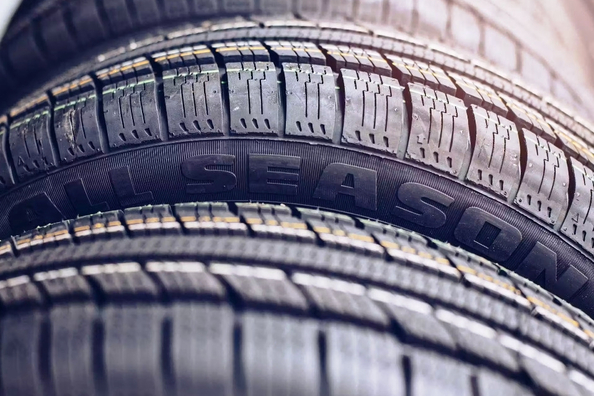

The question of choosing between specialized tires and «all-season» (All-Season) ones sparks debates among car enthusiasts every year. The idea of using one set of tires all year round sounds appealing, but how effective and safe is it in a changing climate? Let’s break it down by season. You can also significantly transform your car and give it a distinctive look by using tuning accessories, a wide selection of which is available in our product range.
In summer, all-season tires perform fairly well but fall short of specialized summer models in several aspects:
In winter, the capabilities of all-season tires are limited. They are more suitable for «mild» urban conditions than for harsh off-road environments.
All-season tires are an excellent option for residents of southern regions with mild climates, where snow is rare and temperatures seldom drop below zero. They are also convenient for city drivers who travel on well-cleared roads.
Shipping to EU
Wholesale and retail
Own warehouse
Опис продукту
Подарунки не надаються при оформленні покупки у кредит під 0,01% або при покупці частинами.