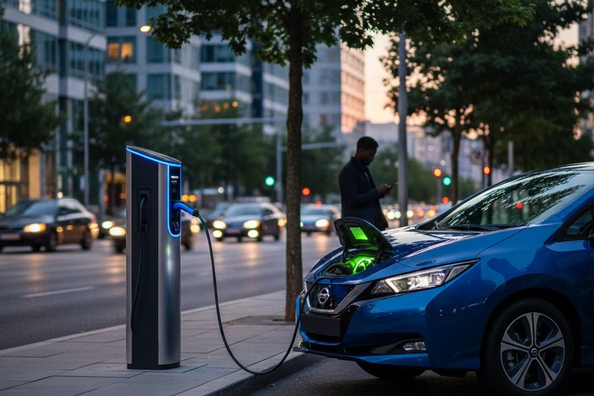
Nissan Leaf — one of the most common EVs in Ukraine, especially on the used market. Owners often ask: how to charge the Leaf quickly, conveniently, and safely, how much it costs, and what specifics there are in Ukrainian conditions? Besides the car’s technical condition, day-to-day comfort also depends on additional equipment — some solutions in Nissan Leaf tuning can make everyday EV use more convenient.
Main connector types and charging methods
- Slow home charging (Level 1) — a regular 220 V outlet (2–3 kW via a standard EVSE cable). Time: 20–30 hours for a full charge (24–62 kW·h). Suitable only for emergencies or very slow top-ups.
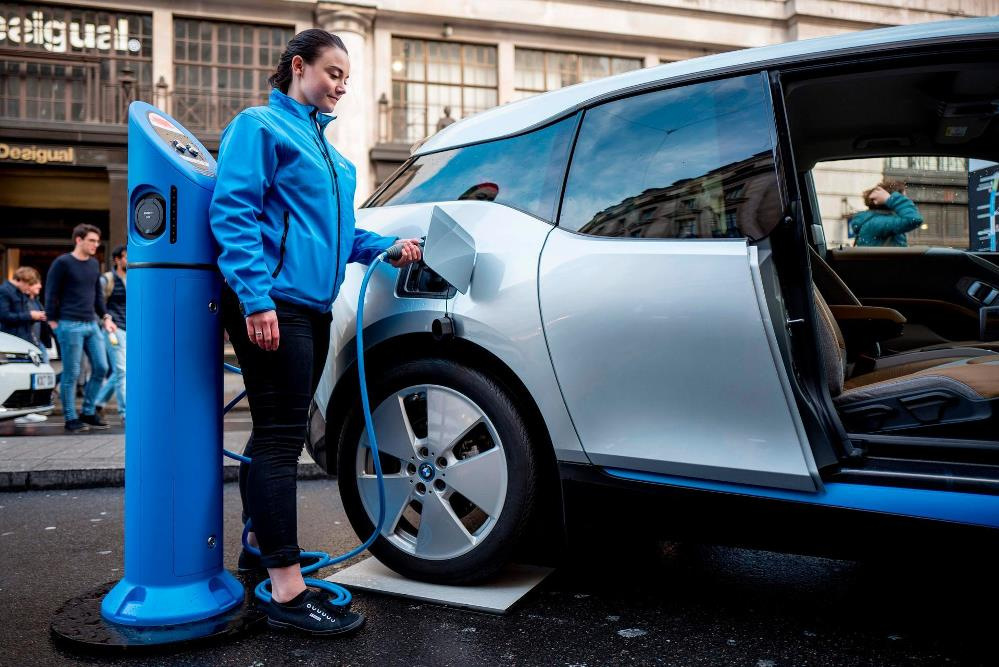
- Faster home / public AC (Level 2) — Type 2 / J1772 port (6.6 kW / less often 3.3 kW on older versions). Time: 4–10 hours to 100%. The best option for home (7–11 kW wallbox) or work. In Ukraine, this is the most popular and most cost-effective way to charge daily.
- Fast DC (fast charging) — CHAdeMO port (up to 50 kW). Time: 40–60 minutes to 80% (from 20%). Most public stations in Ukraine provide exactly this power for the Leaf. At stations with CCS, you’ll need a CCS → CHAdeMO adapter.
Practical charging tips for Ukraine
- At home — install a 7–11 kW wallbox. Use the night tariff — it’s significantly cheaper.
- On the road — look for CHAdeMO stations via PlugShare, ABRP, or AUTO.ria. In large cities, there are plenty.
- Battery care — charge daily to 80–90%, avoid frequent 100% charges and deep discharges.
- Safety — don’t use damaged cables or extension cords, and monitor battery temperature in hot weather.
Charging a Nissan Leaf is simple and affordable if you choose the right method. For everyday use, Level 2 at home is optimal, while CHAdeMO is for longer trips.