Buying a car in Ukraine is a major investment—especially in 2026, when the market is filled with imports from Europe, the US, and hybrids/EVs. Many sellers hide issues: rolled-back mileage, accidents, or hidden defects. To avoid buying a “pig in a poke,” follow a simple but effective checklist—it will save you money and nerves. After purchasing a car, owners often further equip it with useful tuning accessories to increase comfort and practicality.
Step 1: Documents and history
- Check the VIN code via services like CarVertical, AutoDNA, Cebia, or OpenDataBot—learn the real mileage, accidents, and number of owners.
- Review the registration certificate, service book, maintenance receipts —look for official dealer stamps.
- Check for the absence of liens, arrests, or loans in the MVS register.
Step 2: Exterior inspection of the body and paintwork
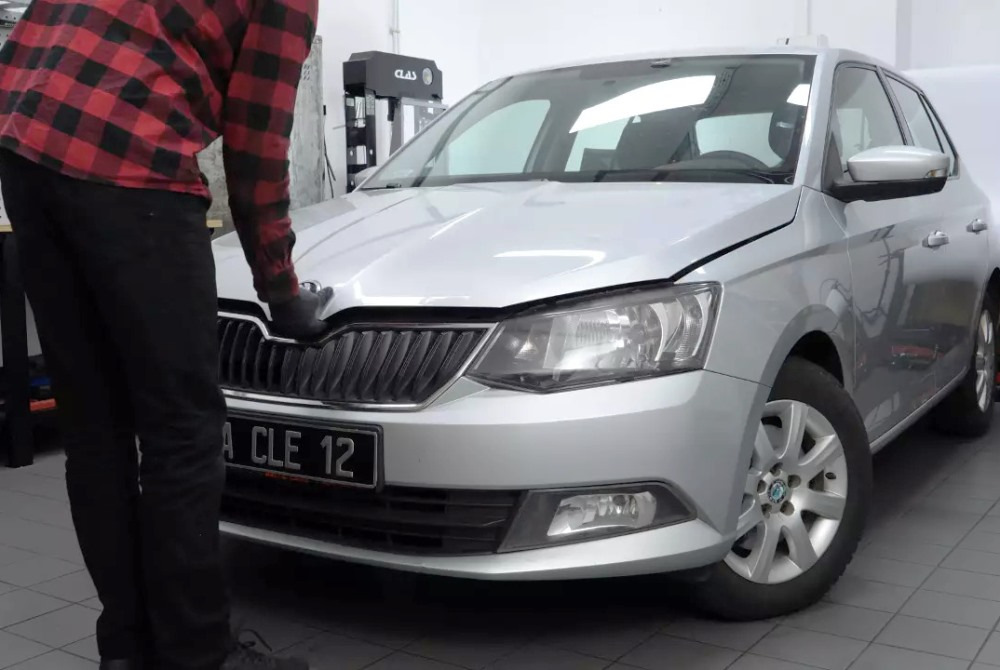
- Look for uneven paint, differences in panel gaps at the doors/hood/trunk—signs of post-accident repairs.
- Use a paint thickness gauge—thickness >300–400 µm often means filler.
- Inspect the underbody, sills, and wheel arches for rust and seam sealer (fresh—suspicious).
Step 3: Technical condition and diagnostics
- Connect an OBD scanner—check errors for the engine, transmission, and airbags.
- Start the engine cold—listen for unusual noises, smoke from the exhaust.
- Check the chassis: play in the steering, knocks in the suspension, wear of constant-velocity joints.
- Assess the brakes: even wear of discs/pads, no vibrations.
Step 4: Test drive and interior
- Drive 10–15 km on different roads: check the transmission (shift smoothness), suspension, sound insulation.
- Inside: smell (not burnt or musty), condition of the seats, steering wheel, pedals—they reveal the real mileage.
- Check all power adjustments, climate control, lights, multimedia.
Final tips
- Be sure to do a full inspection at a service station with a lift—you won’t spot everything on your own.
- Don’t be shy about negotiating after finding minor defects.
- If the car is from the US/Europe—clarify compliance with environmental standards and inspection requirements.
This checklist will help you protect your budget and avoid unnecessary risks.