11.08.2026
165
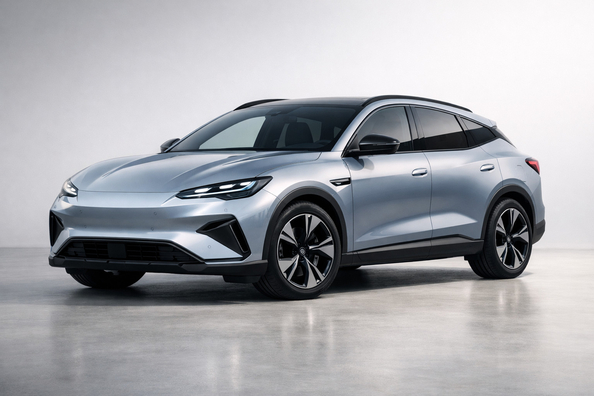
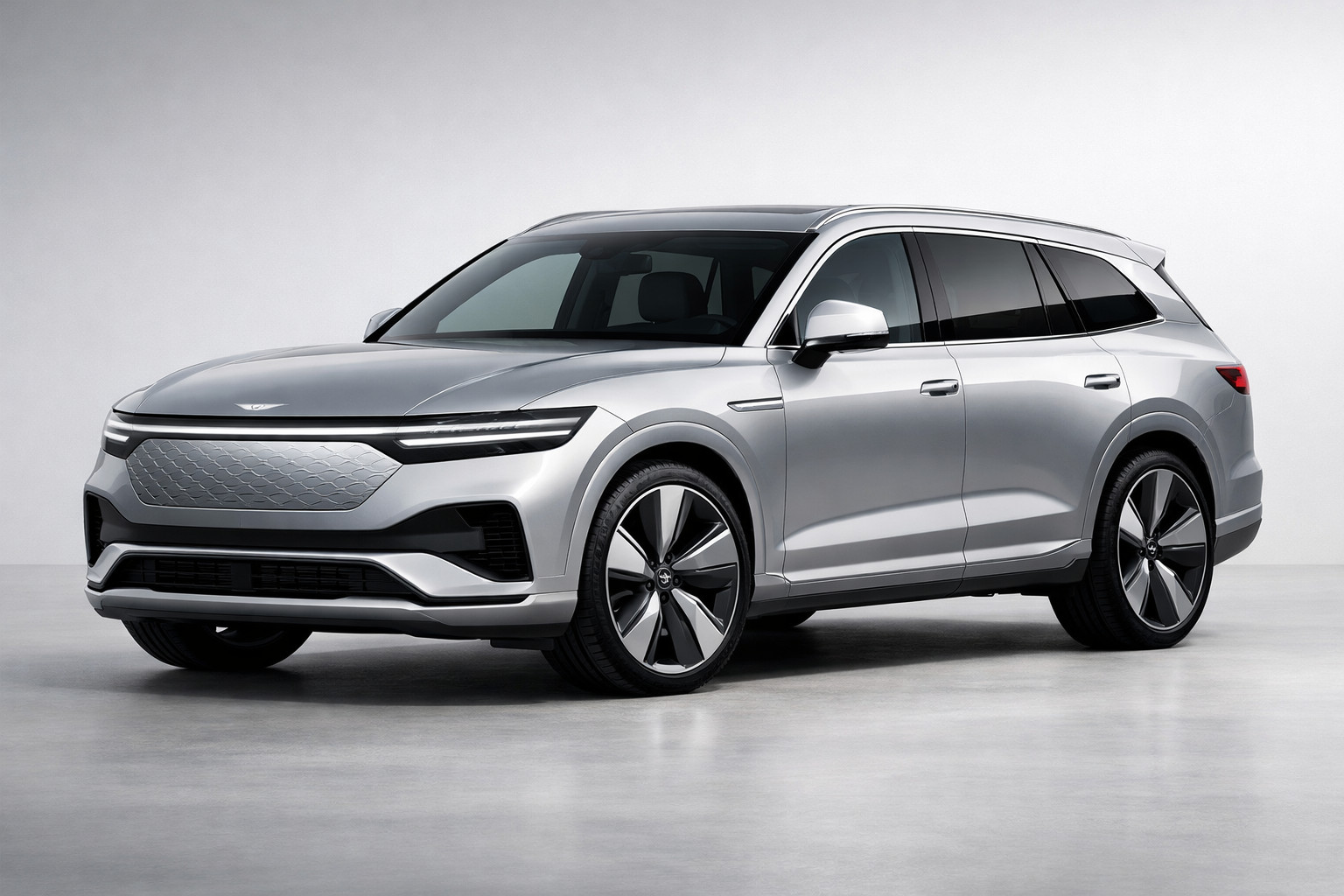
BYD Sealion 7 2026 is a large electric crossover that steps straight onto Tesla Model Y territory. Its main bet isn’t record-breaking efficiency, but a combination of a spacious cabin, rich equipment from the base trim, a high level of safety, and quick all-wheel-drive versions.
For the buyer, this matters for one reason: Sealion 7 should be judged not as “just another EV,” but as a mid-2020s family SUV where the version, battery, and even charging capabilities vary noticeably by market. That’s why it’s especially important to look at a specific trim, not averaged figures.
Sealion 7 sits in the segment of 5-seat family electric crossovers. In format, it’s an alternative to Model Y for those who value equipment, cabin quietness, seat ventilation, a panoramic roof, a head-up display, and V2L more than absolute minimum energy consumption.
Against Tesla, it’s slightly larger in length and wheelbase, but in practice it more often loses on energy efficiency and doesn’t always feel more convincing in ride smoothness. So it’s not a “Model Y killer,” but a different approach to the same class.
As of 2026, Sealion 7 effectively remains a first-generation model. The first official releases and market specifications appeared in 2024–2025 depending on the country, and the 2026 model year means continuation of the same technical foundation rather than a full generational change.
An important nuance: batteries, range, ground clearance, trunk volume, and peak fast-charging power differ from market to market. So the model’s story so far is more about expanding sales geography and equipment variants than about generation-by-generation evolution.
This is a fully electric model, so there’s no ICE here and “engine displacement” doesn’t apply. The rear-wheel-drive version uses a single rear synchronous motor rated at 230 kW and 380 N·m. The all-wheel-drive version adds a front asynchronous motor rated at 160 kW, and the system delivers 390 kW and 690 N·m in total.
The transmission is typical for an EV: a single-speed setup within an 8-in-1 drive module, with no classic multi-speed gearbox. Battery options differ: most commonly you’ll see 82.5–82.56 kWh, and in some top versions — 91.3 kWh.
| Version | Drive | Motors | Power | Torque | 0-100 km/h |
|---|---|---|---|---|---|
| RWD | Rear | 1 electric motor | 230 kW | 380 N·m | 6.7 s |
| AWD | All-wheel | 2 electric motors | 390 kW | 690 N·m | 4.5 s |
In body type, it’s a large electric SUV with a long 2930 mm wheelbase. Dimensions are 4830 × 1925 × 1620 mm, meaning the car is slightly longer than Model Y and has a slightly larger wheelbase. Ground clearance in official materials ranges from 157 to 163 mm, so it’s worth being careful with curbs and rough yard surfaces.
On paper, the suspension is serious: double wishbone front, multi-link rear, with FSD dampers. But in reviews, the chassis tuning isn’t called a benchmark: there are notes about a somewhat firm response to small bumps and steering that feels more nervous than you’d expect from a family crossover.
| Parameter | Value |
|---|---|
| Class and seats | Electric SUV, 5 seats |
| Dimensions | 4830 × 1925 × 1620 mm |
| Wheelbase | 2930 mm |
| Ground clearance | 157-163 mm depending on version |
| Turning radius | 5.85 m |
| Trunk | 58 L front, 500 L rear |
| Maximum with seats folded | up to 1769 L in some markets |
| Suspension | Double wishbone front, multi-link rear |
| Wheels | 19 or 20 inches |
| Charging | AC 11 kW, DC 150-230 kW depending on version |
The interior is one of the model’s strongest points. There’s a large 15.6-inch rotating center display, a 12-speaker Dynaudio audio system, a head-up display, a panoramic roof, front seat ventilation, a heat pump, and V2L. In terms of price and class, that’s a strong argument.
For sound insulation and the overall sense of space, Sealion 7 also looks convincing. Safety is strong: 11 airbags, five stars Euro NCAP and ANCAP, and a standard set of assistants such as automatic braking, lane keeping, blind-spot monitoring, and a 360° camera. The downside is that some drivers find these systems too intrusive.
In daily driving, it’s a convenient car for family, city, and highway use, but not a consumption record-holder. Real-world tests recorded about 20.4 kWh/100 km in the city and 24.0 kWh/100 km on the highway, and in cold weather consumption can rise very noticeably. So if you’re counting winter-trip range without much buffer, Sealion 7 is worth checking especially carefully.
Practicality is good, but not class-leading. The 58 L front compartment is useful for cables and small items, the 500 L rear trunk is fine for everyday tasks, but the sloping roof and opening shape limit loading height. In the city, a 5.85 m turning radius helps, but the dimensions are still noticeable.
| Strengths | Weaknesses |
|---|---|
| Very rich standard equipment without the need to spend time adding options | Energy efficiency is on average weaker than you’d want in this class |
| Spacious cabin and long wheelbase, comfortable for family trips | The suspension and steering won’t feel calm enough for everyone |
| High level of passive safety and many driver aids | Driver aids can be annoying with frequent warnings |
| Quick AWD version with very convincing performance | Sloping roof hurts rear visibility and trunk practicality |
| Quiet cabin and a strong overall sense of being well-equipped | Occasional minor software bugs in the infotainment and app |
From an owner’s perspective, the picture is simple: Sealion 7 is attractive because it already includes many things competitors make you pay extra for. But if a soft ride, predictable electronics, and minimal highway consumption are critical to you, this model isn’t a clear-cut choice.
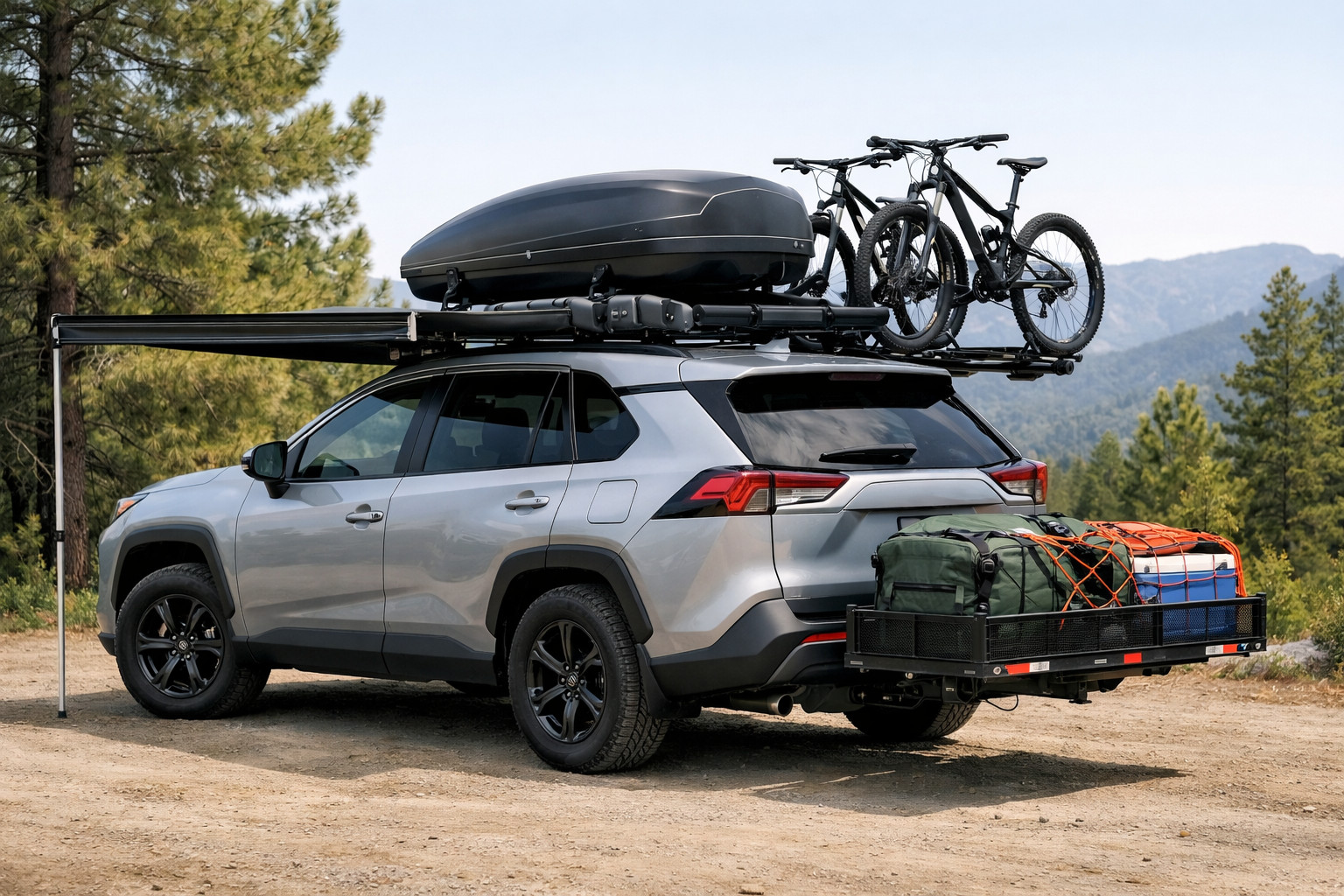
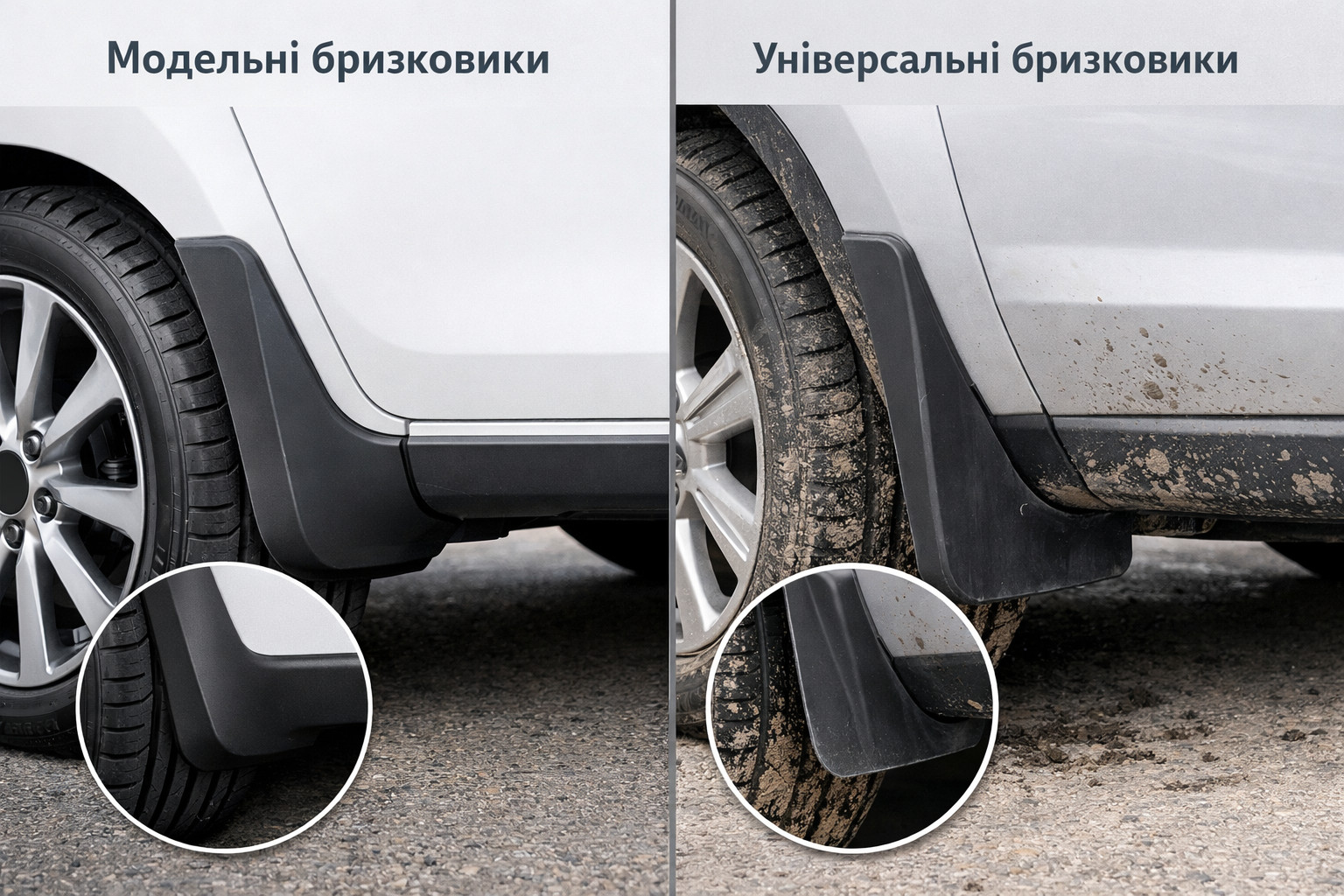
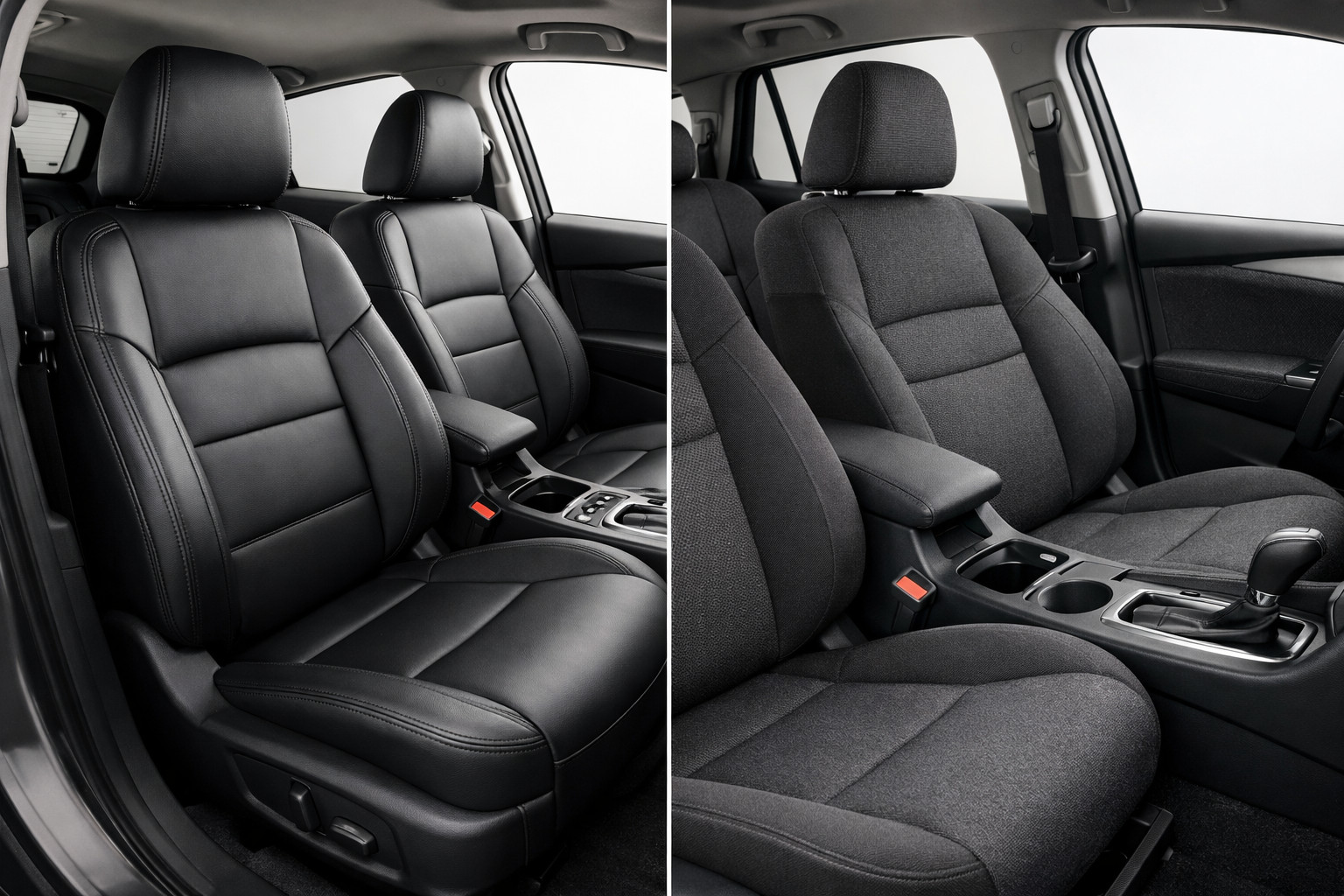
For Sealion 7, sensible tuning isn’t about decoration, but about protecting the cabin and trunk. Given the family format, spacious interior, and constant transport of cables, the first things that make sense are mats, trunk-liner protection, and solutions for organizing small items.
BYD Sealion 7 2026 will suit those who need a spacious electric crossover with strong equipment, a good level of safety, and a choice between a more relaxed RWD and a very quick AWD. It’s less suitable for those looking for the most economical option in the class or who are very sensitive to how electronic driver aids behave.
As a Tesla Model Y competitor, it wins less through sheer efficiency and more through the feeling of a “fully equipped” car. This conclusion is based on real selection experience, hands-on practice, and real use cases: city trips, family luggage, charging on the go, and daily life with a large electric SUV.
| ✔ | A spacious cabin and a long wheelbase make the Sealion 7 convenient for family trips and everyday use. The article specifically notes that in terms of space, it looks convincing alongside the Model Y. |
| ✔ | Generous equipment comes as standard: there is a large swiveling display, a head-up display, front seat ventilation, a panoramic roof, a Dynaudio audio system, and V2L. This reduces the need to buy extra options. |
| ✔ | The high safety level is backed by 11 airbags and five-star Euro NCAP and ANCAP ratings. The standard kit also includes a useful set of assistants, including automatic braking, lane keeping, and a 360° camera. |
| ✔ | The AWD version is very fast: 390 kW, 690 Nm, and 0-100 km/h in 4.5 seconds. This makes the model interesting not only as a family SUV, but also as a dynamic electric crossover. |
| ✔ | Practicality for everyday life is at a decent level: a 58-liter front trunk, a 500-liter rear cargo area, and a 5.85 m turning radius. This is convenient in the city, especially if you need to carry cables and small items. |
| ✘ | Energy efficiency is not the model’s strong point, especially compared with its main rival. Real-world tests show noticeable consumption, and in winter the range can drop even more. |
| ✘ | The suspension setup is not called a benchmark: there are somewhat firm reactions to small bumps and not the calmest steering. For a family crossover, this can reduce comfort. |
| ✘ | The sloping roof and the shape of the cargo opening limit loading convenience. Because of this, the model does not seem as practical as it could be specifically as a cargo-oriented family SUV. |
| ✘ | The electronic assistants can be overly intrusive, and minor software bugs in the multimedia system and app are also mentioned. This affects everyday use, even if the feature set itself is rich. |
Shipping to EU
Wholesale and retail
Own warehouse
Опис продукту
Подарунки не надаються при оформленні покупки у кредит під 0,01% або при покупці частинами.