09.09.2026
174
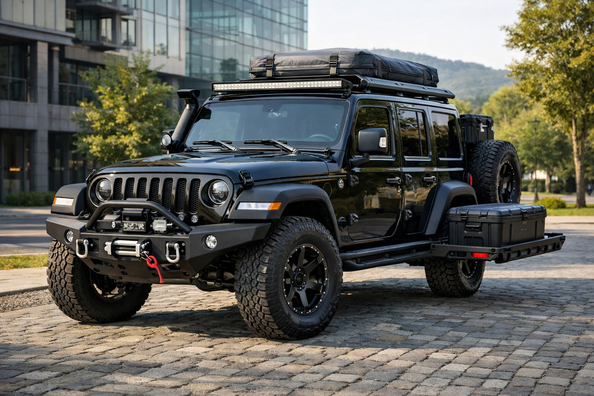
This upgrade plan for the Jeep Wrangler JL 2018+ is for those who drive the car daily in the city, want comfortable entry and exit, and occasionally head out to dirt roads, forest tracks, a picnic, or fishing. The main idea here is simple: not to build a heavy off-road project, but to make the Wrangler more comfortable, cleaner, and calmer in real-world use.
For this scenario, the best sequence is: first protect the interior and body from dirt and minor hits, then solve the entry/exit issue, then all-terrain tires and a basic trail kit, and only after that a lift, heavy bumpers, or a winch. Whether you have a 2-door or 4-door body, and whether you often drive without the roof or doors, priorities shift a bit, so compatibility should be checked separately.
In your scenario, the upgrade should cover three tasks: keep the interior and rocker panels safe from everyday dirt, make getting in more convenient, and add confidence on light off-road without extra weight and expense. For the city, that means less sand, water, and scuff marks on the sills; for the outdoors, fewer chances of getting stuck on wet grass or taking an underbody hit in ruts.
If kids, parents, or shorter people use the vehicle regularly, entry comfort isn’t secondary—it’s a basic need. If you more often drive onto rocky or heavily broken roads, then the priority isn’t just a step, but protection for the lower edge of the body.
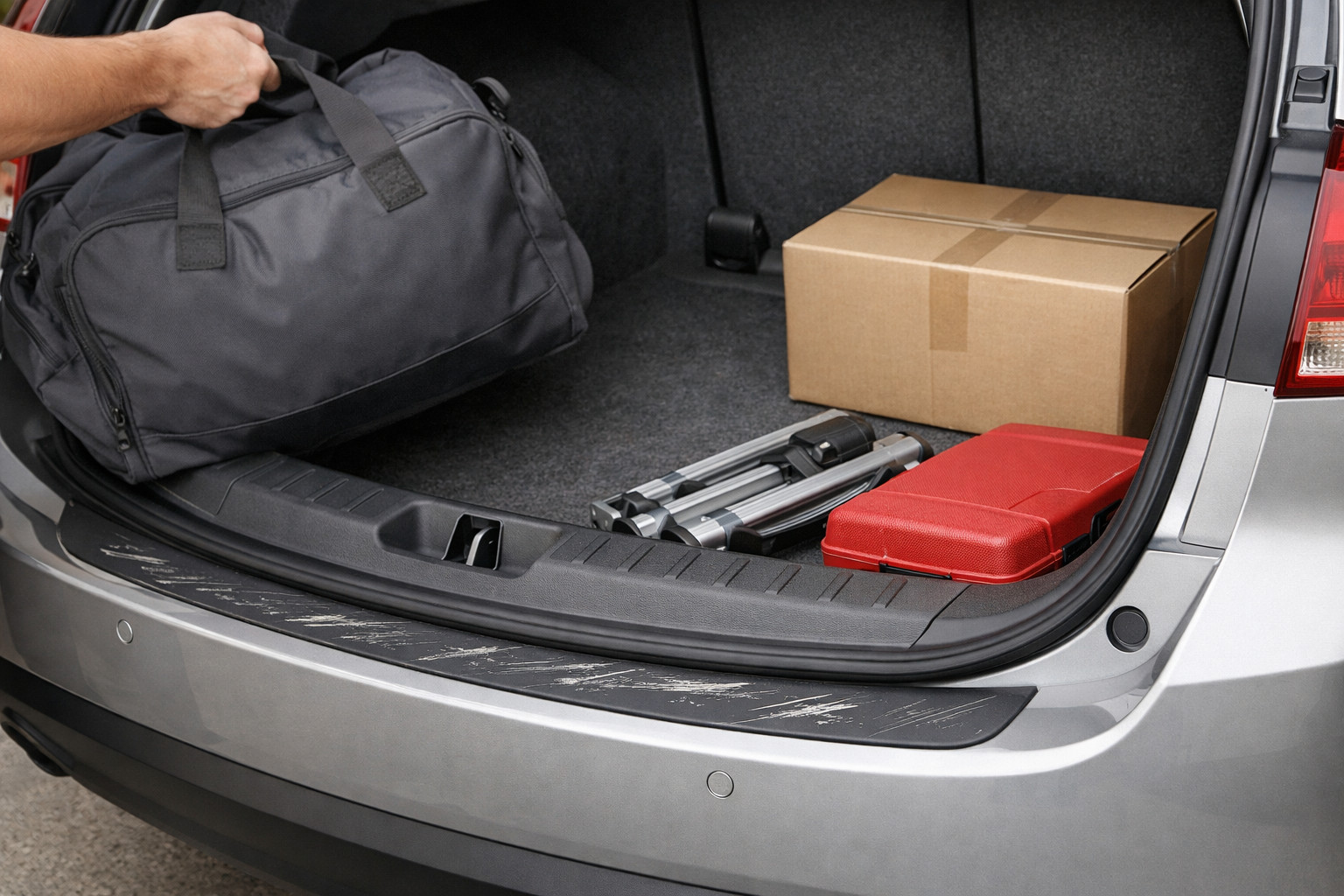
The first stage is the stuff that truly works every day: all-weather floor mats with a high lip, a cargo mat or tray, sill protectors, mud flaps, and rustproofing if your winters include road chemicals. It doesn’t look dramatic in photos, but these upgrades protect the interior, paint, and metal from what a Wrangler picks up with its tires and your shoes every day.
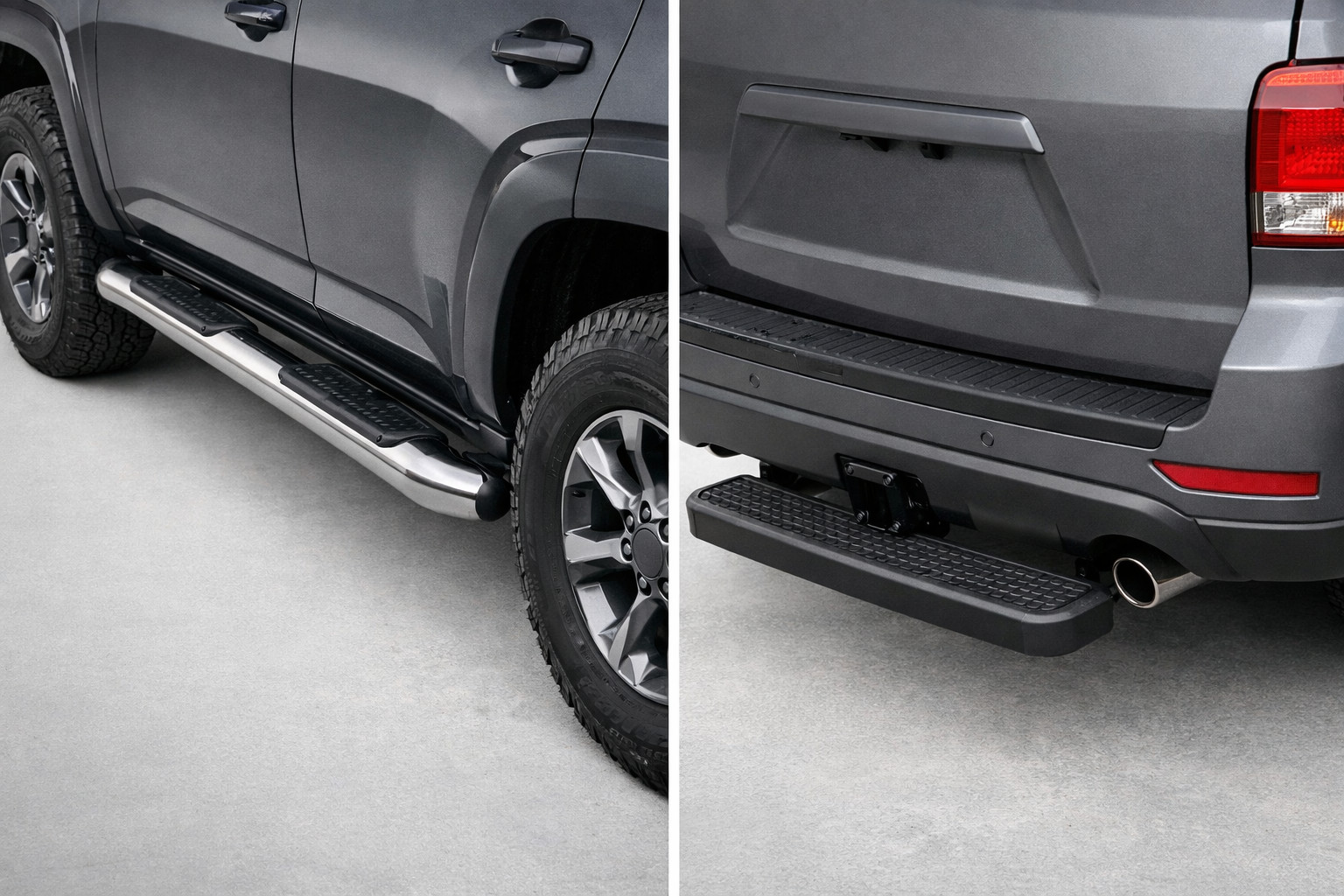
If entry is already annoying, you can install side steps right away instead of waiting for the second stage. But it’s important not to mix up the tasks: a step helps you get into the cabin, while a rock slider (sill protection rail) handles contact with obstacles much better. JL 2-door and 4-door require different options, so verify your body style before buying.
| Upgrade | Why it’s needed | Who truly benefits |
|---|---|---|
| All-weather interior floor mats | Hold water, sand, and dirt, make cleaning easier | Anyone who drives daily, especially in fall and winter |
| Cargo mat or tray | Protects the cargo area from wet items, shoes, tools | Those who carry gear, jerry cans, fishing or camping items |
| Sill protectors | Reduce scratches from shoes and dirt at the entry | Those who often have passengers or kids getting in |
| Mud flaps | Less dirt and stone chips along the sides and on the doors | Those who drive on wet roads, dirt roads, gravel |
| Side steps | Make entry and exit easier | Daily family vehicle, taller Wrangler, frequent passengers |
| Rock sliders (sill protection rails) | Better protect the lower body from contact with obstacles | Those who actually leave the pavement, not just want a convenient step |
| Rustproofing | Reduces corrosion risk after winter and muddy trips | Vehicles in regions with road chemicals and humid climates |
| All-terrain tires | A better compromise between city driving and outdoor trips | Those who regularly drive on dirt, grass, sand, or in the rain |
DD Tuning expert comment: the most common Wrangler mistake is buying an aggressive exterior upgrade before covering the basic daily tasks. People overpay for a big lift and heavy wheels, but still sweep sand out of the cabin every day and scratch the sills with their shoes. If the car is for city and outdoors, start with protection, entry comfort, and tires—not the look.
The second stage starts when the basic protection is done and it’s clear what the Wrangler is lacking specifically on trips. Most often it’s all-terrain tires, a compressor, a tire deflator, a tow strap, shackles, gloves, a first-aid kit, a fire extinguisher, a proper spare, and a jack. That’s cheaper and smarter than jumping straight into a lift.
A small lift or leveling kit only makes sense when stock clearance is no longer enough or you’re planning larger tires. If your routes are mostly easy and you only occasionally head outdoors, the Wrangler’s stock geometry is often sufficient. Skid plates are worth considering when the route has already shown a few times that the underside is genuinely hitting solid obstacles.
This group includes wind deflectors, grab handles, seat covers, a roof basket, and decorative trim. All of it can be useful, but not equally for everyone. For example, seat covers quickly move from “optional” to “necessary” if you often drive without the roof or return to the cabin in wet clothing.
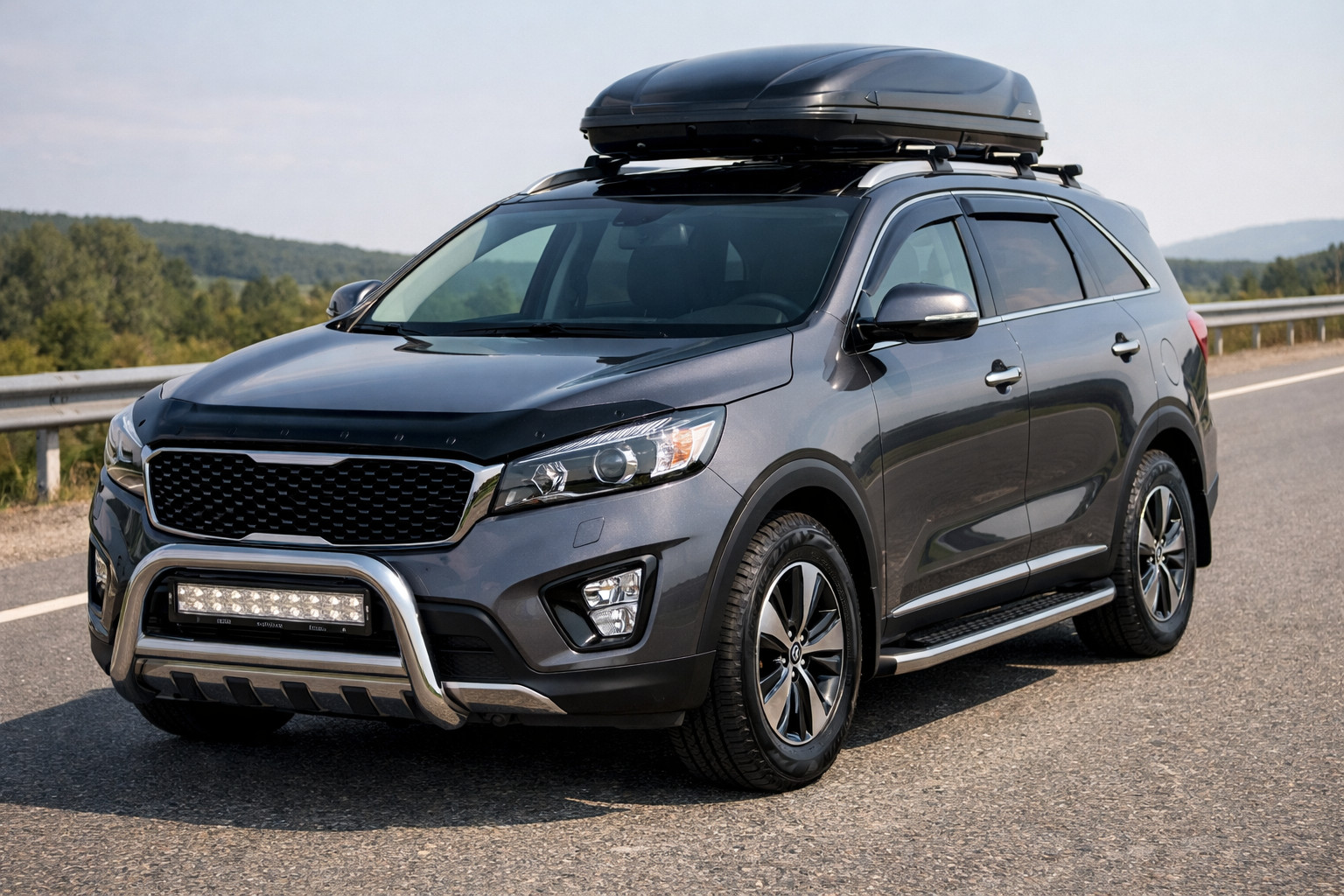
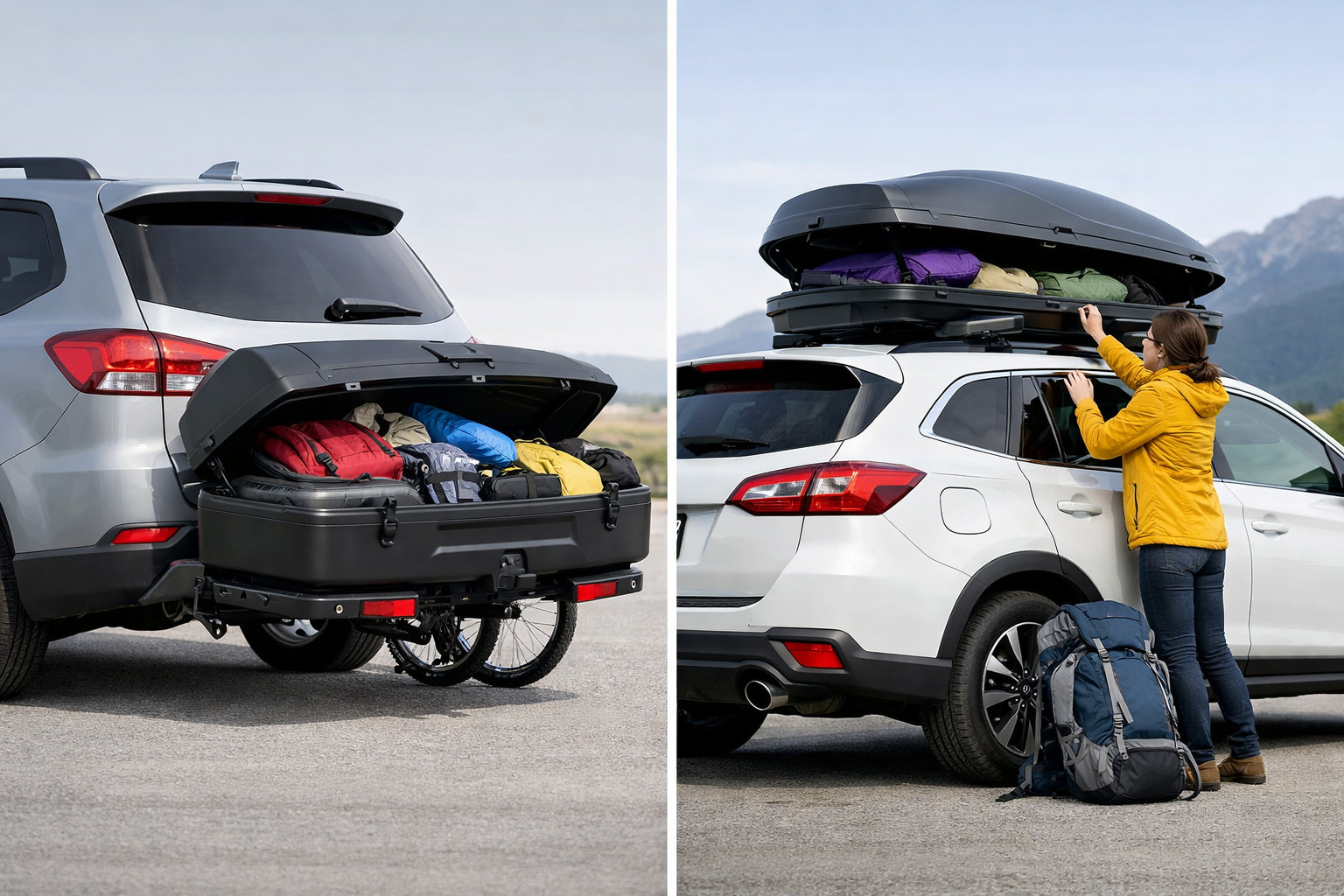
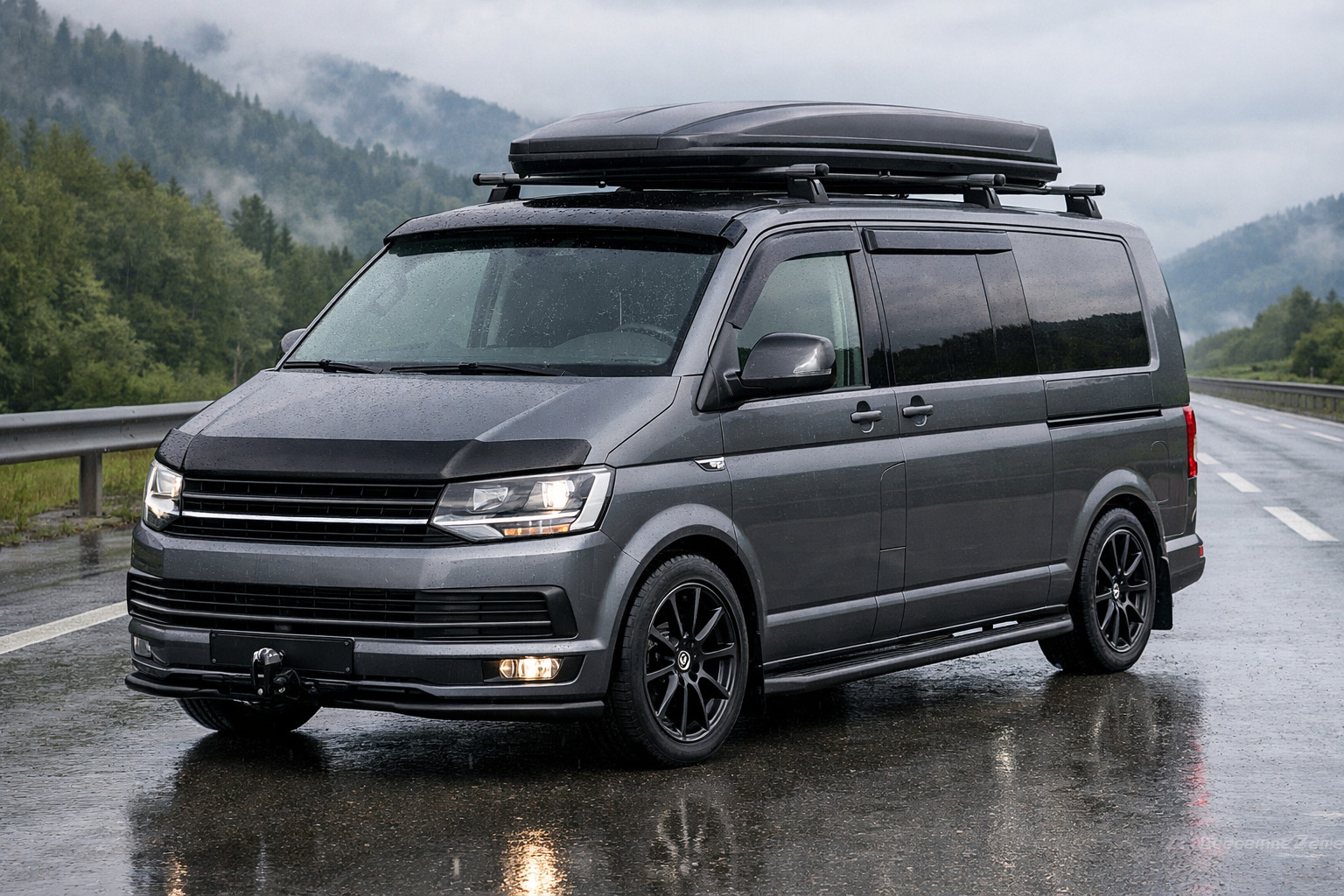
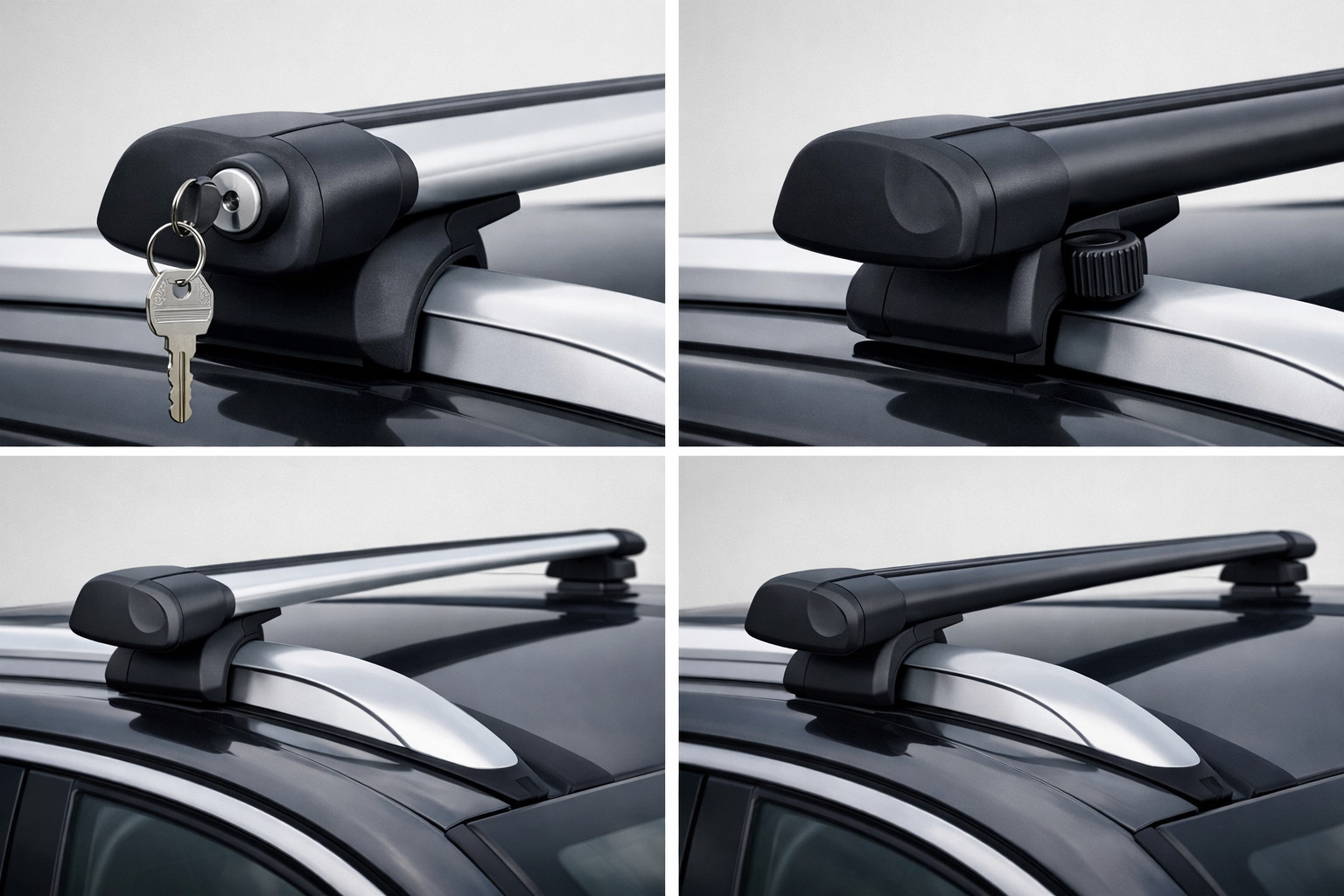
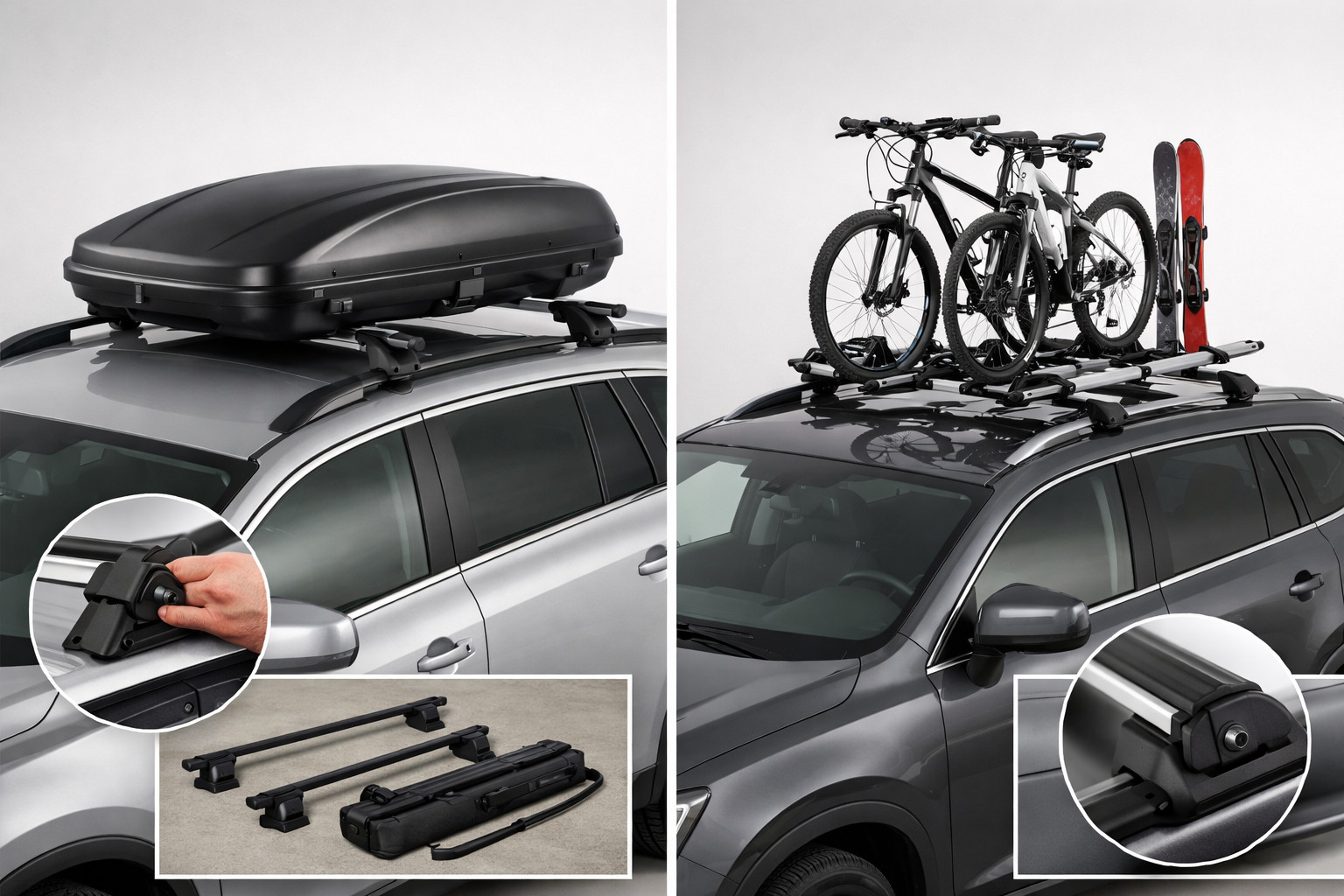
The same goes for a roof rack: if your gear doesn’t fit in the cabin and cargo area, it’s justified. If it’s installed “just in case,” it often adds only noise, weight, and cost. Decorative trims and chrome make sense only after practical needs are covered.
For your scenario, the most common unnecessary purchases are a big lift, very heavy bumpers, a winch on a vehicle that almost never goes alone into difficult terrain, and oversized tires without understanding what to do with the suspension next. This setup looks convincing, but in the city it worsens entry, adds weight, noise, and expense, and on easy trips it’s rarely used.
The second typical mistake is buying for appearance rather than for the task. If it’s inconvenient to climb into the cabin, a stiff rock slider isn’t necessarily better than a step. If the main risk is catching a rut or a rock with the sill, a decorative step won’t solve the problem the way stronger protection will.
| Install first | Can be postponed | Not required |
|---|---|---|
| All-weather mats and cargo protection | Roof rack | A big lift for a city Wrangler |
| Sill protectors and mud flaps | Seat covers, if the interior is closed and dry | 37-inch tires for easy trips |
| Rustproofing in regions with road chemicals | Skid plates, if there are no solid obstacles on your routes | Heavy-duty steel bumpers without a real need |
| Side steps, if entry matters every day | A small suspension lift | A winch, if you don’t travel alone into difficult terrain |
| Basic trail kit and a compressor | Switching to larger tires before the stock set wears out | Decorative chrome and small exterior trim |
More expensive parts are worth it when they solve a recurring task, not a one-time impulse. If convenient entry matters every day, it makes sense to look at not universal but vehicle-specific side steps. If you want to compare different heights, platform shapes, and designs, it’s logical to start with the side steps section.
For trips with lots of gear, an expensive but justified upgrade is roof racks and bars—but only when the equipment no longer fits inside. A lift, skid plates, and a winch also make sense, but only after real practice: when you already know the vehicle regularly bottoms out, you lack space for tires, or you have to recover yourself.
From a customer’s experience: a Wrangler JL owner wasn’t looking for an “aggressive” look, but for normal daily use with trips outdoors. He started with mats, sill protection, and side steps, and replaced the tires later in the season when it became clear the stock set wasn’t enough on wet grass and dirt. In the end, he got a vehicle that’s comfortable to use every day, without unnecessary spending on a lift and heavy steel.
For a Jeep Wrangler 2018+ in the “city + entry/exit + outdoor trips” scenario, the smartest approach is to start not with a lift and not with big wheels, but with upgrades that pay off every day: protecting the interior, sills, and body, and improving ease of entry. Next come all-terrain tires and a basic trail kit, and only then the complex and expensive modifications. This order burns less budget and matches real-world use better. This material is based on real selection experience, hands-on practice, and real usage scenarios.
| ✔ | The initial upgrades here really solve everyday problems: all-weather floor mats, a cargo liner or trunk tray, sill plates, and mud flaps reduce dirt, sand, and scratches in the cabin and on the body. |
| ✔ | Running boards make practical sense specifically for city use of the Wrangler, especially if children, shorter people, or a family often get in and out of the vehicle. |
| ✔ | All-terrain tires are described as the best compromise for city driving and trips onto dirt, grass, sand, or in the rain, meaning this is a basic change that genuinely strengthens the setup without unnecessary complication. |
| ✔ | Anti-corrosion treatment has a clear practical value for regions with road salts and humid climates: it reduces the risk of corrosion after winter and mud trips. |
| ✔ | The logic of phased upgrades is practical: first protection and entry comfort, then tires and a basic off-road kit, and only after real outings — a lift, underbody protection, or a winch. |
| ✘ | Large lifts, heavy bumpers, and a winch are often unnecessary in this scenario: they add weight, noise, costs, and make city use less convenient, while being rarely used on light outings. |
| ✘ | Tires that are too large, without understanding the next suspension changes, can create more problems than benefits, because they are not recommended to be installed too early. |
| ✘ | A roof rack is not a universally useful solution: if the gear fits in the cabin and trunk, it only adds noise, weight, and costs. |
| ✘ | Decorative trim, chrome, and other small exterior styling elements are pushed to the very end in this scenario, because they do not solve the basic tasks of everyday use. |
Shipping to EU
Wholesale and retail
Own warehouse
Опис продукту
Подарунки не надаються при оформленні покупки у кредит під 0,01% або при покупці частинами.