





























































 Author: Radomskyi Maksym Vasyliovych
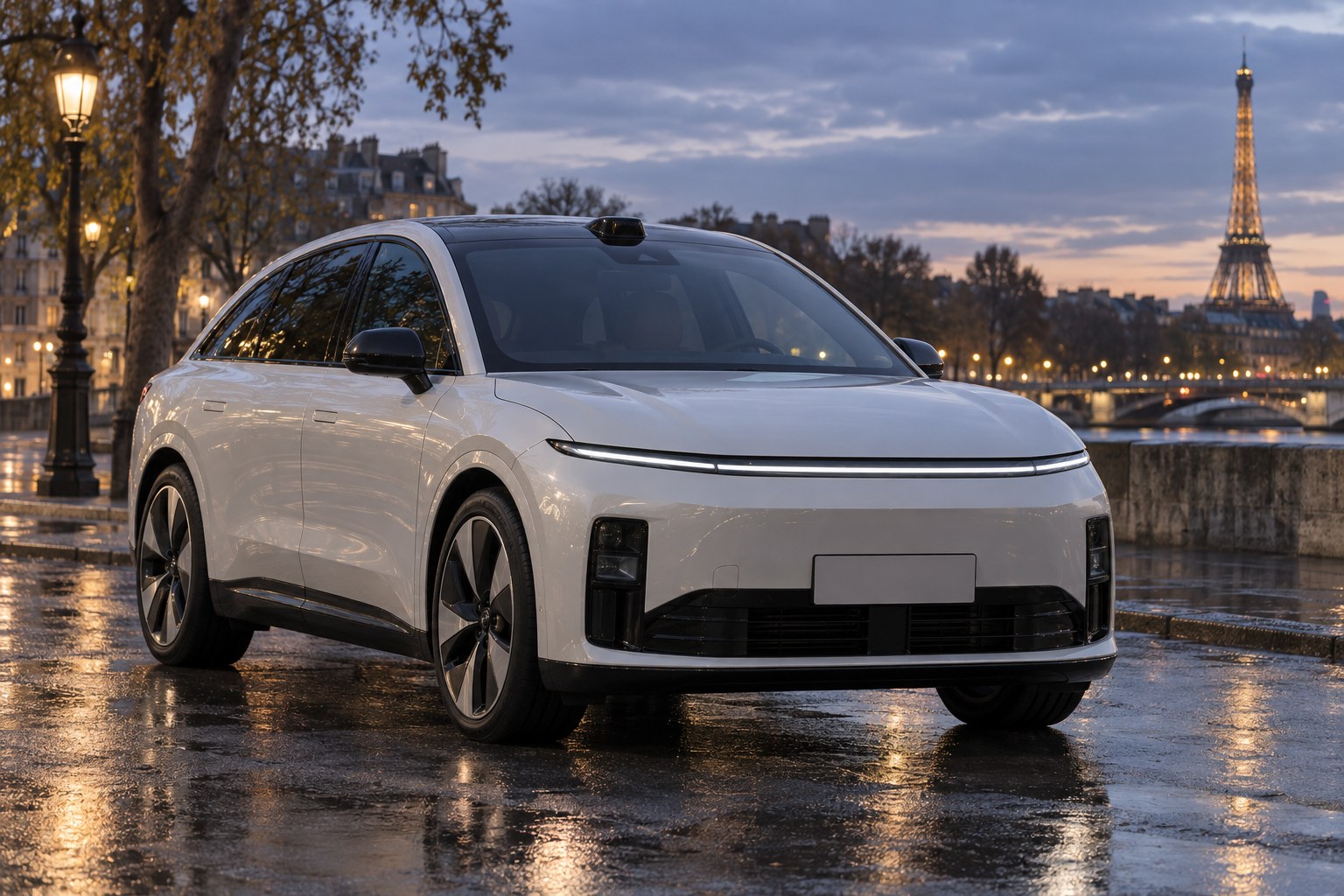
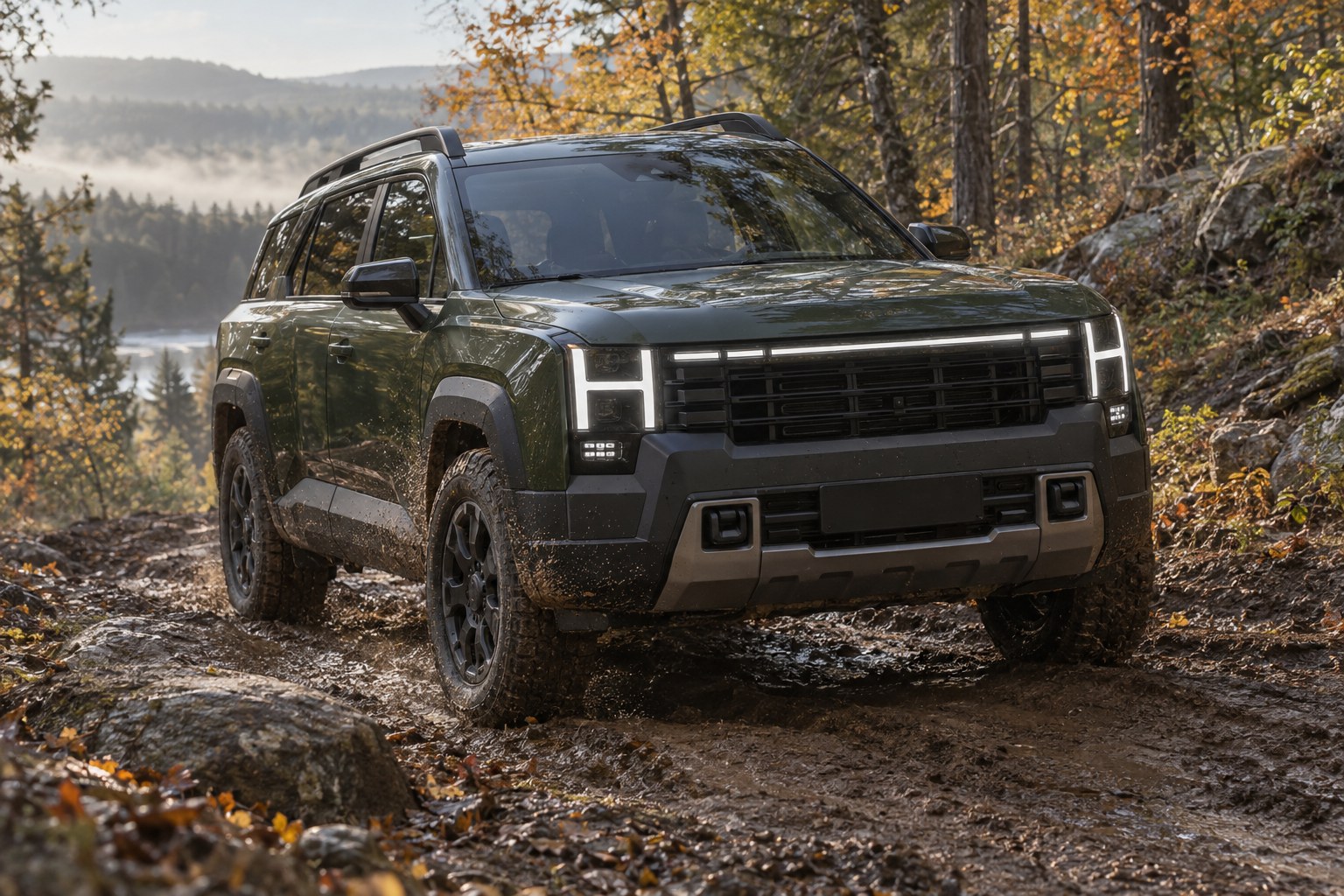
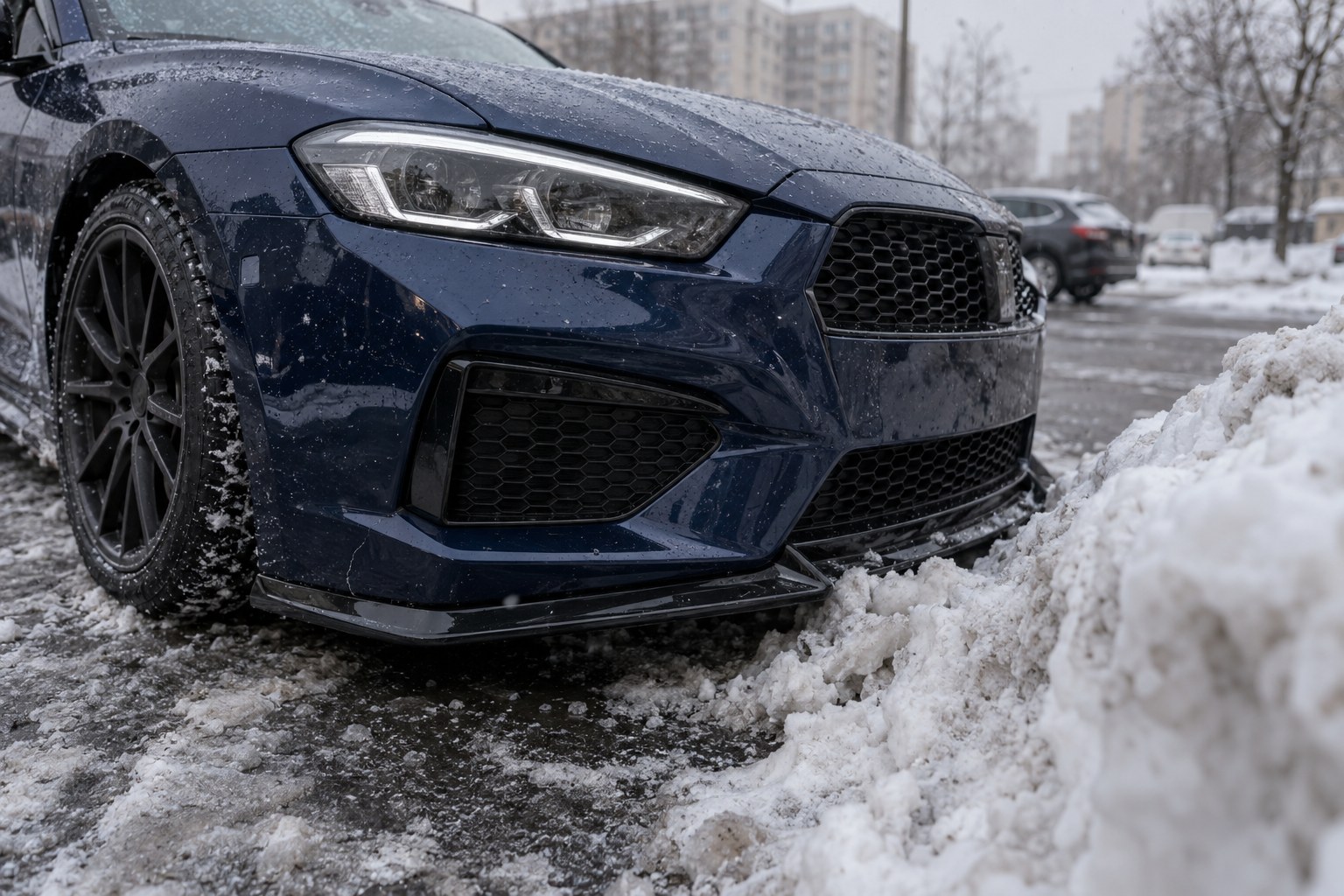
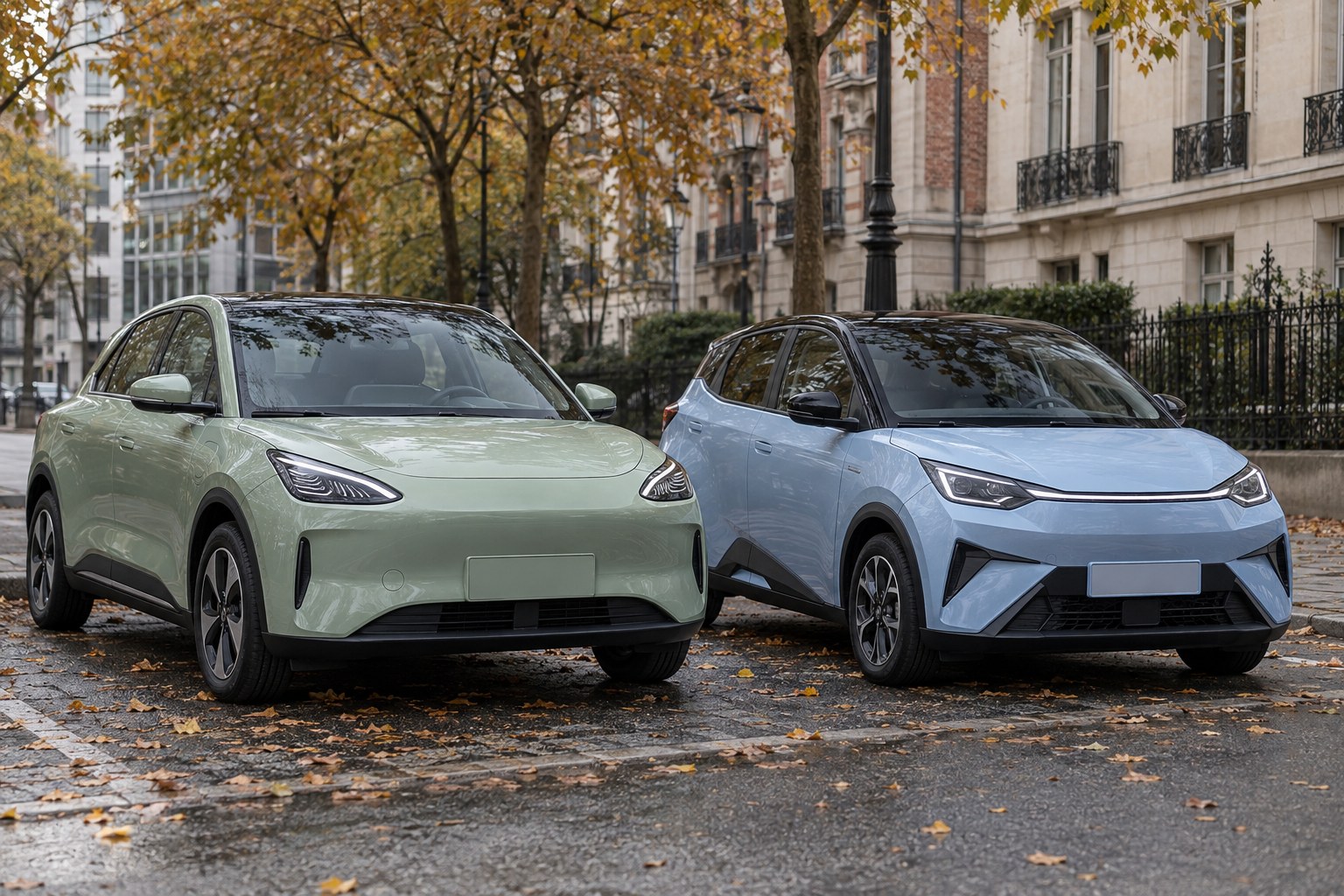
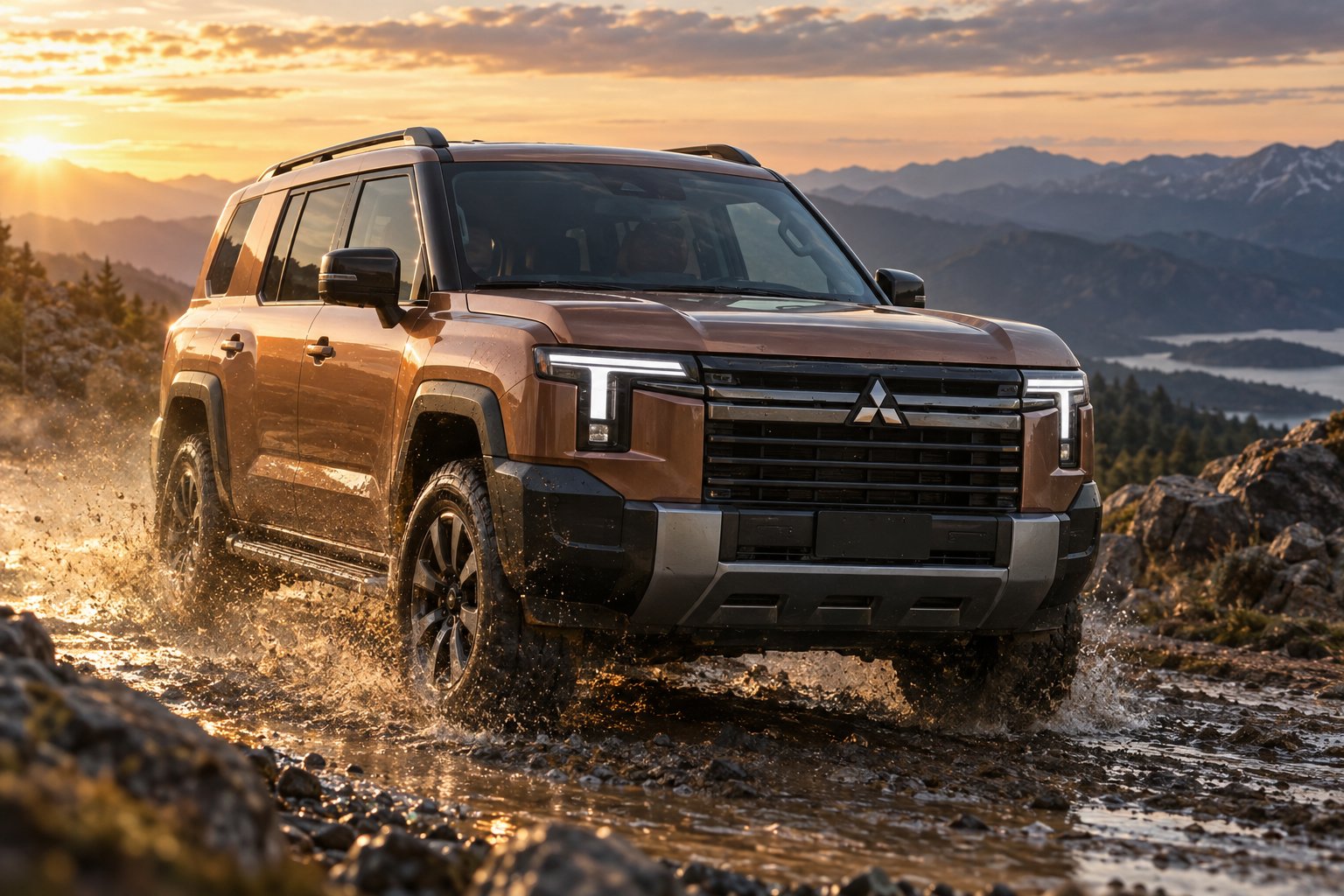
DS F3VER is an experimental concept hatchback that DS Automobiles showed at the Paris Motor Show on 12–18 October 2026 (materials were sent out on 11–12 October). It is not a production model and not a sales announcement: DS itself calls the car an “idea laboratory” and a manifesto of the brand’s future design. At the same time, Auto Express and Motor1 read it as a lightly disguised preview of the next DS N°3 — a compact premium hatchback that is meant to bring the brand back to the class where it once started with the three-door DS 3. Officially, only the dimensions, design and electric powertrain have been confirmed; everything about the production car, timing and price is media expectation. The photos in this article are concept renders based on the press-release description, not factory images.
Contents
- What DS F3VER is and why it matters for the brand
- What the concept looks like: a grille-less front, “totems” and 16 LED panels
- Dimensions and what is known about the drivetrain
- What Design Intelligence is, and why DS wants fewer parts
- When to expect the production DS N°3 and what may carry over
- What this means for current DS 3 owners
What DS F3VER is and why it matters for the brand
DS Automobiles is the premium brand of the Stellantis group, which grew out of the Citroën DS lineup. In 2026, the marque is renaming its model range under the “DS N°” scheme: there is already DS N°7, N°8 and N°4, and the next candidate for renaming, according to the press, is DS 3. In Paris, the brand displayed six production cars (three versions of N°7, the electric N°8, the hybrid N°4 and DS 3 Maison Sarah Lavoine) and one concept — F3VER.
The name is a play on words: DS says it refers to the word fever — the instant emotion the car is meant to evoke. The concept was developed entirely by DS’s French team and, according to the company, explores three “pillars” of the brand: desirability, personalisation and freedom of use. DS CEO Xavier Chardon said the concept “pushes the three fundamental pillars of DS Automobiles even further”, and design director Thierry Metroz described the approach as “creating uniqueness with fewer means”.
An important detail to remember: in none of its official materials did DS call F3VER a prototype of DS N°3, nor did it confirm series production. The connection to N°3 is a conclusion drawn by the press, albeit a fairly unanimous one.
What the concept looks like: a grille-less front, “totems” and 16 LED panels
F3VER is a four-door hatchback with a noticeably “muscular” stance that, as Carscoops notes, is atypical for modern compact hatchbacks. Key features from the DS press release and show reports:
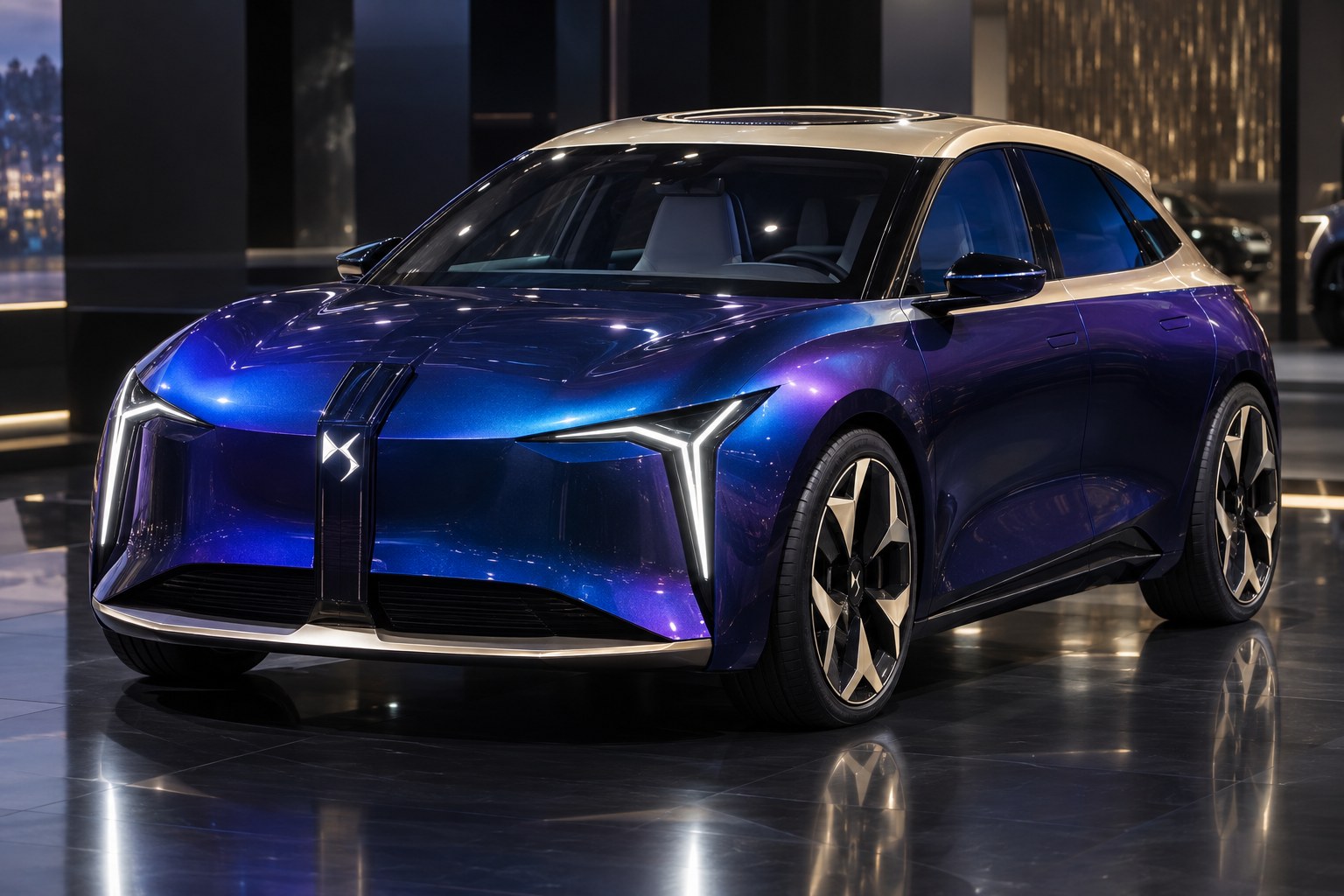
- A grille-less front. According to Auto Express, this is the first DS without a grille or a grille-like element between the headlights. In its place is a dark-blue vertical central “totem” with an illuminated DS emblem.
- Y-shaped light signature. The headlights and daytime running lights are combined into a single Y-shaped unit with two vertical segments — making it recognisable by day and by night.
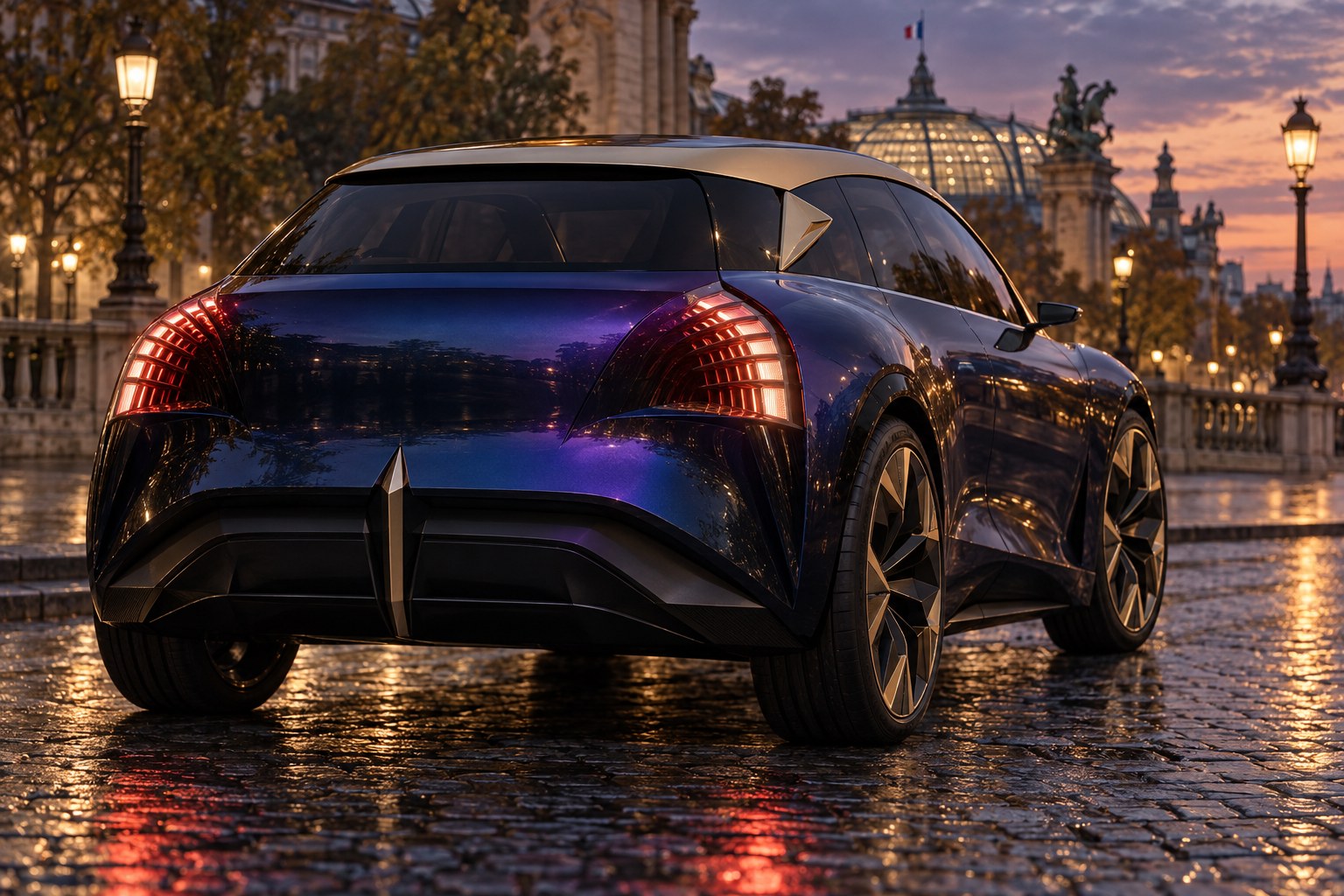
- Rear with a “light tunnel”. A second totem sits in the rear bumper and carries a digitised logo; according to Auto Express, it includes a screen that can display patterns or messages selected from inside the car. The taillights are three-dimensional, made up of 16 LED panels on an ultra-light magnesium structure whose form designers took inspiration from the glass vault of Paris’s Grand Palais. The taillight animations can relay information outward.
- References to the first DS 3. Auto Express sees the shape of the lights, the rounded rear and the revived “shark fin” motif behind the rear windows as a direct quote of the 2010 three-door hatchback. The rear door handles are hidden, so the car reads as a two-door, and the rear glass “wraps” the pillar.
- Colour and personalisation. The Cosmic Blue paint is dichroic, shifting from bright blue to purple depending on the light. The two-tone scheme is not limited to the roof: the split line runs to the taillights and wraps around the tailgate, the sides and the bumper. On the roof there is a decorative “ring” that can also be personalised. The wheels have a geometric design with champagne-coloured details and Clous de Paris engraving; the side window glass is tinted blue.
DS did not show the cabin — there are no photos or interior descriptions in the official materials.
Dimensions and what is known about the drivetrain
Dimensions are the only numbers DS has officially stated. Everything else about the engineering is phrased without figures.
| Parameter | DS F3VER (concept, official) | Production DS N°3 (press expectations) |
|---|---|---|
| Length | 4.19 m | “a little under 4.2 m” (Auto Express) |
| Width | 1.84 m | no data |
| Height | 1.46 m | lower than DS 3 Crossback, a “true hatchback” (Flotauto) |
| Wheelbase | 2.70 m | no data |
| Boot | 400 l | no data |
| Drivetrain | electric, “best-in-class” range, no figures | front-mounted motor, front-wheel drive (Auto Express); around 450 km — Flotauto estimate |
| Platform | DS does not name it | STLA One / STLA-One (Auto Express, Flotauto) |
For reference: by length, the concept is roughly comparable to the new Renault Clio (Carscoops) and about 350 mm longer than a MINI (Auto Express), while DS compares its 400-litre boot with cars from a higher class. The brand did not state power output, battery capacity or charging speed — any such figures online at the moment are not from official sources.
What Design Intelligence is, and why DS wants fewer parts
Beneath the striking exterior is an engineering idea DS calls Design Intelligence: creating a recognisable look with fewer components. Specific examples from the press release:
- the headlamp and daytime running lights are combined into one unit instead of two separate ones;
- the bumpers are single-piece, made from one part;
- bolt-on plastic has been removed from the wheel arches and the lower body — surfaces are cleaner, with fewer parts.
DS says this results in a lighter architecture, better aerodynamics and, at the same time, higher perceived quality. In development, the brand used digital tools and Stellantis AI to iterate through shape options more quickly — with the caveat that they support designers rather than replace them. For a production car, this philosophy means simpler and cheaper assembly — exactly what the brand needs, as Motor1 notes, given how hard it is for DS to compete with German premium marques and MINI.
When to expect the production DS N°3 and what may carry over
Here the sources diverge, and it’s worth showing that honestly:
- Auto Express (13.10.2026) writes that the production DS N°3 based on this concept will appear “within a year or two”, and Thierry Metroz confirmed to the outlet that the concept’s level of detail is technically feasible on the future N°3. Separately, DS noted that the three-dimensional taillights are “easy to reproduce in series”.
- Flotauto (12.10.2026) names 2028 and an indicative price of around €30,000 — but adds that the production decision has not yet been made by Stellantis boss Antonio Filosa and that the “financial equation still needs to be validated”.
- Motor1 (11.10.2026) states plainly: F3VER is not a preview of a confirmed production model; it is a design manifesto.
What is most likely to make it from the concept to production: the overall hatchback proportions, the Y-shaped headlights, the front totem with the emblem, the taillight shape, and a two-tone body as the basis for personalisation. What is unlikely: the screen in the rear bumper, the hidden rear pillar made of one continuous piece of glass (Auto Express expects black plastic in its place), and dichroic paint in the base trim. Until DS announces a date, all of these remain assumptions.
What this means for current DS 3 owners
For those driving a three-door Citroën DS 3 from 2009–2016 or a DS 3 Crossback / DS 3 from 2018 onwards, the concept changes nothing today: there is no production successor, and when one appears it will be on a different platform, so interior and body parts will not carry over between generations. The point of the news is different — DS is publicly returning to the compact hatchback format with an emphasis on personalisation, and that is the same approach that made the first DS 3 so popular in its time.
The practical side for current DS 3 owners remains the usual: the catalogue includes accessories for Citroën DS 3 — EVA and textile mats, front-door wind deflectors — and for DS 3 Crossback we have selected rubber and 3D Stingray mats. If a model listing isn’t available, universal solutions work from the window deflectors and car mats sections. We are following news on the production DS N°3 and will update the article as soon as DS announces a date.
We deliver via Nova Poshta across Ukraine.