































































 Author: Radomskyi Maksym Vasyliovych
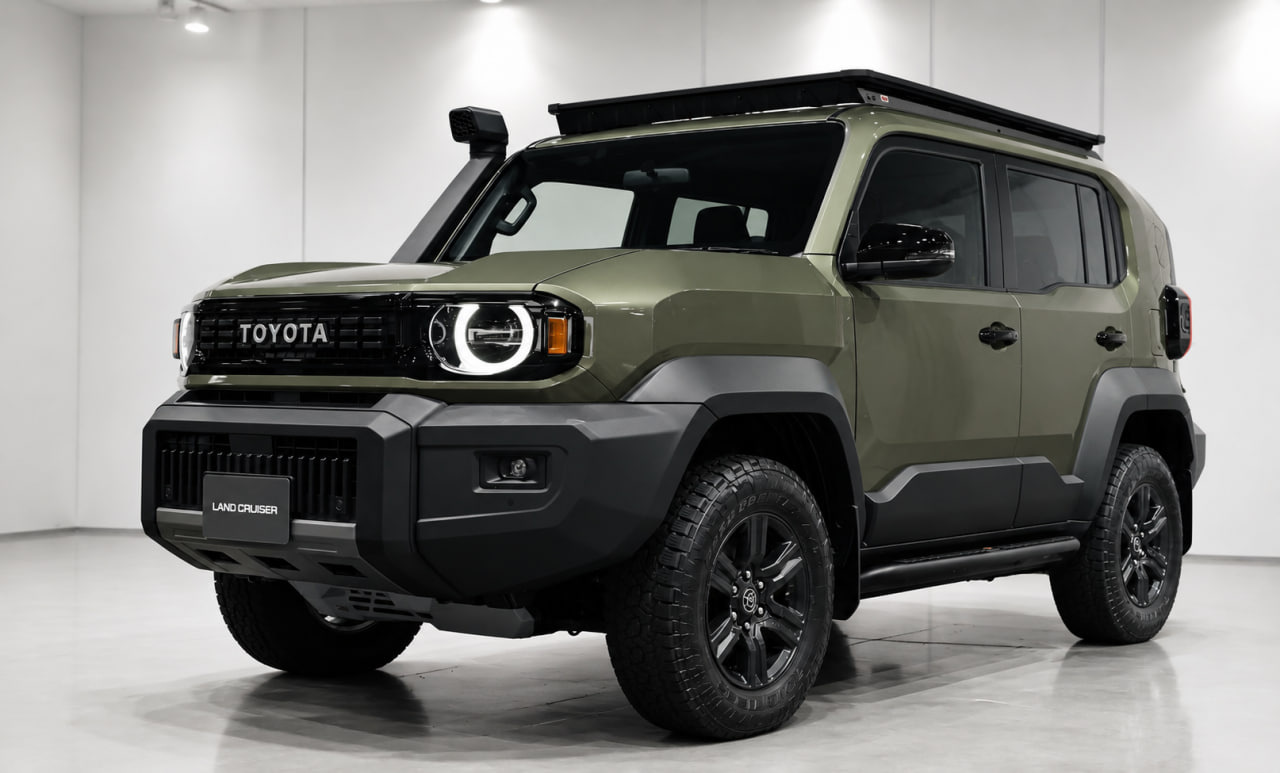
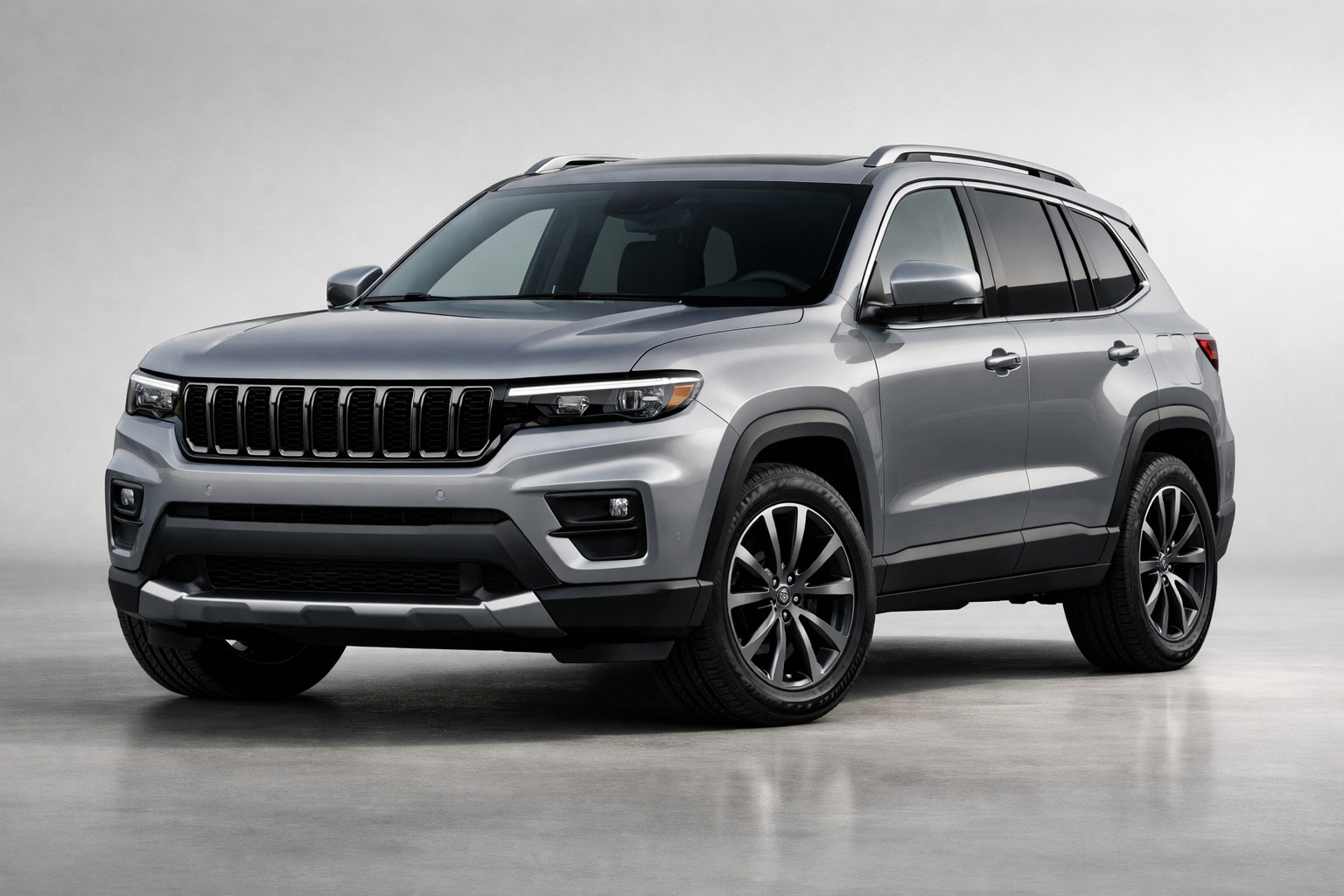
Jeep Cherokee 2026 returns after a pause in a different role: it’s no longer a hard-edged utilitarian SUV, but a family hybrid crossover with standard AWD, a roomy cabin, and a focus on efficiency. At the start of the model year, one powertrain is confirmed — a 1.6-liter turbo hybrid with a total output of 210 hp, an official consumption of about 6.4 L/100 km, and a driving range of over 800 km.
In essence, the Cherokee now meets the needs of those who want a quiet, spacious vehicle for everyday use, highway trips, winter, dirt roads, and light off-road driving. It’s less of a fit for buyers expecting sharp handling, very brisk acceleration, or a lower price than some mainstream competitors.
The model and its place in the market
The new Cherokee enters one of the most crowded market segments, where its natural rivals are the Honda CR-V, Toyota RAV4, Nissan Rogue, Subaru Forester, Hyundai Tucson, and in some cases the Ford Bronco Sport or Chevrolet Blazer. What sets it apart from most is that AWD is standard here, and the hybrid setup is tuned from the start for range and a calm daily driving pattern.
Positioning-wise, this isn’t a budget offering. The starting price in the U.S. is higher than some competitors, and mandatory AWD immediately raises the entry point. So the Cherokee 2026 is chosen not for being cheap, but for the mix of space, equipment, efficiency, and Jeep’s signature all-round versatility.
Generations and model history
If you count the main Cherokee generations in the common market logic, the ones most often mentioned are XJ 1984–2001, KJ 2001–2007, KK 2008–2012, KL 2013–2023, and the new Cherokee 2026, which effectively opens the next stage after a sales pause. Because of different markets and naming, there are nuances in Jeep’s history, but for a buyer the key point is this: Cherokee has evolved from a simpler, tougher format to a family crossover with a hybrid powertrain.
The new generation doesn’t abandon the model’s core values entirely: AWD remains standard, there are terrain modes, decent ground clearance, and light off-road capability. But the emphasis has shifted toward quietness, comfort, roominess, and multimedia.
Engines and transmissions
For now, one engine is confirmed: a 1.6-liter gasoline turbo engine as part of a conventional hybrid with no plug-in charging. The gasoline unit itself produces 177 hp and 300 N·m, while total system output is 210 hp and 312 N·m. The transmission is an electronically controlled planetary-type e-CVT, and the battery has a capacity of 1.08 kWh at 400 V.
In practice, that means a smooth city character, quiet operation at an easy pace, and good fuel efficiency, but without a sporty feel. The official combined consumption figure is about 6.4 L/100 km, although city and highway numbers differ in the brand’s materials. All versions have Active Drive I AWD and Selec-Terrain with Sport, Auto, Snow, and Sand/Mud modes. When properly equipped, the Cherokee can tow up to 1,588 kg, but it is not suitable for flat towing behind a motorhome with all four wheels on the ground.
Body, dimensions, and chassis
In size, the Cherokee 2026 has grown and moved closer to a practical family formula than to a compact crossover. The 2,870 mm wheelbase provides solid space for the second row, and 203 mm of ground clearance leaves a margin for curbs, broken roads, snow, and trips outdoors without unnecessary stress.
| Parameter | Value |
|---|---|
| Powertrain | 1.6-liter turbo hybrid, total 210 hp and 312 N·m |
| Transmission | Electronic CVT |
| Drive | AWD, standard |
| Fuel consumption | about 6.4 L/100 km in the combined cycle |
| Range | over 805 km |
| Fuel tank | 51.9 L |
| Wheelbase | 2,870 mm |
| Length | 4,778 mm |
| Width | 2,123 mm |
| Height | 1,715 mm |
| Ground clearance | 203 mm |
| Geometry angles | 19.6° / 29.4° / 18.8° |
| Fording depth | up to 508 mm |
| Cargo area | 951 L / 1,934 L |
| Curb weight | 1,948 kg |
| Towing | up to 1,588 kg |
The suspension is tuned more for smooth, composed, and quiet driving than for excitement. This matches the nearly 1.95 t weight and the hybrid powertrain: the vehicle is meant to be comfortable on long trips, not to encourage an aggressive pace.
Interior, comfort, and safety
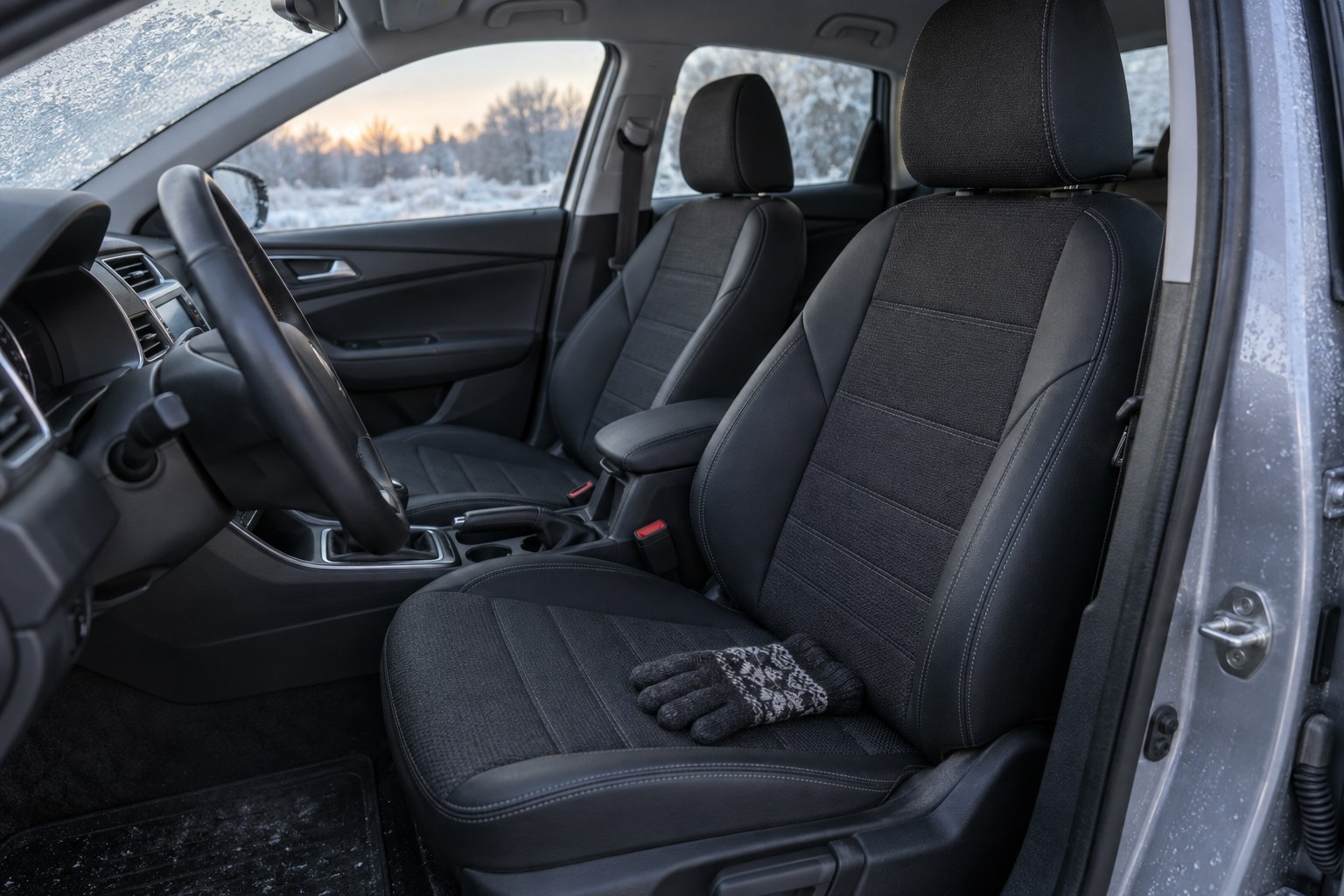
Inside, the Cherokee 2026 looks notably more mature than previous iterations of the model. Even in base form there’s a large 12.3-inch central screen, a 10.25-inch digital instrument cluster, wireless smartphone connectivity, and in higher trims a 360-degree camera and expanded electronic driver aids are available. For everyday use, what matters more is this: the cabin is spacious, the second row isn’t tight, and early reviews rate the seats and sound insulation highly.
By cargo volume, the car has also become more practical: 951 L behind the second row and 1,934 L with it folded. For a family, that means a stroller, suitcases, camping gear, or a big grocery run no longer looks like a problem. But there’s a caveat: early feedback already shows that the first model year’s infotainment and electronics require attention to software updates.
Everyday use
In daily driving, the Cherokee’s main trump card is the combination of AWD, a large cabin, and low consumption. For someone who drives in the city every day and heads out on the highway or to the countryside on weekends, it’s a strong package. You don’t have to look for a charging station because it’s not a plug-in hybrid, but you still get the benefits of regeneration and solid range on a single tank.
There are also points worth knowing before buying. Acceleration in this format won’t be dramatic, the steering in early tests is described as not very informative, and the starting price noticeably affects perception. If you want a car “about emotions,” the Cherokee may feel too calm. If you need a quiet daily driver with a buffer for weather and road surfaces, the model’s logic reads clearly.
Strengths and weaknesses
| Strengths | What it gives the owner | Weaknesses | What it means in practice |
|---|---|---|---|
| Spacious cabin and large cargo area | Fewer compromises for family, trips, and gear | Price is higher than some competitors | For similar money, buyers start comparing trims more closely |
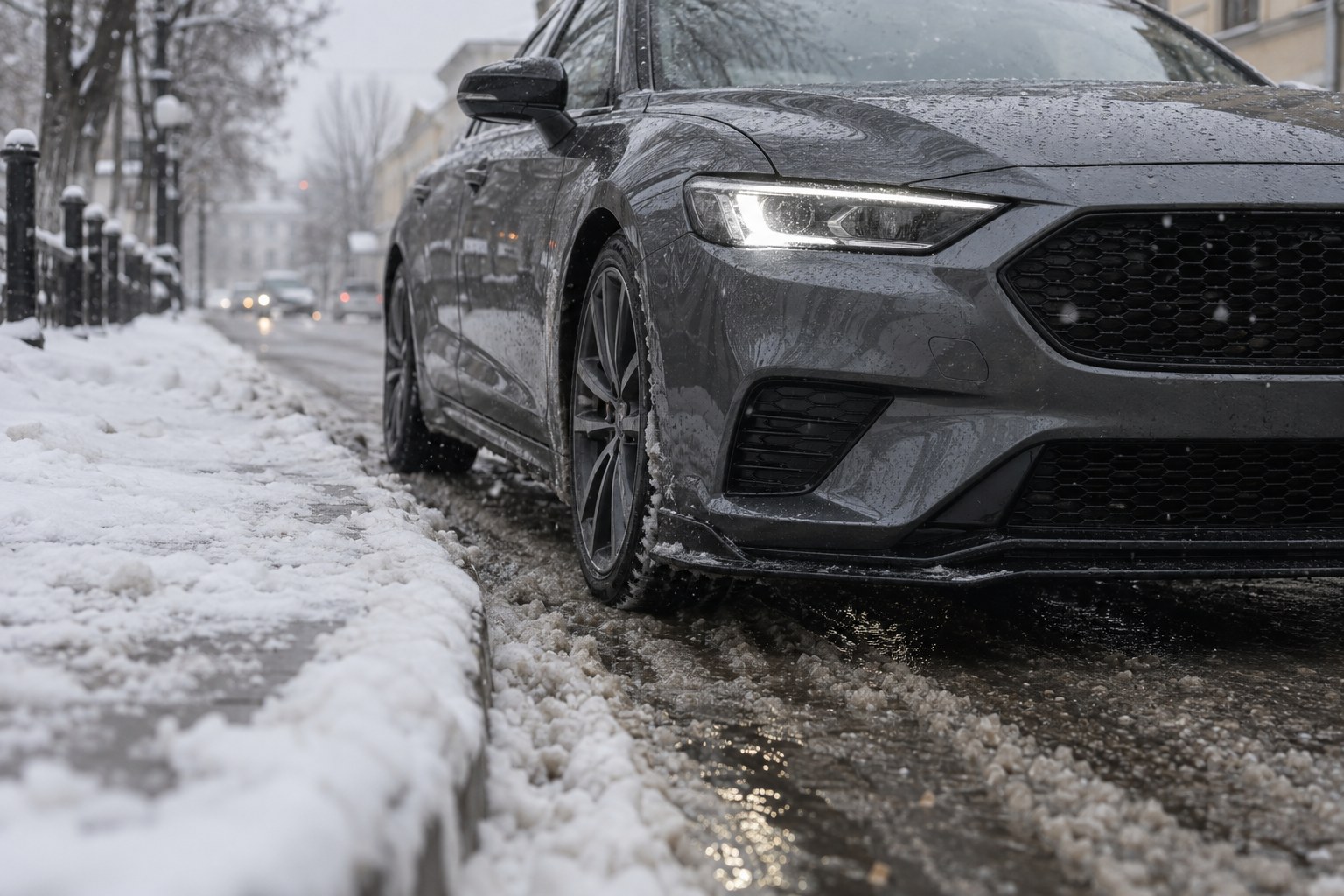
| Standard AWD | More confidence in winter, on wet highways, and on dirt roads | Steering isn’t the most expressive | The car doesn’t deliver a driver-focused feel in corners |
| Efficient hybrid and long range | Fewer stops at the pump and lower costs on long highway runs | Only average dynamics | Passing maneuvers need calmer planning, especially when fully loaded |
| Good cabin quietness | Less fatigue on the highway and during daily commuting | The first model year always carries a risk of minor teething issues | It’s worth tracking updates and not ignoring early electronic symptoms |
| Decent geometry and towing | You can drive beyond asphalt and tow a trailer | Cannot be flat towed behind a motorhome with all four wheels down | You’ll need a different vehicle for that scenario |
In short: the Cherokee’s strengths are felt every day, while the weaknesses show up mainly when comparing it with rivals and in expectations about the car’s character. It’s not an issue if you understand its role before buying.
Tuning and accessories
For the Cherokee 2026, the logic of upgrades should be practical rather than decorative. The first items are usually things that protect the interior and body, make carrying cargo easier, and better prepare the vehicle for winter, mud, and long trips. For a new generation, the accessories catalog always fills in gradually, so it’s important not to buy at random and to verify compatibility specifically with the 2026 body.
What to consider for this model
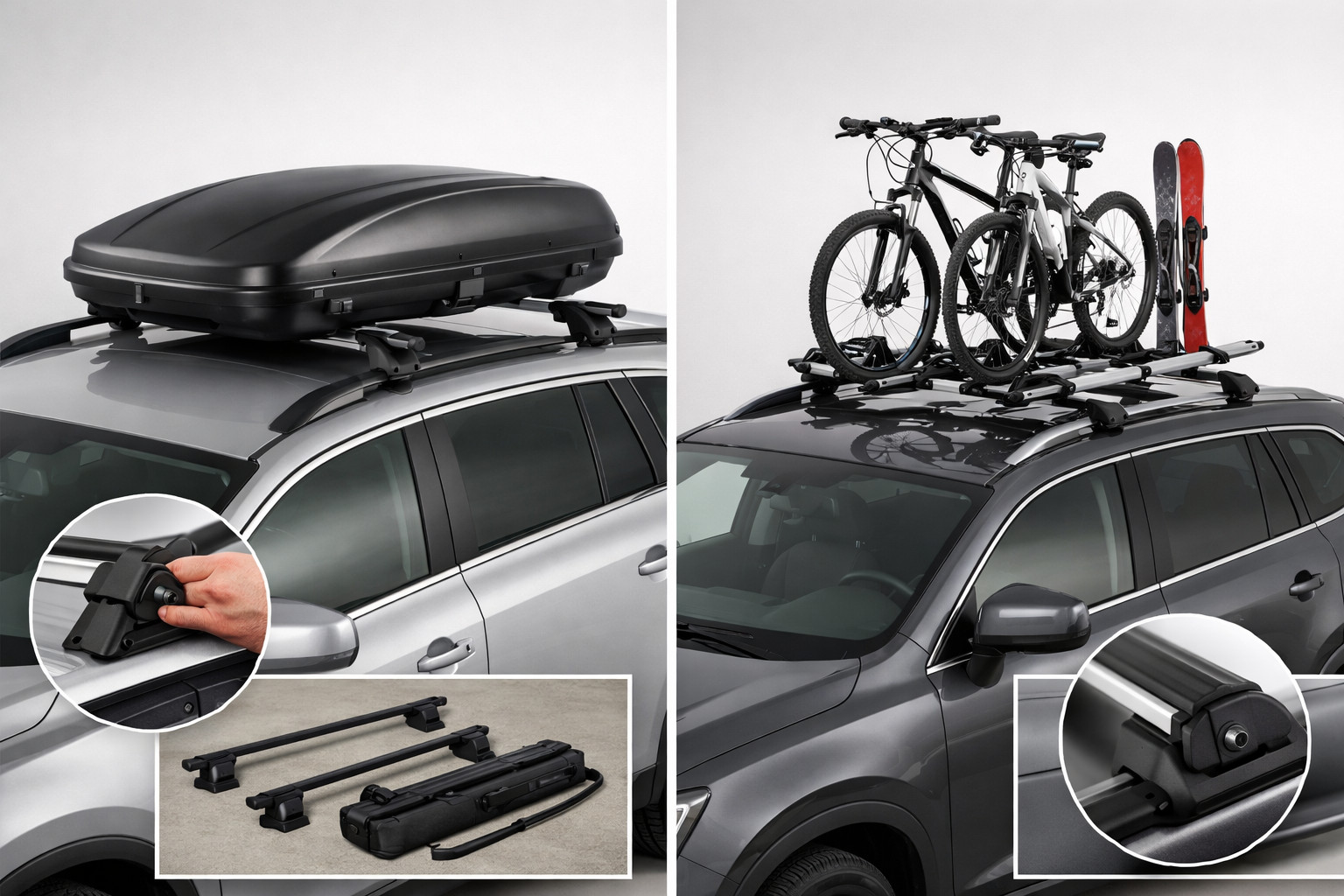
- Roof racks and crossbars — a useful direction if you’re planning a cargo box, bikes, skis, or simply don’t want to pack the cabin with stuff.
- Rubber cargo mats — a must for anyone carrying a stroller, tools, wet gear, fuel cans, or groceries without wanting to ruin the floor.
- Mud flaps — reduce dirt and fine abrasive wear along the lower body, especially noticeable in rain, snow, and on dirt roads.
There is a point to tuning for this model, but it’s not about chrome or random trim pieces. The Cherokee benefits from items that extend its core idea: more practicality, fewer signs of use, better readiness for travel.
Conclusion
The Jeep Cherokee 2026 looks strong where you expect family versatility: quietness, space, AWD, good range, a roomy cargo area, and a solid margin for bad roads. The weaker points are also clear: price, calm dynamics, not the sharpest steering, and the natural caution around the first model year. This material is based on selection experience, real-world use cases, and the questions that most often come up before buying and upgrading a vehicle like this.
Pros and cons
All-wheel drive is already standard, so the Cherokee 2026 is better suited to winter conditions, wet roads and drives on gravel without paying extra for this option.
The cabin and trunk are very practical for family use: there is plenty of room in the second row, and the trunk capacity reaches 951 l in normal configuration and 1,934 l with the row folded.
The hybrid powertrain delivers moderate fuel consumption — around 6.4 l/100 km in the combined cycle — and a range of over 800 km, which is convenient for long trips.
Ground clearance of 203 mm, good geometry and a wading depth of up to 508 mm make the model suitable not only for the city, but also for light off-road and difficult roads.
The cabin already includes a large infotainment screen, a digital instrument cluster and wireless smartphone connectivity in the base setup, so the vehicle is well adapted for everyday use.
The starting price is higher than some competitors, so the Cherokee 2026 is difficult to see as a bargain without a direct trim comparison.
The performance is average here: the model is tuned for relaxed driving rather than quick overtakes or sporty sensations.
In the first tests, the steering is described as not very informative, so on winding roads the vehicle does not provide vivid feedback.
The first model year carries a risk of minor electronic and multimedia issues, and the article explicitly mentions the need to keep an eye on software updates.