24.09.2026
115
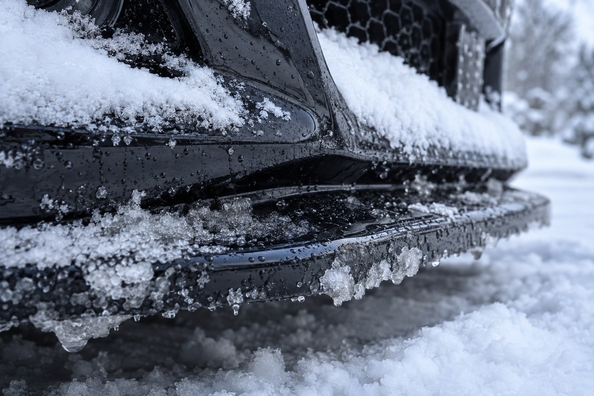

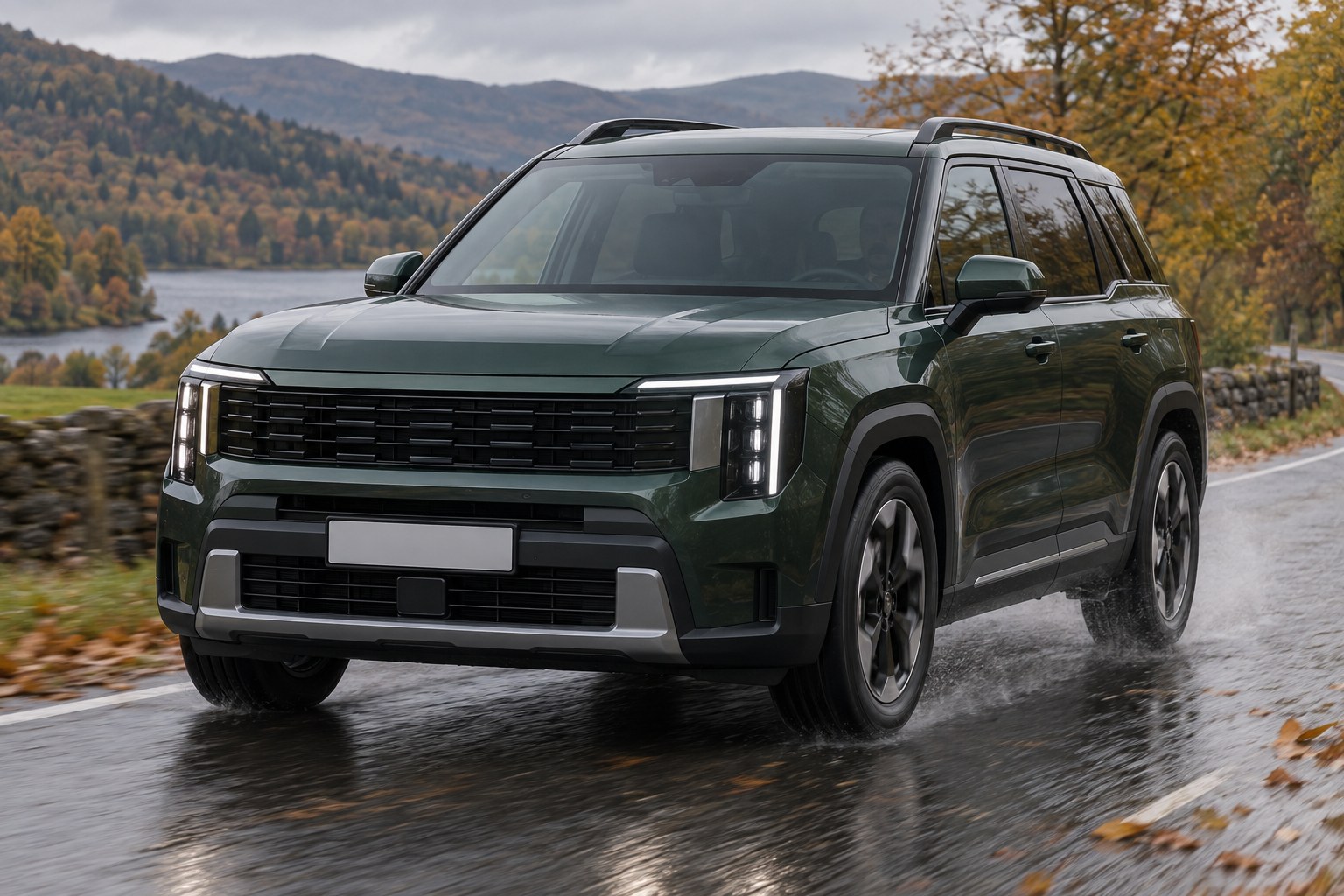
The lip (lip spoiler) is the lowest point at the front, so in winter it is the first to hit a snowbank, a frozen curb, or a speed bump. And ABS plastic, which most lips are made of, dampens impacts worse in the cold and is more likely to crack than to bend. Hence four rules: climb curbs and speed bumps slowly and at an angle, do not ram snowbanks and drifts in parking lots with the front end, do not knock ice off the lip with a scraper, and check the adhesive and fasteners before the first frosts. A crack on the edge can often be repaired, but a through break or broken mounting points are a reason to replace it.
Contents
In summer, an ABS-plastic lip can survive touching a curb: the plastic flexes a bit and returns to shape. In winter, several things work against it at once.
In the catalog of front bumper lip spoilers, most parts are ABS plastic (DPT, EuroCap, Niken). There are fiberglass add-ons to be painted (Meliset) and a line made of genuine carbon (DDCarbon). The material is listed in the specifications of each product.
| Material | How it behaves in the cold | What to do |
|---|---|---|
| ABS plastic | Keeps its shape, but dampens impacts worse in the cold: with a strong contact it is more likely to crack than to bend | Don’t drive close to snowbanks and curbs; don’t remove or try to bend the part in freezing temperatures |
| Fiberglass | Rigid; from an impact it is more likely to crack or chip | Don’t leave a crack for the winter — water and мороз will make it grow; fiberglass repairs well and can be repainted |
| Genuine carbon | Strong and lightweight, but can crack from a sharp удар | Protect it from контакта with curbs; carbon repair is the most difficult and the most expensive |
| Polyurethane (for reference) | The most flexible: from an impact it bends rather than breaks | Sometimes sold as a “rubber” lip; fitment and looks are inferior to model-specific lips |
In ruts, position the car so the ridge of snow between the tracks does not run along the lip: at speed, that means constant impacts from below. Unplowed yards and snowed-in parking lots are best crossed where other cars have already driven.
Don’t knock off stuck snow and ice with a scraper, shovel, or your foot — cold plastic is brittle, and the glossy finish is easy to scratch. Leave the car in a warm parking garage or rinse the ice off with warm (not hot) water. At the car wash, don’t aim the high-pressure jet right up against the edge of the lip: it can lift a partly unglued section, and any water that gets in there will freeze in the cold. After washing, wipe the lower bumper dry. We covered how to protect the bumper itself from sand and реагents in the article bumper and de-icing chemicals in winter.
The installation method is listed in the product specifications: DPT model-specific lips are mounted with automotive glass polyurethane sealant (adhesive not included), and some EuroCap add-ons install into factory mounting points. Managers advise not relying on adhesive alone: the front lip should also be additionally secured with several self-tapping screws.
The main winter rule is to glue it in warmth. Polyurethane glass sealants cure from moisture in the air, and in the cold this process slows noticeably; manufacturers specify an operating temperature from +5 °C, with an optimal range of +15…25 °C. A lip glued in a cold yard in November may never gain strength before the first snowdrifts. If you install it now, do it in a warm bay and allow curing time before washing and driving in snow. You can install a lip at the network of certified DD Tuning service centers — the nearest one will be suggested by a manager.
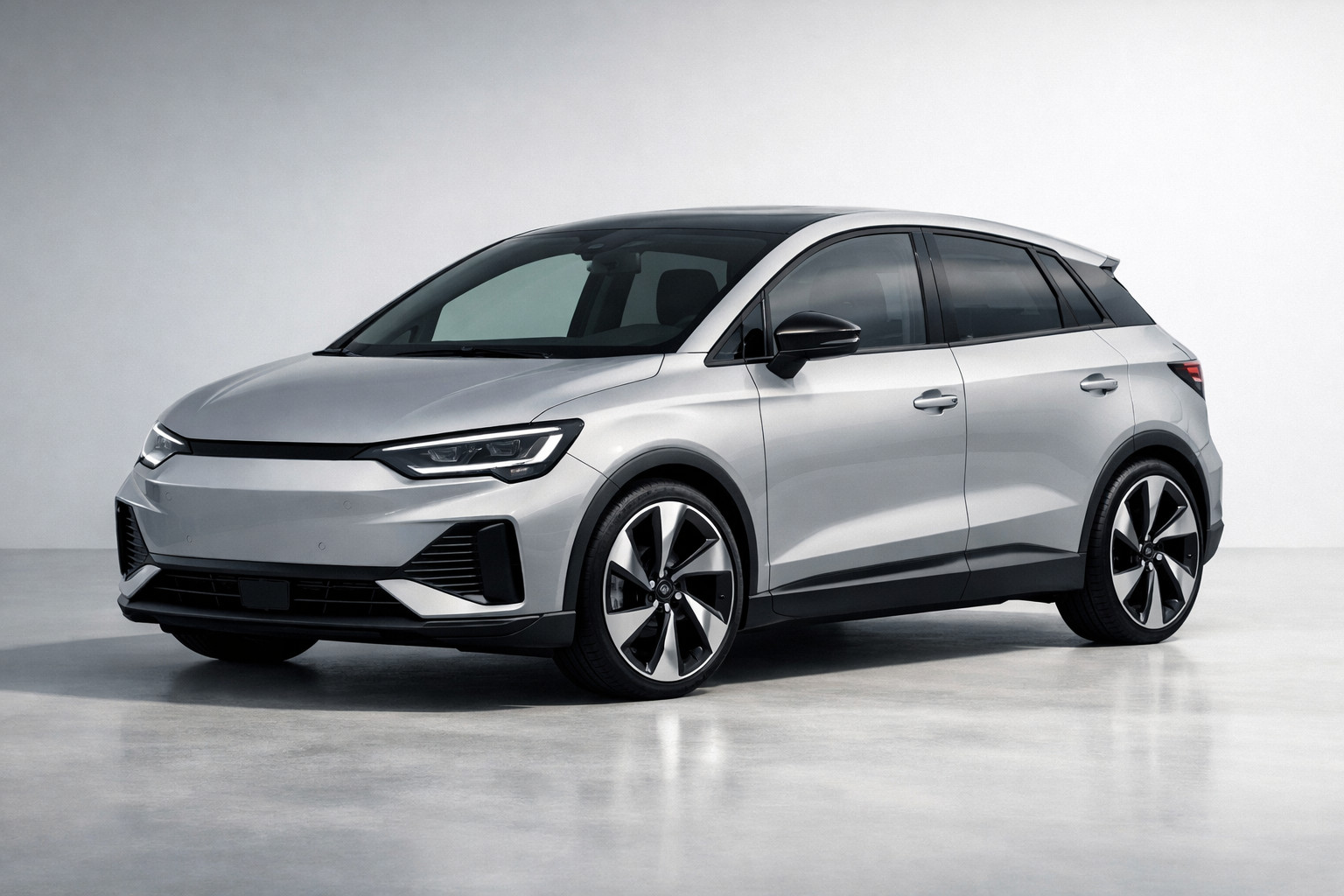
For daily driving, choose a lip with a moderate drop: in the names of model-specific lips there are V-1, V-2, V-3 versions of different height and extension — compare them in the photos. Be sure to match the bumper type (base, M-Sport, M-Performance, AMG, S-Line, RS), because a lip for a sport bumper will not fit a base bumper. For cars that don’t have a model-specific lip, there are universal lips — before buying, measure the width of the lower edge of the bumper.
Gloss black ABS doesn’t require painting, so a minor scratch won’t expose primer the way it can on a painted part. To keep the front and rear in the same style, the lip is paired with rear diffusers — ready-made sets are available in the body kit sets (lip, diffusers) section. And on crossovers, some of the sand and dirt from under the wheels is taken by fender flares and arch trims.
We deliver with Nova Poshta across Ukraine.
Shipping to EU
Wholesale and retail
Own warehouse
Опис продукту
Подарунки не надаються при оформленні покупки у кредит під 0,01% або при покупці частинами.