 Author: Radomskyi Maksym Vasyliovych
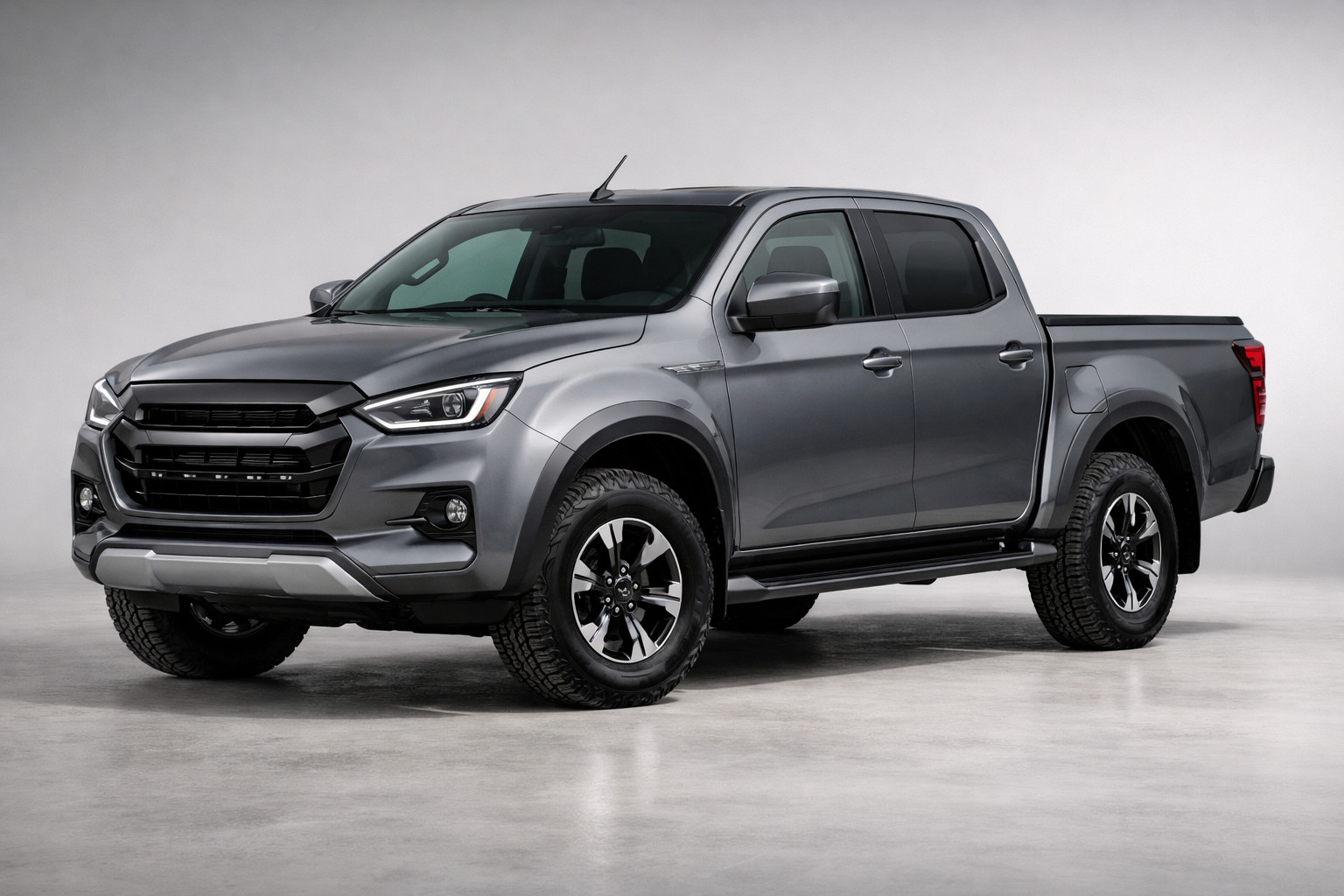
The new Isuzu D-Max is not a pickup pretending to be a crossover. Its strengths are very specific: a ladder frame, torquey diesels, up to 3.5 t towing, part-time 4WD with low range, and good off-road geometry for dirt roads, construction sites, and long trips. If you need a vehicle for work, a trailer, a boat, an ATV, or travel with gear, the D-Max makes sense.
But it’s not a universal answer for every task. In the city it’s big, it rides harsher unloaded than a typical SUV, and the cabin and sound insulation don’t hide the model’s utilitarian nature. So the key question here isn’t whether it’s good or not, but which scenario it truly fits.
The model and its place in the market
The Isuzu D-Max plays in the same class as the Ford Ranger, Toyota Hilux, and Volkswagen Amarok, but it focuses on functionality rather than a premium feel. It’s a body-on-frame midsize pickup with a clearly work-oriented character: people buy it where towing, payload, 4WD, and durability matter more than city comfort alone.
For small businesses, service crews, farms, hunting and fishing trips, and active tourism, the D-Max is a solid fit. For someone who barely uses the bed and rarely leaves asphalt, this format is often overkill.
Generations and model history
- 2002–2011 — first generation.
- 2011–2019 — second generation.
- 2019–present — third generation, which went on sale in 2020 in some markets.
It’s the third generation that is the current new-style D-Max. In 2023–2024 the lineup received noticeable updates, so when choosing a vehicle or accessories it’s important to check not only the model name, but also the year, cab type, and the market the vehicle was built for.
Engines and transmissions
In terms of powertrains, the D-Max depends heavily on the market. The most common mistake is mixing Australian and UK specifications: these are different engines, different calibrations, and partly different equipment.
| Market/version | Engine | Power | Torque | Transmission | Drivetrain |
|---|---|---|---|---|---|
| Australia 3.0 L | turbo diesel 2999 cm³ | 140 kW | 450 N·m | 6-speed automatic | part-time 4WD, 4L, rear differential lock |
| Australia 2.2 L | turbo diesel 2164 cm³ | 120 kW | 400 N·m | 8-speed automatic | depending on the version; the market range includes 4WD variants |
| UK 1.9 L | diesel 1898 cm³ | 164 hp | 360 N·m | not specified in these data | shift-on-the-fly 4WD engagement, rear lock |
For heavy trailers and regular work, the 3.0-liter option with 450 N·m looks the most convincing. The 2.2-liter engine is a compromise between pull and consumption, while the UK 1.9 L should be treated as a separate specification rather than a replacement for the Australian versions. The Terrain Command 4WD system allows switching between 2H and 4H on the move up to 100 km/h, and there is a 4L low range.
Body, dimensions, and chassis
The core of the D-Max is a separate full-length ladder frame with eight crossmembers. That’s what provides strength for load, towing, and bad roads, but it also explains why an unloaded pickup doesn’t ride as softly as a typical crossover.
| Parameter | Value |
|---|---|
| Wheelbase | 3125 mm |
| Length | 5280–5340 mm |
| Width | 1870–1880 mm |
| Height | 1785–1810 mm |
| Ground clearance | 235–240 mm |
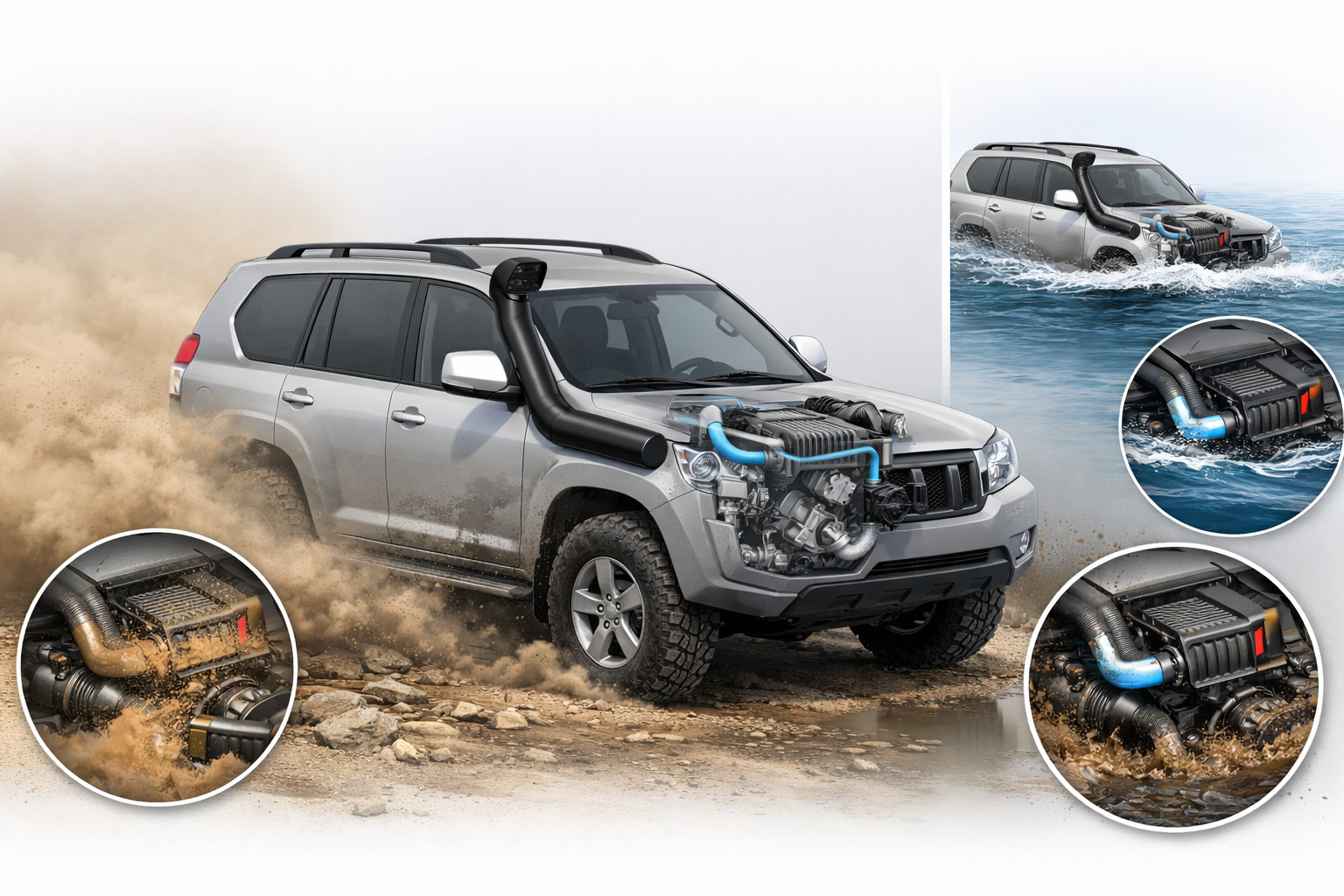
| Wading depth | 800 mm |
| Off-road angles | approach 26.9–30.5°, departure 19.0–25.3°, ramp-over 23.3–24.3° |
| Cargo bed | length 1570–2550 mm, width 1530–1777 mm, depth 490–500 mm |
| Payload | 930–1350 kg |
| Braked towing | 3500 kg |
| Fuel tank | 76 L |
| Trunk | there is no separate enclosed trunk; it’s more practical to assess the bed dimensions or a setup with a canopy or roll cover |
For a pickup, trunk volume in liters is rarely meaningful, because usable space depends heavily on the bed, cab, and add-ons. With the D-Max, it’s more important to look at the real cargo area dimensions, side height, and whether you plan to cover the bed with accessories.
Interior, comfort, and safety
The D-Max interior is functional rather than refined. Depending on the version, there is an 8- or 9-inch touchscreen, a smaller or larger driver information display, and in higher trims—heated front seats and a better set of everyday conveniences. The seating position is high, visibility is good, and the controls are usually simple and straightforward.
On safety, the model is strong: 5 stars Euro NCAP and 5 stars ANCAP, autonomous emergency braking, lane keeping, a center airbag, and other electronic assistants. For a vehicle that often carries loads or spends time on the highway, this matters no less than the traction and weight figures themselves.
Everyday use
In daily driving, the D-Max wins with practicality. The high seating position, large 76 L tank, useful towing up to 3.5 t, and payload up to 1350 kg make it a convenient tool—if the vehicle actually works. Official fuel consumption figures depend on market and version, but in real mixed use it’s reasonable to expect higher numbers than the minimum on paper.
The compromises are also typical for the class: a 12.5 m turning circle doesn’t make it convenient in tight yards, it can ride a bit harshly when empty, and the diesel is more noticeable than in more road-focused rivals. If 90% of your route is city driving without loads, an SUV is often a simpler solution. But if you have a trailer, building materials, equipment, or regular dirt-road runs, the D-Max makes a lot more sense.
Strengths and weaknesses
| Strengths | Weaknesses |
|---|---|
| Body-on-frame construction and high durability | Harsher ride without load |
| Up to 3.5 t towing and good payload | The diesel runs noisier and rougher than some competitors |
| Part-time 4WD, low range, locking | The cabin feels simpler in materials and overall impression |
| 5-star safety and modern electronic assistants | Real-world consumption is often higher than official |
| Wide options for outfitting for work and travel | For 2020–2023 vehicles, it’s worth separately checking recall completion related to the fuel hose |
On the used market, it’s useful to check service history, recall completion for 2020–2023 vehicles, and the condition of the front tires. There are complaints about accelerated wear and alignment issues, so inspecting the suspension and wheel alignment angles before purchase won’t hurt.
Tuning and accessories
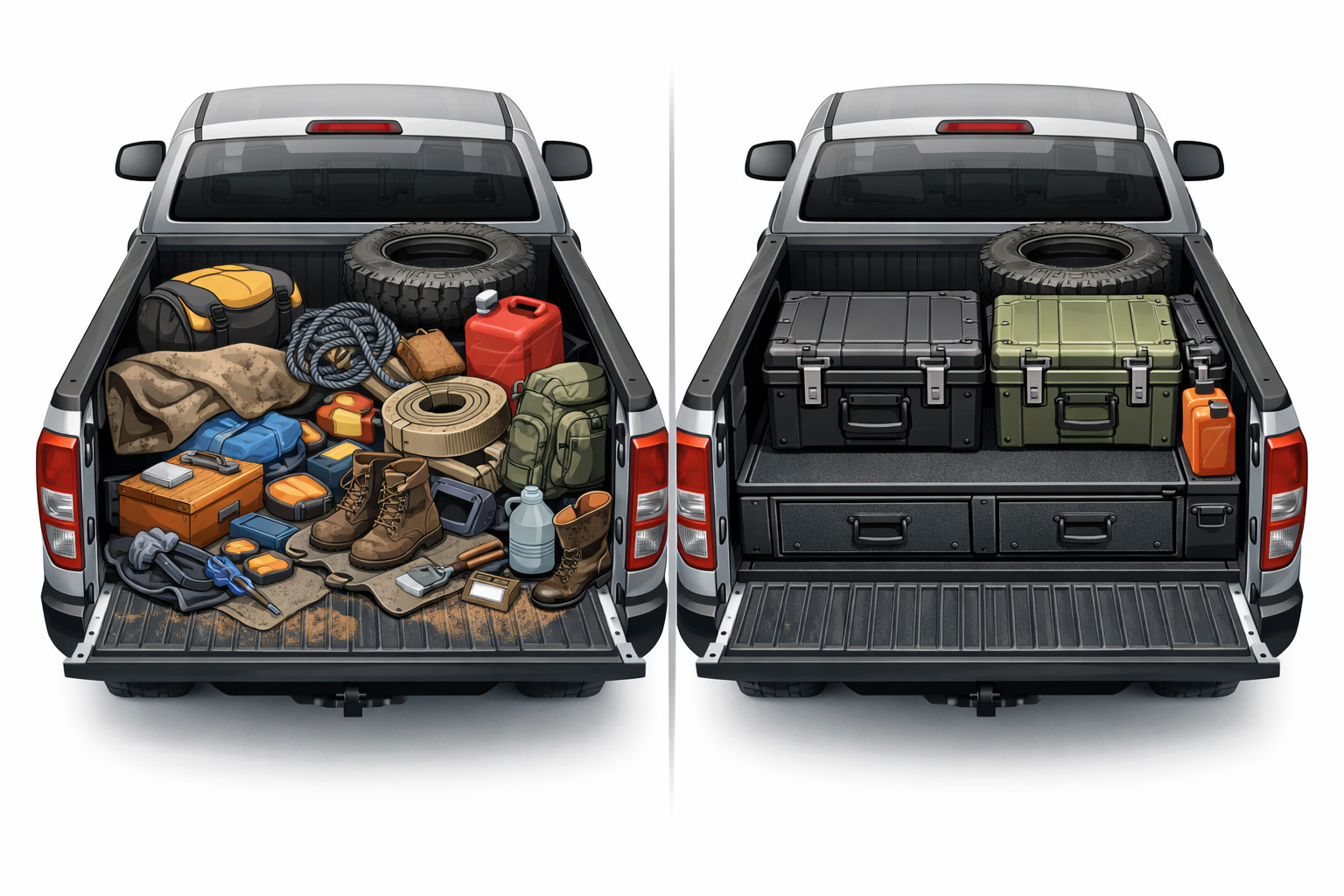
On the D-Max, accessories often genuinely change the use case. The same pickup can serve as an open hauler, an expedition vehicle, or family transport for trips, so it’s better to start not with décor, but with cargo protection, bed access, and basic day-to-day work convenience.
What to look at for this model
- Review of the new generation D-Max — quick context on the model itself if you’re choosing accessories for work or travel.
- Canopies — when you need a closed, dry compartment for tools, luggage, or camping gear.
- Roll covers for the bed — more practical for the city if quick access to the bed matters without losing protection from rain and dust.
Steel bumpers, auxiliary lighting, larger wheels, and other off-road upgrades only make sense after calculating weight. With a pickup, it’s easy to ruin the balance between capability, payload, and everyday usability if you install everything at once.
Conclusion
The new-generation Isuzu D-Max is a strong option for those who need a true body-on-frame pickup with honest work logic: tow, carry, drive on rough roads, and live with a cargo bed—not just have a tall vehicle for the city. It’s worth choosing for practicality, safety, and durability, not for car-like ride softness or cabin quietness.
If the vehicle is needed mainly for daily city trips without hauling tasks, it’s worth taking a sober look at other formats. This material is based on real selection experience, hands-on work with such vehicles, and real-world use cases, so the main conclusion is simple: the D-Max is good when its capabilities will actually be used.
Pros and cons
The ladder-frame construction, four-wheel drive with low-range gearbox, and strong geometric off-road capability make the D-Max suitable for dirt roads, construction sites, and trips off the asphalt.
The pickup is well suited to hard work: the stated towing capacity of up to 3.5 t and payload of up to 1350 kg let it haul a trailer and carry truly useful cargo.
The cabin does not aim for luxury, but it offers clear ergonomics, a high seating position, and modern safety assistants, including automatic emergency braking and lane control.
For long trips and work on the road, the large 76-liter fuel tank and good visibility from the driver’s seat are useful.
The model is easy to adapt for specific tasks: a canopy, roller cover, bed protection, and other accessories can really change its use case.
When unloaded, the D-Max rides harsher than a regular SUV, so comfort in the city and without cargo will be average.
The diesel engine runs noisier and rougher than some competitors, and the cabin and sound insulation do not hide the model’s utilitarian nature.
Its dimensions and 12.5 m turning circle make the pickup not the most convenient in tight yards and heavy city traffic.
Real fuel consumption may be higher than the official figures, especially in mixed driving and when carrying a load.
On the used market, you should separately check recalls for 2020–2023 vehicles and the condition of the front tires, as complaints about their wear and alignment are mentioned.