25.08.2026
175
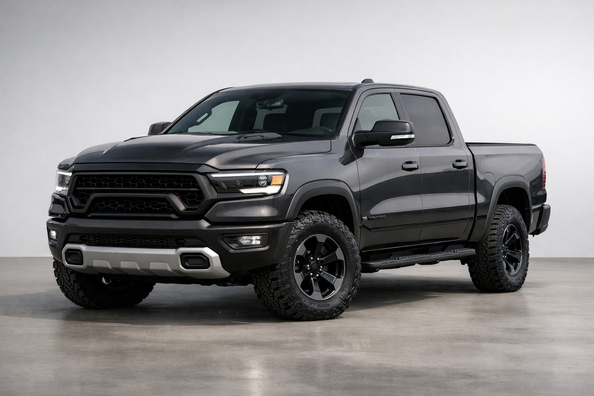
The new-generation Ram 1500 is a full-size pickup for those who truly need a large bed, strong towing capability, and long-distance comfort. Its strength isn’t city versatility, but the blend of a work-ready format with an almost passenger-car-like ride on the highway—especially in well-equipped trims.
This model suits owners of trailers, boats, ATVs, building materials, or simply anyone who regularly uses the bed as intended. If you need a vehicle for daily short trips, tight courtyards, and parking garages, the Ram 1500’s dimensions will start to annoy you quickly.
The Ram 1500 plays in the class of big American pickups and competes not with midsize models, but with other full-size trucks. It’s valued for a softer rear suspension than many rivals, a roomy cabin, and a wide range of versions—from basic work trucks to expensive, near-premium trims.
On the market, it’s one of the most comfortable pickups for highway driving and long trips. But you pay for that with size, weight, fuel costs, and more expensive tires, brakes, and servicing compared to a crossover.
The current fifth-generation Ram 1500 with the DT index was introduced in 2018, and it’s what people usually mean when they talk about the “new” Ram 1500. In some markets, the previous Ram 1500 Classic was sold in parallel for a while, so on the used market it’s important not to mix these trucks up: they differ in body, interior, and hardware.
Within the generation, the model received various versions—from basic work trims to off-road and sport-oriented ones. TRX stands apart: it’s not just a rich trim level, but a very specific high-performance version with a completely different character and running costs.
On the new-generation Ram 1500, the engine lineup varied depending on the year and the market. So when choosing, it’s important to look not only at the model name, but also at the specific model year and version.
| Engine | Power | What you should know |
|---|---|---|
| Gasoline V6 3.6 | 305 hp | Base engine; on many versions it works with a mild-hybrid system |
| Gasoline V8 5.7 | 395 hp | The best-known option in the lineup; good torque reserve, available with and without mild-hybrid |
| Diesel V6 3.0 | 260 hp | Interesting for long trips and towing, but not available in all markets |
| Supercharged V8 6.2 | 702 hp | Fitted to the TRX; it’s an emotional standalone version, not a rational choice |
| Inline “six” 3.0 with twin turbos | 420 or 540 hp | Typical for later updates; availability depends on model year |
Most versions of this Ram 1500 generation use an 8-speed automatic transmission. Drive can be rear-wheel or four-wheel. For everyday mixed use, people most often look at the V6 3.6 or V8 5.7, while the exotic versions are chosen for very specific scenarios.
The Ram 1500 comes with different cab types and different bed lengths, so the raw numbers here always depend on configuration. For a pickup, it’s more accurate to evaluate not the “trunk” but the bed itself: its volume and length determine how genuinely useful the truck is in daily life or work.
| Parameter | Reference for the DT generation |
|---|---|
| Production years | since 2018 |
| Body type | full-size pickup |
| Length | approx. 5817–6142 mm depending on cab and bed |
| Width | about 2085 mm excluding mirrors |
| Wheelbase | 3569–3899 mm |
| Ground clearance | about 210 mm in standard versions; on versions with air suspension the height changes |
| Bed volume | approx. 1526–1742 L depending on bed length |
| Suspension | rear coil springs; air suspension is available on some versions |
It’s the chassis that strongly distinguishes the Ram 1500 from some competitors. Rear coils deliver a better empty ride, and the air suspension adds comfort and the ability to change ride height. The downside is simple: the more complex the version, the more carefully you need to watch suspension condition and budget for repairs.
The Ram 1500’s interior is one of the reasons people buy this model not only for work. In higher trims there’s a lot of space, wide seats, generous rear-legroom, and the feel of a big road-going vehicle rather than a purely utilitarian pickup.
Equipment level depends on the version: in basic trims the cabin is fairly straightforward, while in upscale ones you get a large screen, better materials, seat ventilation, good audio, and a broad set of electronic assistants. Safety tech can include automatic braking, blind-spot monitoring, lane keeping, adaptive cruise control, and a surround-view camera, but not every truck has all of this from the factory.
In daily life, the Ram 1500 is enjoyable on the highway—stable at speed and comfortable on long hauls. The large interior, wide cab, and softer suspension genuinely benefit the owner if the truck often travels between cities or tows a trailer.
In the city, it’s a different picture. Length over five and a half meters, width, a high hood line, and not-so-friendly parking make ordinary errands less simple. If the bed is used once every few months and there’s no trailer, the practical point of this format becomes questionable.
Another point is costs. Even base versions can’t be called cheap to run, and the V8—and especially the TRX—requires readiness for more serious spending on fuel, tires, and brakes.
For Ram 1500 owners, it usually either “clicks” quickly or it doesn’t. If you truly need a big pickup, the model offers plenty of comfort and capability. If you bought it more with your eyes than for your tasks, disappointment comes from the size and running costs.
| Strengths | Weaknesses |
|---|---|
| Comfortable ride for its class | Very large dimensions for daily city use |
| Spacious interior and a large second row | High fuel consumption in powerful versions |
| Wide choice of engines and versions | On the used market it’s easy to confuse DT and Classic |
| Useful bed and strong towing | More expensive tires, brakes, and suspension than a typical crossover |
| High trims are truly comfortable for long trips | Not every version is equally suitable for city driving and tight parking |
From a practical point of view, the main plus is that the Ram 1500 doesn’t force you to put up with purely cargo-truck behavior on the road. The main minus is that it demands an honest answer to whether you need a full-size pickup every day, not just a few times a year.
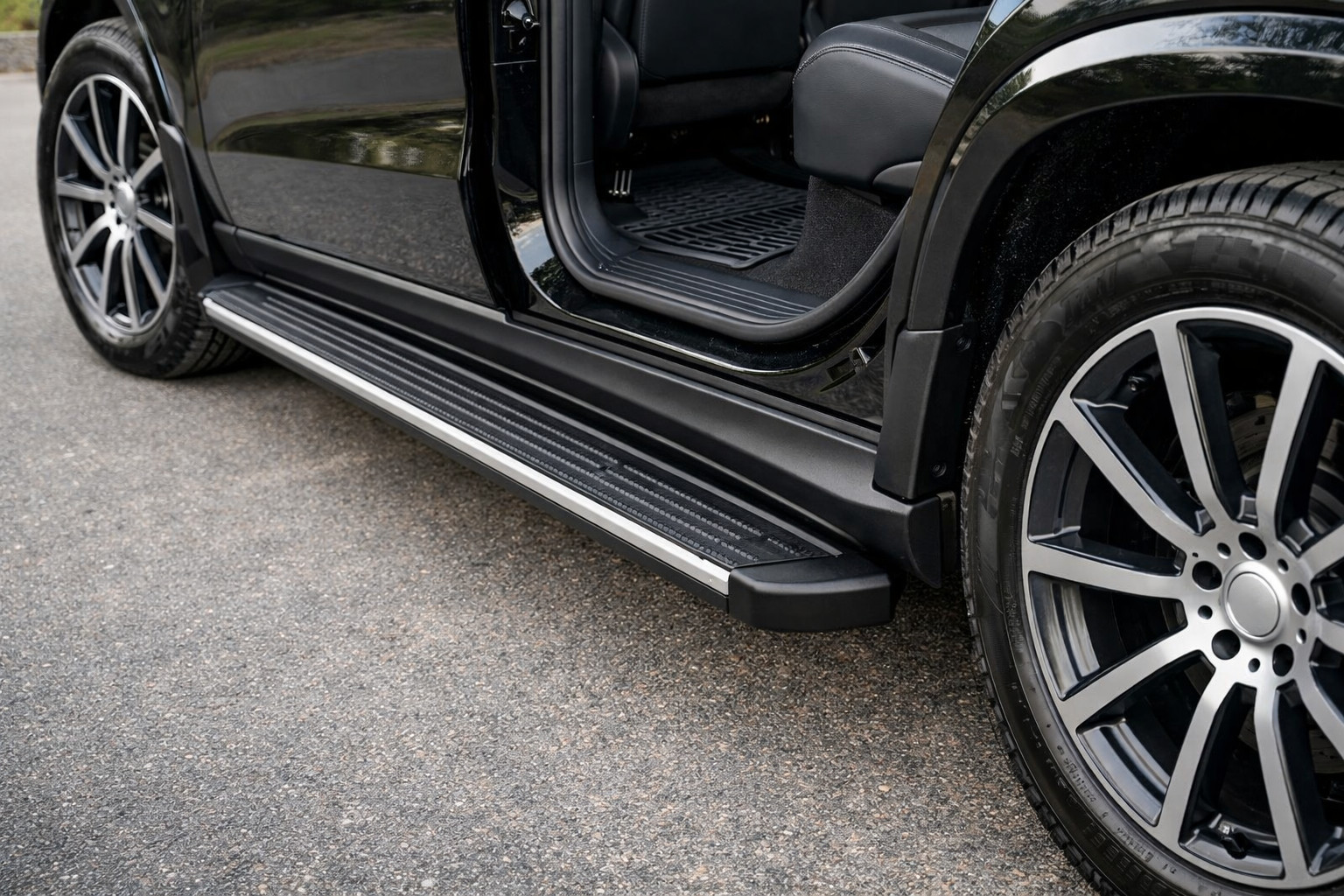
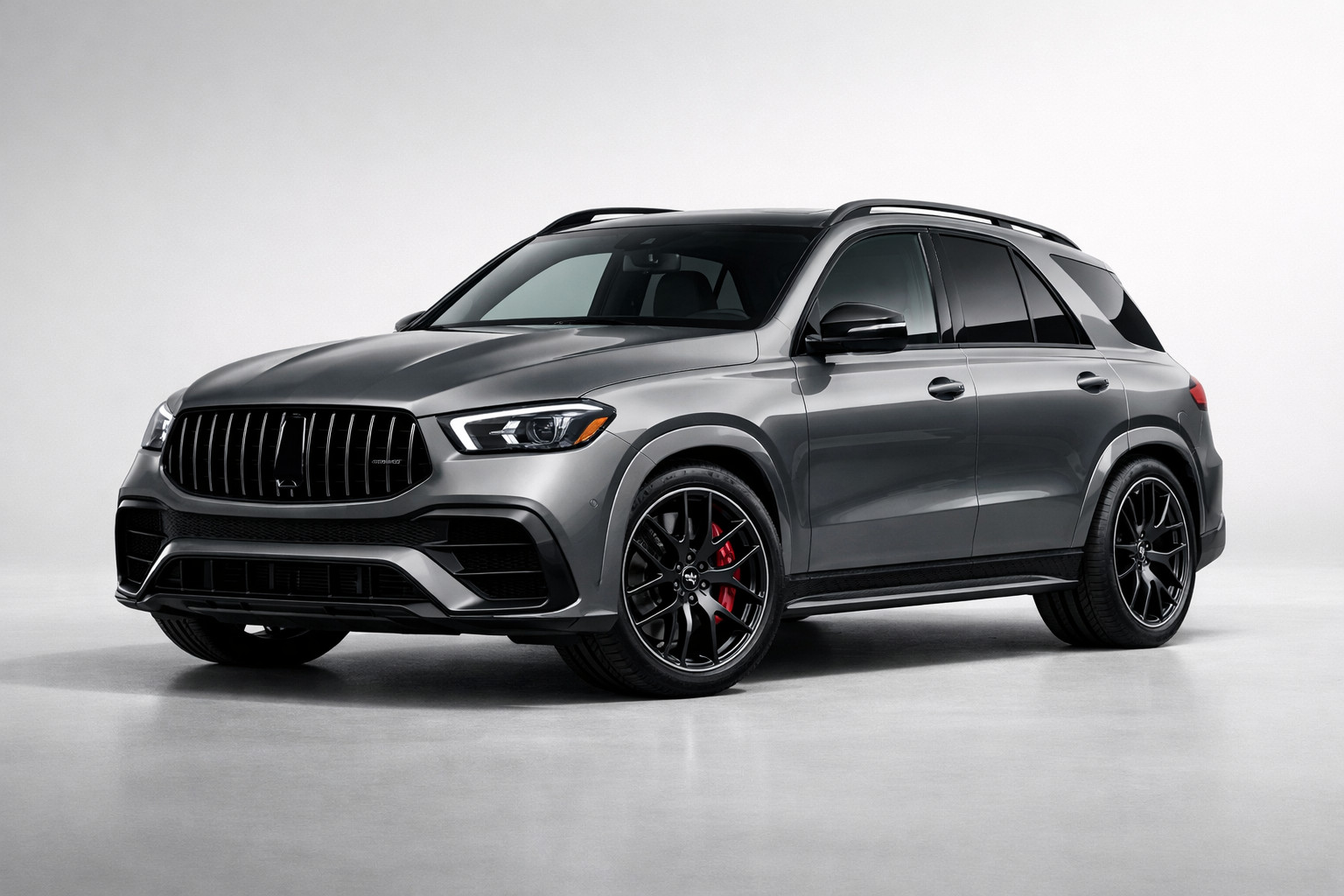
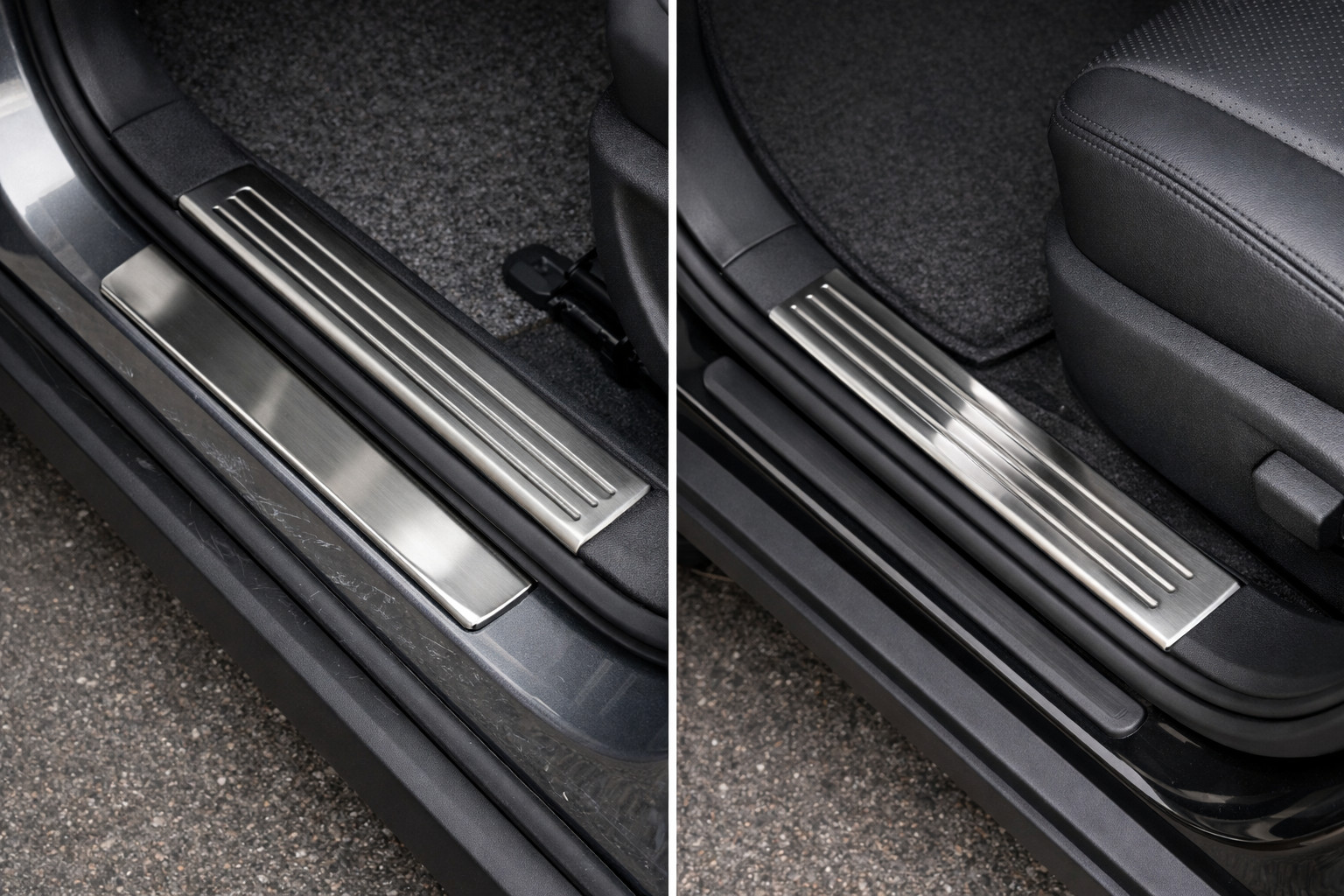
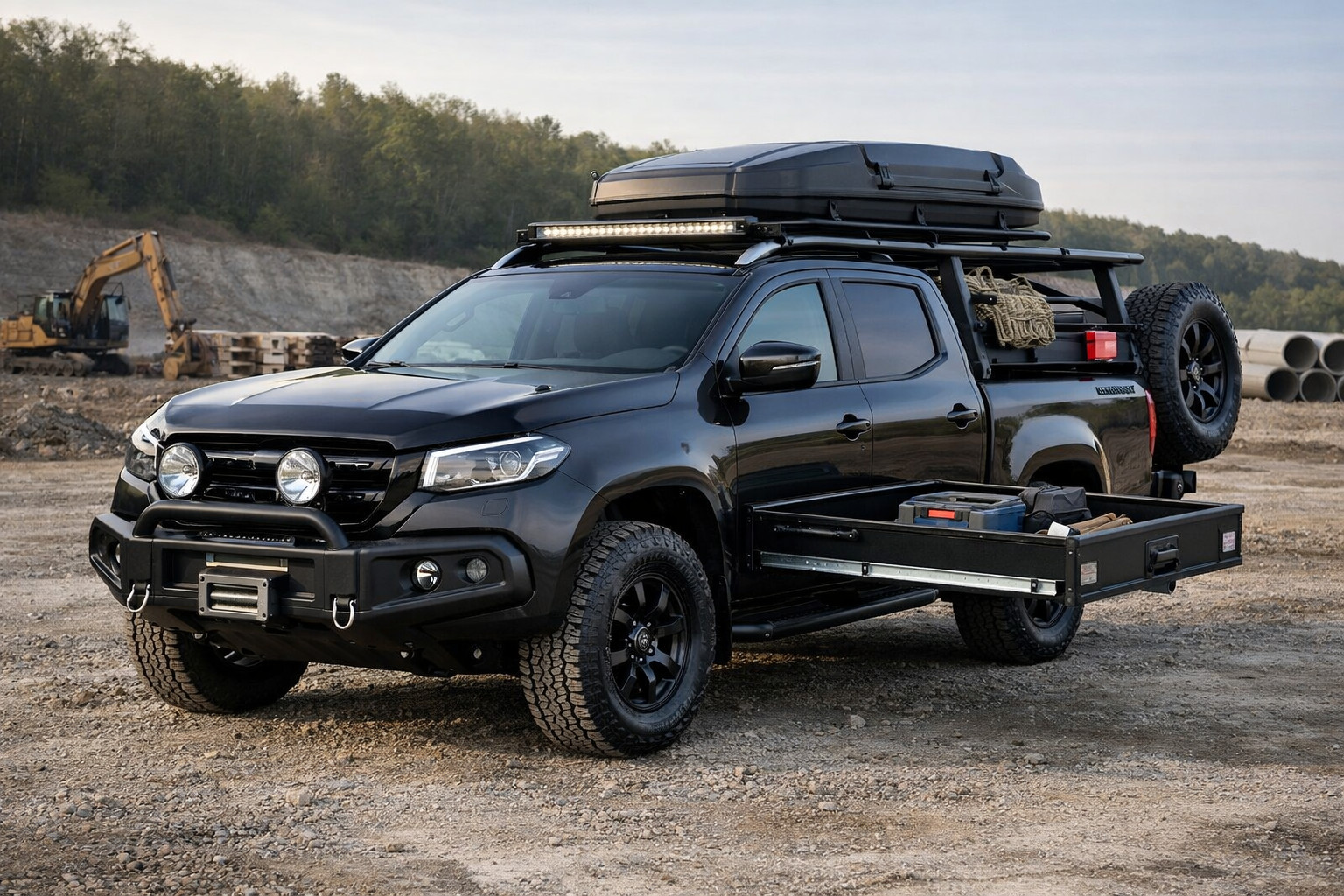
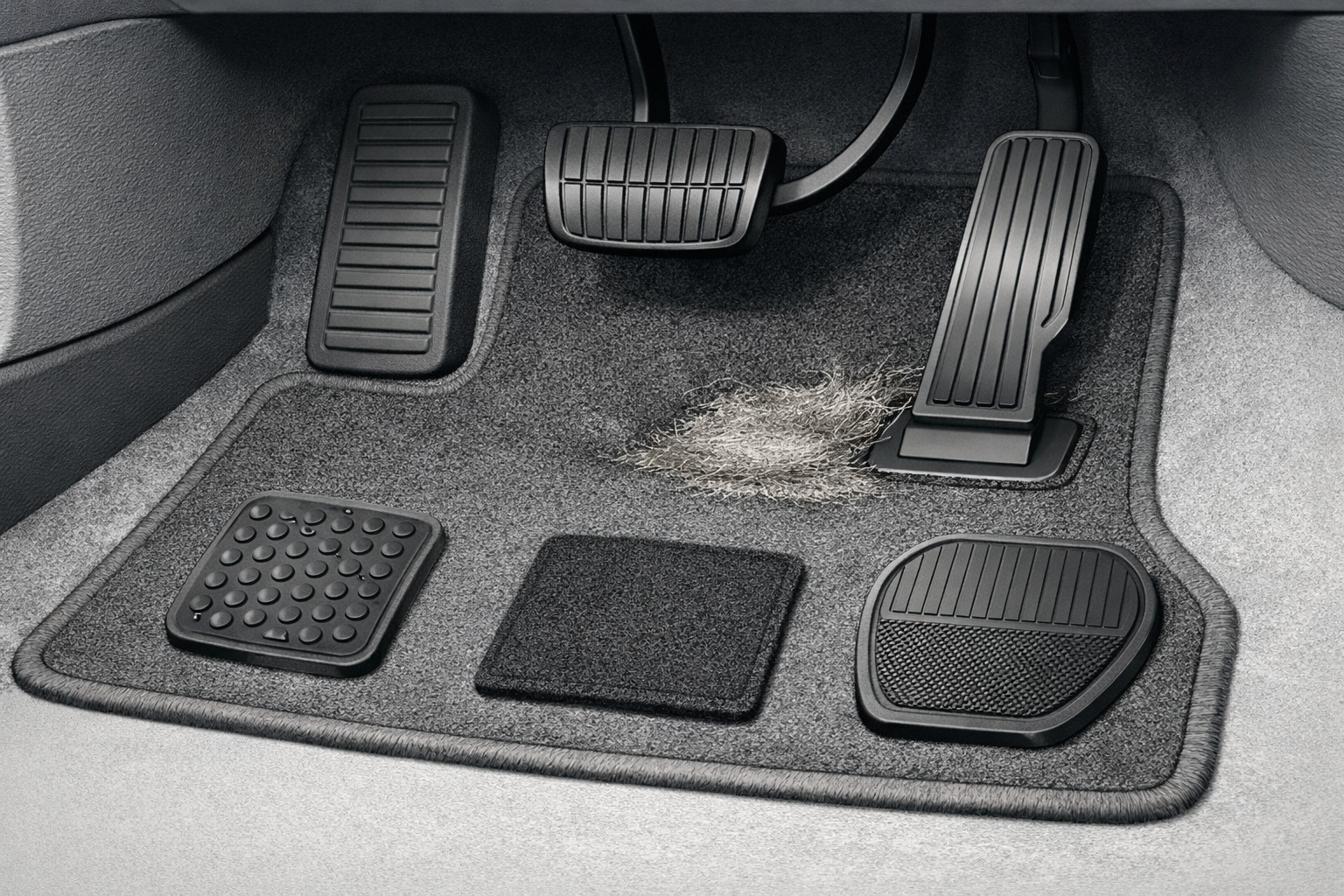
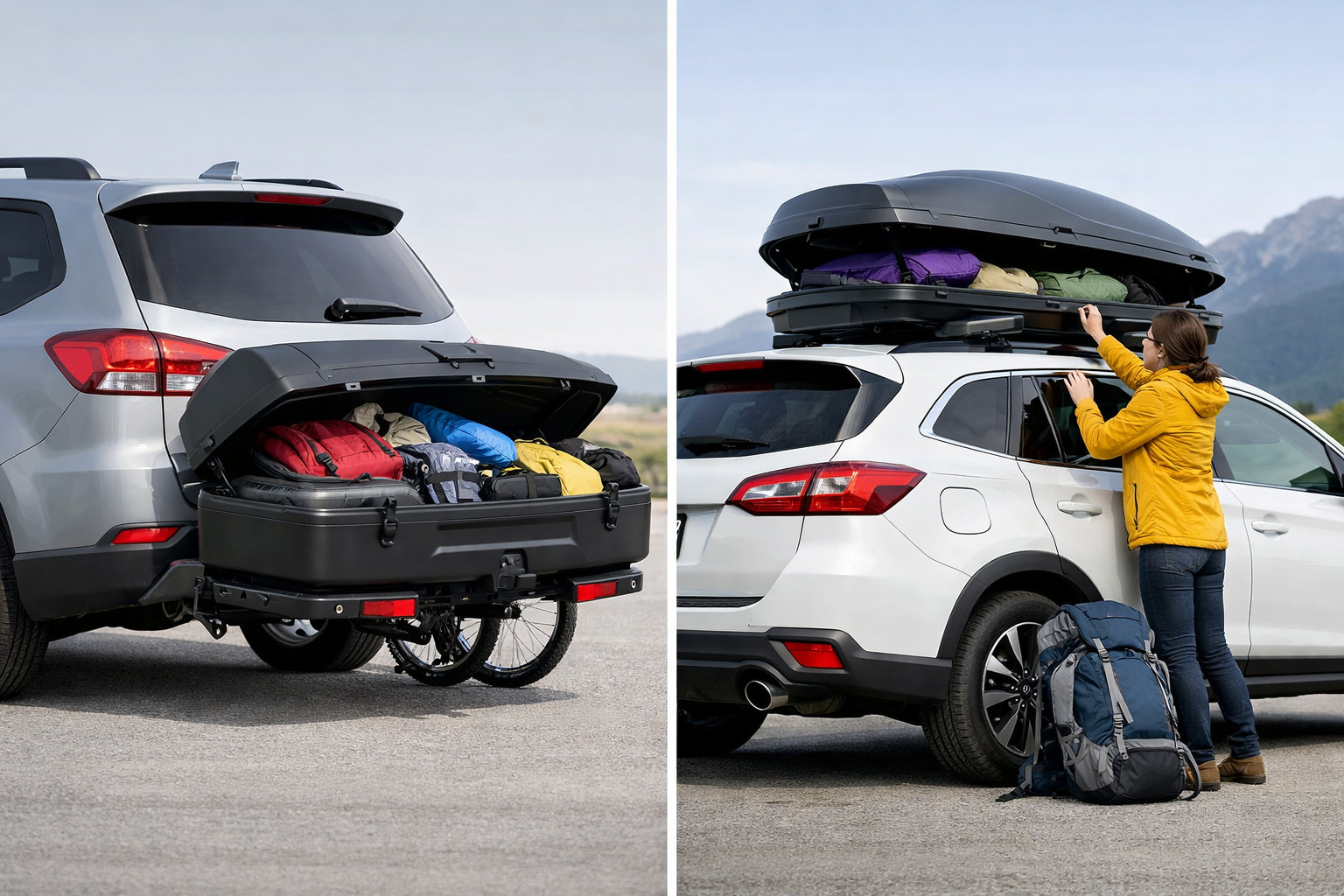
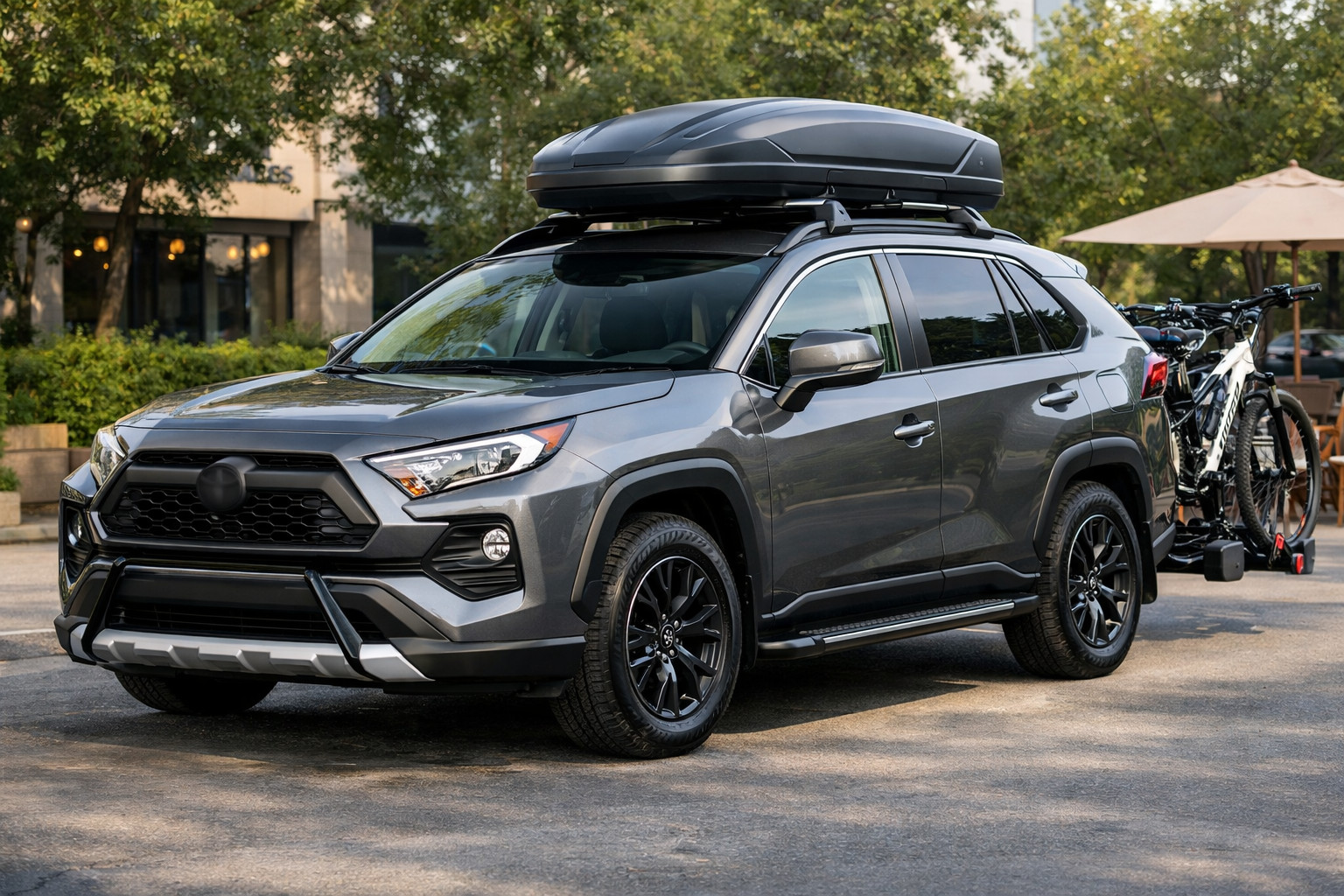
For the Ram 1500, accessories make sense when they solve a specific task: easier entry, body protection, or better cargo-bed organization. Before choosing, it’s useful to double-check your configuration with the review of the new-generation Ram 1500, because bed length, body height, and step type depend on the version.
Decorative items make less sense if the truck constantly carries cargo or often leaves the pavement. For the Ram 1500, functional tuning works better than parts that only add weight or complicate access to the bed.
The new-generation Ram 1500 is a strong option for those who need a big pickup with a comfortable chassis, a spacious interior, and a genuinely useful bed. It’s worth buying for a clear scenario: towing, hauling, long-distance travel, an active lifestyle. For city use without these tasks, it’s simply too large and not a cheap format.
The most important thing when choosing is not to buy the name, but to select a specific configuration: the DT generation, the right engine, bed length, suspension type, and the truck’s real condition. This material is based on real selection experience, practical know-how, and real-world use cases.
| ✔ | Comfortable ride for its class: the Ram 1500 smooths out bumps better than many other full-size pickups, especially on the highway. This is noticeable on long trips and when the vehicle often carries passengers. |
| ✔ | A spacious cabin and a large second row make the model convenient not only for the driver, but also for passengers. In higher trims, the interior already feels like a large road car rather than a purely work vehicle. |
| ✔ | A wide range of engines and trims makes it possible to choose a version for specific tasks — from a basic workhorse to a powerful or off-road one. This makes choosing easier for those who need not a universal compromise, but a clear usage scenario. |
| ✔ | A useful cargo bed and good pulling power make the Ram 1500 practical for towing, hauling trailers, boats, or building materials. For work and active everyday use, this is one of the key arguments in favor of the model. |
| ✔ | Well-equipped trims are genuinely comfortable over long distances: there is a large screen, better materials, ventilated seats, and a set of electronic assistants. In such versions, the pickup is less tiring on the road. |
| ✘ | Very large dimensions make everyday city use more difficult. In narrow yards, parking lots, and tight passages, the Ram 1500 quickly starts to get in the way simply because of its size. |
| ✘ | Ownership costs are higher than those of a regular crossover, even in base versions. In more powerful variants, you also get expensive tires and brakes, plus noticeably higher fuel consumption. |
| ✘ | On the used market, it is easy to confuse the Ram 1500 DT and Classic, even though these are different vehicles. Because of this, there is a risk of getting the body, interior, and technical specs wrong when buying. |
| ✘ | Not every version is equally well suited for the city and narrow parking lots. If the platform is used rarely and there is no trailer, the practical value of such a pickup becomes questionable. |
Shipping to EU
Wholesale and retail
Own warehouse
Опис продукту
Подарунки не надаються при оформленні покупки у кредит під 0,01% або при покупці частинами.