20.07.2026
679
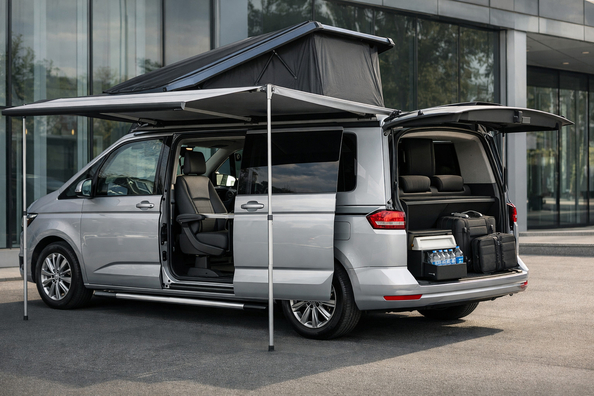
This upgrade package is for those who use the Volkswagen Caravelle T7 for transfers, corporate trips, family routes, or a mixed mode where the vehicle constantly carries passengers, suitcases, child seats, and sees frequent boarding and exits. The main goal here is not to “decorate” a big minivan, but to make it durable for daily work, easy to clean, and comfortable for people.
The Caravelle T7 already comes from the factory with plenty of useful features: a large digital cluster, a camera, parking sensors, climate control for the front and rear of the cabin, and modular seats. So the smartest order is: first protection and practicality, then things for passenger comfort, and only after that everything that’s more about appearance. Separately, consider whether you have the L1 or L2 wheelbase, the Life or Style trim, and the specific market, because equipment levels and accessory compatibility differ.
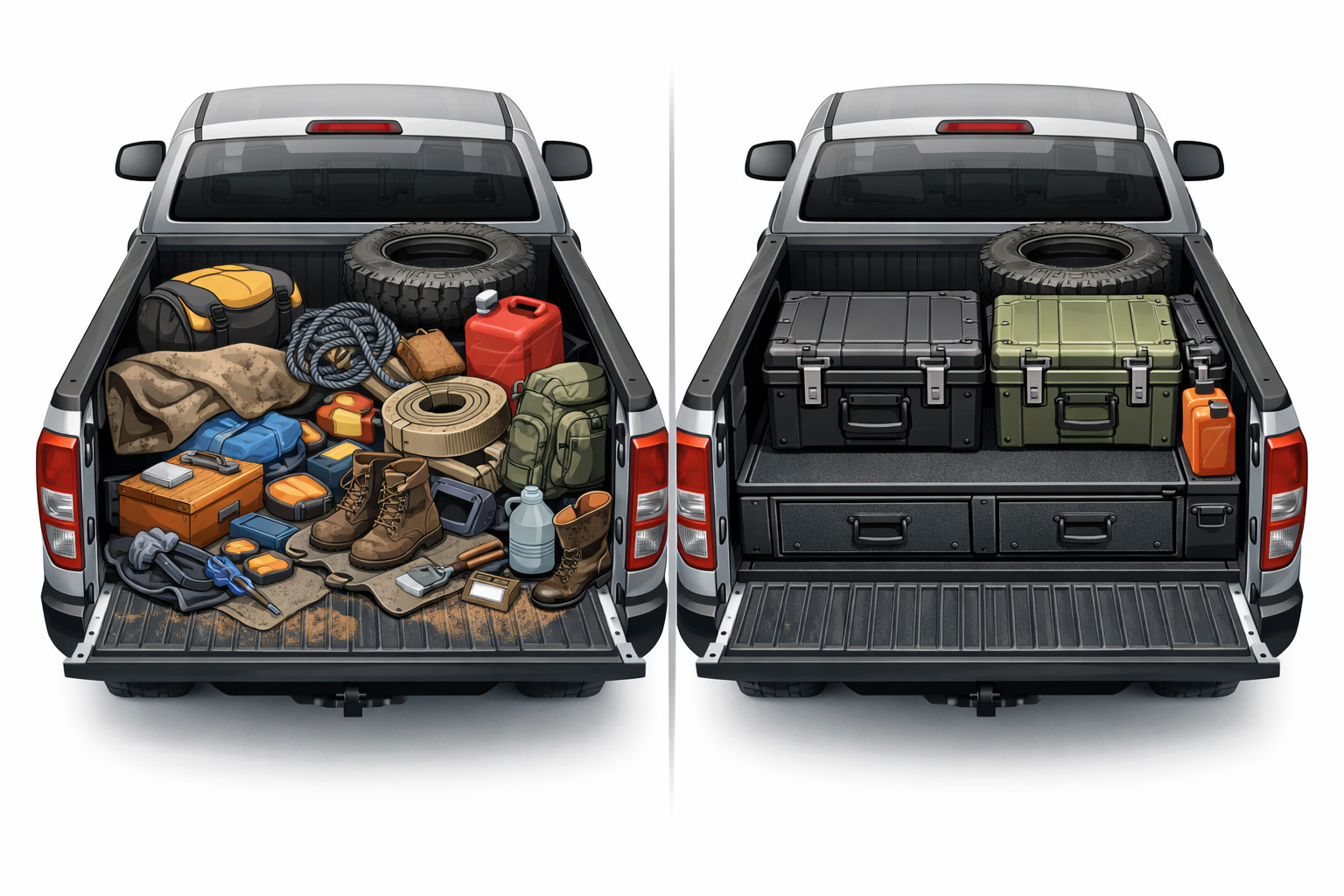
For business use and passengers, a Caravelle T7 needs to cover three things: fast daily cleaning, protection of the interior from constant foot traffic, and proper luggage organization. This is exactly where the vehicle gets the most small damage: dirt on the floor, scratches on the door sills, a scuffed trunk edge, marks from bags and carts.
The second task is not to duplicate what the car already has. If your version comes with front and rear parking sensors, a camera, rear climate, and tinting for certain zones, spending your first money to repeat these functions is simply not cost-effective. For the long L2 wheelbase and 8–9 seats, the protection priority is even higher, because the load on the cabin and cargo area is noticeably greater.
The first stage should be as down-to-earth as possible: everything that takes the dirt, impacts, and daily wear. These are upgrades that work from day one and don’t depend on whether you’re carrying clients, children, or colleagues.
If the vehicle is already well equipped from the factory, this package is enough to feel a real effect without unnecessary spending. That’s exactly why starting with spoilers, decorative exhaust tips, or expensive wheels in this scenario doesn’t make sense.
| Upgrade | Why it’s needed | Who truly benefits |
|---|---|---|
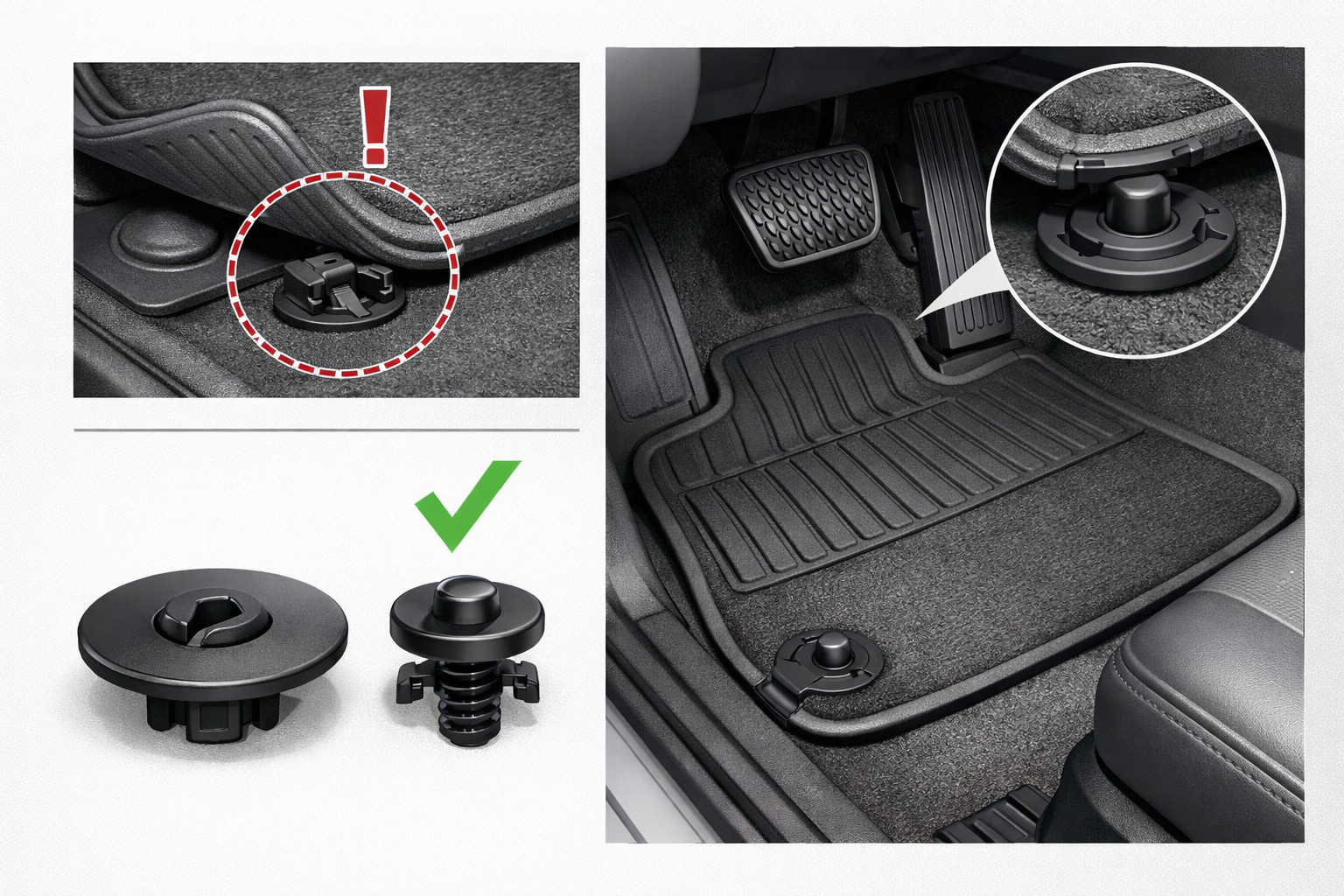
| Rubber floor mats or a rubber floor covering | Contain water, dirt, and small debris, making maintenance easier | Anyone who carries people daily, children, or operates in shoulder seasons |
| Trunk liner | Protects the cargo floor from suitcases, boxes, strollers, and wet items | Transfers, families, those who often travel with lots of luggage |
| Sill and rear bumper protection | Reduces the risk of scratches in constant-contact zones | Vehicles with intensive passenger boarding and exits |
| Dash cam | Records road situations and helps resolve incidents | City shuttles, corporate cars, families with frequent trips |
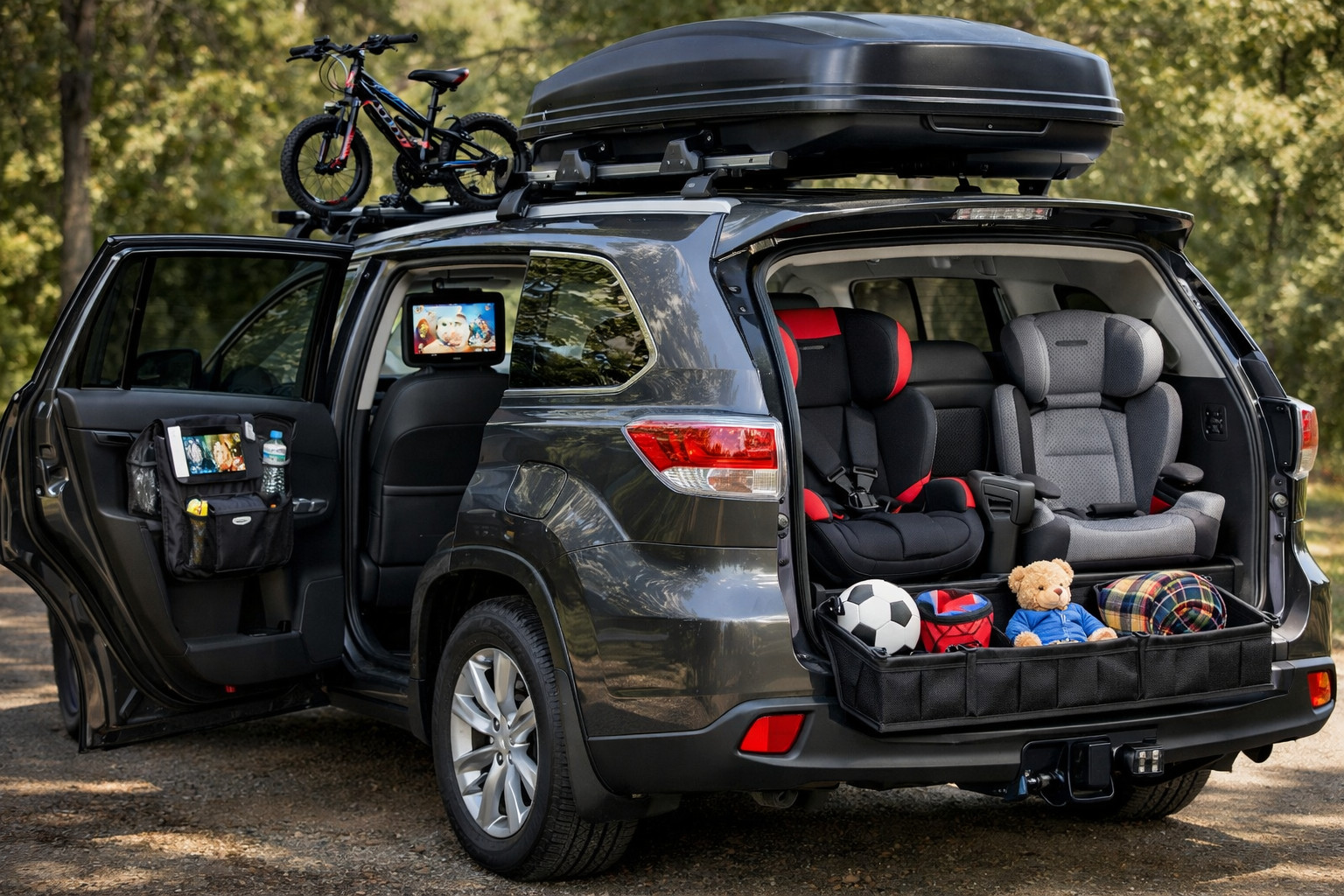
| Roof rails, roof box, bike mounts | Add extra capacity when the cabin and trunk are already occupied by passengers | Airport transfers, travel, active leisure |
| Tow bar | Enables using a trailer or platform for a specific scenario | Those who actually tow or regularly carry extra gear |
| Tablet holder, table, hooks, hanger | Make the second and third rows more comfortable on long trips | Families, transfers with kids, passenger trips lasting several hours |
DD Tuning expert comment: the most common mistake with the Caravelle T7 is buying something that looks great in photos but solves no daily task. The second typical story is ordering a universal accessory without checking the wheelbase, rear door type, or whether a tow bar is installed. And one more miss: paying extra for parking solutions even though, in a given trim, they’re already factory-fitted.
The second stage starts when the basic protection is already in place and it’s clear how the vehicle lives day to day. If the Caravelle regularly carries lots of suitcases, sports equipment, or runs transfers at full occupancy, then roof rails, a roof box, bike mounts, or a tow bar make sense. If it’s mostly a city passenger minivan without unusual cargo, you can easily postpone these items.
For passenger comfort, in the second stage it’s worth looking at small things people actually use: tablet holders, a clothes hanger, bag hooks, a folding table. In a family or corporate mode, they provide more value than yet another decorative body add-on.
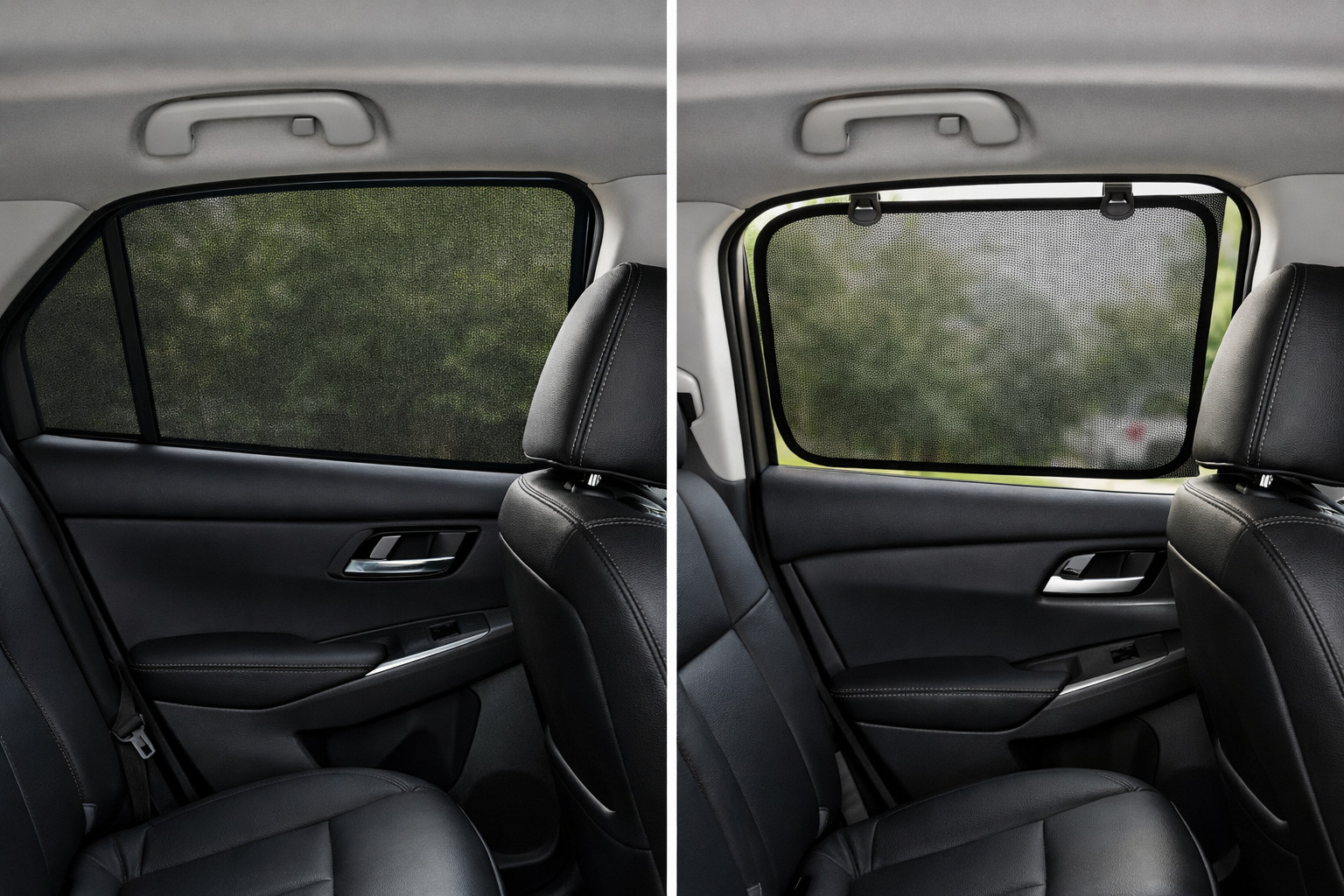
In this group I’d include sun shades, additional cabin organizers, and anything that affects the feel of the trip more than the vehicle’s wear resistance. These are fine purchases, but only after the floor, trunk, and passenger contact zones are covered.
Separate but in the same category are wheels, spoilers, chrome trims, decorative side steps, and other exterior details. On the Caravelle T7 they can look appropriate, but for business and passengers they almost never deliver the same effect as simple protection for the interior and cargo area.
Most often, people waste money on things that aren’t tied to the use case. The first example is an additional parking kit for a vehicle that already has a camera and parking sensors. The second is expensive exterior parts before the sills, bumper, and trunk are protected. The third is accessories without checking compatibility by L1 or L2 wheelbase, door type, spoiler, or an already installed tow bar.
Another area of overpaying is options that promise more convenience than they actually deliver in your specific mode. For example, if the vehicle isn’t used for premium transfers and doesn’t have extremely frequent boarding/exiting, some expensive comfort add-ons don’t need to be installed right away. The Caravelle T7 already has a strong factory baseline, so it’s important not to buy “just in case.”
| Install first | Can be postponed | Not essential |
|---|---|---|
|
|
|
More expensive solutions make sense when the Caravelle T7 is used as a tool, not just as a big family vehicle. If you have regular transfers with lots of suitcases, long trips with a full load, bikes, gear, or towing work, then a tow bar, roof systems, and more complex carrying solutions are justified. For e-Caravelle and different market versions, it’s especially important to verify this against the specific configuration rather than a general catalog.
Before spending that money, it’s worth checking the base equipment in the Caravelle T7 review, comparing the passenger scenario in the family trips article, and for business context taking a look at the Transporter T7 review. That way it’s easier not to overpay for what Life or Style already includes, and not to make a compatibility mistake.
From a customer’s experience: in the mixed scenario “weekday transfers, family trips on weekends,” the best result came not from expensive exterior tuning, but from a simple interior protection package. First they installed rubber mats, a trunk liner, rear bumper protection, and a dash cam, and only then added a roof solution for seasonal trips. As a result, the vehicle became quicker to clean, wore less, and didn’t require unnecessary spending on things used rarely.
For the Volkswagen Caravelle T7 in a “business plus passengers” scenario, the right upgrade almost always starts with practicality: protection for the floor, trunk, sills, and control of road situations. After that, it makes sense to look at cargo systems, a tow bar, and small comfort items for the second and third rows. Everything related to appearance is logical to push to the end of the list.
This approach reduces unnecessary costs and helps build the vehicle for real work, not for a catalog. The material is based on real selection experience, practical know-how, and real use cases where the key isn’t shine, but what saves time, money, and interior wear every day.
| ✔ | Rubber floor mats or a rubber floor really make daily cleaning easier after passengers, dirt, water, and snow. For a car that’s constantly in use, this is a more practical investment than decorative upgrades. |
| ✔ | The trunk tray protects the floor from suitcases, bags, strollers, and wet items. This is especially useful for transfers, family trips, and carrying luggage without unnecessary interior wear. |
| ✔ | Sill and rear bumper protection reduces scratches in the areas that suffer most from getting in and out and loading items. For intensive passenger use, this has a noticeable long-term effect on preserving the bodywork. |
| ✔ | A dash cam is useful in the city and during commercial trips, where disputed situations happen more often. It does not duplicate factory equipment, but covers a separate practical need. |
| ✔ | Cargo solutions such as roof rails, a roof box, bike mounts, or a tow hitch make sense when the cabin and trunk can no longer handle the actual amount of stuff. This allows the car to be adapted for transfers, travel, or work with a trailer. |
| ✘ | The package can easily be overloaded with purchases that do not solve everyday tasks, such as spoilers, chrome trim, or expensive wheels. In this scenario, such spending pushes practical upgrades aside, even though they are less useful. |
| ✘ | There is a risk of duplicating existing factory equipment, including parking solutions or some comfort options. If you do not check the trim level, you may pay for something that is already installed from the factory. |
| ✘ | Many accessories need to be matched to a specific L1 or L2 base, door type, and even a particular market. Without checking compatibility, there is a chance of buying something that will not physically fit or will not deliver the expected effect. |
| ✘ | Some useful but non-priority items have to be postponed to the second stage, because first you need to cover the floor, trunk, and contact areas. This means the desired comfort for passengers cannot always be achieved right away. |
Shipping to EU
Wholesale and retail
Own warehouse
Опис продукту
Подарунки не надаються при оформленні покупки у кредит під 0,01% або при покупці частинами.