 Author: Radomskyi Maksym Vasyliovych
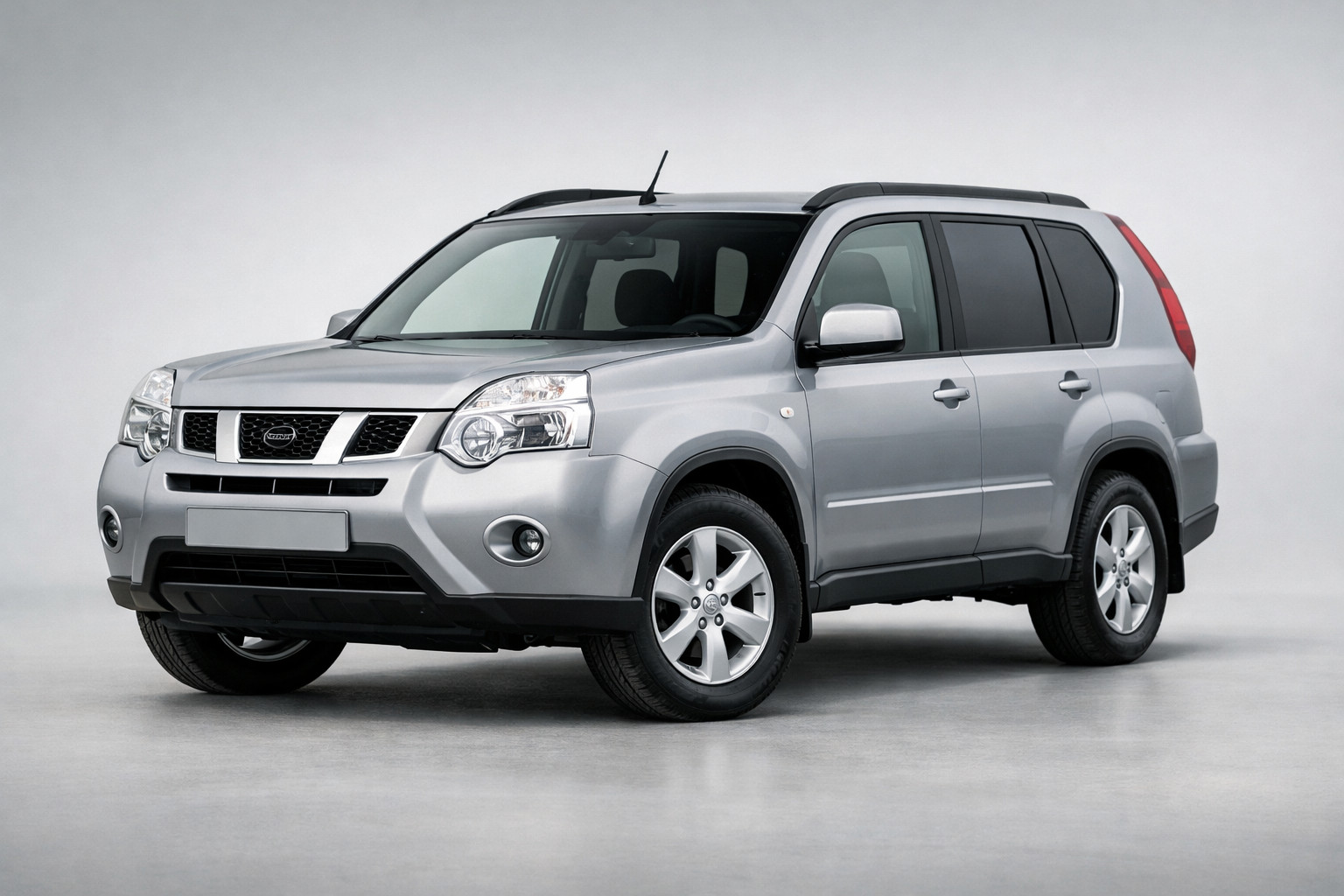
Nissan X-Trail T31 2007-2013, and in some markets and catalogs 2007-2014, is one of those used crossovers people choose not for fashion, but for functionality. It has a good body format, high ground clearance, a strong cargo area, and predictable highway manners. It still makes sense to buy one now if you need a family or travel vehicle and you’re ready to hunt for a well-kept example rather than simply the cheapest one.
The lowest risk is usually with cars that have a transparent history, a manual gearbox, and a healthy diesel or a gasoline version without the problematic CVT. It’s not worth going for a T31 if you need a totally worry-free automatic, you only drive short city routes, or you’re not ready for age-related bodywork and minor electrical repairs.
Model and its place in the market
T31 is the second generation X-Trail, positioned between urban crossovers and more utilitarian AWD models. On the used market it’s valued for practicality: the boxy body is convenient day to day, the trunk is large, and AWD versions genuinely provide extra capability for dirt roads, snow, and poor surfaces.
In character, this is not about excitement, but about calm long-term use. The T31 suits family life, the cottage, travel, sports, and hauling gear. It’s not the best choice for those who critically need a very spacious second row or effortless city parking.
Generations and model history
The T31 generation debuted in 2007 as a replacement for the T30. Officially the lifecycle is usually listed as 2007-2013, but some catalogs and markets show it through 2014. This matters when choosing parts: it’s better to rely on the VIN rather than only the year in the registration papers.
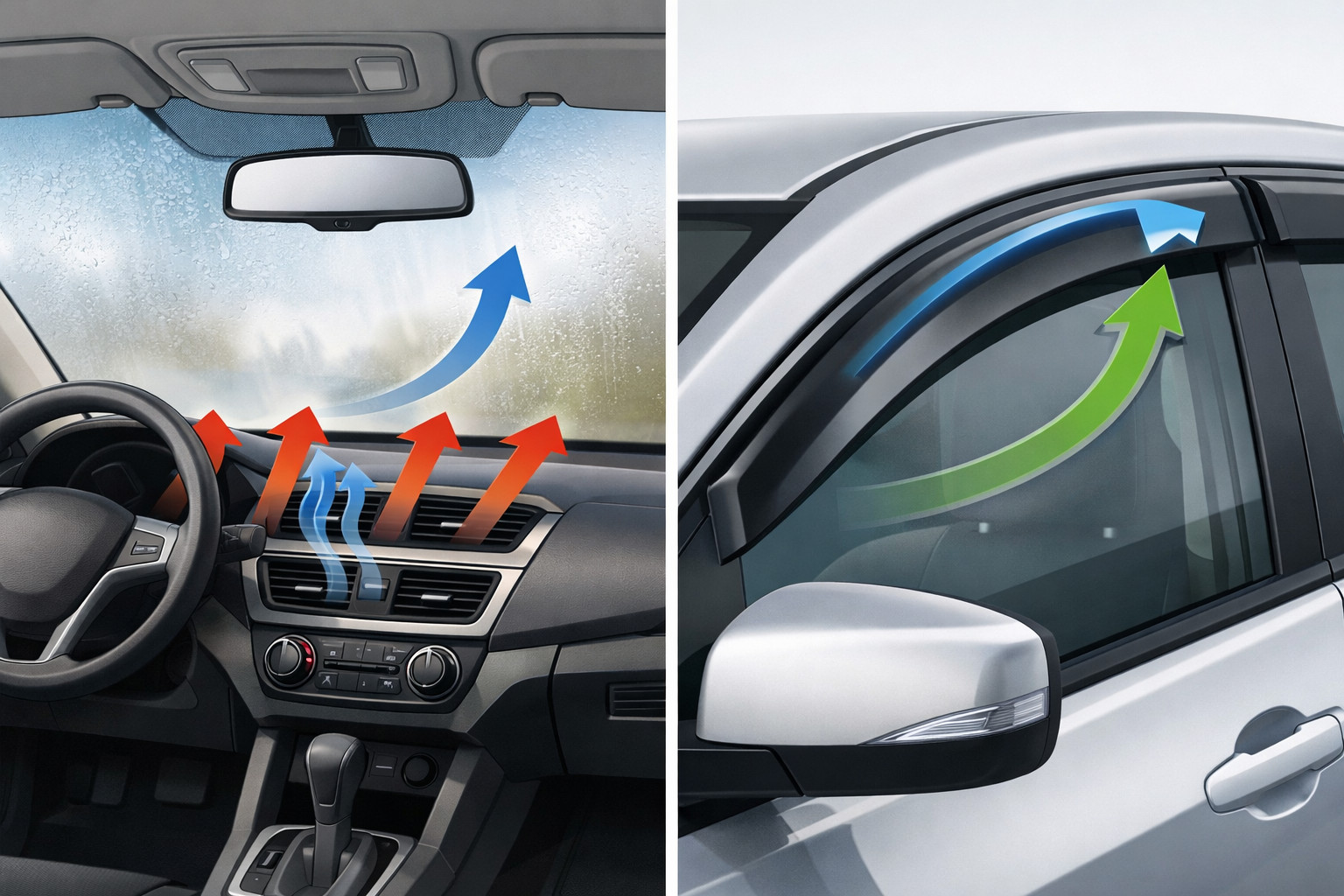
Over the production run, the model was updated. After the refresh, the front end was revised, cabin ergonomics and equipment were improved. The T31 itself was conceived as a crossover for active use, which is why it got a practical interior, water-repellent solutions in the cabin, and a two-level cargo-floor layout.
Engines and transmissions
For the T31, you’ll realistically encounter the 2.0 gasoline with 141 hp, the 2.5 gasoline with 169 hp, and the 2.0 dCi diesel with 150 or 173 hp. The gearbox lineup depended on the market: there were a 6-speed manual, a 6-speed automatic, and a CVT. Drivetrain also varied: some cars are front-wheel drive, some are all-wheel drive.
| Version | Power | Gearboxes | Practical takeaway |
|---|---|---|---|
| 2.0 gasoline | 141 hp, 196 N·m | 6-speed manual or CVT | A calm base engine, but with the CVT it requires especially careful inspection. |
| 2.5 gasoline | 169 hp, 233 N·m | 6-speed manual, all-wheel drive | Feels more lively, but fuel consumption is noticeably higher. |
| 2.0 dCi | 150 hp, 320 N·m | 6-speed manual, all-wheel drive | One of the most interesting options for highway driving and torque, if there’s a service history. |
| 2.0 dCi | 173 hp, 360 N·m | 6-speed manual or 6-speed automatic depending on the market | The best torque reserve, but mistakes with the turbo, DPF, and fuel system cost more. |
Put simply, a gasoline manual is more straightforward for city use and short trips, while a diesel with a manual makes more sense for longer routes. A CVT doesn’t automatically mean a bad car, but it’s the component that most often ruins the purchase economics if its condition isn’t checked before the deal.
Body, dimensions, and suspension
By size, the T31 isn’t small: length 4630 mm, width 1781-1785 mm, height 1679-1685 mm, wheelbase about 2630 mm. Ground clearance of 201 mm still looks decent today. On asphalt the car feels composed, and on broken roads it isn’t afraid of what makes many city crossovers nervous.
| Parameter | Value |
|---|---|
| Generation | T31, mainly 2007-2013, in some markets 2007-2014 |
| Body type | Crossover, 5 doors, 5 seats |
| Wheelbase | 2629-2630 mm |
| Ground clearance | 201 mm |
| Trunk | 479-603 L depending on version and measuring method |
| Trunk with second row folded | 1651-1773 L |
| Fuel tank | 65.1 L |
| Towing capacity | 1300-2000 kg depending on version |
| Curb weight | 1482-1726 kg |
The weak point here isn’t the architecture itself, but the age of a specific body. Before buying, an inspection of the underbody, sills, and the overall condition of the anti-corrosion protection is mandatory. For a vehicle in this class, the T31 tows a trailer and carries payload reasonably well, but it’s not worth subjecting it to constant off-roading: it’s a practical crossover, not a body-on-frame SUV.
Interior, comfort, and safety
The T31’s interior is simple in design, but logical in daily use. The strong point is the cargo area: a two-level floor, good geometry, and convenience for tools, bags, kids’ items, or travel gear. The front seats are often praised for long-trip comfort, and road noise levels are frequently considered acceptable for the model’s age.
On the downside, the second row isn’t class-leading for legroom, especially compared with some rivals. For safety, it’s worth remembering that the European diesel version scored 4 stars in its time, which is decent for its era but no longer a benchmark by modern standards. Also check the operation of the air conditioning, head unit, Bluetooth, and all electrical equipment: age makes itself felt.
Everyday use
In daily life, the X-Trail T31 isn’t strong because of brochure numbers, but because of convenience. The seating position is high, visibility is good, and it’s easy to load a stroller, suitcases, or gear into the trunk. On the highway it’s a calm car with decent straight-line stability, and in snow or a rough driveway, all-wheel drive genuinely helps.
Fuel consumption depends on the engine and transmission. A healthy diesel can be economical, especially on the highway, but short trips are undesirable due to the DPF and EGR valve. The gasoline version is simpler in terms of use case, but in the city the CVT can easily push consumption into double digits. Add tire, brake, and suspension costs, possible corrosion, and checking service campaigns—and it becomes clear that the cheapest T31 is usually the most expensive one.
Strengths and weaknesses
| Strengths | Weaknesses | What it means in practice |
|---|---|---|
| Very practical interior and a strong trunk | Second row isn’t the most spacious in the class | Great for a family with stuff, but adult rear passengers may feel tighter than expected. |
| Good highway manners and acceptable sound insulation for its age | Gasoline versions aren’t very economical | Comfortable on long trips, but fuel consumption won’t be low. |
| AWD versions have real extra capability | CVT is a risk zone | AWD is useful, but transmission repairs can wipe out a good purchase price. |
| Diesel pulls well and suits highway driving | Diesel has expensive components: DPF, EGR valve, turbo | Logical for high mileage, not for short city routes. |
| The body is convenient for travel and everyday life | Age brings corrosion and minor electrical issues | A lift inspection before purchase is mandatory, not optional. |
To sum it up, the T31 is worth it for those who need a practical crossover with a solid margin of versatility. It’s not for those who just want a cheap large car with no further spending. It’s a model where the condition of the specific example matters more than a fancy trim level.
Tuning and accessories
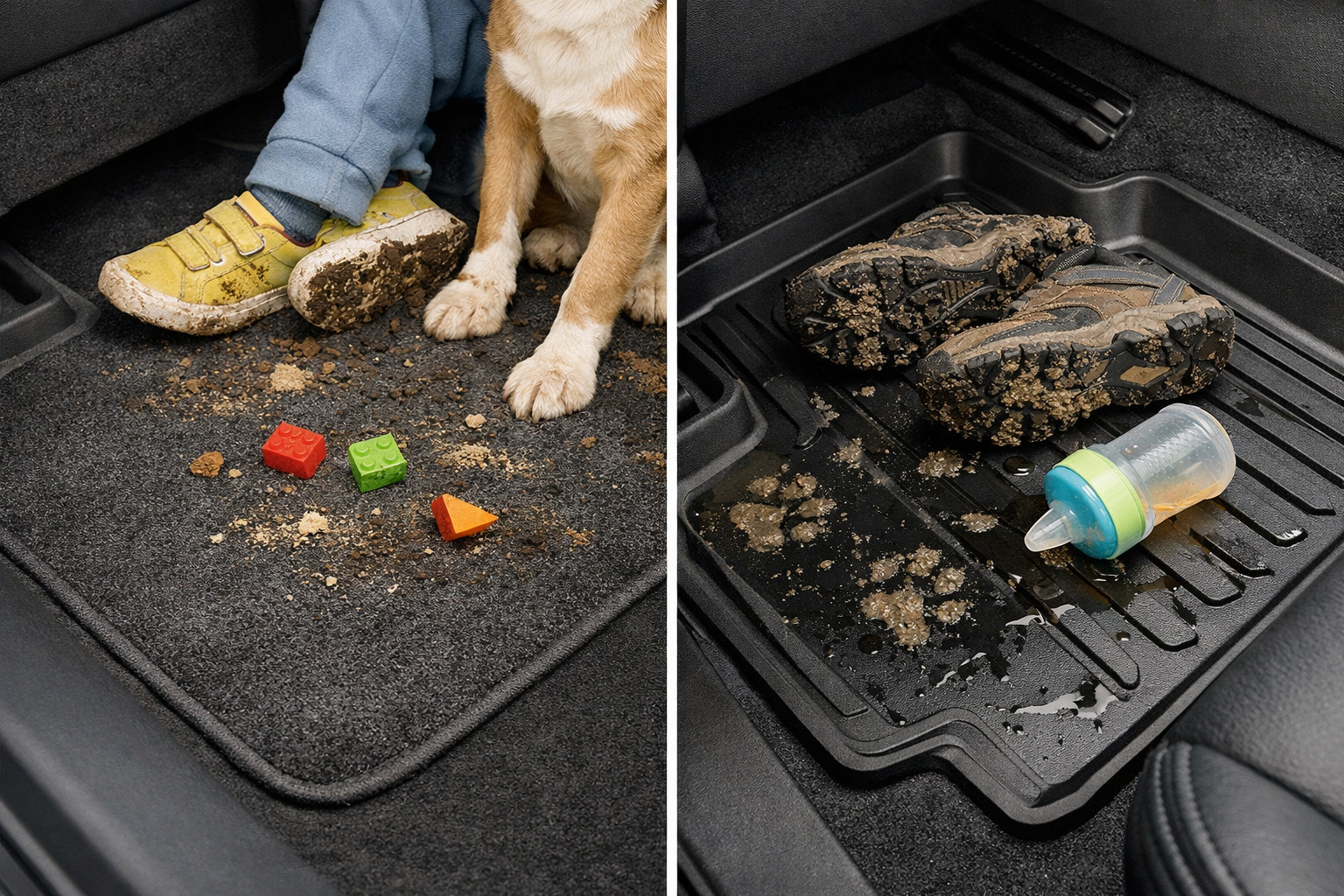
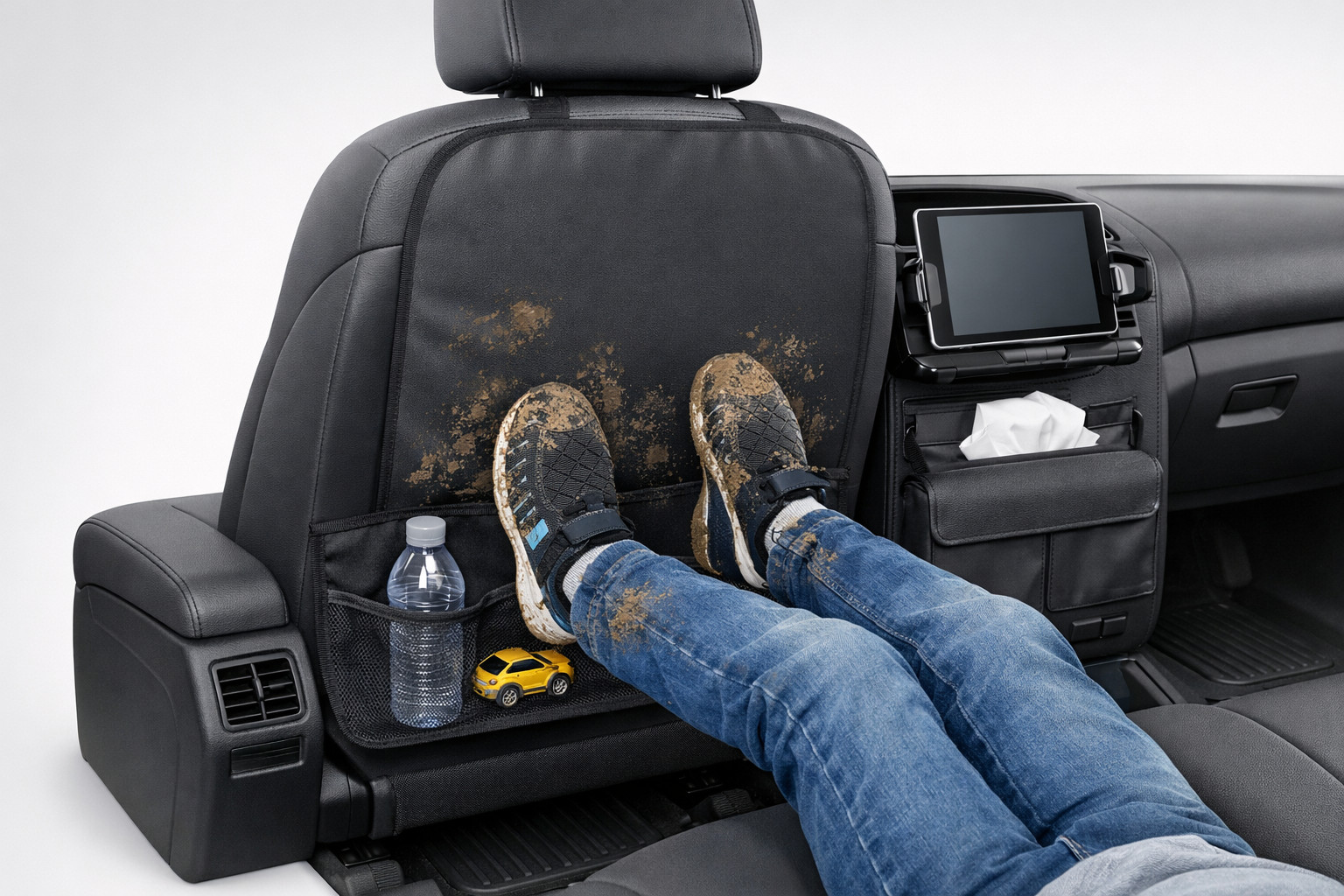
For the T31, the point isn’t flashy tuning, but things that genuinely make life easier. If the car is used for family, the cottage, or trips, it makes sense to start with floor mats to keep dirt and moisture from finishing off the interior, and for active trunk use—with roof solutions like a roof rack. If you need a full list of compatible solutions, it’s convenient to view it in the X-Trail T31 accessories section.
The main mistake owners make is trying to turn the T31 into a hardcore off-roader. In most cases, cabin protection, cargo organization, mud flaps, window deflectors, and proper side steps are more useful than a massive external body kit.
What to check out for this model
- Floor mats are the fastest way to keep the floor clean in a car that often drives through mud, snow, and country roads.
- A roof rack is useful if the stock cargo space is no longer enough for a vacation, skis, or a bicycle.
- A rubber trunk liner is ideal for tools, a stroller, jerry cans, and wet items.
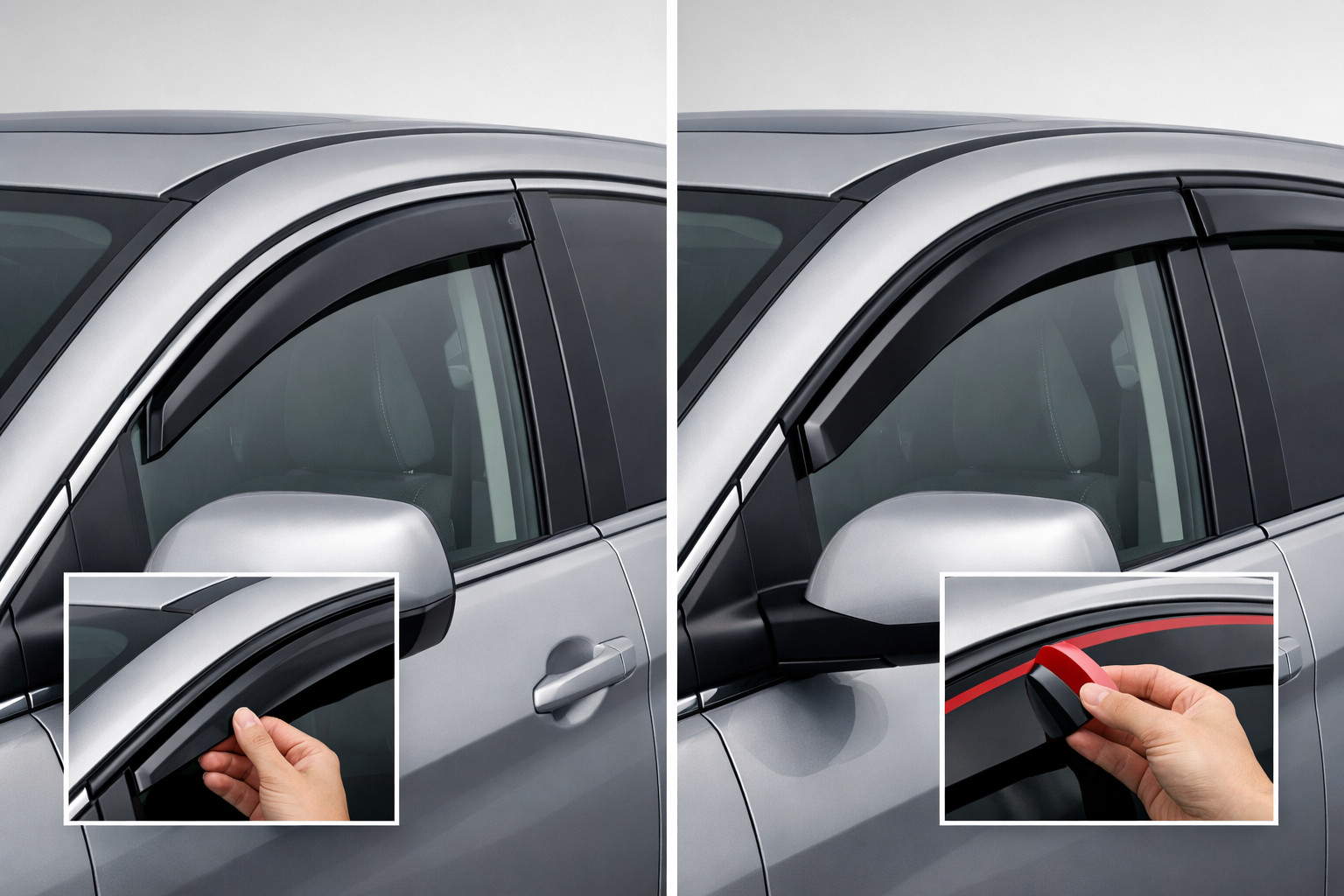
- Window deflectors are convenient for everyday driving in the rain and for ventilating the cabin.
- Mud flaps are a simple solution that helps keep the body and sills from getting sprayed with dirt.
Conclusion
The Nissan X-Trail T31 still makes sense as a used family crossover if you need practicality, a large trunk, decent ground clearance, and all-wheel drive in the right version. The safest buying logic is to look not for the flashiest trim, but for a solid body, a transparent history, a verified transmission, and a clear usage pattern from the previous owner. This material is based on real selection experience, practice, and real-world use cases—so the main advice is simple: buy condition, not a promise from an ad.
Pros and cons
The practical body and large trunk make the T31 convenient for family use, trips, and hauling cargo. In everyday use, it’s noticeably more useful than many city crossovers.
201 mm ground clearance and all-wheel-drive versions provide a solid margin for dirt roads, snow, and rough roads. For the countryside or frequent trips out of town, this is a real advantage.
On the highway, the car behaves calmly and, for its age, has decent sound insulation. This makes it a comfortable option for long trips.
The diesel versions pull well and are suitable for high mileage, especially on the highway. With a clear service history, this is one of the most interesting options.
The interior is simple but practical: comfortable front seats, a two-level trunk layout, and good visibility. For daily use, this adds convenience without unnecessary complexity.
The rear row is not the most spacious in the class, so tall passengers in back may feel cramped. If you often carry adults in the second row, it’s worth checking this in person.
The continuously variable transmission is a risk area here, and it may be the factor that makes the purchase unprofitable. Without a detailed diagnosis, it’s better not to buy a car with this transmission option.
The gasoline versions can’t be called economical, and fuel consumption in the city may be noticeable. For those who drive a lot and often in the city, this is a drawback in daily expenses.
The model’s age means a risk of corrosion and minor electrical issues. Before buying, a careful inspection of the body, underbody, and equipment is needed, not just a test drive.