 Author: Radomskyi Maksym Vasyliovych
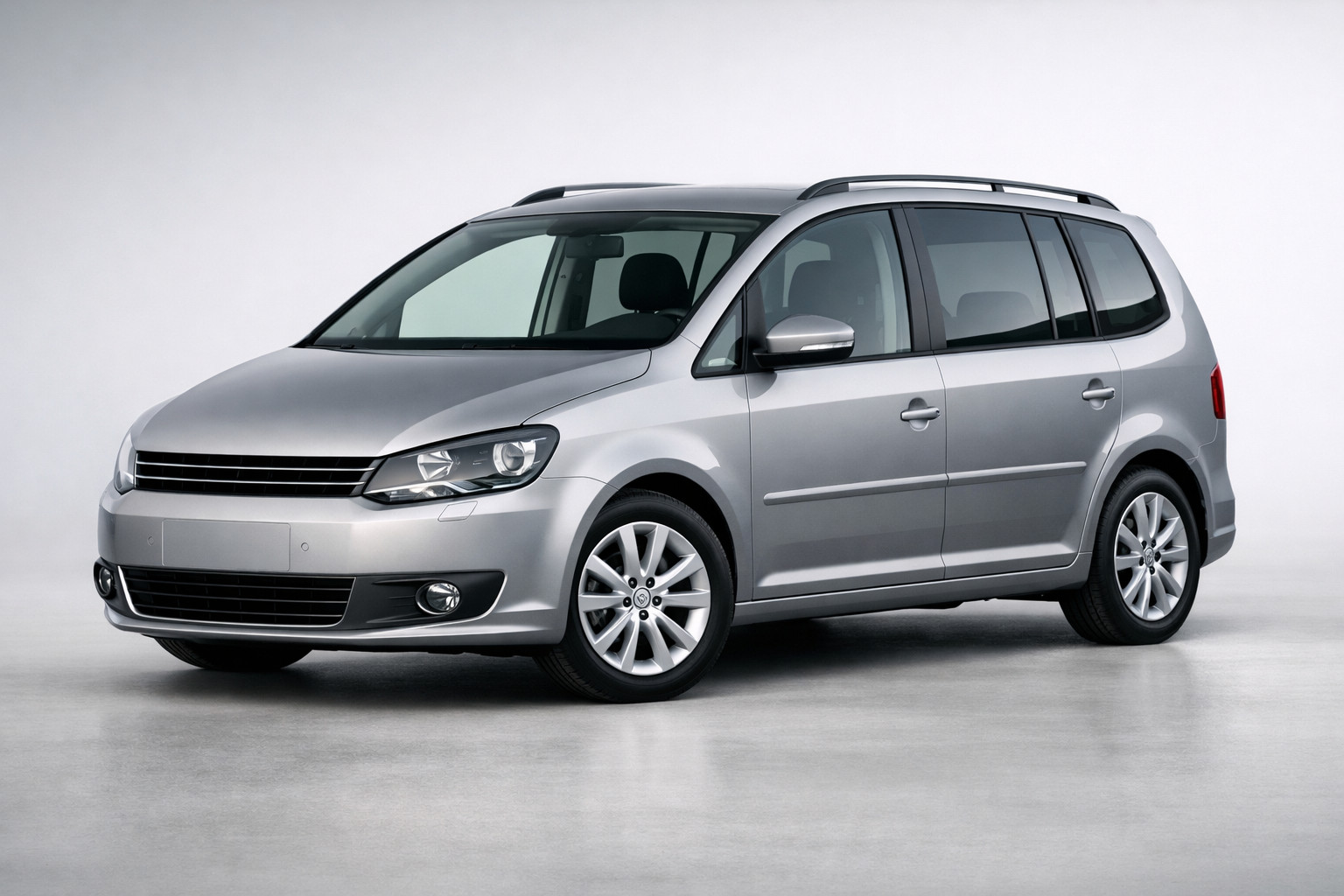
Volkswagen Touran 2010–2015 is a compact MPV for those who care less about design эмоції and more about sensible family logistics: 5 or 7 seats, a large trunk in the five-seat layout, comfortable entry, and predictable road manners. Essentially, it’s a practical car built on the Golf technical base that works well as a daily family vehicle.
But you need to choose a Touran with your head. It doesn’t tolerate neglect of diesel components, electrics, or certain TSI + DSG combinations. If you need a spacious cabin and everyday convenience, it’s a very successful model. If you want crossover-like ground clearance, a vivid character, or the lowest possible repair risk, there are more logical options.
The model and its place on the market
In its class, the Touran competed with the Ford C-Max, Renault Scénic, Citroën C4 Picasso, and Zafira Tourer. Its strength isn’t image, but packaging quality: outside it’s a relatively compact car, yet inside it’s one of the most convenient MPVs for everyday family tasks. It suits a family with kids, people who often travel on vacation, carry a stroller, bicycles, or lots of bags. It’s not a great fit for those who drive bad roads off asphalt or want a “driver’s” car.
Generations and model history
In 2010, the first Touran received a major update, and this is the version most people mean when they talk about the Touran 2010–2015. The car stayed on the PQ35 platform related to the Golf Mk6, but got refreshed styling, a revised engine lineup, and more modern safety options. An important nuance: 2015 is a transition year because a new-generation Touran appeared then, so on the used market you should look not only at the year in the listing, but also at the exact generation and the VIN.
Engines and transmissions
The Touran 2010–2015 offered a wide choice of engines, but the logic is simple: petrol versions are better for lower mileages, diesels are better for highways, family loads, and long trips. Depending on market and year, you’ll see differences in output, especially for the 2.0 TDI and rare petrol variants.
| Engine | Power | Torque | Transmissions | Practical takeaway |
|---|---|---|---|---|
| 1.2 TSI | 105 hp | 175 N·m | 6-speed manual | For calm city driving and small mileages; with a full cabin the torque reserve is modest |
| 1.4 TSI | 140 hp, in some early markets 170 hp | 220 N·m | 6-speed manual or 7-speed DSG depending on version | Noticeably more lively, but early TSI engines should be checked especially carefully |
| 1.6 TDI | 90 or 105 hp | 230 or 250 N·m | 6-speed manual; 105 hp also with 7-speed DSG | One of the most rational options for everyday use |
| 2.0 TDI | 140 hp; early versions 170, later 177 hp | 320–380 N·m | 6-speed manual or 6-speed DSG | Best for highway driving, full load, and towing |
The official fuel consumption figures looked very attractive, but in real life they depend on route and load. For diesel versions, owners often see around 6.3–6.9 L/100 km in mixed driving, while in the city or with a fully loaded family the consumption can be noticeably higher. When shopping for a used Touran, the key question isn’t “which engine is best in general,” but “which engine and gearbox have the best documented maintenance history.”
Body, dimensions, and chassis
The Touran has a 5-door body, front-wheel drive only, and a suspension tuned for stable family driving rather than broken tracks. Up front it’s McPherson, in the rear an independent four-link setup, with electro-mechanical steering. It feels tight and composed, stable on the highway, but the 140 mm ground clearance makes it clear right away: this is an MPV, not a crossover.
| Parameter | Value |
|---|---|
| Body | 5-door compact MPV |
| Seats | 5 or 7 |
| Drive | Front |
| Length | 4397 mm |
| Width | 1794 mm without mirrors |
| Height | 1674 mm |
| Wheelbase | 2678 mm |
| Ground clearance | 140 mm |
| Turning circle | 11.2 m |
| Trunk in 5-seat version | 695 L |
| Trunk in 7-seat version with all seats up | 121 L |
| Maximum volume with the second row folded | 1989 L |
| Fuel tank | 60 L |
| Braked trailer | 1300–1600 kg depending on version |
| Roof load | 100 kg |
Interior, comfort, and safety
The main reason to consider the Touran is the cabin. There’s lots of headroom, a good upright seating position, and genuinely useful versatility: officially, there were said to be over 500 seating combinations, and there are plenty of small storage compartments. In the five-seat layout the car is especially strong, combining passenger space with a large trunk. The third row in the 7-seat version is useful as a backup, but with it the cargo capacity drops sharply. Safety equipment is solid even today: ESC, ABS, EDL, ASR, front, side and curtain airbags, ISOFIX on the outer seats of the second row, and on some versions — Driver Alert, Lane Assist, Park Assist, and automatic high beam.
Everyday use
In daily life, the Touran is convenient because it doesn’t feel big, yet it truly takes on the role of a family “multi-tool.” Seating is high, visibility is decent, the car is calm on the highway, and the diesels pull well when fully loaded. Downsides: wind noise can be noticeable at speed, and mechanically you need to keep a close eye on the condition of the electrics, dual-mass flywheel, diesel fuel system, turbo, and DSG gearboxes in the versions that have them. This is a car that values a service history more than pretty photos in a listing.
Strengths and weaknesses
From an owner’s perspective, the Touran wins when you need practicality without excessive body length. People don’t buy it for its looks, but they often keep it for a long time because it’s so convenient in everyday life.
| Strengths | Weaknesses |
|---|---|
| Very comfortable, highly flexible family interior | In the 7-seat configuration the trunk is almost symbolic |
| Large trunk in the 5-seat version | Design and character are rather restrained |
| Good stability and comfort on the highway | At speed the cabin isn’t the quietest in class |
| Torquey diesels for travel and loads | Known risks with diesel components, electrics, and certain TSI/DSG combos |
| Good set of safety systems | Maintaining a bad example can be expensive |
In short, the Touran is strong for a family with 1–3 kids, long trips, and everyday city routine. It’s weak where people expect a striking image, high ground clearance, or complete indifference to service history.
Tuning and accessories
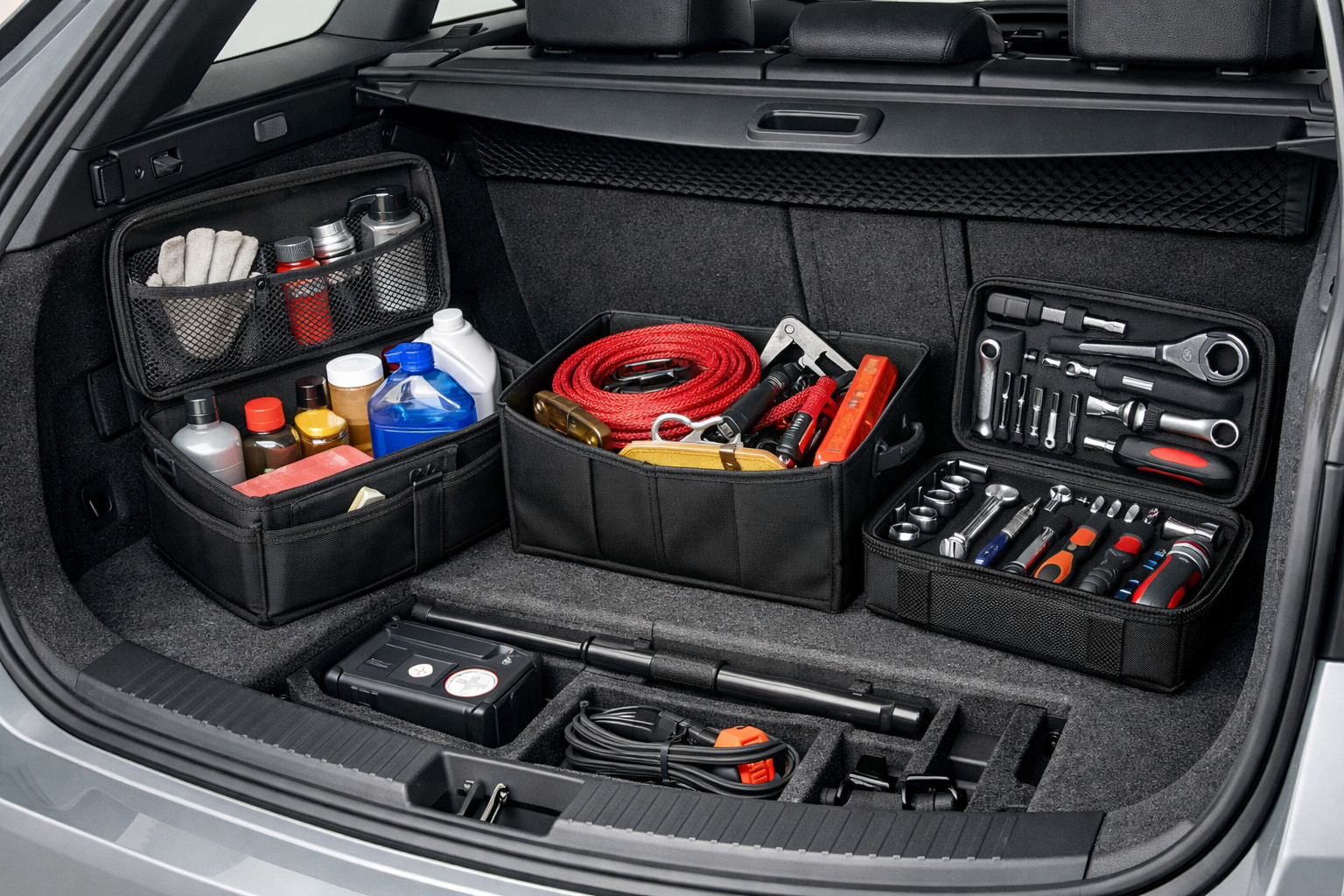
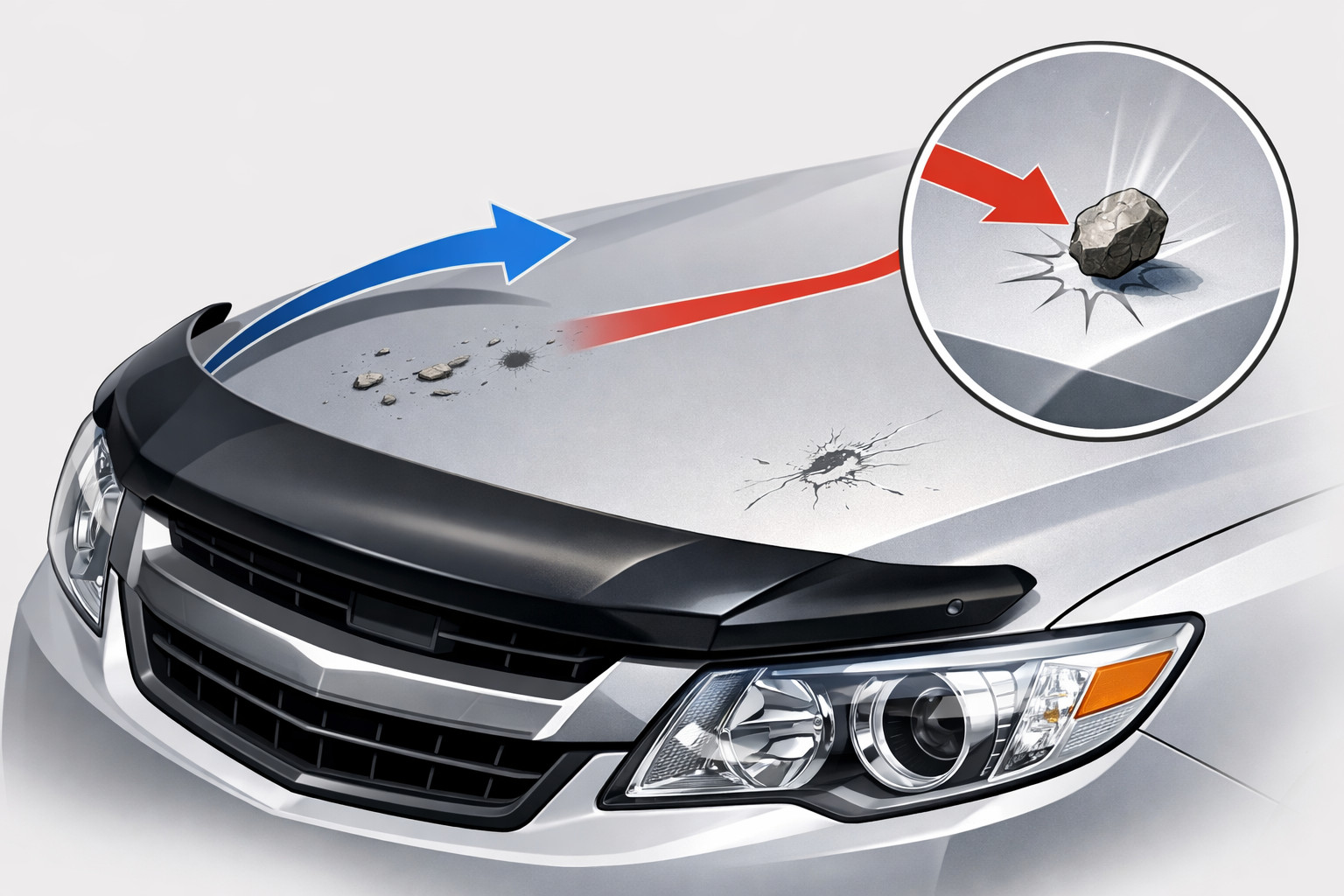
For the Touran, the smartest tuning isn’t decorative but practical. This model quickly shows the value of things that protect the interior and body in family use: floor mats, mud flaps, bumper edge protectors, and solutions for carrying cargo on the roof. If you need a full selection for a specific model, a convenient place to start is the accessories catalog for Touran 2010–2015.
What to check out for this model
- rear bumper protector — useful if you often load a stroller, bags, a scooter, or suitcases and don’t want to quickly scratch the edge
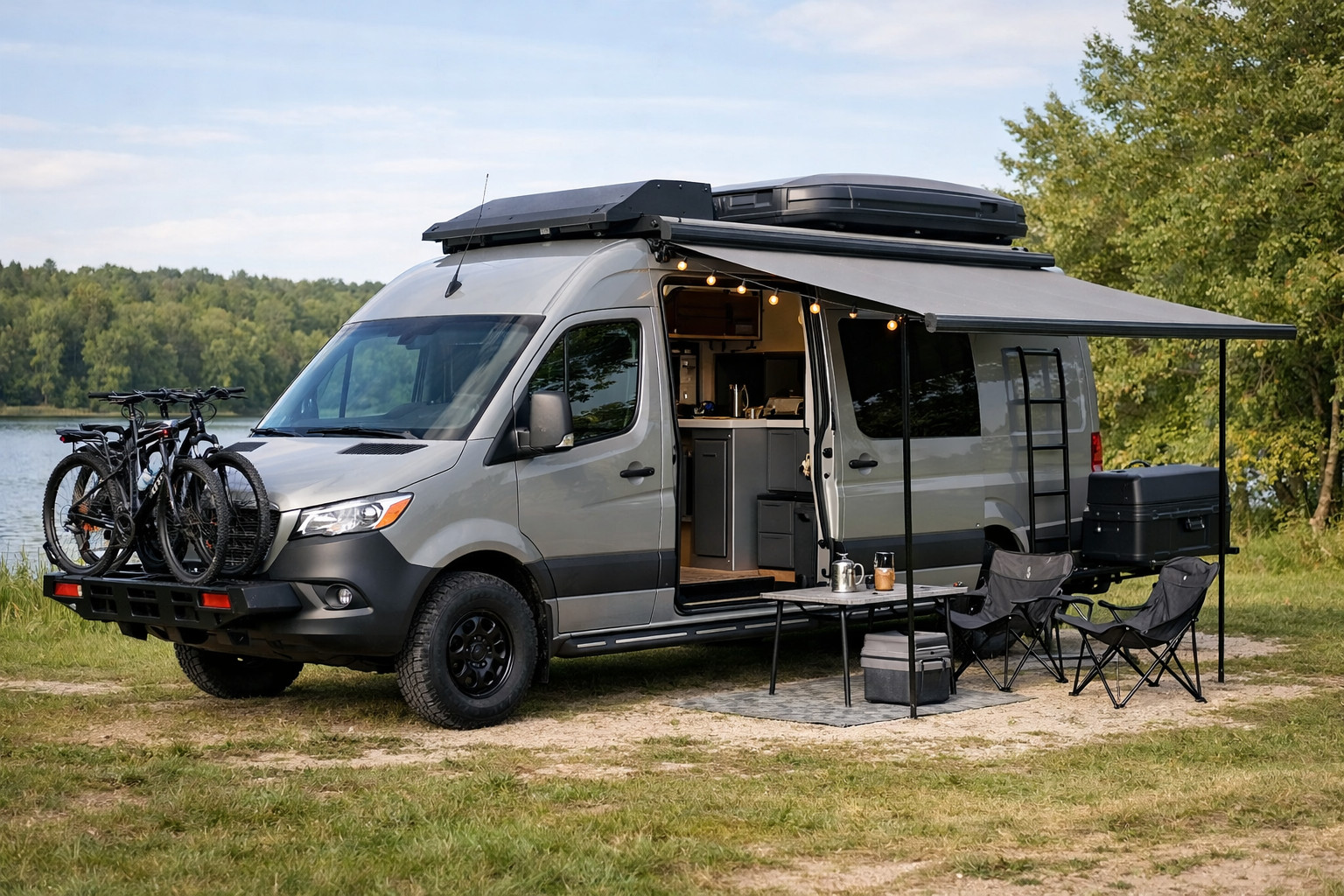
- roof racks and cross bars — make sense for vacations, when people ride inside and not things
The Touran clearly shows the difference between “tuning for the picture” and things that actually make ownership easier. For a family MPV, the second option is almost always the right one.
Conclusion
Volkswagen Touran 2010–2015 is one of the strongest options in its class if you need space, smart packaging, and real everyday versatility. It works best as a five-seat family car with a large trunk, and you should choose the engine based on mileage and service history, not on the horsepower number. The material is based on real selection experience, practice, and real-world use cases, so the main takeaway is simple: a good Touran is a very comfortable everyday car, but you need to buy it carefully and without self-deception.
Pros and cons
In the five-seat configuration, the Touran offers a large trunk and plenty of space for family trips. It’s convenient if you often carry kids’ things, suitcases, or large purchases.
The cabin is easy to reconfigure and has plenty of cubbies and compartments for small items. For everyday family use, that’s more practical than just having a big but inconvenient space.
On the highway, the car feels composed and predictable, and the diesel versions pull well even when fully loaded. This character suits long trips and regular routes.
The safety equipment for its age looks strong: there are ESC, ABS, airbags, ISOFIX, and on some versions — additional assistants. This matters for a family car that carries children.
The Touran does not look big from the outside, but inside it really serves as versatile family transport. It is easier to use in the city than larger minivans.
In the seven-seat version, the third row eats up almost the entire trunk, so as a full seven-seater the Touran is limited. This configuration is only convenient as a backup option.
The 140 mm ground clearance is not suitable for poor roads and off-road driving. This is a noticeable downside if you need a car with more height clearance.
At speed, wind noise can be noticeable in the cabin, which reduces comfort on the highway. For those expecting a quiet interior, this will be a drawback.
Some versions have risks with diesel components, electrics, and TSI/DSG combinations. Because of this, a used example without a clear service history may turn out expensive to maintain.