29.04.2026
564
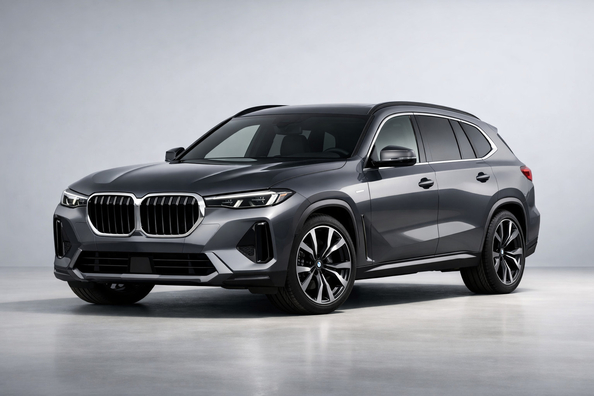
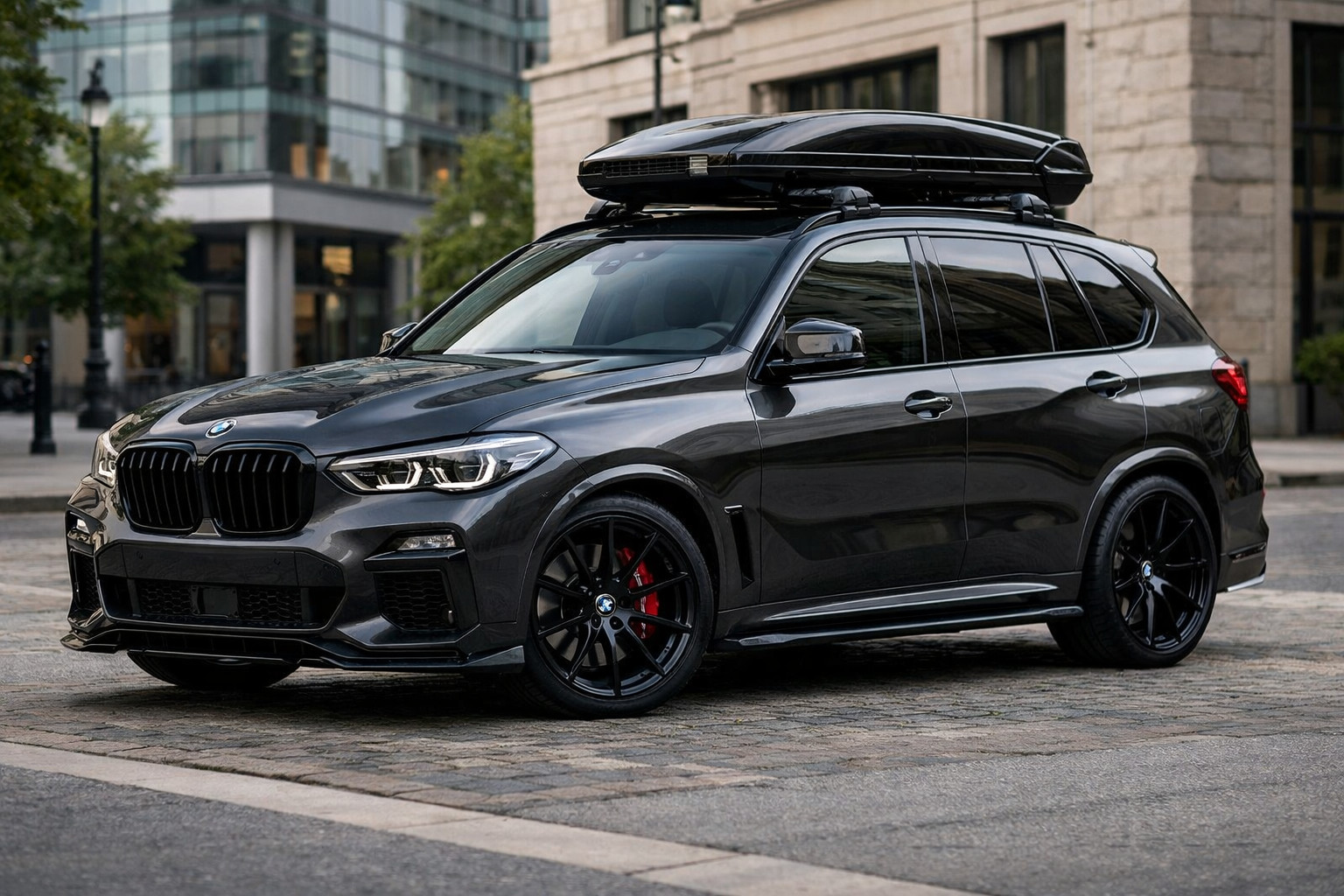
As of April 11, 2026, the BMW X9 does not exist as a production model: BMW has not announced or sold such a crossover. Therefore, any “X9 review” can honestly be built only around rumors and around two real reference points in the brand’s lineup: the BMW X7 as the largest production SUV and the BMW XM Label as the top end in power and price.
For the reader, this means one simple thing: there’s no point waiting for confirmed X9 specifications yet. Instead, you can realistically assess what such a vehicle could be like, who it might appeal to, and whether it’s worth looking at the real X7 right now if you need a large BMW with three rows.
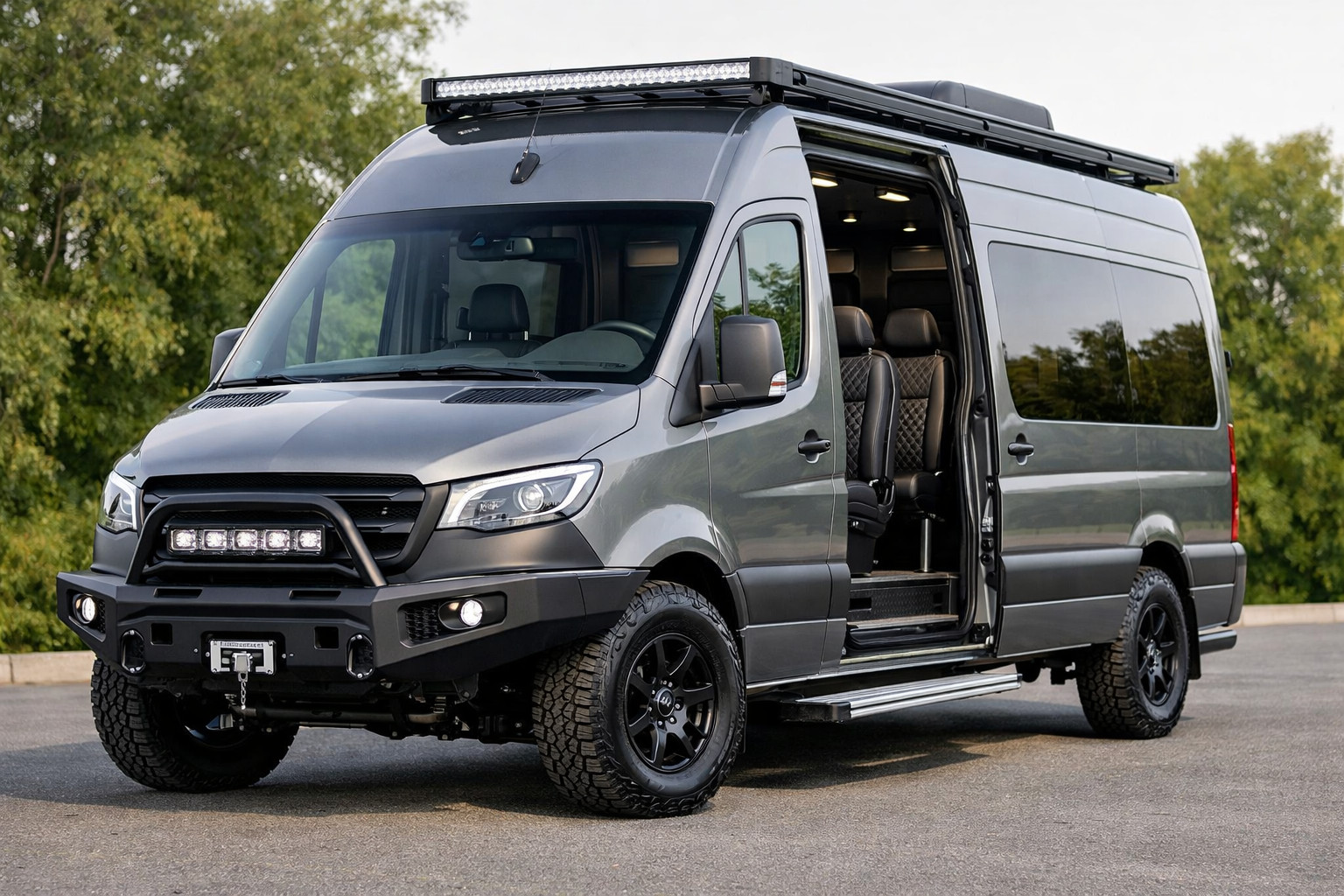
In rumors, the BMW X9 appears as a full-size flagship crossover primarily for the U.S. market. The logic is clear: BMW has the X7, but in the segment of even larger and roomier SUVs, demand is held by vehicles at the level of the Cadillac Escalade, Lincoln Navigator, and Mercedes-Benz GLS.
The problem is that market logic is not the same as a finished product. If you need a vehicle now, the X9 should not be considered a real purchase option. If you’re interested specifically in the idea of an “even bigger X7,” then you should look at what the current X7 can already do and how far the XM departs from it.
When it comes to generations, the BMW X9 is simple: there are none. There are currently no production years, factory index, official model history, or confirmed platform evolution.
In practice, the entire “X9 history” consists of renders, assumptions about dealer interest, and attempts to guess whether BMW would want to move above the X7. The real reference point in the lineup today is just one: the X7 remains the brand’s largest SUV, and the XM shows what the top level of technology and price can look like, but without a third row.
There are no confirmed engines for the X9, so the only sensible approach is to reference the current powertrains used in large BMWs. Below are real options that best illustrate the range from a “base big BMW” to the most powerful.
| Reference point | Engine | Power and torque | Transmission and drive | 0–97 km/h | Consumption |
|---|---|---|---|---|---|
| X7 xDrive40i | 3.0 L, inline-six, 2 998 cm³ | 375 hp, 540 N·m | 8-speed automatic, all-wheel drive | 5.6 s | 10.7 L/100 km combined cycle |
| X7 M60i | 4.4 L V8, 4 395 cm³ | 523 hp, 750 N·m | 8-speed automatic, all-wheel drive | 4.5 s | 12.4 L/100 km combined cycle |
| XM Label | 4.4 L V8 + electric motor, plug-in hybrid | 748 hp, 1 000 N·m | automatic, all-wheel drive | 3.6 s | 2.3 L/100 km on the WLTP cycle or 12.8 L/100 km with a depleted battery |
If the X9 ever appears, it will almost certainly draw its hardware from this range: an inline-six for mainstream versions, a V8 for expensive ones, and possibly a hybrid powertrain for the flagship. But for now, that’s only a logical assumption, not a specification.
The most useful comparison here is the X7, because it sets the limit of what BMW already delivers in a large three-row body. The XM is interesting as a technical maximum, but it’s a five-seat crossover with a different priority.
| Reference point | Dimensions | Wheelbase | Ground clearance | Trunk | Curb weight |
|---|---|---|---|---|---|
| X7 xDrive40i | 5 172 × 1 999 × 1 835 mm | 3 105 mm | 221 mm, air suspension can add 41 mm | 1 325–2 560 L depending on configuration | 2 473 kg |
| XM Label | 5 110 × 2 004 × 1 755 mm | 3 105 mm | 221 mm | 527–1 821 L | 2 763 kg |
| BMW X9 | No official data | No official data | No official data | No official data | No official data |
The practical takeaway is this: for the X9 to make sense, it must be either roomier than the X7 in the third row and trunk, or noticeably more expensive and more technological without losing everyday usability. Otherwise, there won’t be much need for the model’s very existence.
The X7 already sets a very high bar for cabin quietness, ride smoothness, and finish quality for a three-row BMW. That’s why X9 rumors don’t appear out of nowhere: the brand has a foundation to make an even larger vehicle for long family trips.
But there are limits, too. Even in the X7, not everyone considers the third row and trunk best-in-class, and the XM isn’t a seven-seat benchmark at all. From a safety standpoint, something else matters: the more complex and expensive a large SUV is, the more carefully you need to treat its electronics, suspension condition, service history, and recall campaigns.
In real life, a big BMW makes sense when the vehicle regularly drives on the highway and carries family, luggage, or a trailer. The X7 looks convincing here: solid performance even in the 40i, a substantial torque reserve in the V8 version, 221 mm of ground clearance, and towing up to 3 405 kg.
In the city, the picture is less romantic: nearly 5.2 meters in length, high mass, wide doors, more expensive tires, and higher fuel consumption. That’s why a hypothetical X9 would suit those who truly use a large body, not those who simply want “the biggest BMW.” If there’s no need for a third row, the XM or even smaller models often make more sense.
If you evaluate not the dream of an X9, but the very idea of such a vehicle through the lens of the X7 and XM, the balance looks like this.
| Pros | Cons | What it means for the owner |
|---|---|---|
| BMW already has a strong platform for a large SUV | The X9 is not officially confirmed | You could wait a long time, and you can’t buy it now |
| Wide power range: from 375 to 748 hp | High-performance versions are inevitably more expensive to maintain | The higher the level, the higher the costs for fuel, tires, and service |
| The X7 is already well-suited for long trips and towing | The third row and trunk are not undisputed in the class | If you need a truly gigantic cabin, expectations for the X9 will be very high |
| There is a ready ecosystem of options and accessories | Complex hardware doesn’t tolerate cutting corners on maintenance | These vehicles should be bought with a clear understanding of the post-purchase budget |
The main practical downside of the entire X9 project is uncertainty. The main upside is that if BMW does enter this segment, it already has the foundation for a strong product.
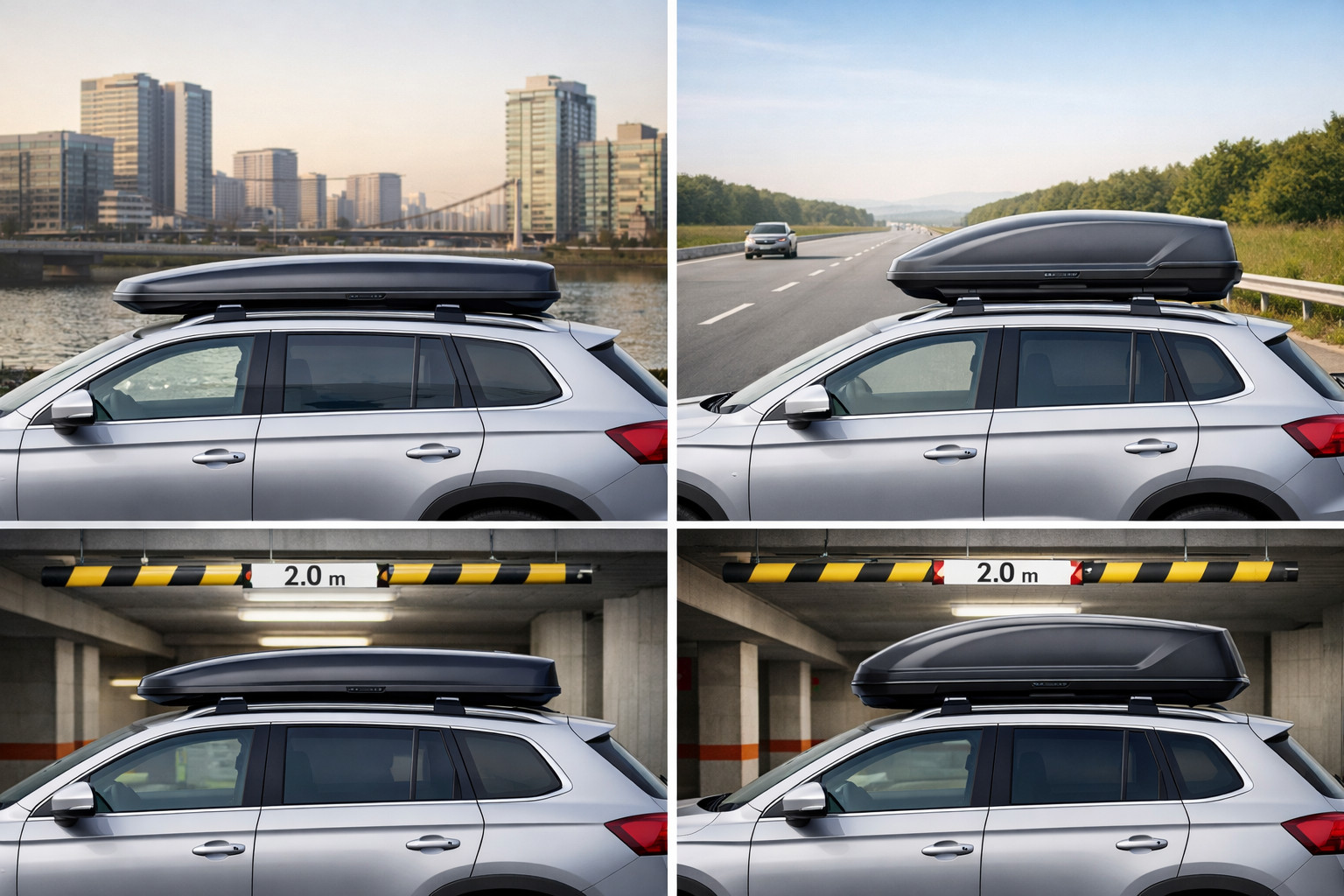
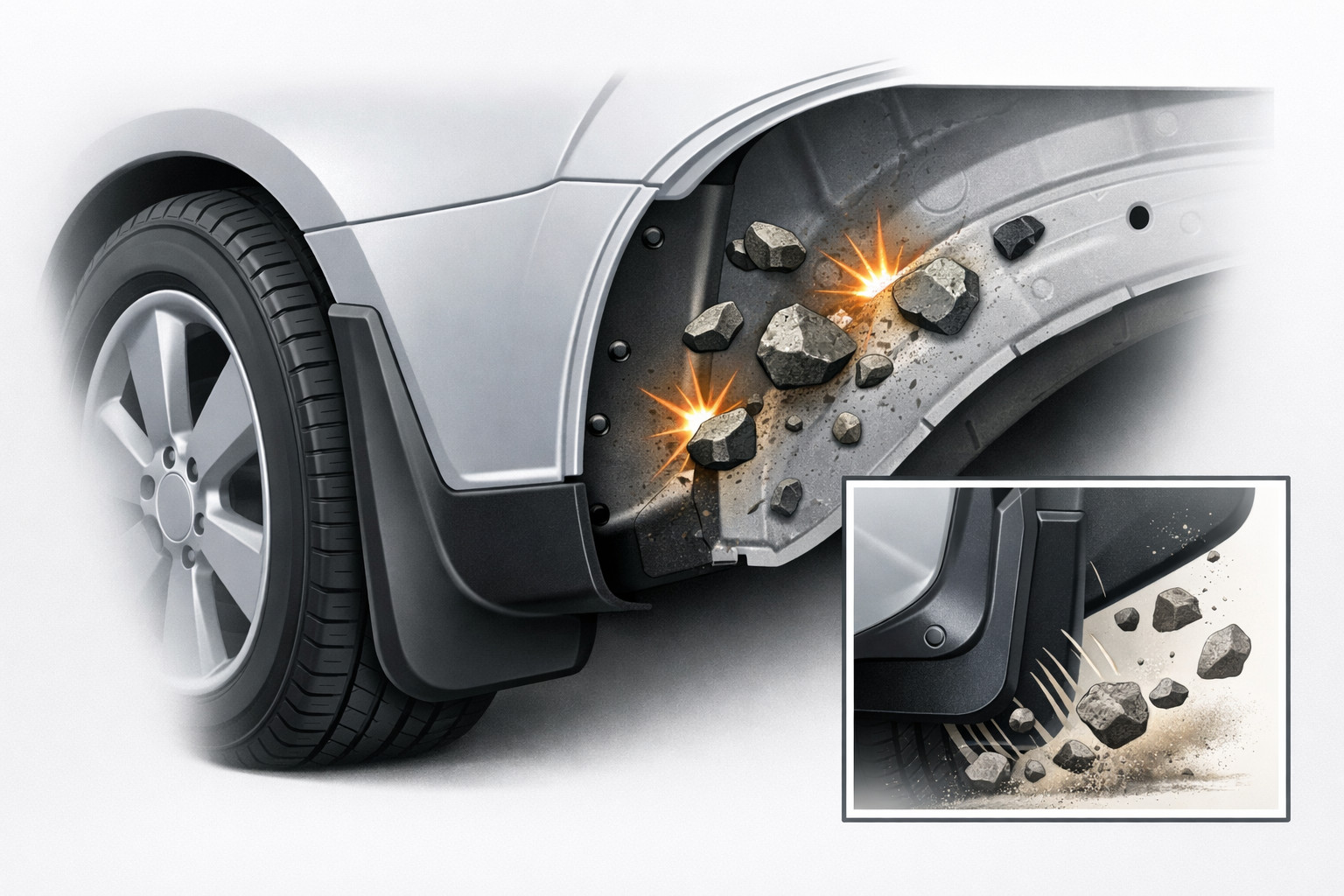
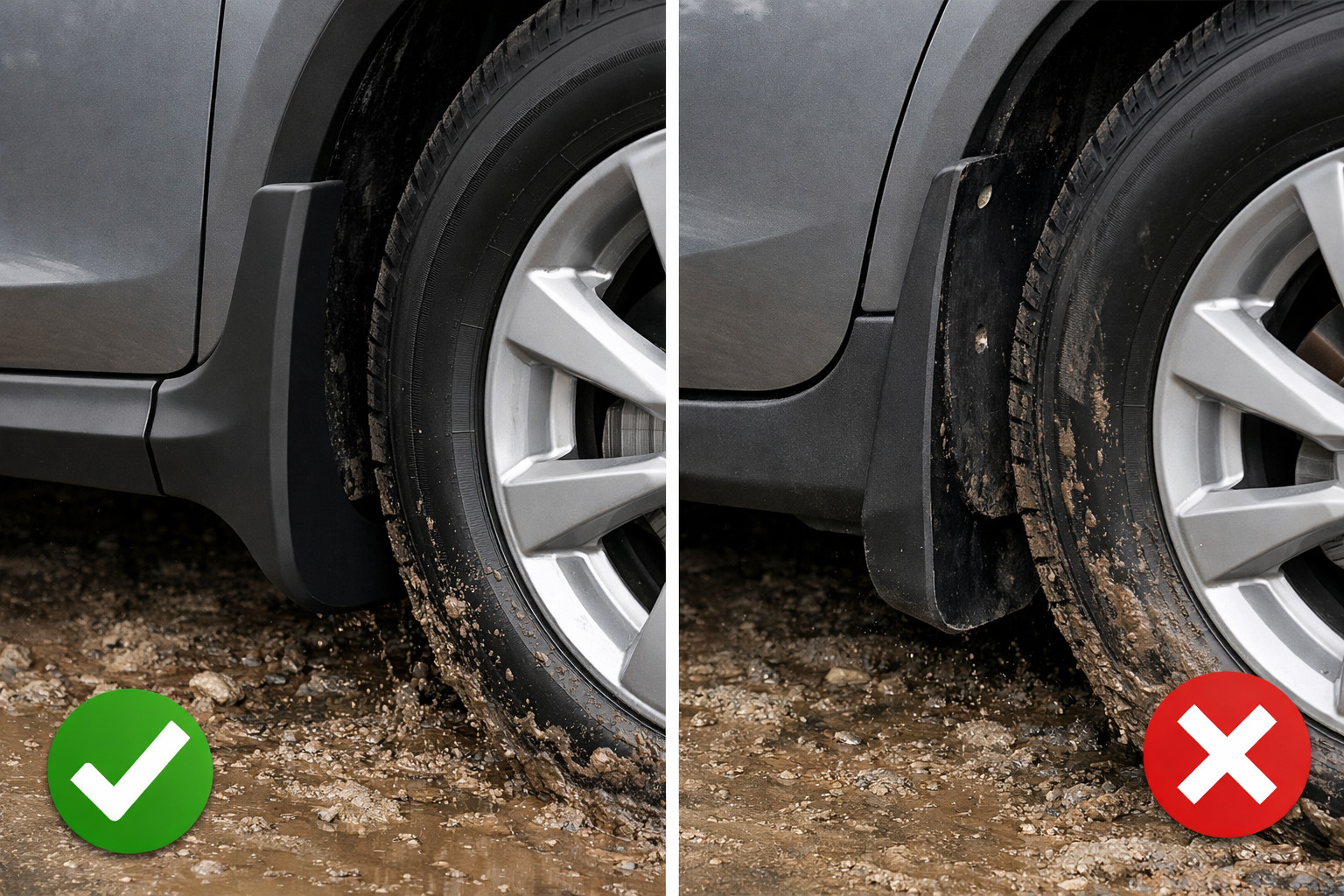
Since the X9 itself doesn’t exist, you should look at what already works in the real world for the BMW X7 G07. For a large family crossover, the biggest benefits come not from decorative parts, but from things that make entry easier, protect the interior, and help keep a neat look in daily use.
For a hypothetical X9, the logic would be the same: start with protection and convenience, and only then move on to exterior tuning. On large SUVs, that’s almost always the smarter spending order.
The BMW X9 remains a topic for rumors rather than a real model for now. If you need a large BMW today, the reference point should be the X7: it’s the one that makes clear the real level of space, technology, costs, and capabilities of a future flagship. If you look at it realistically, the X9 would only make sense with a noticeable gain in cabin and trunk space compared with the X7. This material is based not on render fantasies, but on real accessory selection experience, practical know-how, and real-world usage scenarios of large BMW SUVs.
Shipping to EU
Wholesale and retail
Own warehouse
Опис продукту
Подарунки не надаються при оформленні покупки у кредит під 0,01% або при покупці частинами.