19.04.2026
317
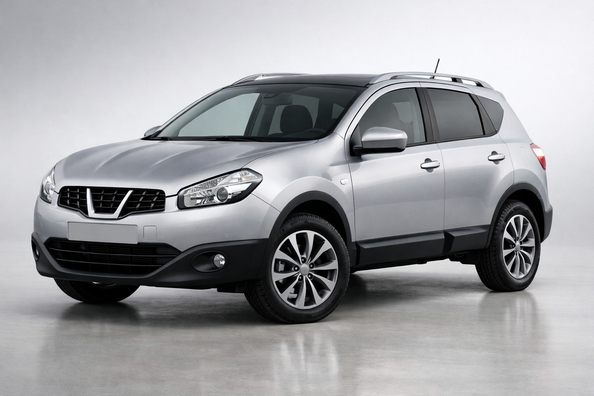
Nissan Qashqai 2010-2014 is, first and foremost, the facelifted Qashqai J10 that in 2010-2013 cemented the family urban crossover format: a high seating position, calm chassis tuning, decent visibility, and no claims of sportiness. The important nuance is simple: in 2014 the new J11 generation was already released, so when buying or selecting parts or accessories, these cars must not be mixed up.
This model suits those who need an all-round daily car rather than an off-roader in the heavy sense. It’s not the best choice for those who want a very spacious rear row, a large trunk, or who choose a diesel exclusively for short city routes.
The first-generation Qashqai became one of the cars that explained a simple thing to the market: many drivers don’t need a big SUV, but a passenger car with a higher seating position and easier entry/exit. Against the background of the Volkswagen Tiguan, Hyundai ix35, Peugeot 3008, or Skoda Yeti, it didn’t win with records, but with balance.
There’s no flashy “drama” in its behavior or design, but there is clear everyday logic. The Qashqai fits families, city drivers, and those who often drive a mixed cycle and want a calm, predictable car.
The first-generation Qashqai, known as J10, debuted earlier, and in 2010 received a facelift. This refreshed version is the core of the 2010-2013 period. The lineup also included the extended Qashqai+2 with a third row of seats, a longer wheelbase, and a larger trunk.
In 2014 Nissan moved the model to the second generation J11. So if an ad says “2014”, you need to check the body, interior, and generation code separately: it can be either a late J10 or an entirely different Qashqai.
For the J10 facelift, petrol and diesel engines were offered, and gearboxes depended on the year, market, and specific version. The range includes a 5-speed manual, 6-speed manual, CVT, and 6-speed automatic; drivetrain is front-wheel drive or all-wheel drive. The key here is not to look for the “most powerful” version, but to choose what matches your route.
| Engine | Power | Torque | Practical character |
|---|---|---|---|
| 1.6 petrol | 117 hp | 158 N·m | Basic and simple option for calm city driving, without a reserve of pull when fully loaded |
| 2.0 petrol | 140 hp | 196 N·m | The most versatile petrol engine, but consumption is noticeably higher, especially with CVT and all-wheel drive |
| 1.5 diesel | 110 hp | 240 N·m | Economical, but sensitive to service; better suited to regular highway mileage |
| 1.6 diesel | 130 hp | 320 N·m | One of the best versions for pull and fuel consumption |
| 2.0 diesel | 150 hp | 320 N·m | For those who need torque, all-wheel drive, and towing, but running costs are higher |
If you need the calmest possible city scenario, it makes more sense to look at petrol. If you do long highway trips, diesels look convincing, but only with proper maintenance and an understanding of how the diesel particulate filter works. The CVT is worth checking especially carefully: not all owners are happy with it, and on the used market it’s often viewed with caution.
In the standard 5-seat version, the Qashqai has city-friendly compact dimensions, but enough body height and seating position so you don’t feel like you’re in a hatchback. Front suspension is MacPherson, rear is independent multi-link, and it largely shapes the soft, comfortable ride.
| Parameter | Value |
|---|---|
| Body dimensions | 4330 × 1780 × 1615 mm |
| Wheelbase | 2630 mm |
| Ground clearance | about 200-201 mm depending on the reference |
| Trunk | 410 l, up to 860 l with the second row folded |
| Turning radius | 10,6 m |
| Curb weight | 1297-1674 kg depending on version |
| Towing with brakes | 700-1400 kg |
| Brakes | Disc front and rear, with ABS, brake force distribution, and stability control |
| Qashqai+2 | 4541 × 1780 × 1645 mm, wheelbase 2765 mm, trunk up to 450 l in the standard configuration |
For courtyards, parking, and narrow streets, it’s a convenient format. For serious off-road driving—no: the geometry and drivetrain here are more about slippery winter, dirt roads, and trips to the cottage, not about challenging routes.
The Qashqai interior is made without excess, but with the right ergonomics. The strong points are the high seating position, easy access to the cabin, comfortable front seats, and a sense of control in the city. On the move, the car feels fairly quiet for its class, and the suspension deals well with everyday roughness.
The compromises are obvious too. The trunk isn’t record-breaking, and the rear row isn’t as spacious as you’d expect from the word “crossover”; headroom back there is average. Rear visibility is limited by the small rear window. Safety is good: the model has a strong baseline package, including airbags and stability control, and its crash-test reputation is solid.
In daily life, the Qashqai wins with a simple scenario: comfortable seating, decent visibility, sensible dimensions, and a suspension that doesn’t wear you out on broken asphalt. In real-world fuel consumption, diesel versions can be very pleasant: 1.5 and 1.6 diesel often come in around 6 l per 100 km, while the 2.0 petrol with CVT or all-wheel drive consumes noticeably more.
But it’s in use that the main caveats begin. Diesel doesn’t like purely short city trips because of the particulate filter. For the 1.5 diesel, timely timing belt service is critically important. On older cars, you should look at the clutch, minor cabin squeaks, possible leaks around the windshield area, and the history of recall work on the suspension, steering, air conditioning, and electric power steering.
The Qashqai doesn’t have one standout advantage that overrides everything else. Its strength is precisely in a set of small, correct decisions for everyday use. But if you buy the car without accounting for age, service, and trip type, weak points will show up quickly.
| Strengths | Weaknesses |
|---|---|
| High seating position and good visibility | Rear row isn’t very spacious for the class |
| Comfortable everyday suspension | 410 l trunk isn’t a record among competitors |
| There are economical diesel versions | Diesel engines don’t like purely short city use |
| All-wheel-drive versions are available | The CVT has a mixed reputation on the used market |
| Good baseline safety level | For older cars, minor typical issues with the interior, seals, and service history |
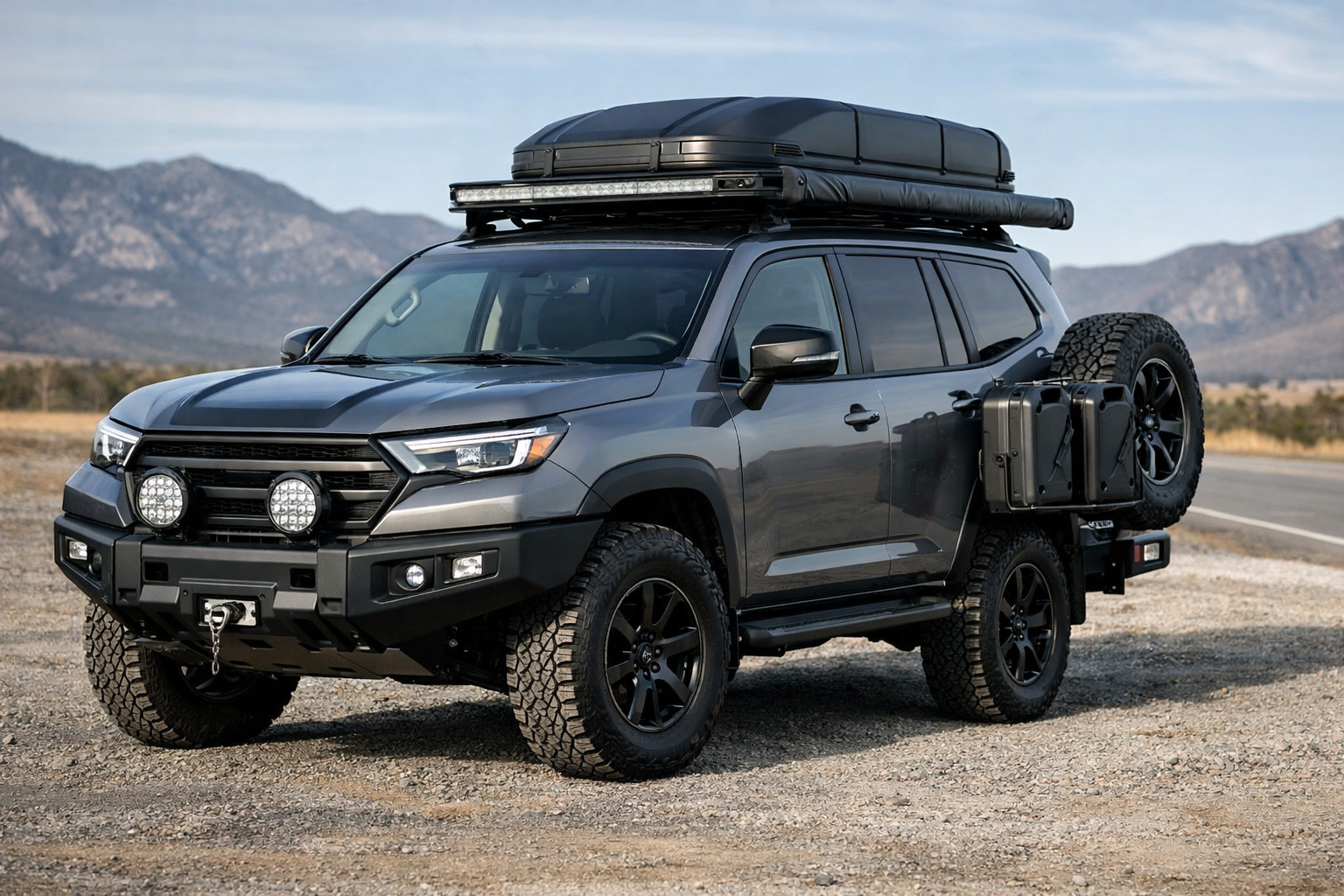
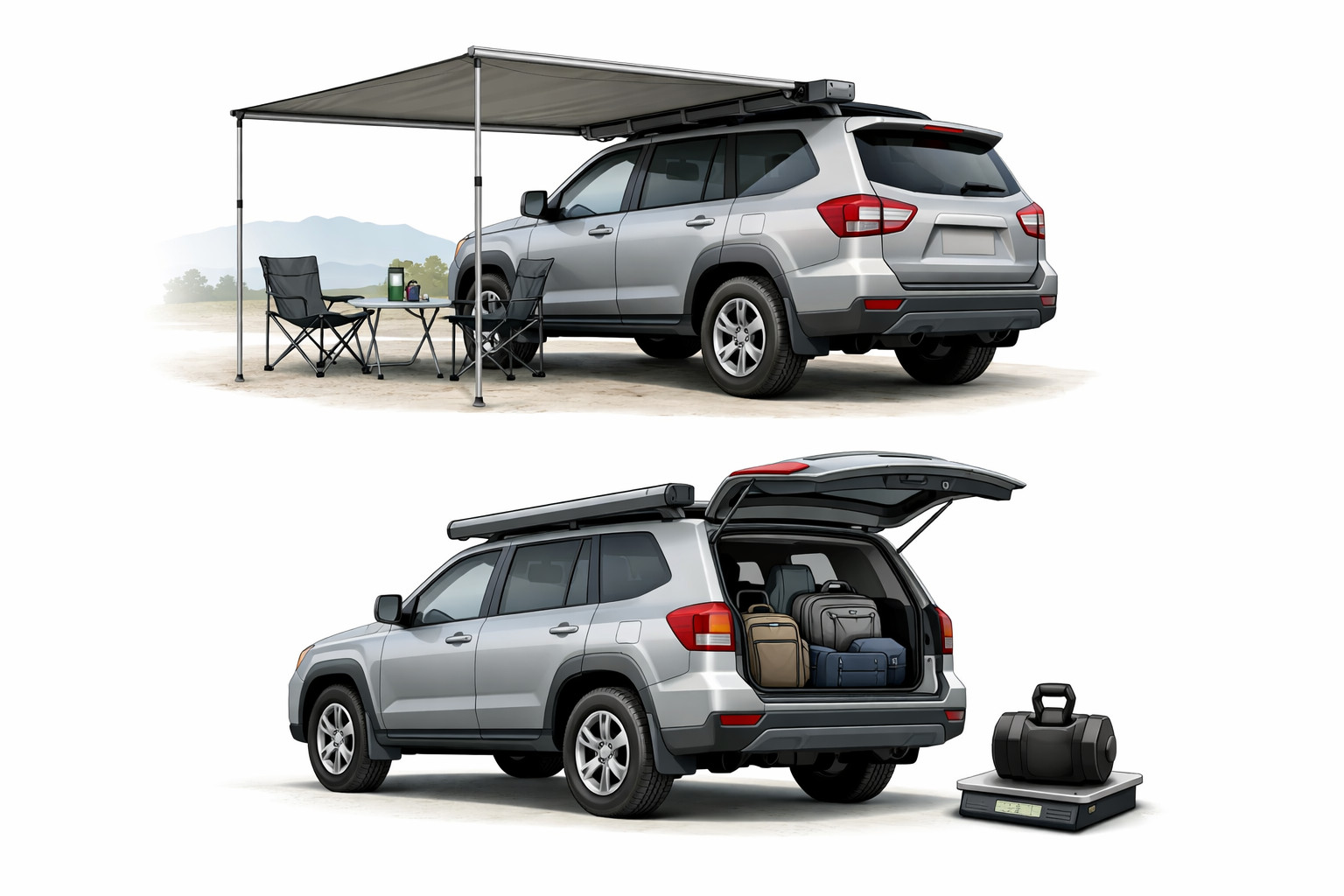
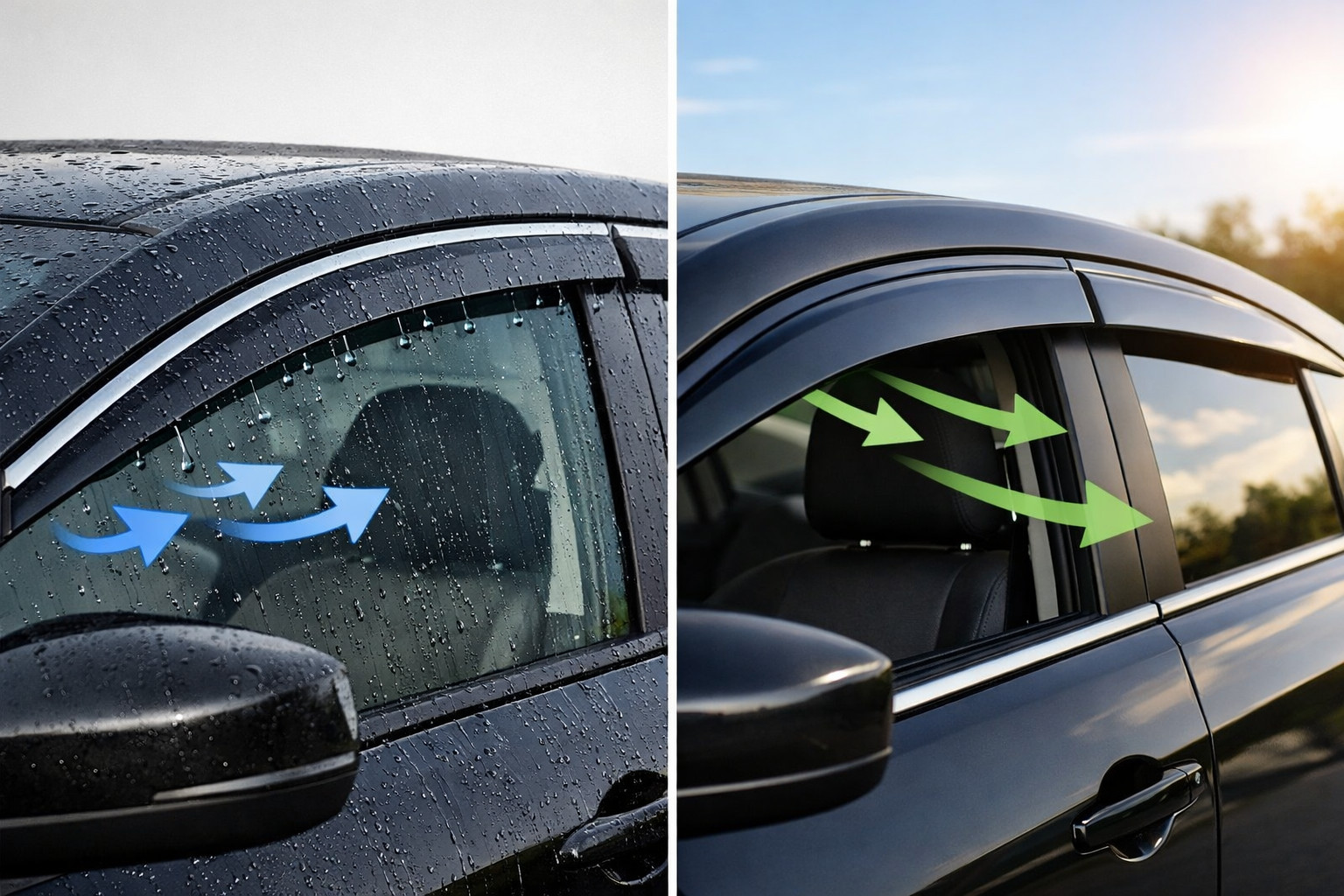
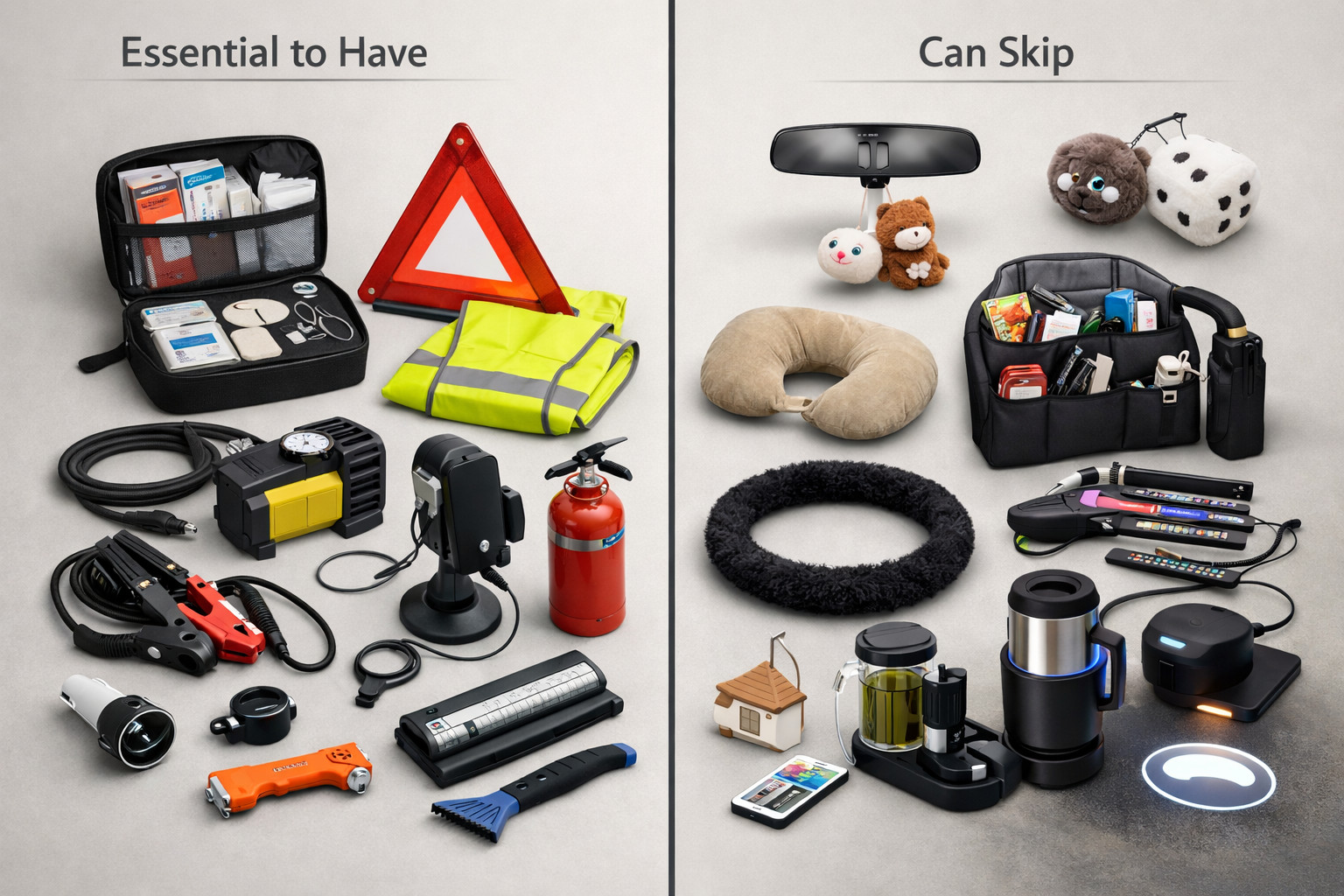
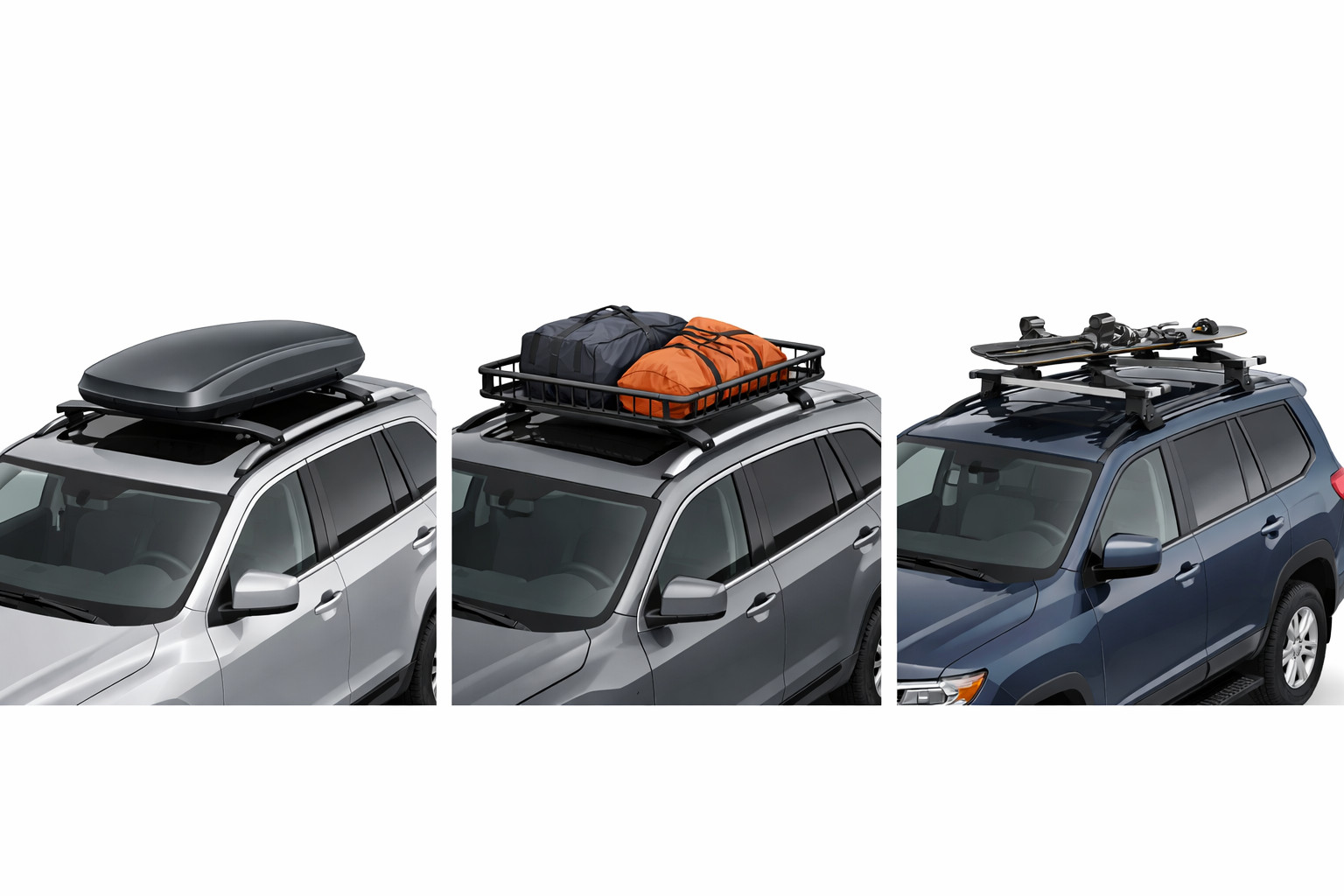
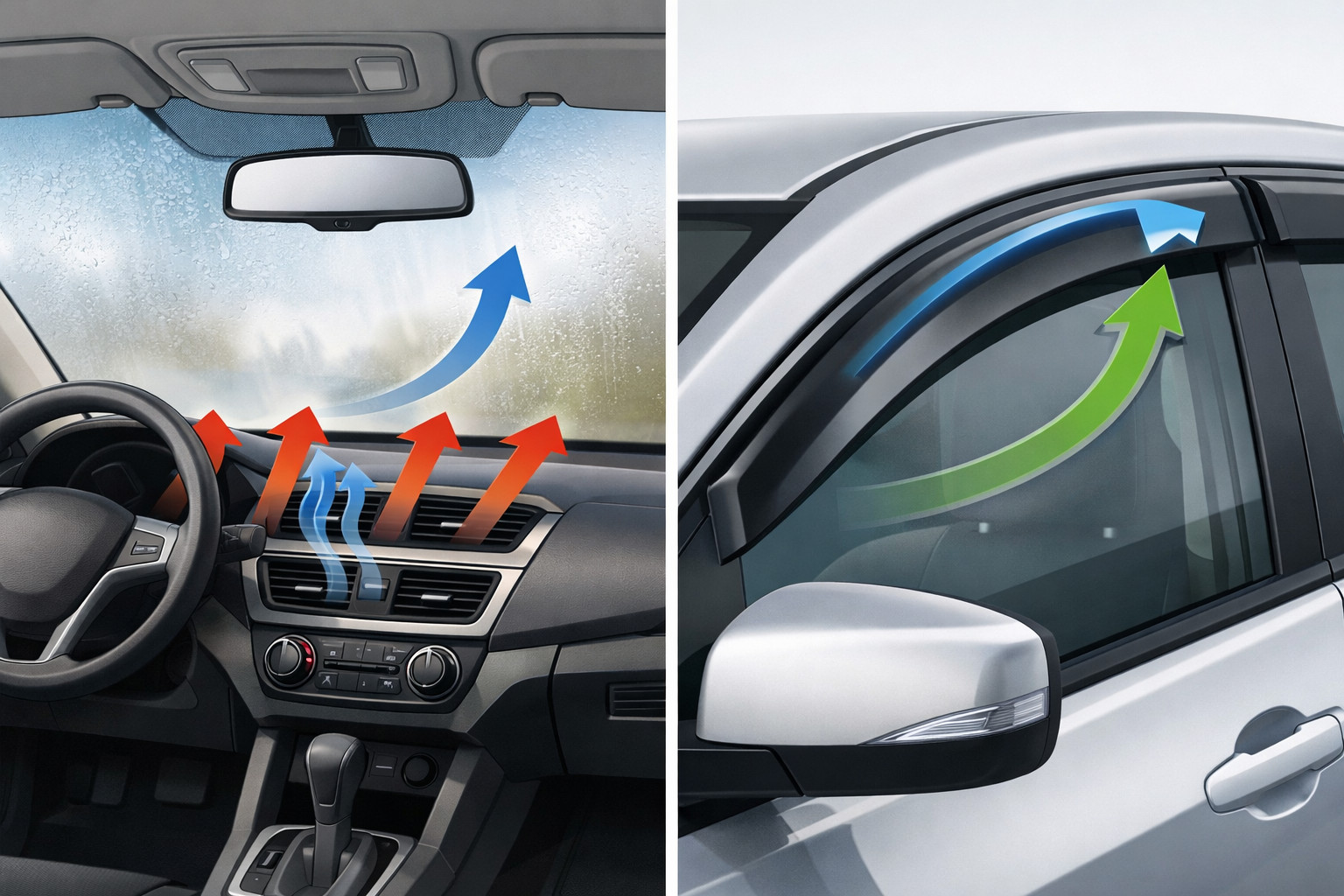
For this Qashqai, the most sensible approach is not “sport” tuning, but practical upgrades. It’s a car that benefits from things that reduce dirt in the cabin, make carrying cargo easier, and protect the body in everyday use.
In short, for this model it’s worth choosing accessories to match your usage scenario: cabin, cargo, sill and body protection. In this format, the Qashqai reveals itself best.
Nissan Qashqai 2010-2014 is a successful urban crossover for those who need a high seating position, calm tuning, decent safety, and clear everyday practicality. The best versions are usually those where the real condition, a transparent service history, and an engine chosen for the route—not “based on forum reviews”—all come together. This material is based on real selection experience, practice, and real usage scenarios: city, highway, family trips, winter, and everyday life, in which the Qashqai either fits very well or immediately shows its compromises.
| ✔ | The high seating position and good visibility make the Qashqai convenient in the city and during everyday maneuvers. The car gives a sense of control without the need to sit in a large SUV. |
| ✔ | The suspension is tuned softly and comfortably for daily trips. It handles city bumps well and does not tire you out on rough pavement. |
| ✔ | There is a good choice of engines for different scenarios: petrol for calm city driving, diesel for highways and fuel economy. The 1.6 diesel stands out in particular, combining strong pulling power with moderate fuel consumption. |
| ✔ | There are all-wheel-drive versions available, and ground clearance of around 200 mm helps on slippery winter roads, dirt tracks, or near the dacha. For light off-road use, this is more useful than it may seem from the outside. |
| ✔ | The model’s basic safety level is good: there are airbags, a stability control system, and a solid reputation in crash tests. For a family car, this is an important practical advantage. |
| ✘ | The rear row is not very spacious, especially if you look at it as a family crossover. Headroom and overall space here are average rather than generous. |
| ✘ | The 410 l trunk does not look large compared to competitors. If you often carry many things or family luggage, this may not be enough. |
| ✘ | Diesel versions do not like only short city trips because of the particulate filter. They need proper operating conditions and attentive servicing. |
| ✘ | The CVT has a mixed reputation on the used market, so you need to buy a car with this gearbox carefully. Its condition should be checked especially thoroughly. |
Shipping to EU
Wholesale and retail
Own warehouse
Опис продукту
Подарунки не надаються при оформленні покупки у кредит під 0,01% або при покупці частинами.