 Author: Radomskyi Maksym Vasyliovych
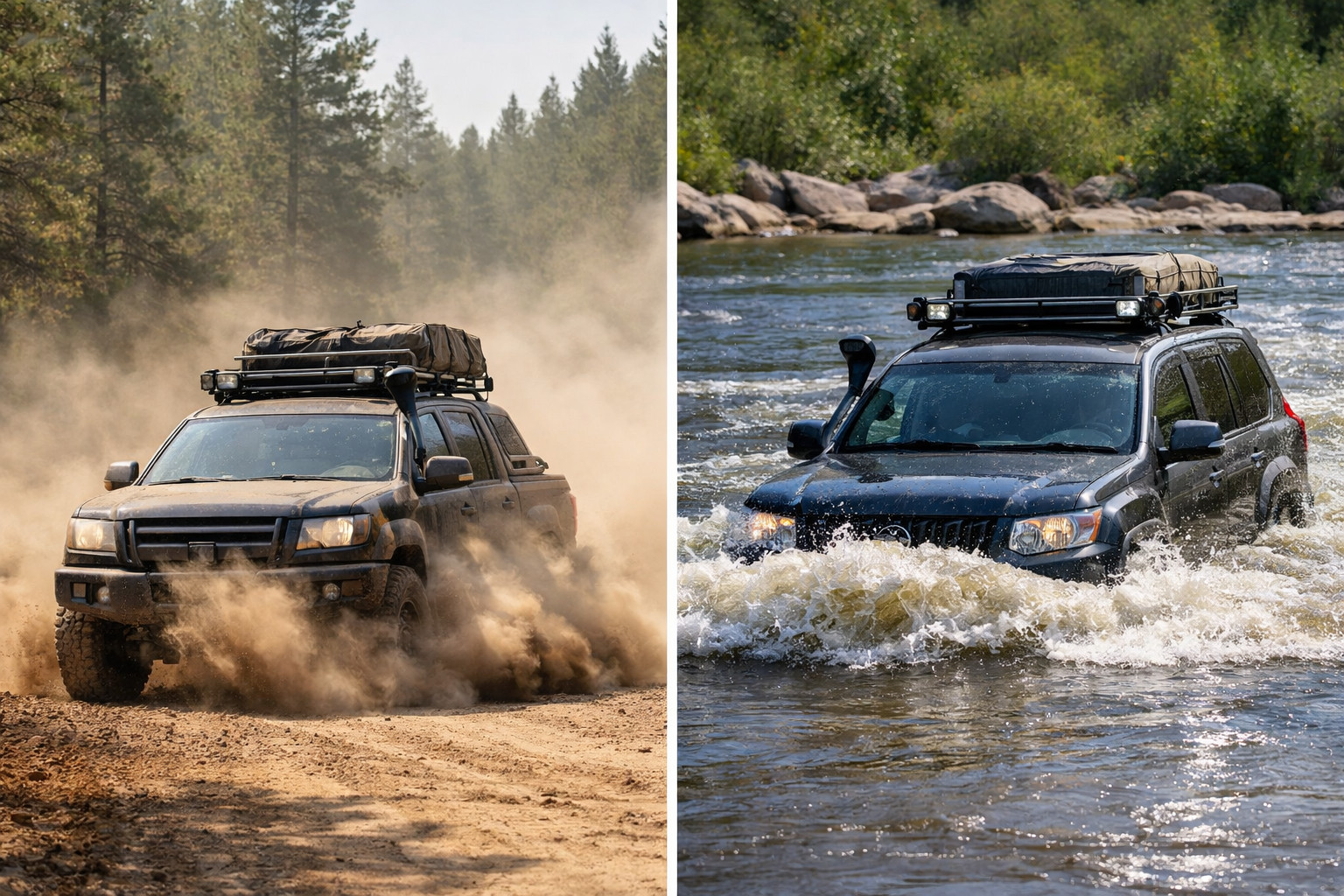
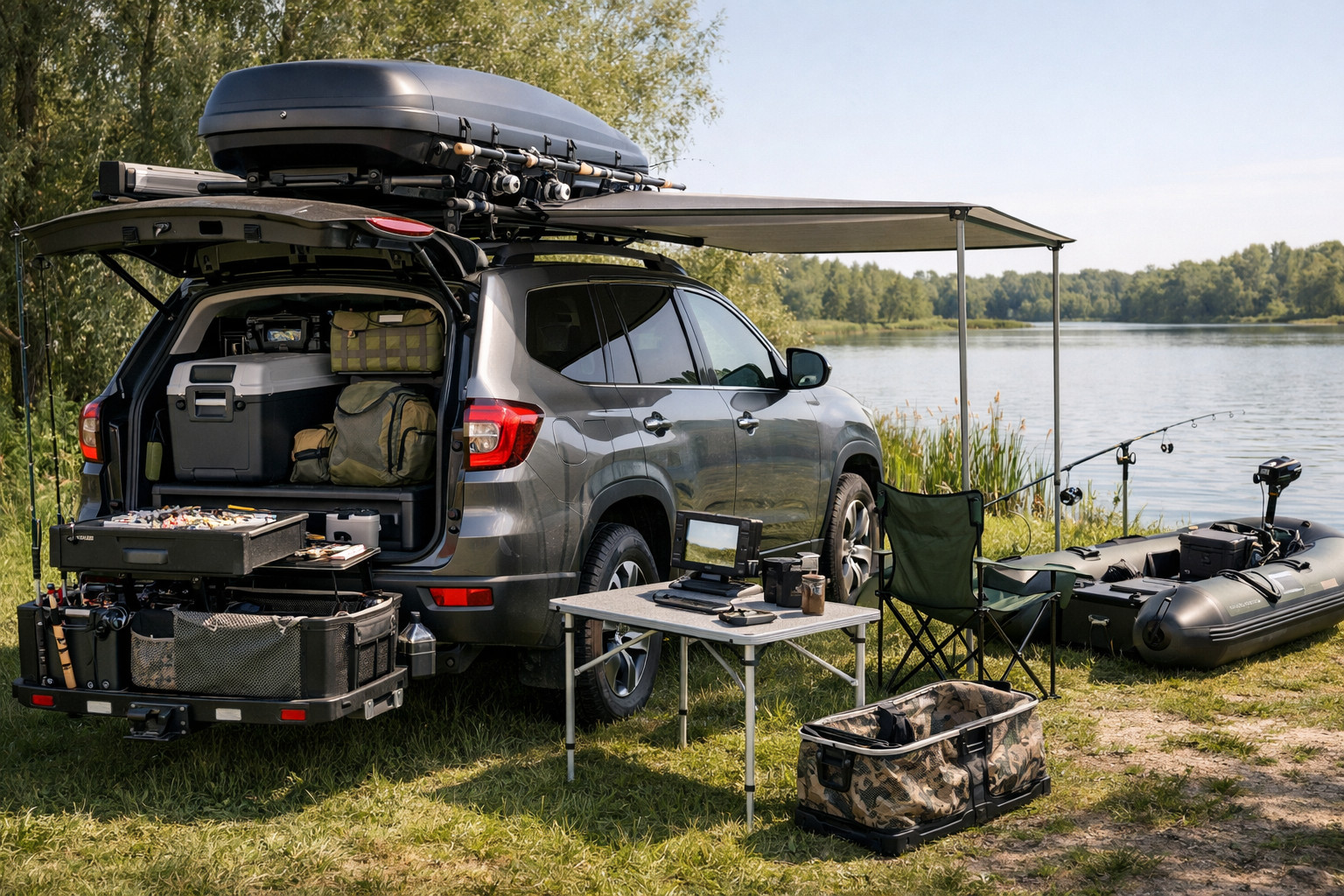
This upgrade plan is for those who drive to fishing spots regularly and want not a “pretty expedition,” but a proper working setup: tackle stays dry, rods don’t break, access to gear is fast, and the cabin isn’t a mess. In short, the right order is almost always: closed storage first, then convenient rod transport, and only after that comfort items.
The nuance is that the package depends heavily on the vehicle type and rod length. For a pickup with an open bed, the top priority is one thing; for a wagon or SUV, it’s another. If the rods are short, part of the job is handled by the cabin or diagonal placement; if they’re long, then an external tube, crossbars, or a dedicated holder starts to make sense.
What this upgrade needs to handle
A fishing upgrade should solve four things. First—protect tackle from water, dust, dirt, and prying eyes. Second—quick access, so you don’t have to reshuffle the entire bed just to reach a lure box or landing net. Third—safe rod transport without kinks and without impacts to the guides. Fourth—comfort at the spot, but only if it doesn’t reduce mobility.
In practice, what drains the most nerves isn’t the lack of an awning—it’s the mess: wet boots in the cabin, reels mixed in with tool boxes, rods lying on top of all the luggage. That’s why the basic upgrade should be not “touring,” but organizational.
What to upgrade first
Step one—create a dry, closed place for tackle. For a pickup, that’s a bed cover, roll-top cover, or canopy; for a wagon or SUV, it’s strict trunk organization, dedicated organizer bags, and separating wet from clean. If you have an open bed, spending money on roof accessories before you close the bed is usually illogical.
Step two—proper rod transport. The cheapest working solution is a DIY PVC tube with a soft lining. If your rods are up to 2.1–2.3 m and your vehicle allows you to lay them in without stress, external holders aren’t mandatory. But if the length is greater or your tackle is constantly transported assembled, then it makes sense to think about an external carrier.
Step three—small-scale organization: boxes, landing net, waders, rain gear, a flashlight, a first-aid kit. Without this, even an expensive bed upgrade quickly turns into a storage pile of clutter.
Upgrade: why you need it, who benefits (table)
| Upgrade | Why it’s needed | Who really benefits |
|---|---|---|
| Bed cover, roll-top cover, or canopy | Protects tackle from rain, dust, and unwanted attention; removes chaos from the cabin | Pickup owners who carry tackle all the time |
| DIY rod tube | A cheap, genuinely effective way to protect long rods | Those who want minimal cost and don’t need premium mounts |
| Drawer system for the bed | Makes access to boxes, tools, and small items fast and predictable | Those who travel often and carry lots of small gear |
| Crossbars or a roof rod holder | Moves long rods outside, frees up cabin and bed space | Those with long or already-assembled rods that don’t fit well in the bed |
| Awning | Provides shade and basic rain protection while parked | Those who stay at one spot for several hours rather than constantly moving |
| Car fridge | Keeps food, drinks, bait, or the catch at a stable temperature | Those who travel far, in heat, or overnight and have a thought-through power setup |
| Rooftop tent | Makes overnighting easier, but adds weight and takes up the roof | Only those who truly sleep in a vehicle format frequently |
DD Tuning expert comment: the most common mistake is buying an awning, platform, or expensive rod holder without addressing the basic storage problem. The second typical story is taking a heavy drawer system for rare trips and then getting annoyed by the loss of bed height. If you’re unsure, start with dry storage and a simple tube: it’s the cheapest way to understand what you actually lack.
What makes sense to add in the second stage
The second stage starts when the basic mess is already under control. This is where drawers come in—if you often carry lots of boxes and want to grab gear from the side rather than climbing into the bed. But you have to remember the weight: these systems are heavy and eat up some usable height.
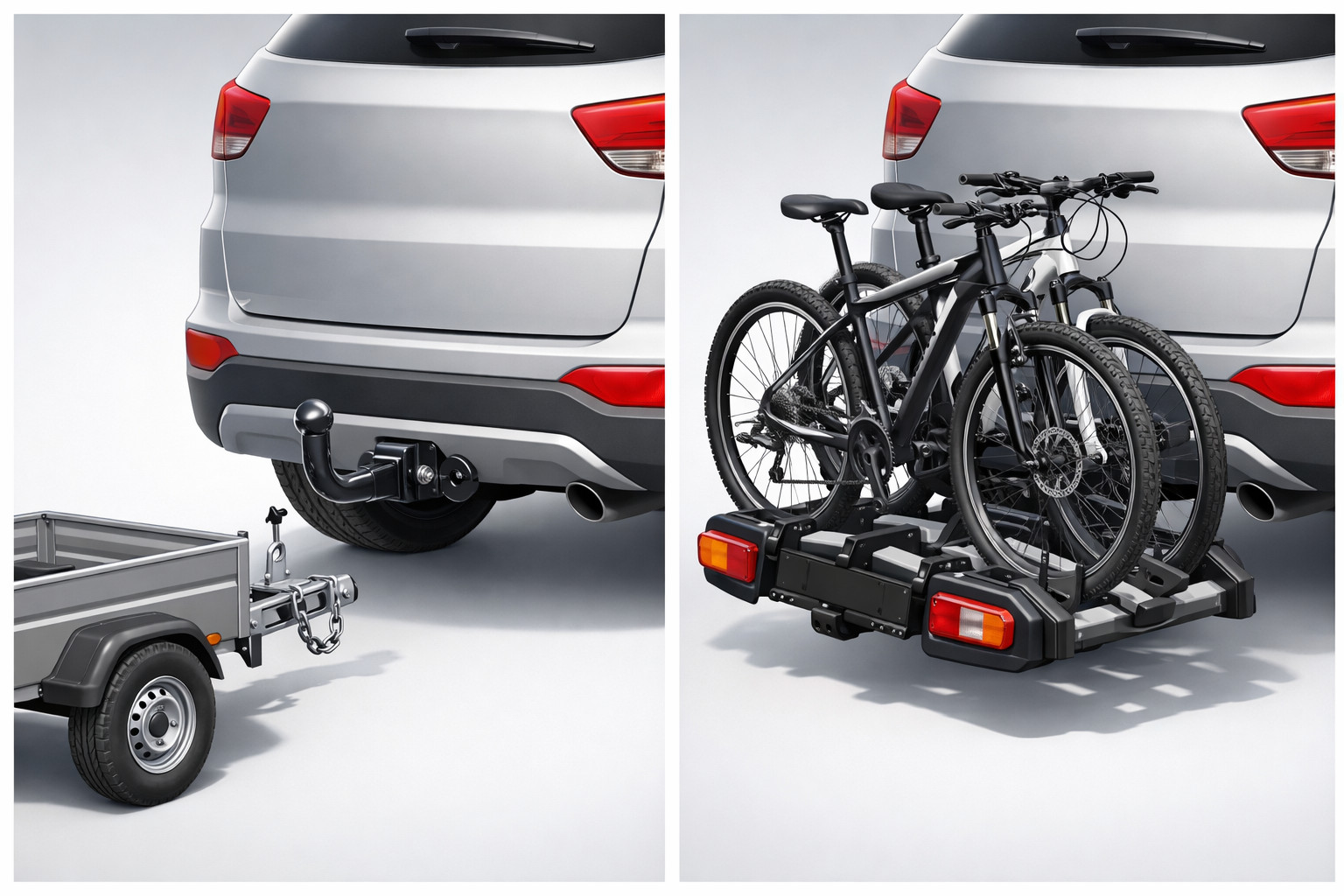
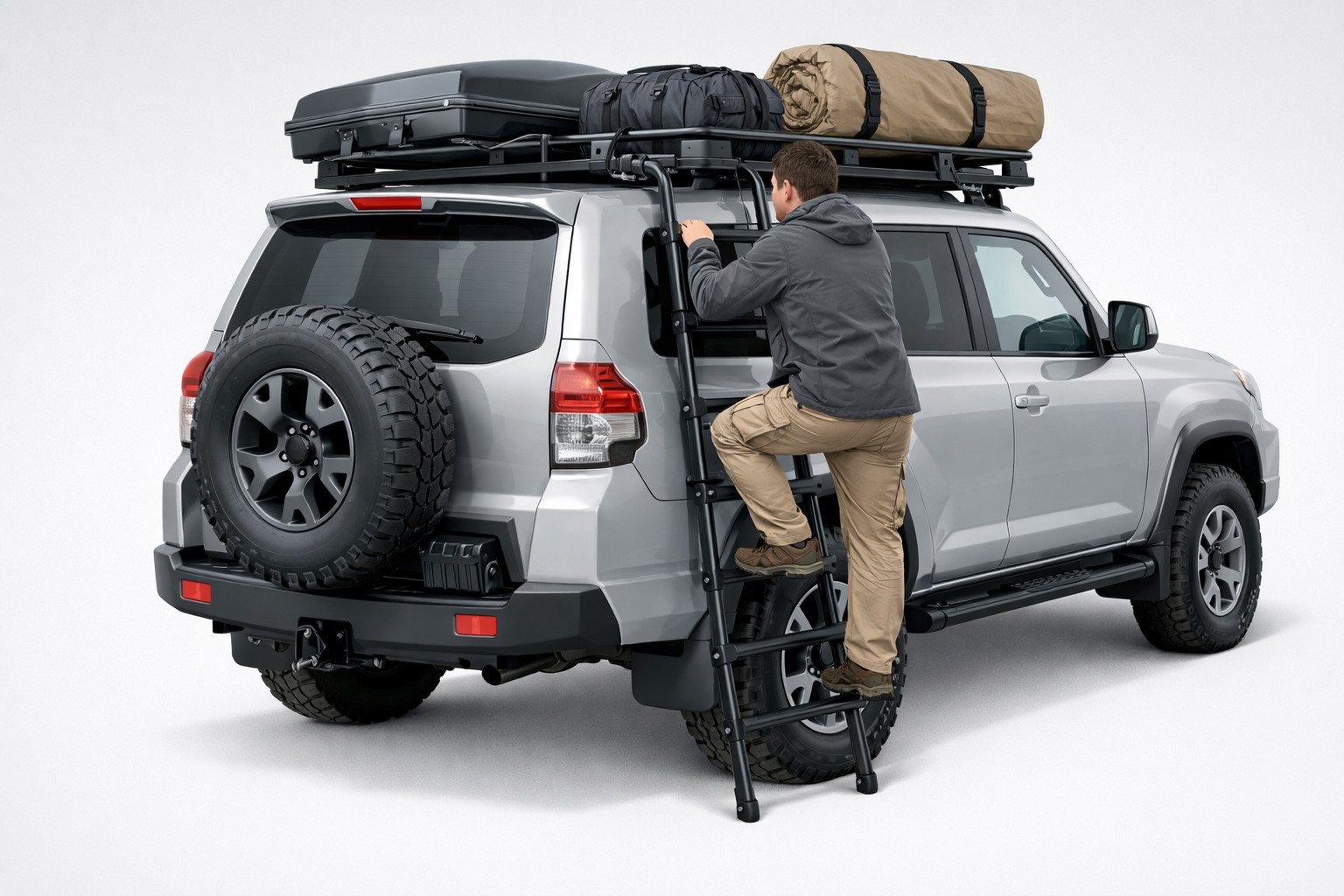
Also in the second stage are crossbars, a roof rack, or a separate carrier for long rods. This is justified when your tackle is 2.1–3.6 m, when it’s transported assembled, or when the cabin is already out of space due to passengers and other gear. If the rods are short and fit in the vehicle without risk, there’s no point overpaying for a roof setup.
What’s more about comfort or looks
An awning, fridge, campsite lighting, a roof platform, bars—these are no longer about basic functionality, but about convenience. They’re nice, sometimes very useful, but they don’t replace proper tackle storage. A large awning truly works if the vehicle sits for half a day in the sun or in light rain. But if you change several spots in a day, it starts to annoy more than it helps.
A car fridge isn’t universal either. By itself it solves nothing if there’s no 12/24 V power, no auxiliary battery, or at least a clear understanding of how it will run out on a trip. A rooftop tent should be assessed soberly: if you only sleep out a few times per season, it’s often an expensive, heavy decoration rather than a real tool.
What people often buy for nothing
Most often, people buy—unnecessarily—what looks “right” on social media but doesn’t match the real route. First: a big awning for people who fish in short sessions and keep moving. Second: a rooftop tent for those who almost never overnight on location. Third: an expensive roof platform without any need for a high load capacity.
Another common mistake is buying a premium rod holder when a simple tube would already solve the task. And conversely: saving on the mount but not adding lining and fixation—so rods rub, rattle, and get micro-damage. Overpaying for looks instead of the actual use case is the main source of unnecessary spending in this topic.
What to install first, what to postpone, what’s not required (table)
| Scenario | What to install first | What you can postpone | What is not required |
|---|---|---|---|
| Day trips without overnight stays | Closed tackle storage, a tube or orderly rod storage | Crossbars, drawers | Rooftop tent, large fridge |
| Pickup with an open bed | Bed cover, roll-top cover, or canopy | Drawers, external rod holder | Roof platform just for looks |
| Long rods and constant transport assembled | A reliable tube or external carrier | Awning, fridge | Decorative bars with no function |
| Frequent long trips in hot weather | Closed storage, bed organization | Fridge with separate power, awning | Rooftop tent if overnighting is rare |
| Regular overnight stays on location | Closed storage, orderly rod storage | Awning, fridge, sleeping solution | Expensive holders if there’s a simple working solution |
A ready upgrade plan for this scenario
- Assess your real format: how many trips per month, whether there are overnights, rod length, and how many people are in the vehicle.
- Cover the issue of dry storage for tackle and small items. For a pickup, this is priority number one.
- Create a dedicated rod solution: either a simple tube, or an external mount if the length doesn’t allow transporting them inside.
- Only then decide whether you need drawers. If you travel often and have lots of boxes—yes. If not, you can do without.
- Add comfort items only for your routine: an awning for long stops, a fridge for heat and long trips, a sleeping solution for regular overnights.
- Anything bought “just in case” without a clear use case is better postponed.
When it makes sense to choose more expensive solutions
More expensive solutions are justified when you travel often—not once a season—and have already hit the limits of simple options. If a pickup is constantly loaded with tackle, it makes sense to look not only at soft bed closures, but also at roll-top bed covers or more rigid configurations. If the vehicle sits for hours at the spot under sun or rain, then awnings are logical—not an impulse buy “because it looks good.”
The roof is a separate cost escalation. Roof racks and crossbars make sense when you need to move long rods outside, combine multiple accessories, or install heavier solutions. But before that, it’s worth checking the real load rating of your specific vehicle, rather than relying only on the accessory catalog.
From a customer’s experience: someone arrived with the idea of immediately installing a big awning and a roof sleeping solution because fishing trips felt “expedition-like.” After breaking down the scenario, it turned out that 90% of trips were day sessions with no overnight stay, but the tackle was constantly getting wet in the bed and getting in the way in the cabin. In the end, they installed bed closure and a simple rod solution first, and postponed the expensive comfort items—and that’s what delivered a noticeable effect.
Conclusion
For fishing, what truly works isn’t the most expensive package, but the one assembled in the right order. Close out storage and organization first, then solve the rod question, and only after that add comfort. An awning, fridge, or sleeping solution can be useful—but only when the basic tasks are already covered and the scenario genuinely calls for it.
This material is based on real selection experience, hands-on practice, and real usage scenarios: what people install first, what delivers everyday value, and what often turns out to be an expensive but secondary add-on.
How it works
- Assess Your Scenario First, determine exactly how you fish: whether you stay overnight, how many trips you make per month, how long your rods are, and how much gear you carry. This will determine what should go on first and what you won’t need at all.
- Set Up Dry Storage Start by protecting your gear from water, dust, and dirt, and clear the clutter in the cabin or bed. For a pickup, that means a bed cover, roller cover, or canopy; for an estate or SUV, it means keeping the trunk organized and separating wet from clean.
- Organize Rod Transport Set up a separate solution for rods: a simple PVC tube with soft lining or an external carrier if the rods are long or are always transported assembled. If their length allows you to safely place them inside, you can skip expensive mounts.
- Add Convenient Storage for Small Items Once the basic mess is already cleared, organize boxes, landing net, waders, rain gear, flashlight, and first aid kit. If needed, you can move on to drawers in the bed, but only if you often carry a lot of small gear and are willing to accept the weight and loss of height.
- Choose Comfort According to Your Use Pattern Add an awning, car fridge, roof tent, or lighting only for a real scenario: long stops, heat, long-distance trips, or regular overnight stays. If you often move around or rarely sleep overnight, these items will be more of an unnecessary expense.
- Don’t Buy What Doesn’t Solve Your Need Put off decisions that look impressive but don’t fit your travel style: a large awning, a roof tent, or an expensive platform without a real need. First cover storage and rods, and only then decide whether you really need more expensive accessories.
Pros and cons
Closed storage for tackle really removes wet gear, dust, and chaos from the cabin or trunk. For regular trips, it’s a basic thing that delivers the biggest practical benefit.
A simple PVC tube with a soft lining is a cheap, effective solution for transporting rods. It covers the task of protecting long gear without overpaying for complex mounts.
A drawer system in the trunk is convenient for those who often carry a lot of small equipment. It makes access to boxes, tools, and small items quick and predictable.
Roof bars or a roof rack are justified when rods are long or carried assembled. It frees up the cabin and trunk when there isn’t enough space inside anymore.
An awning, car fridge, and sleeping setup make sense in their own scenarios: long stops, heat, overnight stays. In other words, it’s not “extra,” but useful additions if the travel pattern really calls for them.
Heavy solutions like drawers or a roof setup can eat into the vehicle’s usable height and add weight. For rare outings, this can be more inconvenient than it seems at the time of purchase.
Many expensive accessories don’t solve the core problem if dry storage for gear isn’t set up. An awning, platform, or premium holder can easily turn into an unnecessary expense.
A car fridge is of no use without a well-thought-out 12/24 V power supply or a separate battery. In that case, it’s just another item you have to carry and plug in.
A roof tent is a poor fit if overnight stays happen only a few times per season. In that scenario, it’s described as an expensive and heavy item rather than a practical necessity.