
































































 Author: Radomskyi Maksym Vasyliovych
This is a modification plan for a Mercedes GLS X167 owner who carries family, kids’ gear, suitcases and every now and then hits the question: do you already need the roof, or can you still sensibly manage with the cabin and trunk. This isn’t a show-car scenario—it’s about 4–7 passengers, a stroller, scooters, bags, and vacation trips without chaos in the cabin.
The GLS is very spacious on its own, but the need for upgrades depends heavily on how often the third row is up. When four people travel and some seats are folded, there’s usually plenty of space. When there are six or seven people in the cabin, the cargo area no longer feels bottomless, and that’s when roof solutions become logical—but not first in line.
What this upgrade needs to accomplish
In a family scenario, the upgrade must solve three things: keep the trunk clean and intact, eliminate small clutter on the road, and provide extra volume for a vacation without constantly stacking the cabin to the ceiling. For the GLS X167 this matters even more because the car is large, but daily discomfort is usually caused not by a lack of liters, but by dirt, scratches on the loading sill, and items rolling around the trunk.
The roof isn’t necessary for everyone. If the third row is used rarely and the main mode is 4 people with the rear of the cabin folded, the factory volume is often enough. If, however, all seats are regularly occupied on trips, then it really makes sense to move some soft and seasonal items upstairs—but with consideration for noise, vehicle height, and the roof load limit.
What’s worth doing first
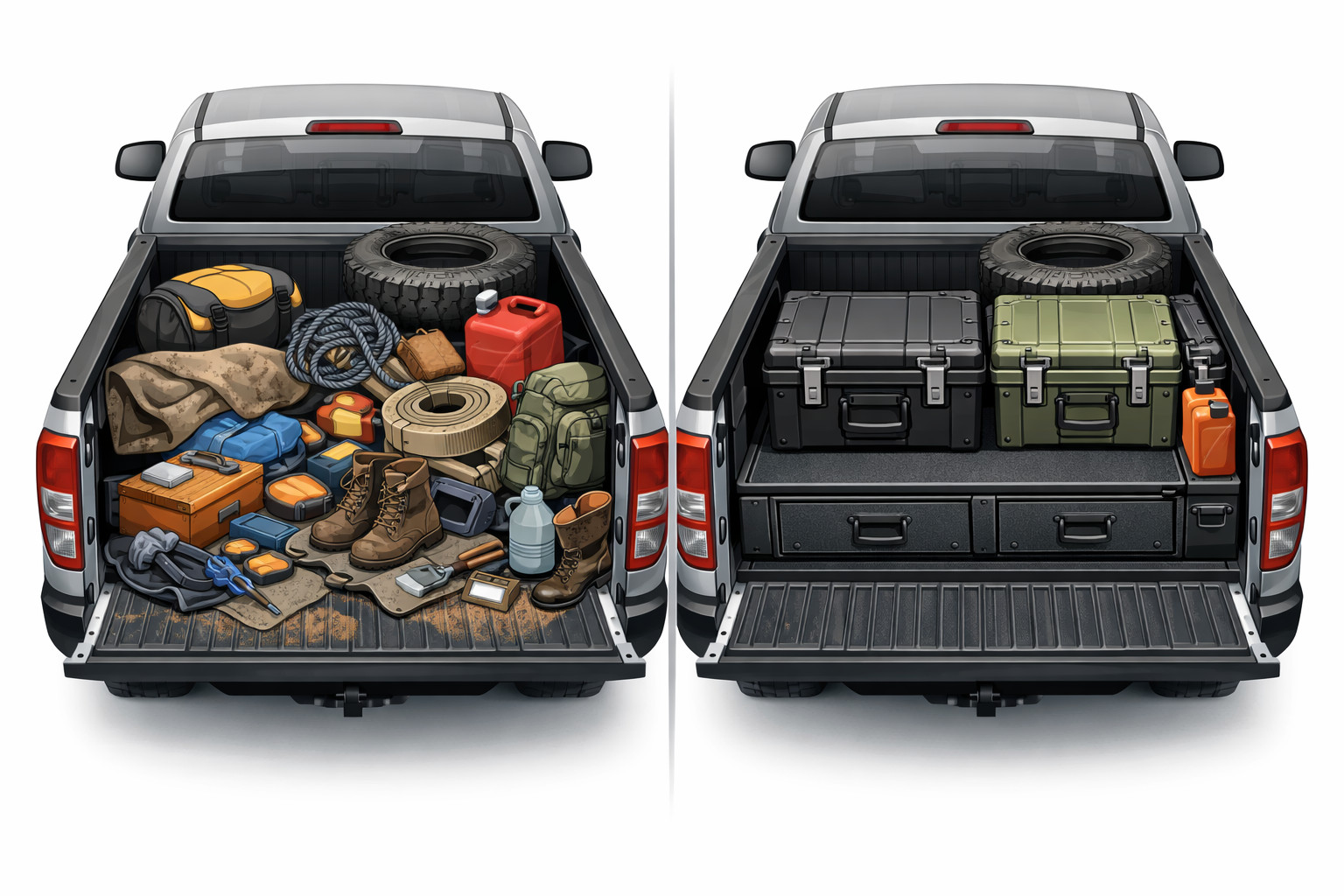
The first step for this kind of GLS is protecting the trunk and the loading area. This is where dirt from a stroller, wet bags, sports gear, and kids’ items ends up. A practical trunk liner and a sill protector bring more everyday value than any expensive roof component, because they immediately reduce wear and make cleaning easier.
The second must-do step is organizing the small stuff: bags, first-aid kit, cables, a pump, kids’ accessories. In a large trunk, without securing anything, everything quickly turns into a mess. Only after that does it make sense to look at crossbars—because often, after basic organization, you’ll find that for most trips the cabin and trunk are already enough.
Upgrade: why it’s needed, who benefits (table)
Below is a brief logic for the key upgrades specifically for the family scenario.
| Upgrade | Why it’s needed | Who really benefits |
|---|---|---|
| Trunk liner and sill protector | Protects the surface from water, sand, stroller wheels, suitcases, and scratches during loading | Pretty much all GLS X167 owners, especially families with kids and active trips |
| Trunk organization and securing small items | Eliminates chaos, reduces items rolling around, speeds up day-to-day use | Those who carry lots of small items and don’t want to constantly unpack the trunk |
| Rubber floor mats in the cabin | Makes care easier after rain, snow, kids’ shoes, and trips out of town | Families who often drive in any weather, not only in the city |
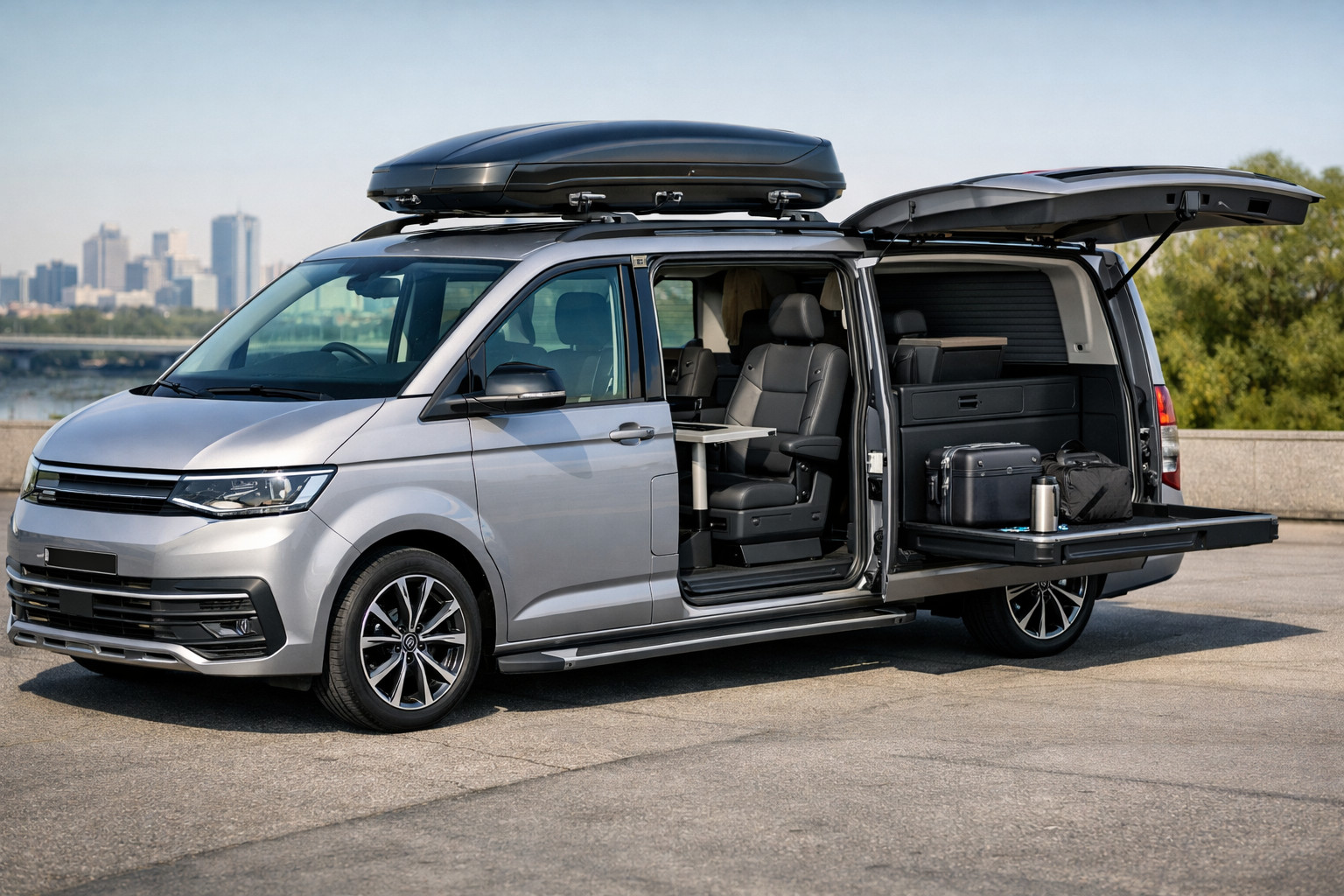
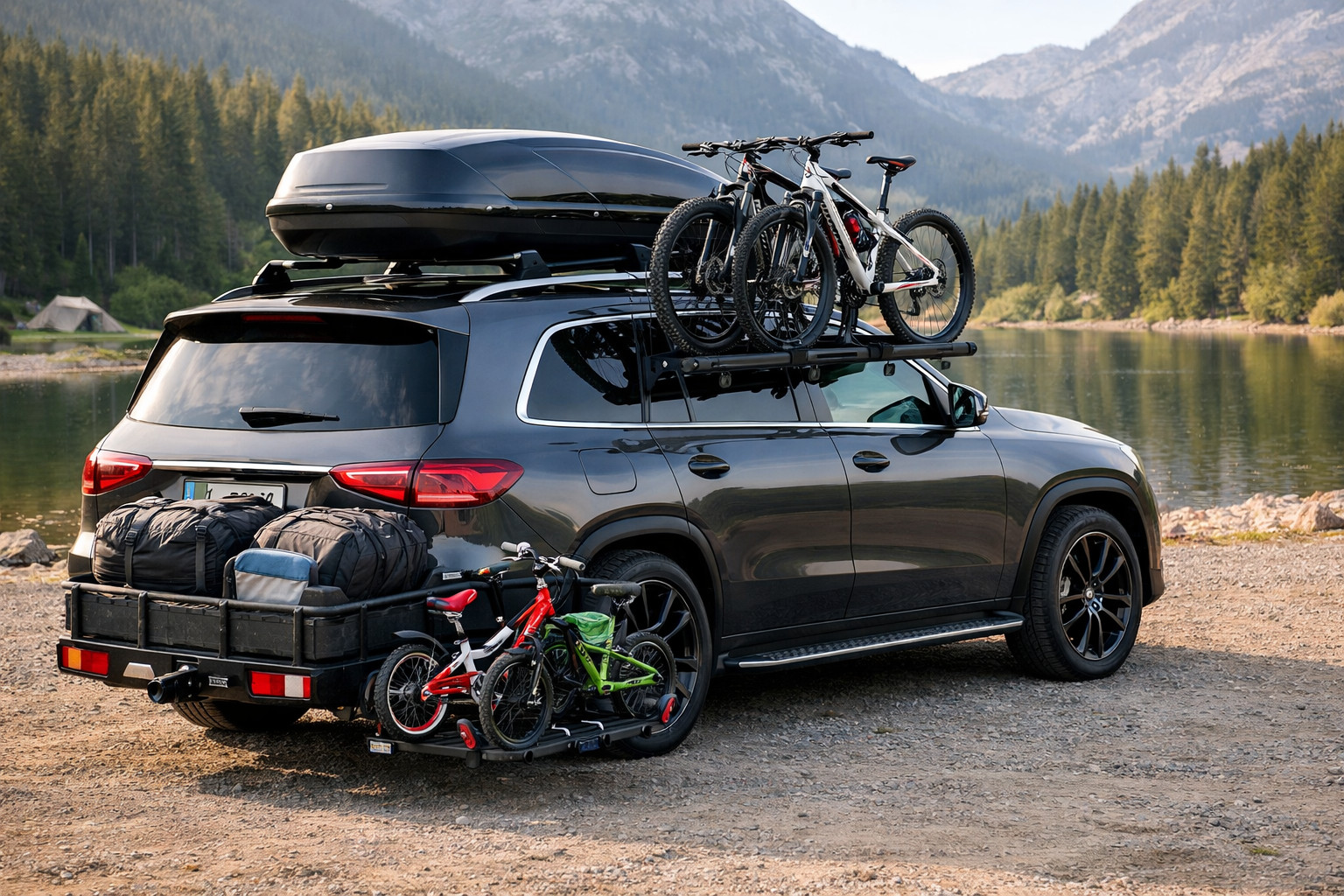
| Crossbars on the rails | Create the base for a cargo box and other roof equipment | Those who truly can’t fit things with the third row up or often go on vacations |
| Roof box | Frees up space in the cabin and trunk for soft, bulky, or seasonal items | Crew of 6–7 people, winter trips, long family routes |
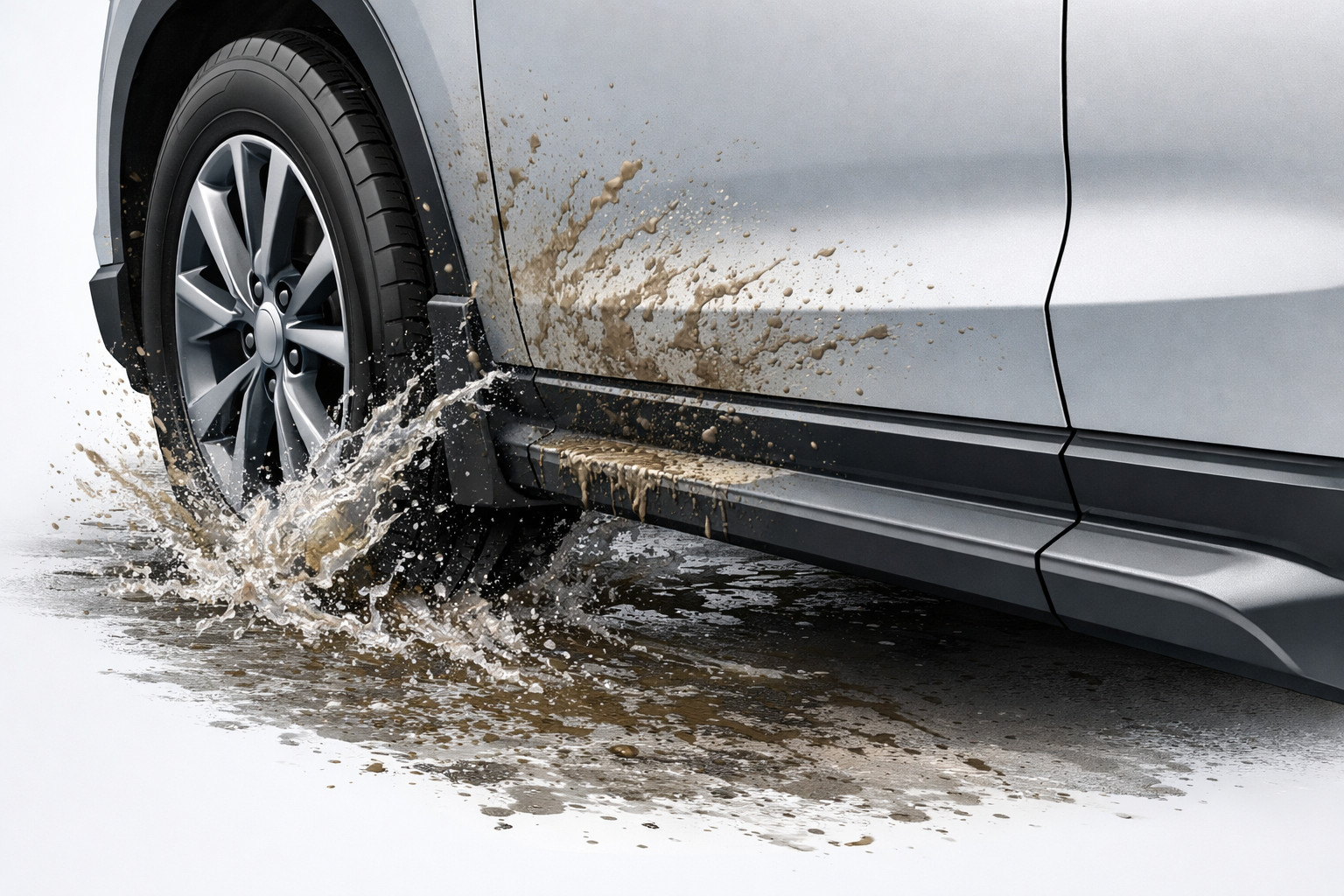
| Mud flaps or wind deflectors | Add everyday convenience, but don’t solve capacity | Those who drive a lot on highways or muddy roads and want less minor grime on the body |
DD Tuning expert comment: the most common mistake with the GLS X167 is buying a big roof kit before the first truly fully loaded trip. After proper trunk organization, some owners realize the roof is needed only a few times a year. The second typical mistake is not checking the overall vehicle height, available load margin, and panoramic roof operation after installing crossbars.
What makes sense to add in the second stage
The second stage starts after 1–2 family trips with full loading. If things no longer fit without compromises for second- and third-row passengers, then crossbars and a roof box become justified. But it’s important not to buy the maximum “just in case”: a large box adds noise, increases overall height, and eats into the allowable roof load.
Separately, it’s worth thinking about second-row comfort if kids or adults often travel long distances. For this scenario, the useful items aren’t decorative—they’re proper gadget organization, charging, places for small items, and anything that reduces fatigue on the road. If the vehicle is still being chosen by trim level, rear comfort packages and upgraded climate control make more sense than larger wheels or exterior decor.
What’s more about comfort or appearance
In this group I would include factory or expensive comfort options for rear passengers, acoustic comfort, as well as things like side steps, deflectors, or decorative trim pieces. They can be appropriate, but they don’t solve the core task of a family GLS: clean loading, order in the trunk, and proper distribution of items on a trip.
For looks, people also often install crossbars “so it looks travel-ready.” In practice, it’s a questionable compromise: if the roof isn’t used regularly, crossbars simply add noise and make the car less comfortable for everyday driving.
What people often buy for nothing
Most often, people waste money on the most expensive or the biggest box without checking the real need. For a family of four that doesn’t use the third row on every outing, it’s often unnecessary. Another typical story: they bought a box, and then for most of the year it sits unused because the trunk is sufficient anyway.
The second unnecessary expense is investing in looks before function. Decorative side steps, trim, or body kits don’t make loading more convenient and don’t protect the trunk from wet suitcases. If the use case is family-oriented, overpaying for visual effect often delays the things you actually need.
What to install first, what to postpone, what’s not mandatory (table)
| What to install first | What can be postponed | What is not mandatory |
|---|---|---|
| Trunk liner and sill protector — everyday protection from dirt and scratches | Crossbars — until the first one or two trips with full family loading | Decorative body kits — they don’t affect family logistics |
| Trunk organization — so small items don’t live in a pile | Roof box — only if the lack of space repeats, not if it happened once | Permanently installed crossbars — if the roof is used rarely, there’s little point |
| Rubber floor mats in the cabin — if kids ride often and there’s rain, snow, mud | Second-row comfort — after the luggage and seating questions are solved | The biggest available box — without checking parking height and the weight of your cargo, it’s a risky purchase |
A ready upgrade plan for this scenario
- Assess your real usage mode: 4 people or 6–7, and whether the third row is used constantly or occasionally.
- Install trunk and sill protection, because it pays off from day one.
- Organize the trunk: small items separately, dirty or wet items separately, and what you need to grab quickly on the road separately.
- After that, take one or two normal family trips without buying roof gear and see what exactly is missing: volume, ease of access, or order.
- If space is consistently tight, then get crossbars and choose a box for your scenario—not by the “the bigger, the better” principle.
- Only after logistics are sorted add second-row comfort or exterior accessories, if they’re truly needed for your route.
When it makes sense to choose more expensive solutions
More expensive solutions are justified when the roof is not decorative but working: several long trips per season, regular highway driving, six to seven passengers, and a constant lack of space with the third row up. In that case, it’s logical to look at precise turnkey crossbars, compare all roof racks for the GLS X167, and not save on basic protection—for example, with a proper trunk liner.
In the premium segment, what matters isn’t “coolness” but predictability: precise fit, locks, easy installation, less chance of whistling, proper geometry for a box, and peace of mind about compatibility. For the GLS X167 this is especially relevant because roof weight margin isn’t unlimited: after the weight of the crossbars and the box itself, the useful payload for your gear is already noticeably less than the formal 100 kg. You also need to separately check parking height, tailgate opening, and panoramic roof operation.
From a customer’s experience: in a family GLS X167 they initially wanted to buy a large roof box right away, because it seemed the trunk wouldn’t be enough. After installing trunk protection, getting things organized, and doing one test trip, it turned out the roof was only needed for big vacations with all seats occupied. In the end, they chose the roof base without rushing, and everyday comfort came from proper organization of the cargo compartment.
Conclusion
For the Mercedes GLS X167 in a family scenario, the right order is simple: first protection and order in the trunk, then solutions for second-row passengers, and only after real trips are tested—a roof system. This approach saves money, avoids overpaying for looks, and helps you buy items for the task, not for the mood.
This material is based on real selection experience, practical work, and real use cases: what truly works every day, what’s worth adding as a second stage, and what’s better not to buy until the car shows a real need.
How it works
- Assess the real travel pattern First, determine how often 4 people ride in the cabin and how often the third row is used for 6–7 passengers. This will show whether the standard trunk is enough or whether there is already a steady need for roof cargo.
- Protect the trunk and loading sill As your first upgrade, install a trunk mat and sill protection. This will reduce wear from a stroller, suitcases, wet bags, and scratches during daily loading.
- Organize the cargo area Separate small items, dirty or wet things, and objects that need to be within easy reach on the road. In a large trunk without securing, items quickly create chaos and make the car less convenient to use.
- Test the car on a real family trip Take 1–2 normal trips without buying a roof setup and see what exactly is missing: space, order, or ease of access. Often, after proper trunk organization, the need for a roof arises only occasionally.
- Add crossbars and a box only if space runs out again If items still do not fit consistently when fully loaded, then it makes sense to get crossbars and choose a box for your scenario. Do not automatically pick the largest set: consider the vehicle height, the weight of the items, and roof compatibility.
- After logistics, address comfort and exterior options Only when the luggage question is settled can you think about second-row comfort or exterior accessories. They are useful, but they do not replace the basic solution: a clean trunk, order, and enough capacity for family trips.
Pros and cons
A trunk mat and sill protection provide a noticeable everyday benefit: less dirt, fewer scratches, and easier cleanup after a stroller, suitcases, or wet bags.
Cargo organization and securing small items really eliminate the chaos in a large compartment, so things don’t roll around and you don’t have to empty everything out each time.
Rubber floor mats in the cabin are practical for family trips in rain, snow, and out of town, as they make cleanup after children’s dirty shoes easier.
Crossbars and a roof box are useful precisely when 6–7 people often ride in the car or the third row is occupied, and bulky items need to be moved onto the roof.
A step-by-step approach with checking real trips helps avoid buying unnecessary items and понять whether a roof is really needed, or if organizing the cabin and trunk is enough.
Roof solutions are not a primary necessity: if the third row is used rarely, the factory trunk is often enough without extra expense.
Permanently installed crossbars add noise and make the car less convenient in everyday use if the roof is used infrequently.
A large box takes up part of the permitted roof load, raises the overall vehicle height, and can create problems with parking and clearance.
Decorative trim, side steps, and body kits do not solve family logistics: they do not protect the trunk from dirt and do not add extra space for belongings.