22.06.2026
329
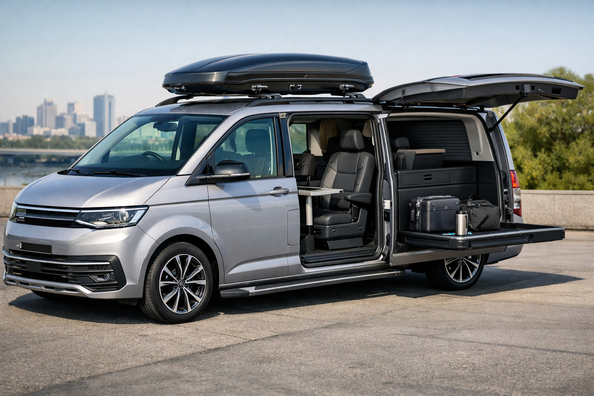
This upgrade plan is for those who use the Volkswagen Transporter T7 for everyday work: intercity trips, client meetings, passenger transfers, or hauling goods and tools. In this scenario, what works best isn’t cosmetics, but a set of solutions that reduces highway fatigue, makes parking easier, and protects the cabin and cargo area.
It’s important to look at the body style and configuration right away. With a long-wheelbase panel van, the focus will be on load securing, floor protection, and visibility; with a passenger version for up to 8–9 seats, more important are step-in comfort, a clean interior, heating, device charging, and quick maneuvering near offices, hotels, and train stations.
For the “intercity + business” scenario, the upgrade should solve three tasks: not exhausting the driver on long stretches, not slowing down work in the city, and not turning the interior into a consumable. On the Transporter T7 this is especially important because the dimensions, wheelbase, number of seats, and cargo volume significantly change how the vehicle behaves in real work.
If it’s a panel van, the main thing is that the cargo doesn’t slide around the compartment, the floor doesn’t get destroyed in a season, and parking doesn’t eat up time and nerves. If it’s a passenger transfer format, what matters isn’t body kits, but a clean entry, proper rear visibility, comfort for the second row, and the ability to cover a few hundred kilometers a day.
Separately, keep in mind that not all versions are equally suitable for a passenger scenario: before ordering, you should check the number of sliding doors, the partition type, the seat layout, and the availability of driver-assistance systems in your exact trim.
Top priority is visibility and parking. For a vehicle over five meters long, a rear-view camera, parking sensors, and for active city work also a 360-degree view deliver a bigger effect than any exterior decor. It reduces the risk of minor contacts and speeds up pulling up to a loading ramp, office, or hotel.
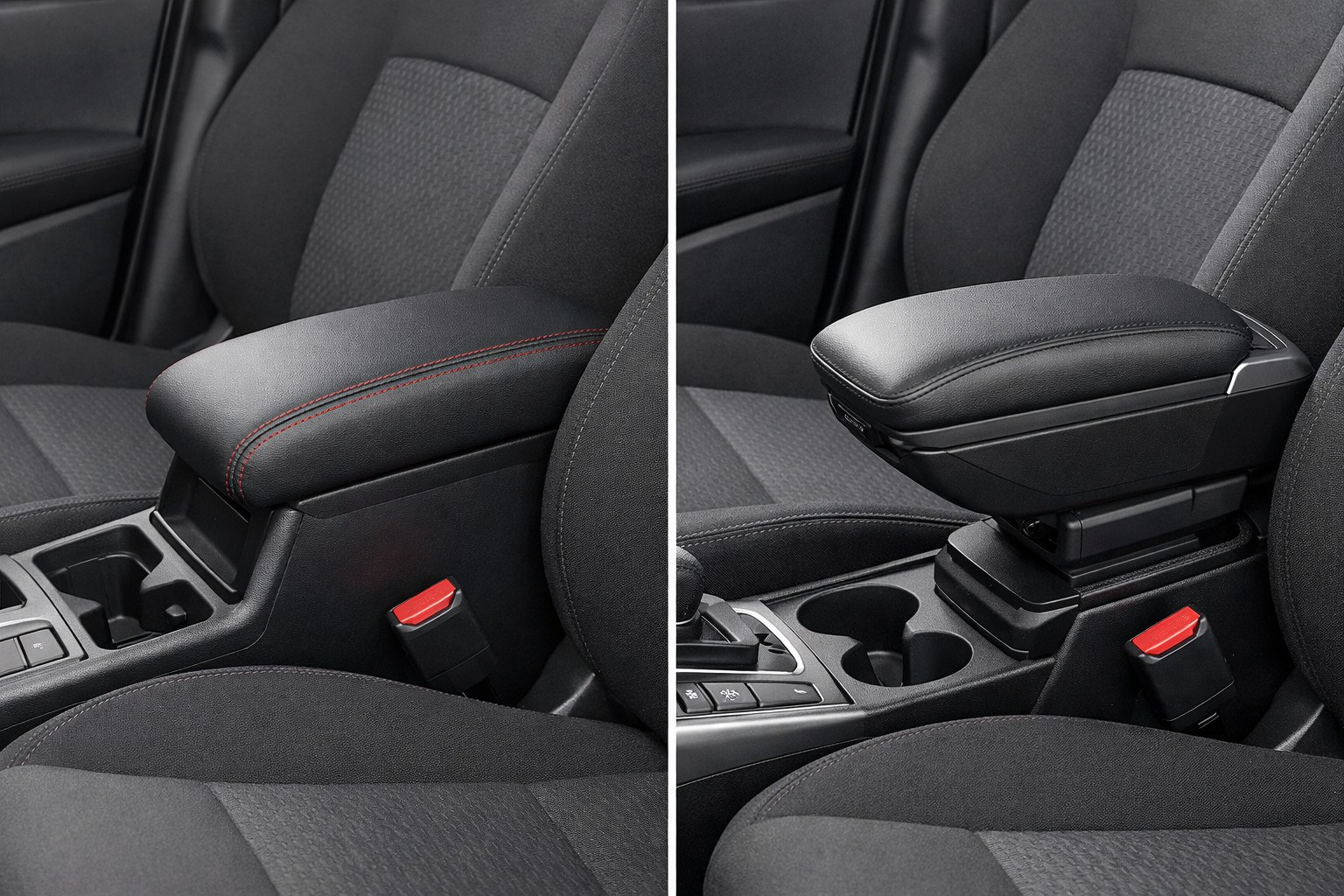
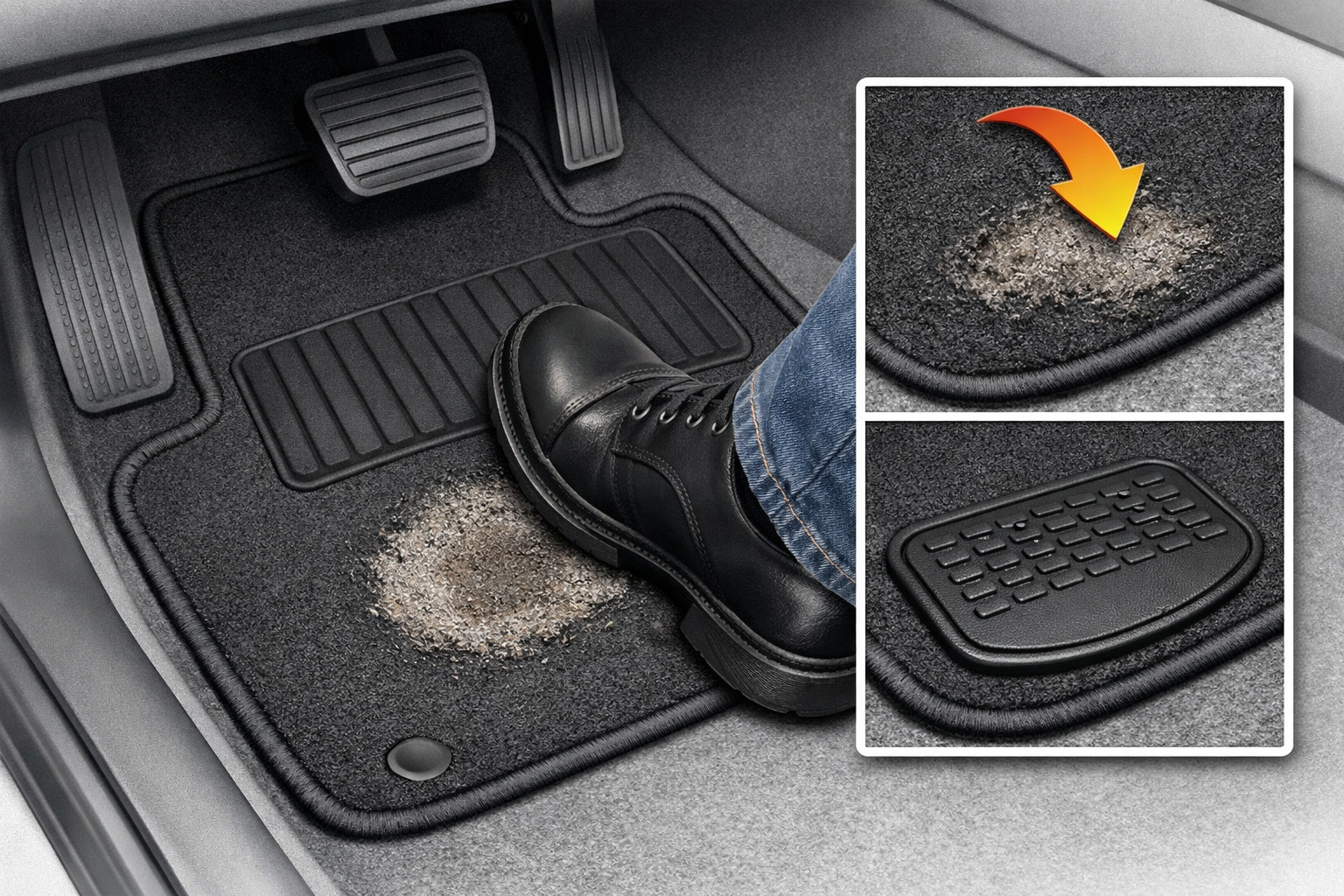
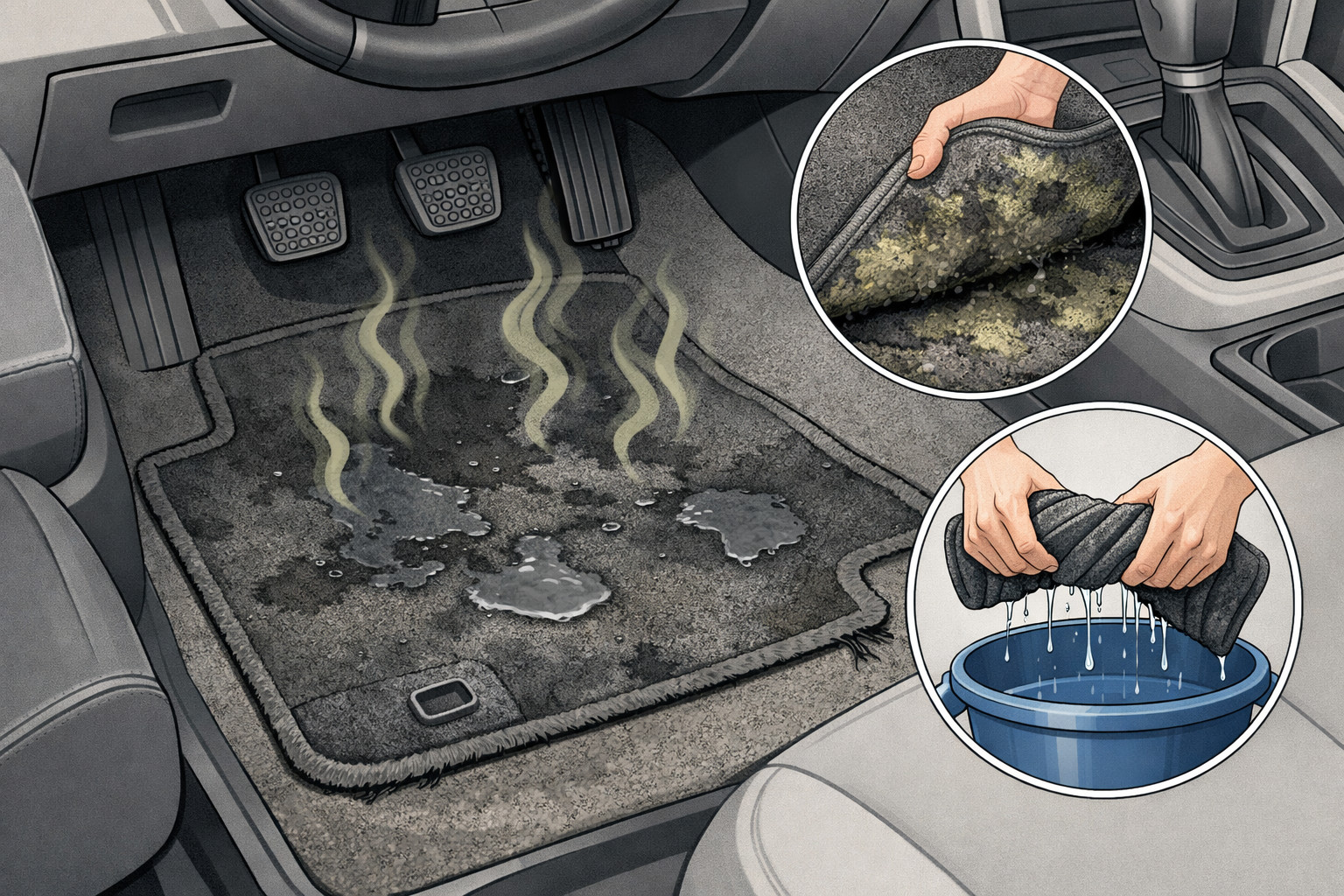
Second priority is protecting the cabin and cargo area. Rubber floor mats, floor protection, cargo tie-down organization, nets, or other securing elements are needed almost always. On long-wheelbase versions and when working with boxes, suitcases, or tools, this is basic operating hygiene, not “tuning for tuning’s sake.”
The third step is what truly makes highway driving easier: adaptive cruise control, lane keeping, blind-spot monitoring, heated seats, convenient power for gadgets. If the vehicle hasn’t been bought yet, it’s better to get these from the factory. If the vehicle is already in service, you handle protection and visibility first, and only then comfort.
| Upgrade | Why it’s needed | Who it truly benefits |
|---|---|---|
| Rear-view camera, parking sensors, 360-degree view | Reduce the risk of minor damage and save time in tight courtyards and narrow parking lots | Anyone who works daily in the city and on intercity routes with frequent stops |
| Rubber floor mats and floor protection | Make cleaning easier and protect surfaces from dirt, water, and abrasion | Vans, shuttles, service vehicles, family and corporate carriers |
| Cargo securing: nets, tie-down points, compartment organization | Prevents load shifting, reduces noise and losses from impacts against the body | Those who carry boxes, equipment, tools, suitcases |
| Digital rear-view mirror or rear camera with a solid partition | Restores proper visibility when the rear window is blocked by a partition or cargo | Vans and converted vehicles without full rear visibility |
| Heated seats, convenient device charging, additional power | Reduce driver fatigue and simplify the workday on the highway | Those who spend many hours behind the wheel and rely on navigation and a phone |
| Tow hitch | Adds towing capability if a trailer is part of the job | Only for those who actually tow; not required “just in case” |
| Targeted sound insulation after choosing proper tires | Reduces highway fatigue, but only if basic noise sources are addressed first | Those who drive a lot between cities and have already sorted tires and seals |
DD Tuning expert comment: the most common mistake with the Transporter T7 is starting with nice wheels, trim pieces, and full soundproofing before addressing parking, the floor, and load securing. The second typical story is buying a tow hitch or roof system without a real use case. If the vehicle is already in service, the best payback comes from upgrades that save time, cleaning, and small repairs every day.
Once the basics are covered, it makes sense to add things for a long day behind the wheel as the second stage. That means quality highway-oriented tires, targeted noise work in the doors or wheel arches, heated seats, additional power in the cabin and, for certain configurations, a digital mirror. This is where you feel the difference between “livable” and “can calmly work 500 km in a day.”
For the EV version and the hybrid, a heat pump, all-season tires, and a high-power outlet in the cabin or in the rear are separately justified if the vehicle powers work devices. For the diesel, the priority usually shifts toward seat comfort, tires, and a properly organized cargo compartment.
If you sometimes need to carry loads on the roof, then as a second stage you can look at a roof system. But it’s important not to exceed the roof load limit and to remember that a permanent rack adds noise and fuel consumption, so it’s best installed for real logistics, not as a backup.
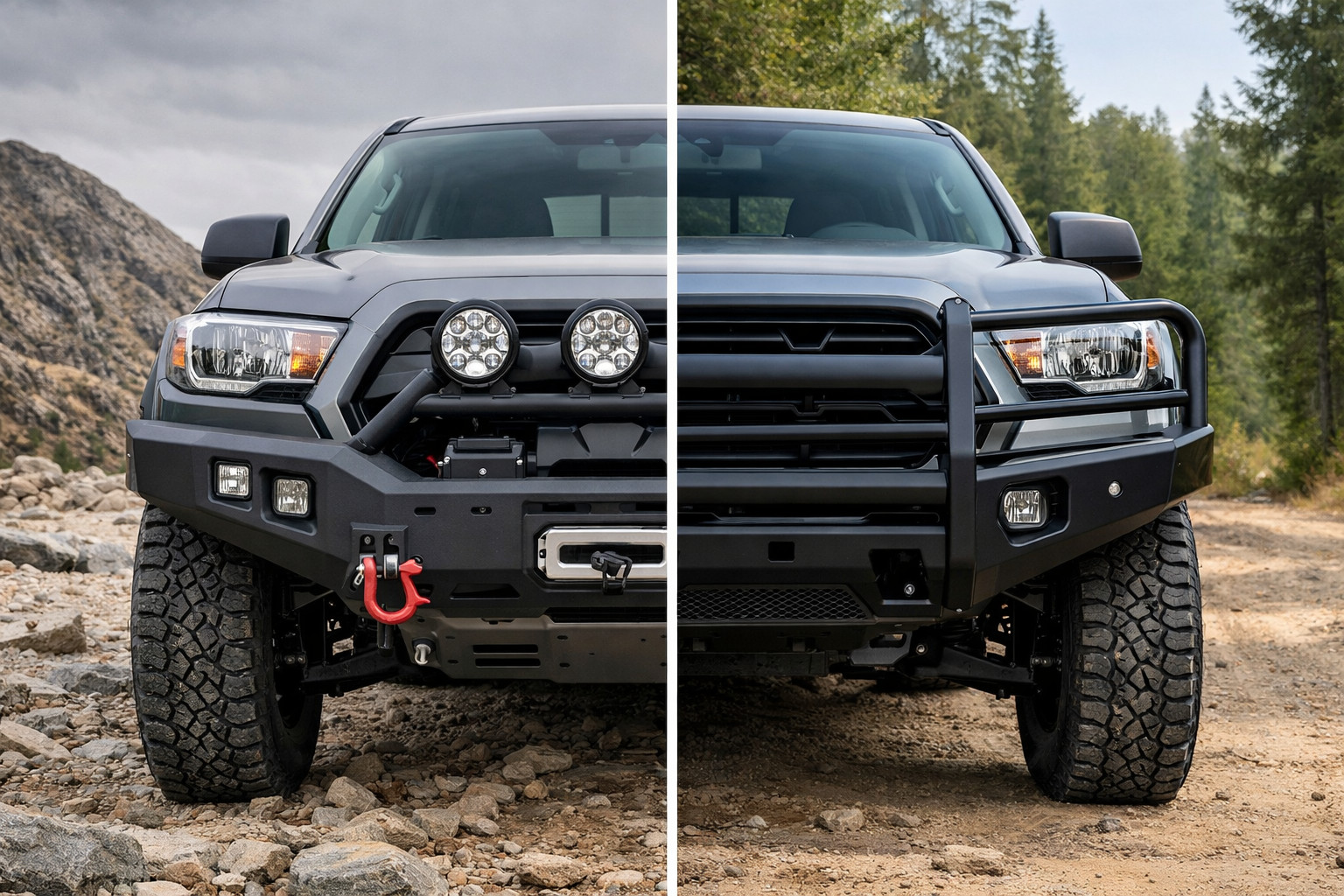
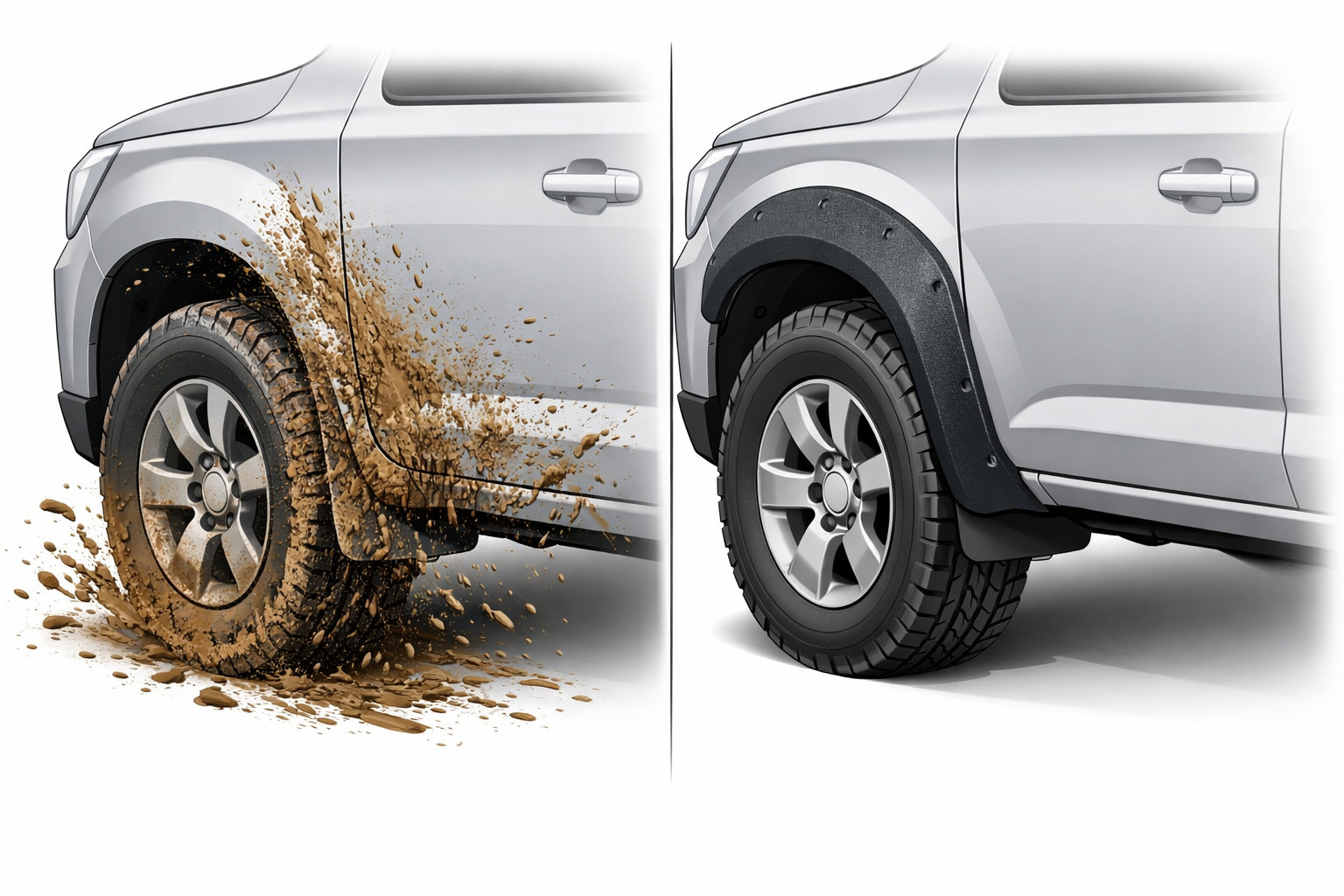
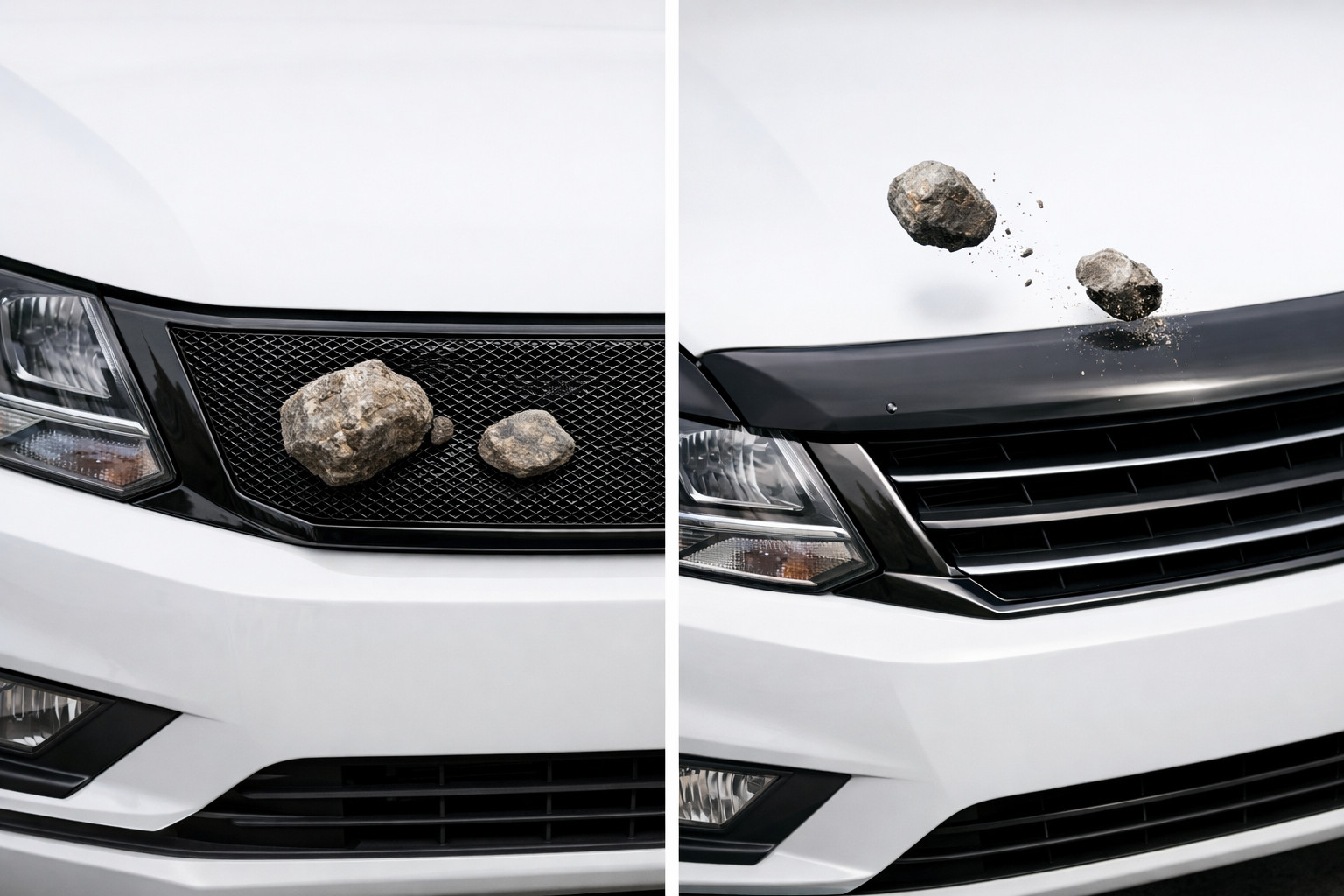
This group includes wind deflectors, door-sill and rear-bumper protectors, side steps, and neat exterior protection elements. Some of them have practical value: a rear bumper protector is useful with daily loading, and side steps can help in a passenger scenario if children, elderly people, or clients with luggage get in often.
But you have to honestly separate usefulness from looks. If the vehicle is a work van, chrome, aggressive body kits, and decorative details don’t make it better for business. For a shuttle or corporate transport, appearance matters more, but even there the priorities should be a clean interior, easy entry, and quiet driving—not an expensive visual package.
Most often, money is wasted on large wheels, decorative body kits, and full soundproofing without first addressing tires, seals, and the noise source. On intercity runs, this can worsen comfort faster than it improves it. A big wheel may look impressive, but on a working T7 it matters more how the vehicle rolls, brakes, and handles daily mileage.
The second mistake is installing a tow hitch, roof bars, or other load-related solutions “in case it’s needed.” If there’s no trailer and roof loads are rare, that money is better kept for parking assistants, tires, or interior protection. The same applies to electronic upgrades: вмешательство in driver-assistance systems must be done properly, with subsequent checks and calibration, not as a quick compromise.
| Task | What to install first | What can be postponed | What isn’t required |
|---|---|---|---|
| City work + highway | Camera, parking sensors, floor protection | 360-degree view, targeted sound insulation | Decorative body kits, large wheels |
| Cargo van | Mats, load securing, compartment organization | Rear bumper protection, digital mirror | Chrome and exterior decor |
| Passenger business | Visibility, clean interior, easy entry, heated seats | Side steps, additional power for passengers | Aggressive styling |
| Long intercity runs | Proper tires, driver assistance, basic seat comfort | Targeted sound insulation, roof system | Full-body soundproofing at the start |
| Work with a trailer | Tow hitch matched to real load | Roof bars, additional protection for loading zones | A “just in case” tow hitch if there’s no trailer |
More expensive solutions make sense when they truly earn or save money in operation. If you’re still matching the configuration to your route, it’s worth first going through the T7 overview so you don’t overpay for a pretty package instead of the options you actually need.
If roof loads are part of the job, roof racks and crossbars become justified—but only when the load is regular and you’ve accounted for roof limits and the impact on noise. If the vehicle works daily with loading and unloading, rear bumper protection pays off: it’s simpler and cheaper than constantly touching up the body edge.
From a customer’s experience: for an intercity shuttle, they initially looked for an exterior package and big wheels, but after breaking down the route they chose a camera, interior protection, better tires, and neat loading-area protection. As a result, the vehicle became quieter on the highway, easier to park, and cheaper to care for day to day. Most importantly, the budget went into what the driver and passengers feel every day.
For the Volkswagen Transporter T7 in the “intercity + business” scenario, the right order is almost always the same: visibility and parking first, then interior protection and load securing, then highway comfort—and only after that a tow hitch, roof solutions, sound insulation, and exterior elements. If you skip this order, it’s very easy to spend the budget on what looks noticeable but works poorly.
The best upgrade for the T7 isn’t the most expensive, but the one most precisely matched to the body style, route, and type of work. This material is based on real selection experience, practice, and real-world use cases.
| ✔ | A rearview camera, parking sensors and, if needed, a surround view system really make maneuvering the long Transporter T7 easier. This is especially useful in crowded yards, near office buildings and in narrow parking lots, where minor contacts happen most often. |
| ✔ | Rubber floor mats, floor protection and cargo restraint organization protect the cabin and cargo area from dirt, water and impacts. For a van or service vehicle, this reduces daily cleaning and helps keep the trim in normal condition for longer. |
| ✔ | Seat heating, convenient device charging and additional power supply reduce fatigue on long trips. Combined with adaptive cruise control and lane keeping, this makes intercity driving less tiring. |
| ✔ | Securing cargo with nets, tie-down points and cargo area organization is needed not only for safety, but also for comfort on the move. The load does not shift, makes less noise and does not hit the body. |
| ✔ | A tow hitch, roof system or digital mirror make sense when they match the real work scenario. The article emphasizes that such options are better installed for an actual need, not just as a precaution. |
| ✘ | Large wheels, decorative body kits and full sound insulation at the start often bring less benefit than it seems. On intercity drives, this can even worsen comfort if the issues with tires, seals and noise sources are not resolved first. |
| ✘ | A tow hitch or roof bars without real load are unnecessary expenses. They only add value when a trailer or roof cargo is actually part of the job. |
| ✘ | Some electronic upgrades, especially вмешательство into driver assistance systems, require proper installation and subsequent checking. Otherwise, you may end up with a compromise solution instead of a benefit. |
| ✘ | Some exterior elements — chrome, aggressive styling, decorative trim — hardly help in a working business scenario. For a van, they do not improve everyday use if the basic issues are not addressed. |
Shipping to EU
Wholesale and retail
Own warehouse
Опис продукту
Подарунки не надаються при оформленні покупки у кредит під 0,01% або при покупці частинами.