12.07.2026
330
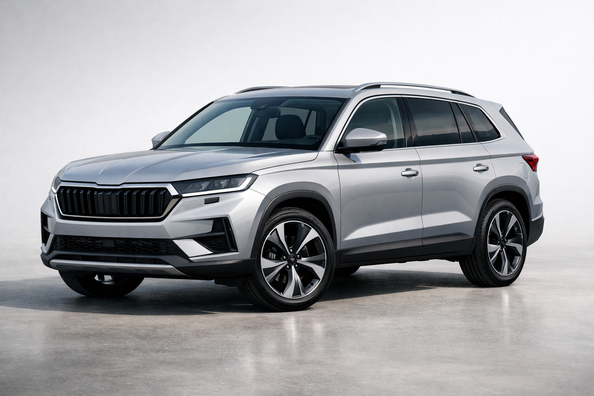
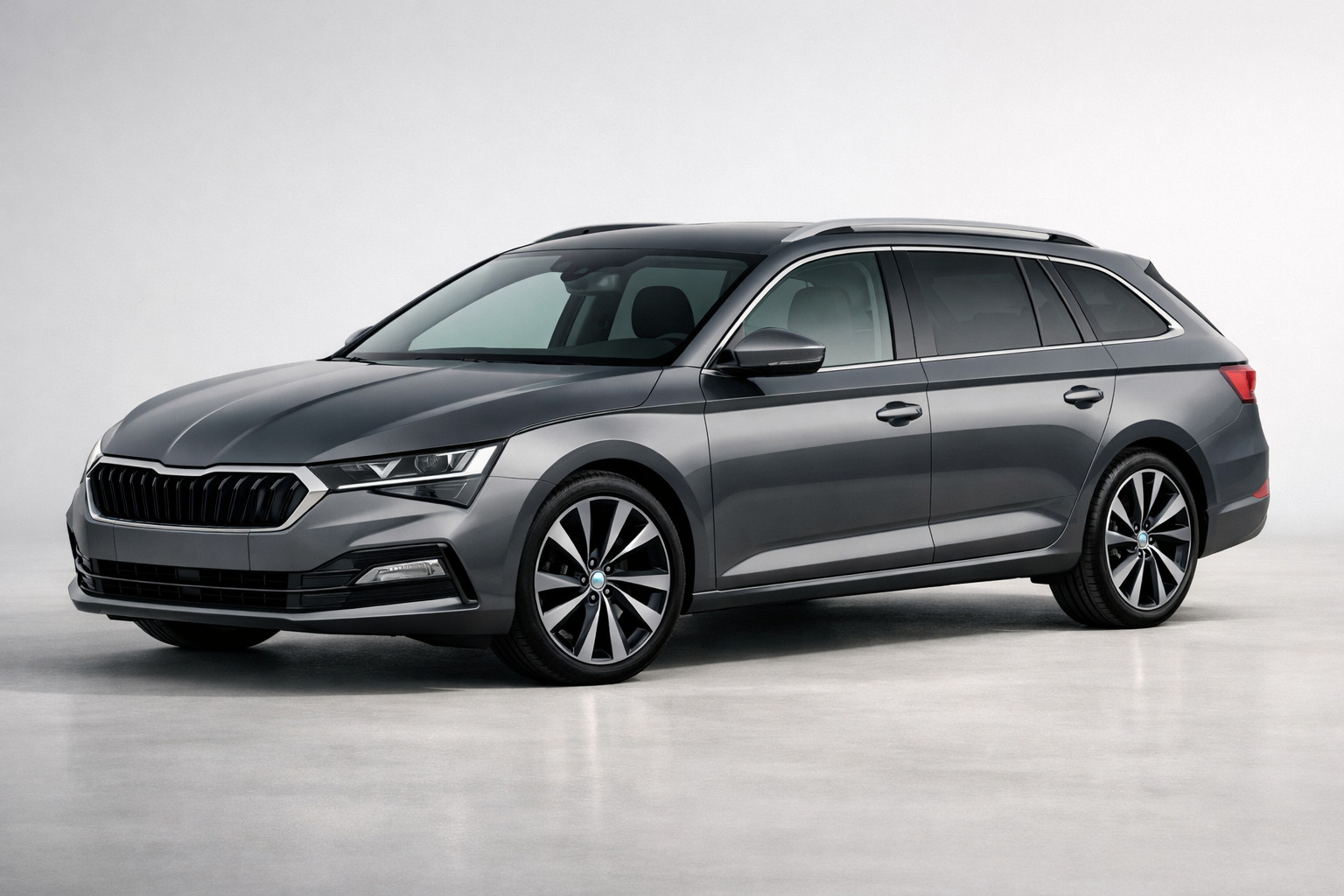
Skoda Kodiaq II is a large second-generation family crossover that has kept the essentials: a spacious second row, an optional third row, a big trunk, and straightforward ergonomics. In the new generation it has become more modern inside and offers a wider choice of powertrains, but the idea hasn’t changed: it’s a car for people who need one all-purpose vehicle for everyday use, trips, and kids’ routines.
The most important thing when choosing a Kodiaq is to look not at the model name, but at the exact version. The engine lineup, drivetrain type, availability of seven seats, and part of the equipment vary by market and trim level.
Kodiaq sits in the part of the segment where a compact crossover is no longer enough, but a heavy full-size SUV still isn’t necessary. Its strong point is the mix of family practicality, confident highway manners, and a large interior without feeling bulky behind the wheel.
This model suits families with two or three kids, those who often travel with luggage, and drivers who want a calm all-rounder in a crossover format. It’s not the best option for those looking for a compact car for tight city streets or those genuinely preparing for serious off-road use.
The first generation Skoda Kodiaq launched in 2016 and was produced until the generation change, with a refresh in 2021. The second generation debuted in 2023. It kept the concept of a large family crossover, but moved to more modern electronics, a different interior, and an updated technical base.
The key difference between generations isn’t just design. The second Kodiaq has a different interior architecture, more digital elements, new hybridization options, and slightly different body proportions. That’s why accessories and certain exterior parts shouldn’t be chosen between generations without checking compatibility.
At the start of the second Kodiaq generation, petrol, diesel, and hybrid versions were announced. The exact lineup depends on the sales country. The model’s core character is best shown by diesels for highway driving and long trips, while the 1.5 petrol with mild hybrid suits calm mixed use.
| Version | Displacement | Power | Transmission | Note |
|---|---|---|---|---|
| 1.5 TSI mild hybrid | 1.5 l | 150 hp | 7-speed DSG | Front-wheel drive, a calm everyday option |
| 2.0 TSI | 2.0 l | 204 hp | 7-speed DSG | All-wheel drive, best for a heavily loaded car |
| 2.0 TDI | 2.0 l | 150 hp | 7-speed DSG | Efficient highway option, depending on market |
| 2.0 TDI | 2.0 l | 193 hp | 7-speed DSG | All-wheel drive, torquey option for long trips |
| Plug-in hybrid | 1.5 l | 204 hp | 6-speed DSG | Not in all markets, the most city-oriented scenario |
If you want an all-purpose family car without experiments, the 2.0 TDI or 2.0 TSI usually raise the fewest questions. A plug-in hybrid makes sense where there’s regular charging, not just the desire to have an “efficient” version on paper.
The second generation is built on the MQB Evo platform. The chassis is tuned for everyday comfort and high-speed stability rather than sporty sharpness. All-wheel drive here is primarily useful in winter, on wet roads, and under load, not as a substitute for a real off-roader.
| Parameter | Value | Comment |
|---|---|---|
| II generation production years | from 2023 | Replaced the first Kodiaq 2016-2023 |
| Length | 4758 mm | The crossover is noticeably large in the city, but comfortable on trips |
| Width | 1864 mm | Excluding mirrors |
| Height | 1659 mm | May vary slightly by version |
| Wheelbase | 2791 mm | Gives a good amount of second-row space |
| Ground clearance | about 186 mm | Depends on version, wheels, and market |
| Trunk | up to 910 l | In five-seat configuration; in seven-seat versions the volume is smaller |
| Interior | 5 or 7 seats | Third-row availability depends on the specification |
From a practical standpoint, the important thing is this: a third row in vehicles like this is useful, but not magical. For kids and short trips—yes; for regularly carrying adults—it’s a compromise.
The interior has become more digital: a large central screen, a digital instrument cluster, a new logic for climate and multimedia controls, and the gear selector moved to the steering column. This freed up more space on the center tunnel, which is genuinely convenient in daily use.
For comfort, the Kodiaq stands out for its seating position, large door openings, good access to the second row, and a large cargo area. On safety, the key features are modern driver assistance systems, adaptive cruise control, lane keeping systems, and distance control, but the set again depends on the trim level.
In the city, the Kodiaq II already feels large: parking is harder than with a compact crossover, and narrow courtyards and underground garages take getting used to. On the highway, however, the car comes into its own: quietness, space, solid stability, and the ability to carry a family with luggage without feeling overloaded.
From an owner’s perspective, the usage scenario matters most. If it’s short city trips, the 1.5 or the plug-in hybrid is the more logical choice. If you do a lot of highway driving, travel with a full cabin, or tow a trailer, the 2.0 TDI or 2.0 TSI are more appropriate.
Kodiaq II doesn’t try to be sporty or “premium at any cost.” Its main trump card is a healthy balance. That’s why the strengths and weaknesses here are very practical.
| Strengths | Weaknesses |
|---|---|
| Very well-executed space for family and luggage | Its dimensions are no longer city-friendly; you need to get used to them |
| Available in 5- and 7-seat configurations | The third row is mostly for kids or short trips |
| Wide choice of powertrains for different needs | Engine lineup and equipment differ by market |
| Comfortable suspension for highway and daily driving | It’s not a vehicle for serious off-road conditions |
| Practical interior and large trunk | Digital control of some functions isn’t for everyone |
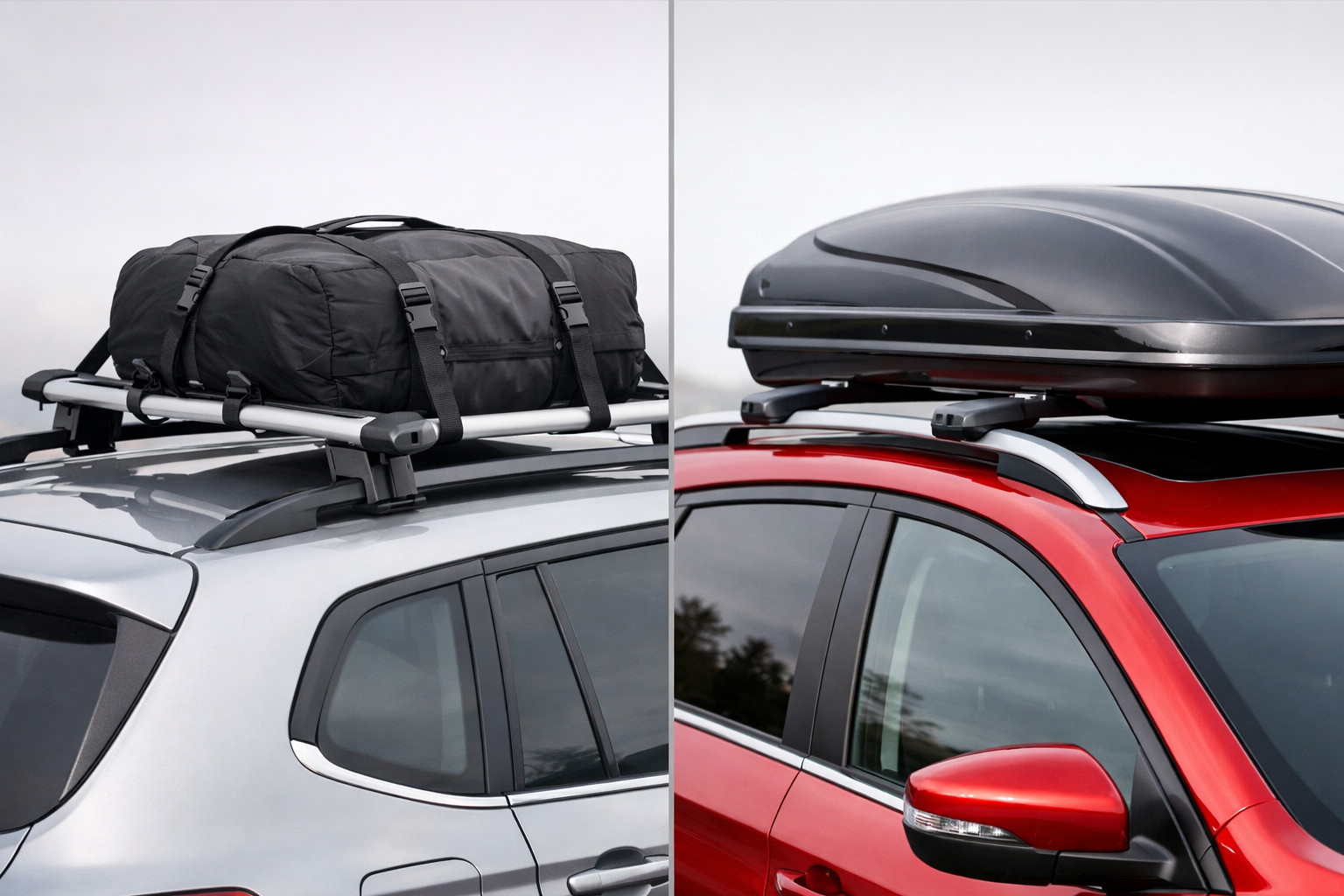
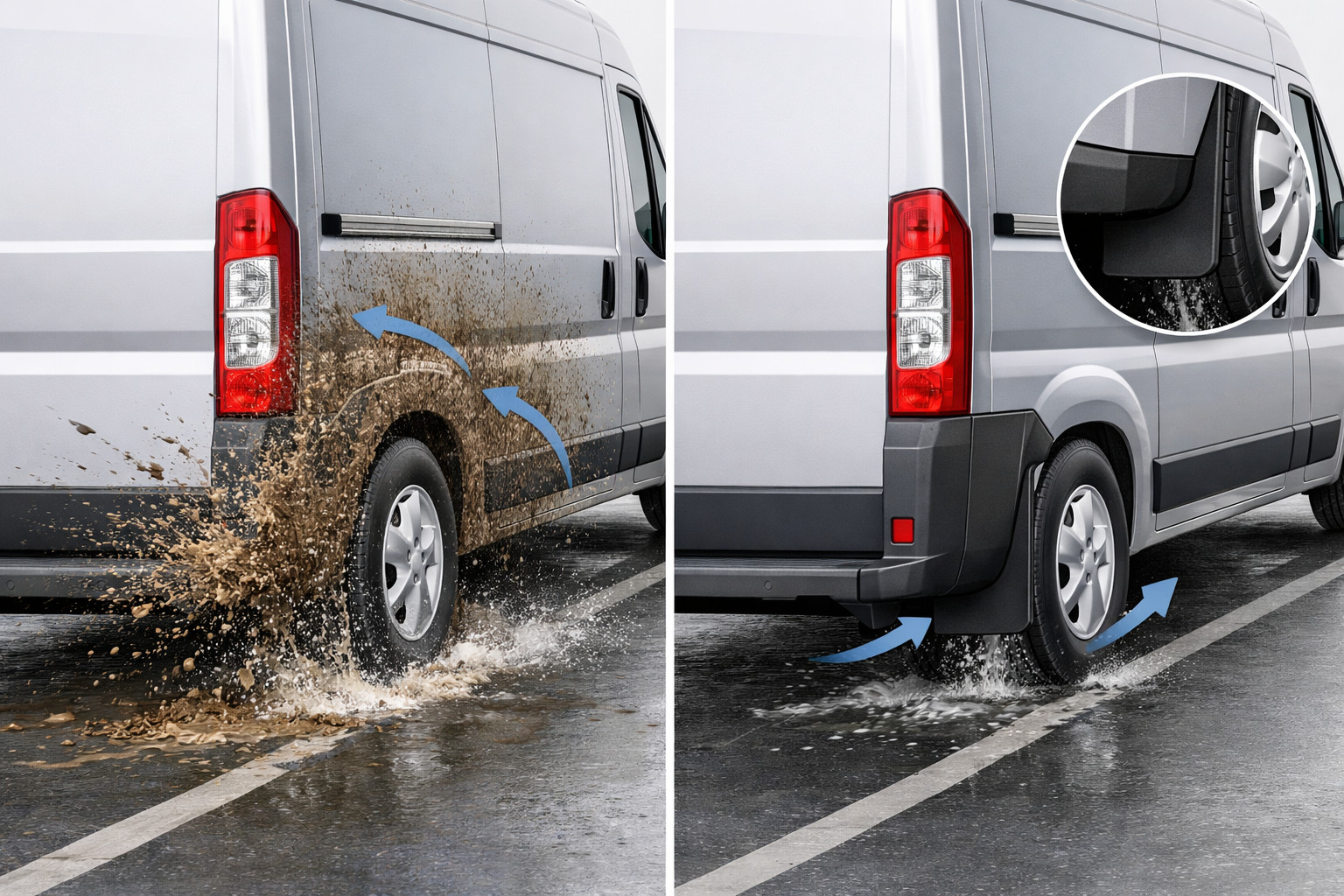
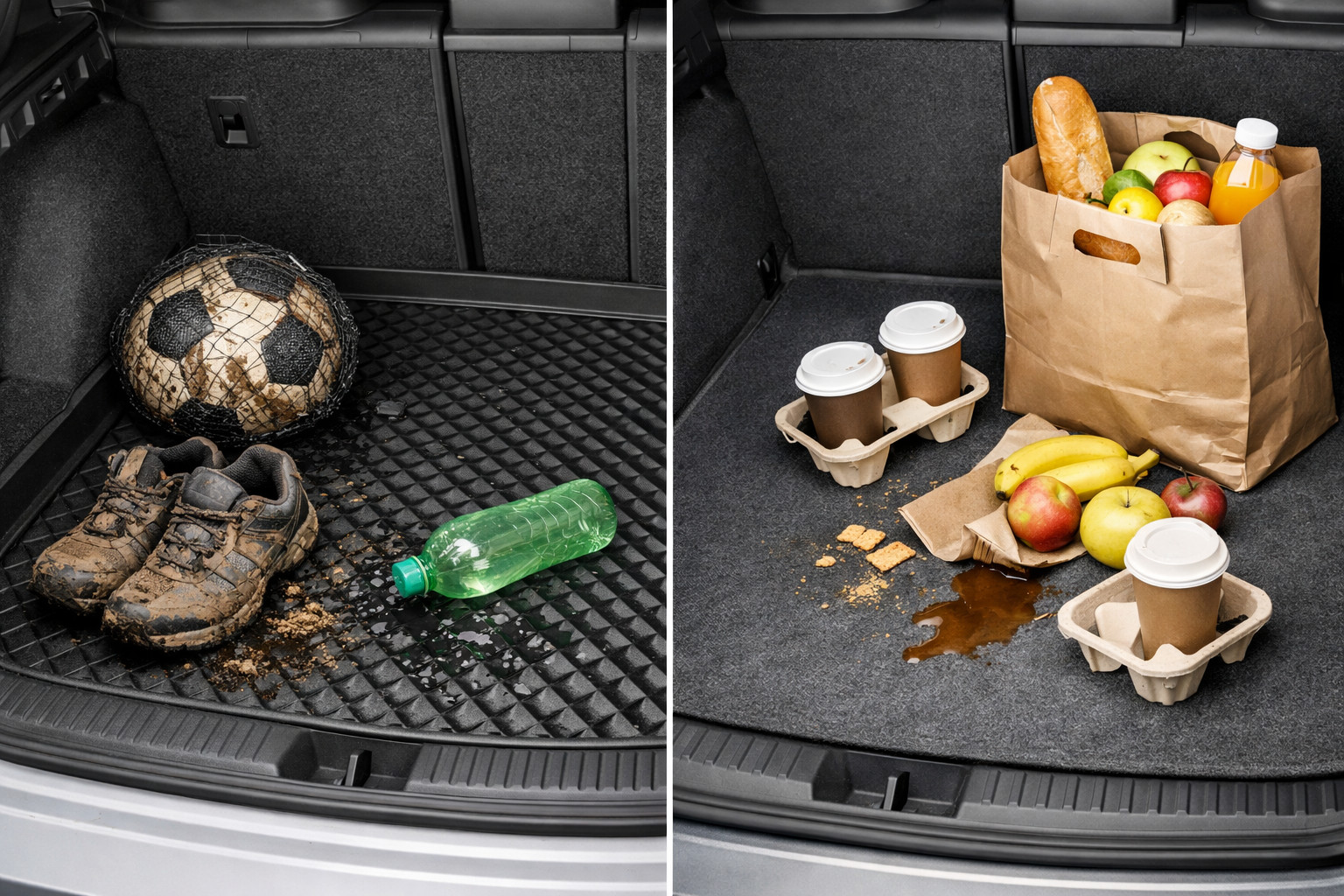
For Kodiaq II, the most sensible items aren’t decorative, but those that make everyday life easier: floor mats, trunk liner protection, rear bumper edge protection, a roof rack. In a family crossover, this quickly pays back with a cleaner interior and less wear on the trim. An important point: before ordering, it’s worth double-checking the generation, because mounting points and the shape of certain parts differ between the first and second generations.
If the car is used daily in the city, I’d look at cabin and trunk mats first. If it’s a vehicle for vacations and long trips, a roof rack or roof box brings more benefit than any exterior trim pieces.
Skoda Kodiaq II is one of the most rational large family crossovers if you need space, calm driving, and real versatility without extra complexity. It fits those who often drive on highways, carry kids and luggage, or want the option of a third row; it’s less suitable for those who need compact city size or true off-road capability.
In the end, this model makes sense when you buy it for a real scenario: city, highway, family, luggage, trips. This material is based on real selection experience, practice, and real-world use cases—not a dry list of options.
| ✔ | Excellent space for family and luggage: the Kodiaq II has a large second row, and the five-seat version offers up to 910 l of trunk space. This is convenient for trips with children, suitcases, or large shopping hauls. |
| ✔ | There is a choice between 5- and 7-seat configurations. The third row is useful for children or short trips when you occasionally need to carry more people. |
| ✔ | A wide range of engines lets you choose a version for your driving style: diesel for highway use, the 1.5 mHEV for calm everyday driving, and a hybrid for city use with regular charging. |
| ✔ | The comfortable and stable suspension is more geared toward daily driving and long journeys than sporty handling. On the highway, the car stands out thanks to its stability and generous cabin space. |
| ✔ | The cabin has become more practical for everyday use: the gear selector has been moved to the steering column, and the center tunnel is more open. This adds convenience for front passengers and makes it easier to access items in the cabin. |
| ✘ | In the city, the Kodiaq II feels like a large car, so parking in narrow courtyards and underground garages may be inconvenient. You will need to get used to its dimensions. |
| ✘ | The third row is not suitable for regularly carrying adults. It is more of a backup option for children or short trips. |
| ✘ | The engine lineup, drive type, and some equipment depend heavily on the market and trim level. Because of this, before buying you need to carefully check the specific version, not rely on the model name alone. |
| ✘ | This is not an option for serious off-road use: all-wheel drive here is mainly needed for winter, wet roads, and loaded trips. The model is not designed for demanding off-road driving. |
| ✘ | Digital control of some functions may not appeal to those used to simple physical controls. In everyday use, it is not critical, but it is not convenient for everyone. |
Shipping to EU
Wholesale and retail
Own warehouse
Опис продукту
Подарунки не надаються при оформленні покупки у кредит під 0,01% або при покупці частинами.