 Author: Radomskyi Maksym Vasyliovych
This upgrade plan for the Mercedes Sprinter W907/W910 is for those who spend a lot of time on the highway: intercity transport, deliveries, passenger routes, a camper, or a work van with regular high-speed runs. The main goal here isn’t to make the van look “more impressive”, but to reduce driver fatigue, stabilize the vehicle in crosswinds, cut unnecessary noise, and keep practicality intact rather than killing it with decorative add-ons.
For this scenario the logic is simple: first tires, pressure, and suspension matched to the real load; then soundproofing and useful driver aids; and only after that—exterior accessories. On the Sprinter the difference between an empty van, a loaded commercial vehicle, and a camper with a high center of gravity is very noticeable, so one universal “tuning formula” doesn’t work here.
What this upgrade should accomplish
A highway package for the Sprinter should solve three things: stable lane tracking at speed, less noise in the cabin, and less minor body wear from daily use. If the vehicle is tall, long, or runs with a constant load, it’s important not just to make it stiffer, but to set up the suspension for the actual weight. If it’s a camper or a conversion with a raised center of gravity, selection needs to be even more careful.
The factory crosswind assist helps, but it doesn’t replace the correct tire size, proper pressure, and a suspension in good condition. In other words, electronics can back you up, but the basic mechanical setup still needs to be sorted first.
What to improve first
Step one is to check what tires the vehicle is actually running, whether the size matches recommendations, and what pressure is set for your weight. On a Sprinter you feel it immediately: incorrect pressure and a poor tire choice cause “floating”, nervous reactions to ruts, and worse stability-control performance.
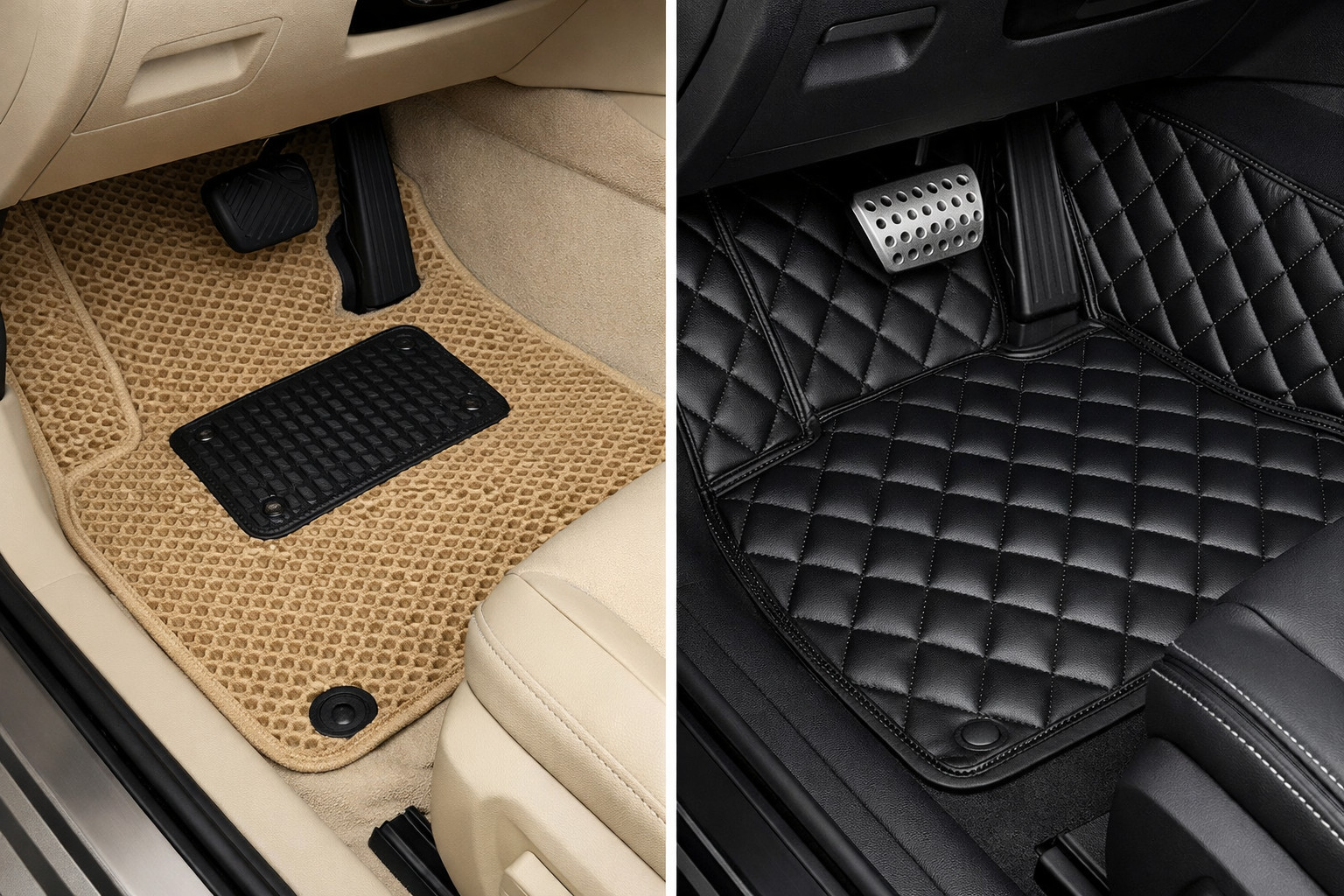
Step two is suspension диагностика and modifications specifically for your scenario. For highway use, quality shock absorbers, improved anti-roll control, and helper springs often make sense—but not as a universal “make it stiff” kit; they must match rear axle load, body type, and constant payload. After that—wheel alignment. And only then is it worth installing simple protective items: mud flaps, mats, seat covers, so the interior and lower body don’t get destroyed by daily dirty work.
Upgrade, why it’s needed, who benefits (table)
| Upgrade | Why it’s needed | Who truly benefits |
|---|---|---|
| Correct-size tires and proper pressure | Restore predictable handling, reduce rocking, and reduce nervous reactions to wind | Everyone who drives on the highway faster than city pace, especially tall and long-wheelbase versions |
| Suspension matched to actual weight | Reduces body roll, pitching, and “floating” at speed | Loaded vans, campers, passenger versions, and high-roof vehicles |
| Wheel alignment after upgrades | Eliminates steering corrections, uneven tire wear, and straight-line instability | Everyone after replacing suspension parts or changing tires |
| Soundproofing for the cab, doors, and floor | Reduces fatigue on long runs, removes tire/wind noise and “empty metal” resonance | Those who spend many hours behind the wheel or drive between cities |
| Mud flaps, mats, seat covers | Protect the body and interior in daily use without a big budget | Work vehicles, delivery vans, passenger vans, and travel vehicles |
| Camera, parking aids, digital rearview mirror | Make maneuvering easier and reduce driver stress after long runs | Long bodies, mixed city-highway use, vehicles with a bulkhead or a loaded cabin |
DD Tuning expert comment: a typical Sprinter highway mistake is buying side steps, a body kit, or a roof platform before sorting tires, pressure, and the condition of the rear suspension. The second mistake is installing an overly stiff “universal” kit on an empty van, then getting knocks, excessive harshness, and new handling questions. The third is buying a roof rack “just in case” and then living with constant highway noise.
What makes sense to add as a second stage
The second stage starts once the vehicle already sits properly on the road. Here, soundproofing the cab, doors, floor, and bulkhead works best, because it delivers a noticeable day-to-day effect on long trips. For a driver who spends many hours behind the wheel, proper seat support, heating in cold climates, and convenient small things like charging and cabin organization are also useful.
If the vehicle often runs both highway and city, cameras, parking aids, blind-spot monitoring, and other OEM-style assistants make sense as a second stage. But if they weren’t installed from the factory, you need to realistically assess retrofit costs: some of these features are more cost-effective to get in the original trim than to piece together after purchase.
What’s more about comfort or looks
This group includes rain guards, seat covers, mats, some interior accessories, side steps, trim pieces, and moderate exterior add-ons. They can be useful, but they don’t solve the core highway issues. If your Sprinter is noisy, floats at speed, or gets twitchy in crosswinds, no decorative part will fix that.
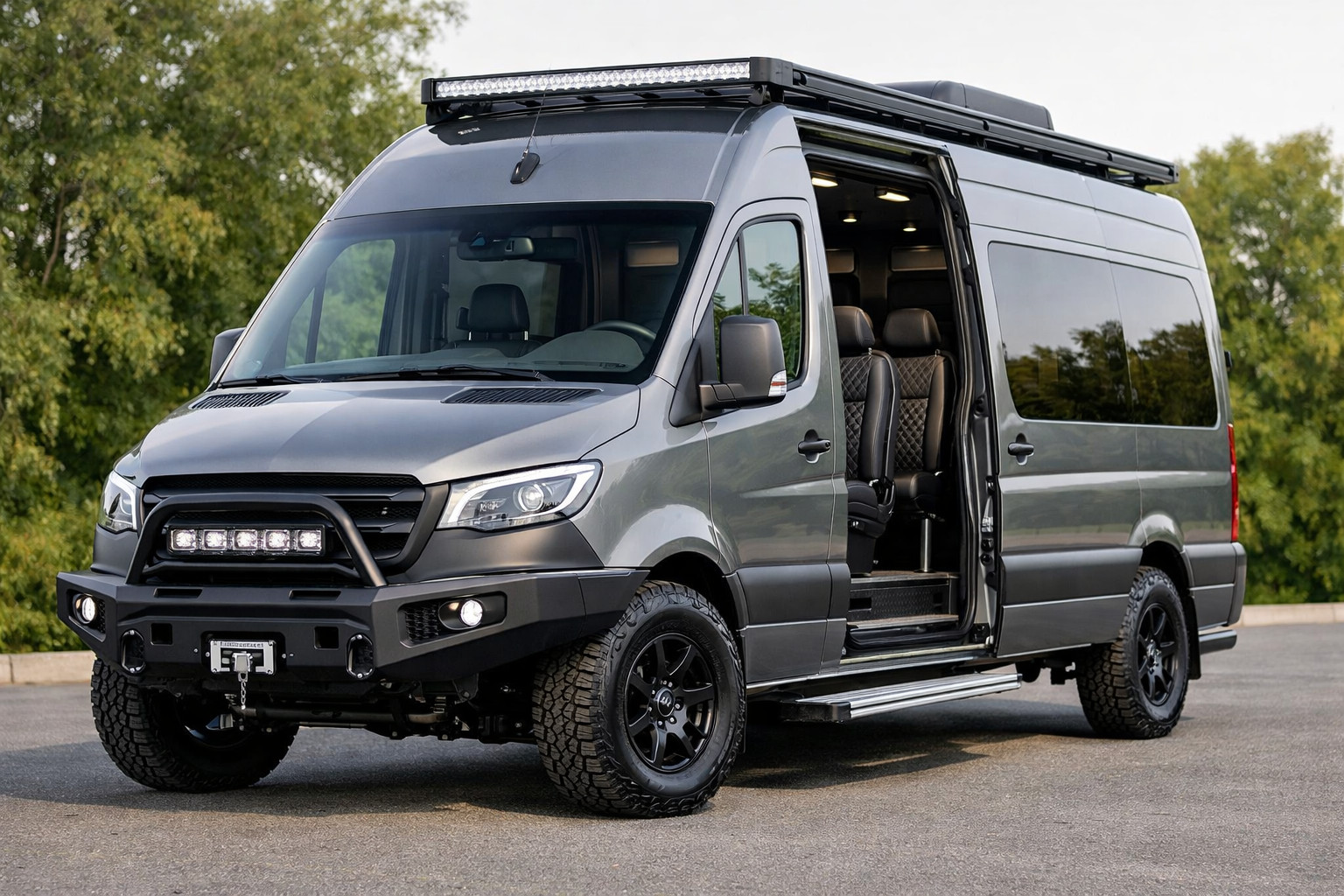
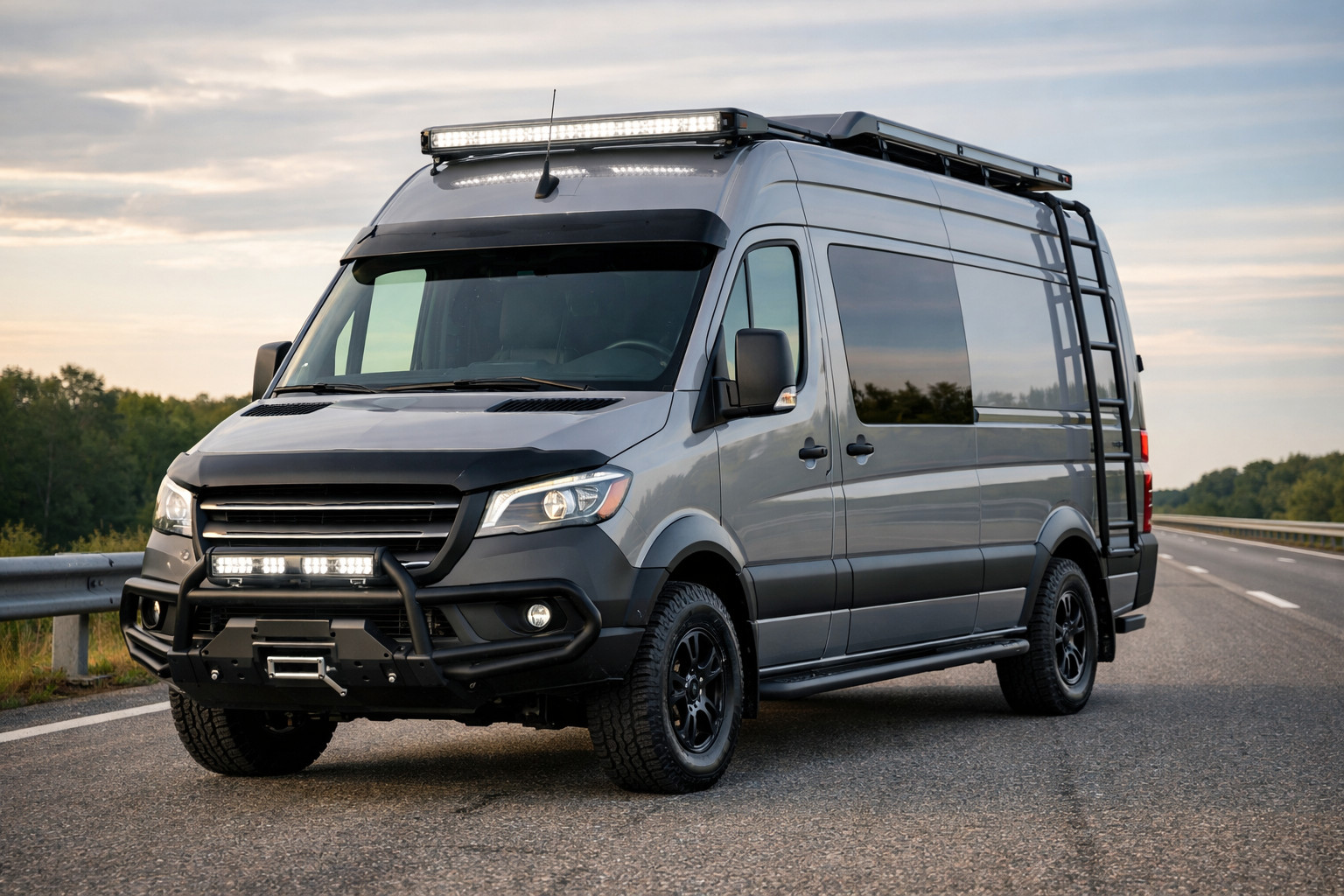
A separate note on roof systems. They’re only needed when you actually carry something on top or regularly need roof access for work. For a standard roof the maximum load is higher; for a high roof it’s lower, so you must choose solutions for the specific body. A full platform or large rails often add noise and can make the vehicle more sensitive on the highway, so installing them “for looks” isn’t worth it.
What people often buy for nothing
Most often, people waste money on a massive body kit, large roof structures without real need, chrome decor, and wheels or tires in non-standard sizes. At best, it’s just spending without a noticeable effect. At worst—worse handling, extra noise, unnecessary weight, and issues with how the electronics behave.
Another mistake is overpaying for an “aggressive” look instead of useful small items. For highway use, mud flaps, mats, seat covers, a camera, or proper soundproofing deliver more practical results than trim pieces, spoilers, and decorative elements that don’t match your scenario.
What to install first, what to postpone, what’s optional (table)
| What to install first | What can be postponed | What is not mandatory |
|---|---|---|
| Recommended-size tires and pressure matched to the real load | Full-coverage soundproofing | Chrome trims and decorative exterior styling |
| Suspension, shock, and stabilization diagnostics | Cameras and additional parking aids, if you don’t maneuver often | A full highway body kit without a practical purpose |
| Wheel alignment after changes | Side steps, if there’s no frequent entry/exit or roof access | A roof platform without constant roof loads |
| Mud flaps and mats for daily protection | Seat covers and interior organizers | Stiff “sport” suspension on an empty van |
| Check whether a heavy-duty package is needed for a heavy conversion | Additional in-cabin conveniences | Any “just in case” upgrade when the task isn’t defined |
A ready upgrade plan for this scenario
- Weigh the vehicle in working condition: with the cargo, equipment, or gear it actually carries.
- Check tire size and condition and set pressure for the actual load.
- Diagnose the suspension and select upgrades for weight and body: not “one size fits all” from a catalog, but for your specific scenario.
- Do wheel alignment and a short highway test in crosswind and braking conditions.
- Add practical protection: mud flaps, mats, seat covers, if the vehicle works every day.
- As a second stage, soundproof the cab and add the driver aids you need for maneuvering and long trips.
- Only at the end decide whether you need side steps, roof solutions, or exterior elements that don’t harm aerodynamics and actually serve the task.
When it makes sense to choose more expensive solutions
More expensive upgrades are justified when the Sprinter covers big weekly mileage, has a high roof, constant payload, a camper conversion, or genuinely tires the driver out with noise and constant steering corrections. In that case, investing in a suspension setup matched to weight, quality soundproofing, and OEM-style assistants pays back faster than yet another decorative kit.
For selecting exterior and utility solutions, it’s logical to start with the catalog for Sprinter W907/W910. If you have a high roof and a constant need to carry long items on top, then it makes sense to look at a roof rack. And side steps are appropriate not for “looks”, but when they truly make access to the cabin easier or help with work around the body.
From a customer’s experience: the owner of a long-wheelbase, high-roof Sprinter initially planned a roof platform and an exterior body kit because the van felt unstable on the highway. After checking tire pressure, matching the suspension to the constant weight, and doing basic cab soundproofing, the need for most decorative items disappeared on its own. In the end they kept only practical accessories, while the main effect came not from them, but from a correctly set baseline.
Conclusion
For the Mercedes Sprinter W907/W910, a highway upgrade should be built in this order: tires and pressure, suspension matched to real weight, wheel alignment, then protection and soundproofing, and only after that comfort or exterior additions. That’s how you see the difference between useful upgrades and marketing junk that’s easy to overpay for.
This material is based on real selection experience, practical work, and real-world use cases: what truly helps a Sprinter on the highway, and what only adds cost, noise, or extra weight without noticeable benefit.
How it works
- Check the tires and pressure Start with the wheels: make sure the Sprinter has the recommended tire size and the pressure is set according to the actual load. It is the wrong tires and pressure that most often cause “floating,” a nervous response to ruts, and poorer stability control performance.
- Match the suspension to the actual weight Then diagnose the suspension and set it up for your use case: cargo, passengers, a camper build, or a high roof. For highway driving, quality shock absorbers, anti-roll stabilization, and helper springs make sense, but only if they match the weight and body type.
- Do a wheel alignment after changes After replacing tires or suspension components, be sure to have the alignment set. This eliminates steering pull, reduces uneven tire wear, and makes the vehicle more stable in a straight line.
- Add basic interior and body protection Once the vehicle already handles the road well, install practical items: mud flaps, floor mats, and seat covers. They do not solve handling problems, but they do a good job of protecting the cabin and the lower part of the body in everyday use.
- Improve comfort on long trips At the second stage, sound insulation for the cab, doors, floor, and partition makes sense. If the vehicle is often used both on highways and in the city, add a camera, parking assistants, or other factory maneuvering aids.
- Leave styling decisions for last Sills, roof systems, body kits, and chrome trim should only be installed when they are truly needed for access, cargo transport, or a specific task. If you choose them just for looks, you may end up with more noise, more weight, and worse handling without any practical benefit.
Pros and cons
Tires in the correct size and pressure set for the actual load immediately improve handling and reduce “floating” on the highway. This is especially noticeable on long-wheelbase and high-roof Sprinter versions.
Suspension tuned to the actual load reduces body roll, nose dive, and sway at speed. For loaded vans, campers, and passenger versions, this gives noticeably more stable behavior.
Sound insulation for the cabin, doors, and floor reduces tire, wind, and bare metal noise. On long intercity trips, this directly makes the driver less tired.
Mud flaps, floor mats, and seat covers provide basic protection for the cabin and body without a big budget. For a work vehicle or delivery van, this is a practical everyday solution.
A camera, parking assists, and a digital mirror make maneuvering a long body easier. They are especially useful if the vehicle often works both in the city and on the highway.
Roof platforms and large roof rails without a real need can add noise and make the vehicle more sensitive on the highway. For “appearance” alone, such things are not justified here.
An overly stiff universal suspension kit on an empty van can cause knocking and extra harshness. As a result, handling does not improve as expected.
Wheels or tires in a non-standard size can worsen handling and create problems with the electronics. They also often add unnecessary noise and weight.
A decorative body kit, chrome trims, and other exterior decoration do not solve basic highway problems. If the Sprinter is noisy or “floats,” these modifications will not give a practical effect.