10.05.2026
357
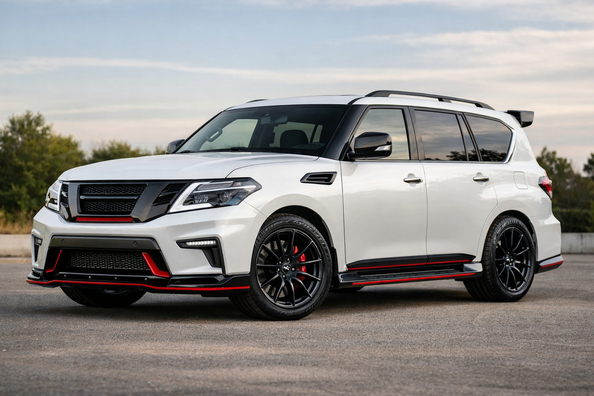
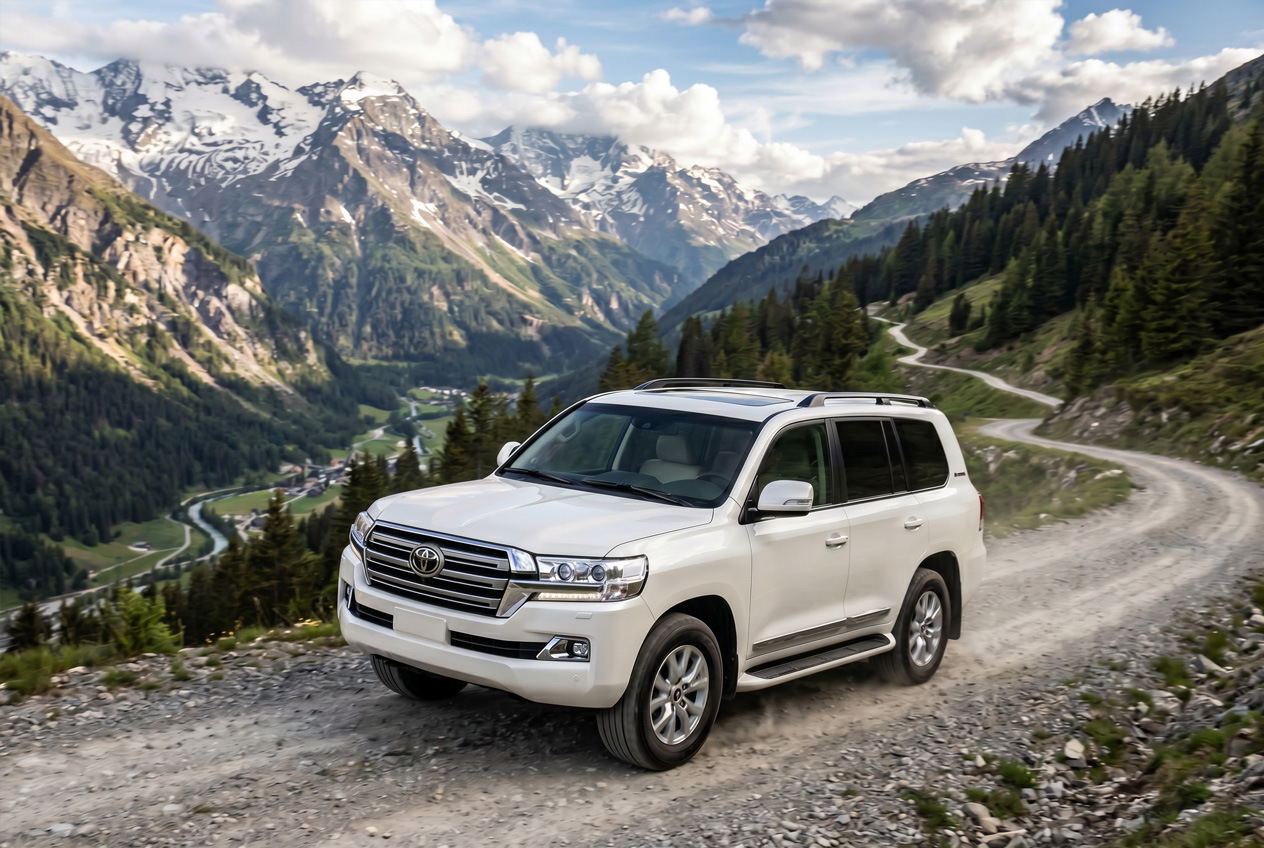
This upgrade plan is for a Nissan Patrol Y62 owner who wants a recognizable Nismo vibe without showy tuning, extra noise, or losing everyday usability. In other words, the car should look tighter, more premium, and sportier, while still being perfectly fine for the city, highway, family trips, and, if needed, a tow hitch.
With the Y62, people most often get the order wrong: they start with big wheels, a loud exhaust, or an expensive body kit, and only then think about compatibility, tires, the spare, and how the car actually behaves. For the “Nismo without the circus” scenario, the logic is different: wheels and tires first, then a restrained body kit, suspension only if there’s a real need, and exhaust at the very end.
The main goal here isn’t to turn the Patrol into a pseudo-sport SUV, but to remove the visual heaviness of the body. The Y62 is already big, tall, and massive, so the right upgrade should tighten up the silhouette, make the front end more expressive, and clean up the side line. That’s why the mods should visually pull the car together, not pile everything on at once.
The second criterion is not to ruin what already works in the Patrol. It already has decent clearance and a long wheelbase, so a radical suspension lift for a city/highway scenario isn’t the first step. If you have a facelift, pre-facelift, a factory tow hitch, or a non-standard rear setup, you need to account for it immediately: the rear bumper, diffuser, and certain body-kit pieces may require trimming or may not match the configuration at all.
The first thing that truly changes how a Y62 looks is wheels with properly selected tires. For a daily-driven vehicle, the smartest move is to stay in the practical zone: the factory 18–20 inch format, or a very close setup, gives a solid balance of stance, comfort, and handling. A 22-inch look is impressive, but it requires more careful tire selection, offset, checking for rubbing in the arches, and addressing the spare wheel question.
The second step isn’t the whole body kit at once, but a restrained set of elements that add shape. Most often that’s the front end, grille, lower body line, and removing excess chrome. If you’re going for a full kit, you should dry-fit it first and only then paint it. On the Patrol this matters more than on compact models, because any misalignment or poor fitment is immediately visible on a large body.
| Modification | Why it’s needed | Who it truly benefits |
|---|---|---|
| Wheels and tires | Tighten the stance, fill the arches, deliver the main visual effect without body rework | Those who want a Nismo vibe in daily driving without losing practicality |
| Restrained body kit | Makes the body look lower and removes the “heavy box” feel | Those who want a cohesive look rather than random separate parts |
| Grille and removing excess chrome | Quickly change the perception of the front end without requiring a radical budget | Those most annoyed by the stock look of the car’s nose |
| Suspension | Adds body control, helps with loading, towing, or a tired factory setup | Those whose vehicle sags, floats, or often drives under load |
| Exhaust | Adds sound character and a bit of emotion, but rarely provides the main effect in this scenario | Those who consciously want a different sound and are ready to live with possible drone |
DD Tuning expert comment: With the Patrol Y62, people often buy a full body kit first and only then find out the rear doesn’t play nicely with a tow hitch or doesn’t match by production years. The second typical mistake is chasing a big wheel without checking the tires, spare, and the car’s real routes. Before painting, it’s better to dry-fit large parts, and after any suspension work, plan an alignment right away.
Once the base is done, it makes sense in the second stage to add what strengthens the look without breaking the use case. This can be side steps in the right style, a rear bumper, or a diffuser—if they’re compatible with your vehicle configuration. For a car with a tow hitch, the rear end needs the strictest checks; otherwise, the nice picture will end with a crooked cutout.
Suspension also belongs to the second stage, but only if there’s a real reason. If the Y62 often drives with cargo, a boat, a trailer, or you feel excessive rocking on the highway, then it’s worth looking at more serious solutions. If the stock suspension is healthy and the body doesn’t sag, spending big money just for the word “sport” makes no sense.
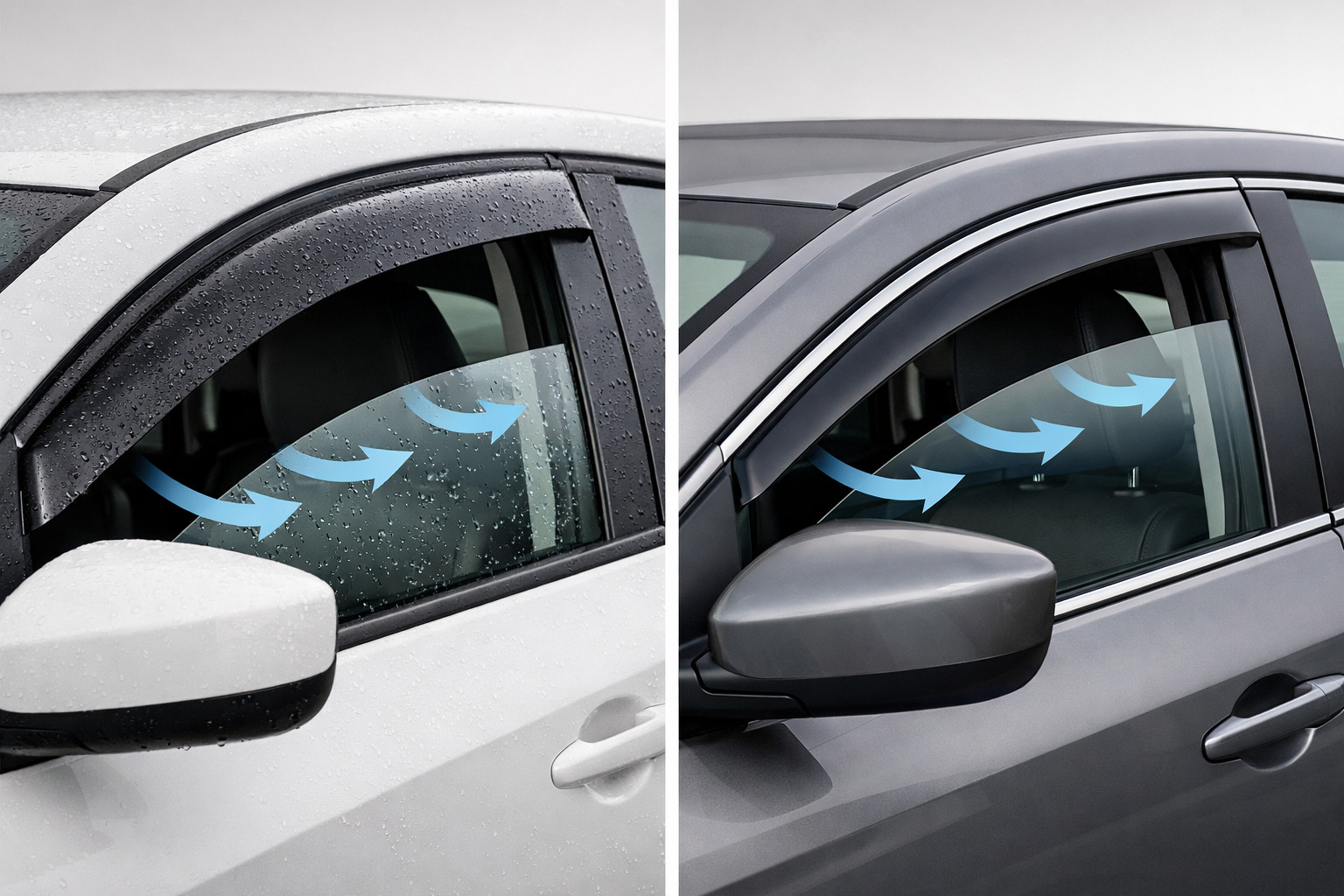
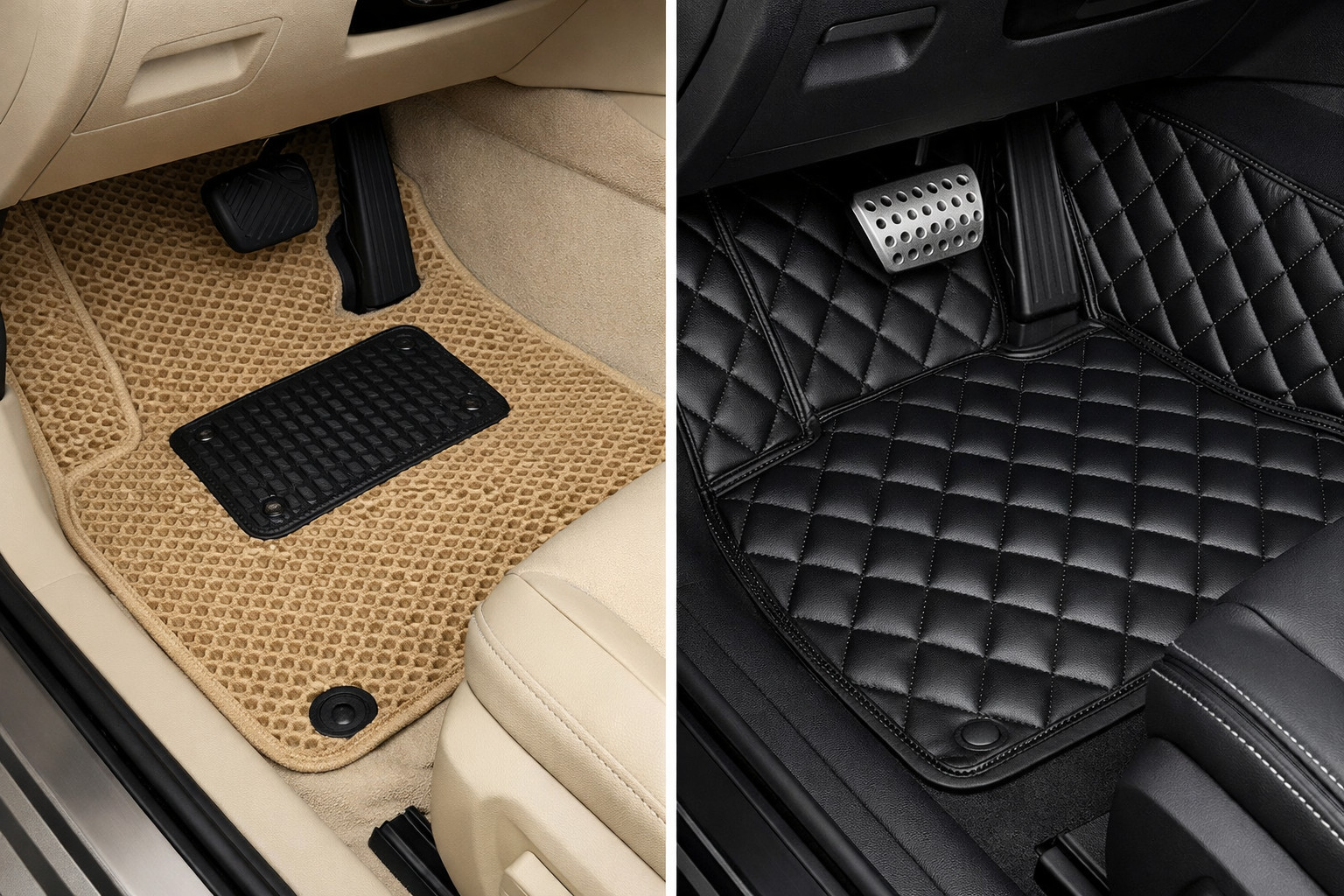
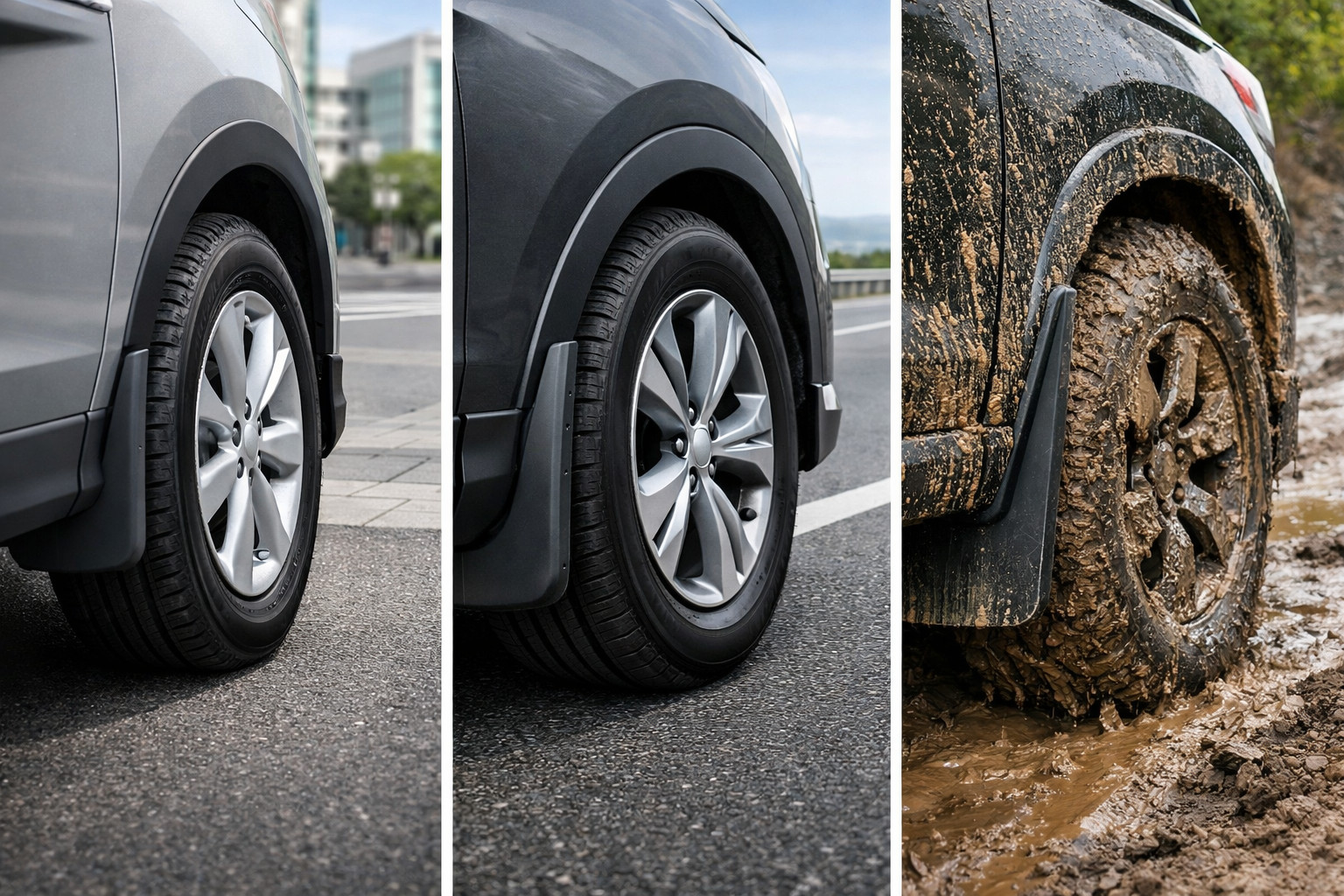
There are upgrades that don’t build the Nismo look directly, but make the car nicer to live with. These include a rear bumper protector, floor mats, neat sill plates, wind deflectors, and small interior pieces. They won’t change the Patrol’s character, but they can protect the body and simplify everyday use of a large vehicle.
Exterior accents should also be measured. On the Y62, one strong motif works best: a clean front end, a tightened lower line, moderate dark trim and, if you want, a very limited red accent. When there’s too much red—plus badges, stickers, and decorative inserts all over the body—it’s no longer a Nismo vibe, but exactly the circus you’re trying to avoid.
Most often wasted purchases are a big suspension lift for a city-driven Y62, very wide tires “because it looks more aggressive,” and a loud exhaust in hopes of getting a noticeable gain. In practice the car becomes harsher, starts to annoy with sound, or requires extra spending on geometry, while the desired look still doesn’t come together if the wheels and body aren’t aligned into one coherent line.
Another typically pointless budget is lights, badges, and random decorative pieces before the basics are sorted. If the front is heavy, the arches are empty, and the rear bumper conflicts with the tow hitch, new tail lights or another label won’t save anything. That’s what overpaying for looks without a scenario looks like.
| What to install first | What can be postponed | What isn’t required |
|---|---|---|
| A moderate wheel-and-tire set for daily use | Forged R22 if it’s not a weekend car | A very loud exhaust |
| Dry-fit the body kit and check compatibility by year and tow hitch | A full set of bumpers if the front end and steps are enough for now | Wide fender flares with no real need |
| Grille and removing excess chrome | Expensive suspension if the stock setup still supports the body well | Too many badges and decorative inserts |
| Alignment after any suspension changes | Tips or other small exterior accents | Replacing all lighting just for the picture |
More expensive parts only make sense when you already understand the final configuration and you’re not buying “just in case.” If you want to assemble a complete exterior look right away and you have a compatible body version, take a look at the Nismo body kit set. If the main complaint is a heavy stock front end, it’s more logical to start with a radiator grille for Patrol Y62. And forged R22 wheels are worth buying only when you knowingly accept a firmer ride, careful tire selection, and less forgiveness on everyday roads.
An expensive suspension is justified in a different case: when the car is truly often loaded, tows a trailer, sags, or no longer provides the body control you need. If none of that applies, it won’t deliver an effect as noticeable as the right wheels and a properly assembled body.
From a customer’s experience: A Patrol Y62 owner wanted “like Nismo,” but drove daily and wasn’t ready to give up the tow hitch and normal comfort. In the end he chose a moderate wheel setup, a grille, and a restrained body kit without a radical rear diffuser, because rear-end compatibility turned out to matter more than the picture. The biggest impact came not from the most expensive part, but from the right sequence of work.
For a Nissan Patrol Y62 in a Nismo style without the circus, a simple and level-headed scheme works: wheels and tires first, then a restrained body kit, then suspension only if needed, and the exhaust only after the body and stance are dialed in. That’s how the car looks appropriate rather than caricature-like.
This material is based on real selection experience, practical work, and real use cases where the decisive factors are body compatibility, the tow hitch question, on-road behavior, and a sensible order of upgrades—not pretty photos of individual parts.
| ✔ | The right priority starts with wheels and tires: they are what change the Patrol Y62’s stance the most without sacrificing daily comfort. For city and highway use, the practical 18–20 inch format offers a better balance than chasing a larger diameter. |
| ✔ | A restrained body kit and removing unnecessary chrome really “pull together” the massive body and make the front end more expressive without going overboard. On a large SUV, this kind of moderation works better than adding a lot of decorative elements. |
| ✔ | A dry fit of the parts before painting helps avoid compatibility issues with model years, the rear section, and the tow hitch. This is especially important for the Y62, where a poor fit on such a large body is immediately noticeable. |
| ✔ | The suspension is suggested to be touched only when there is a real need — when the vehicle sags, is often driven with a load, or has excessive body roll. This approach avoids spending money on a change that will not deliver a noticeable effect in everyday use. |
| ✔ | The plan clearly separates elements that improve comfort and practicality from purely visual upgrades. This keeps the Patrol suitable for family trips, highway driving, and a tow hitch, without turning it into a showpiece project. |
| ✘ | 22-inch wheels look impressive, but require careful tire selection, offset, and checking for rubbing in the arches. For a daily driver, this adds hassle with compatibility and the spare tire. |
| ✘ | A very loud exhaust in this scenario does not deliver the main visual effect, but it can add drone and discomfort. It is installed more for “emotion” than as a basic useful upgrade. |
| ✘ | A full body kit without a prior check may not work well with the tow hitch or may not match the rear configuration. As a result, you have to trim elements or give up part of the kit altogether. |
| ✘ | A large suspension lift for a city Y62 is directly called a bad investment. The car becomes stiffer, may require additional geometry work, and the desired look still does not come together without the right wheels and body kit. |
Shipping to EU
Wholesale and retail
Own warehouse
Опис продукту
Подарунки не надаються при оформленні покупки у кредит під 0,01% або при покупці частинами.