18.05.2026
313
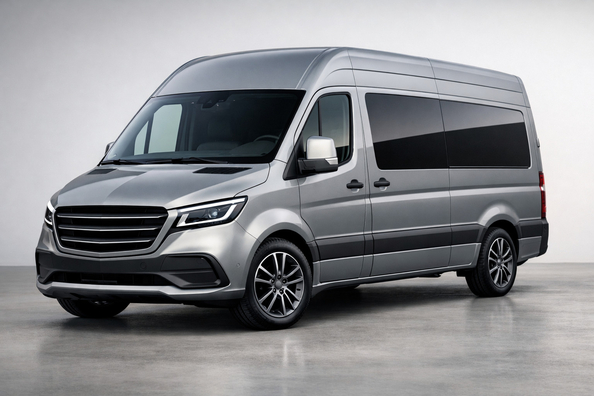

The Mercedes Sprinter 2027 has not yet been officially presented as a production model, so an honest conversation here is not about finalized specifications, but about the first signals of a new generation. The brand’s shift to new van architectures for electric and diesel versions has already been confirmed, and that means the next Sprinter will almost certainly become even more modular and diverge even further by version.
To avoid replacing facts with guesses, it’s best to use the current Sprinter below as the real baseline for evaluation. It shows exactly what the model is valued for: space, pulling power, a wide choice of bodies, and suitability for conversions. And it also hints at where the future generation will have no room for error: price, complex electronics, service, and downtime.
Sprinter has long sat at the top of the large commercial van segment. It’s chosen not only for cargo, but also for passenger transport, service vehicles, mobile workshops, camper conversions, and chassis for upfits. In short, it’s not a “cheap work van,” but a platform for many scenarios.
The future Sprinter 2027, if the model’s logic holds, will suit those who care about configurations, safety, and headroom for upgrades. It won’t suit those looking for the lowest entry price, a simple service routine, and максимально unpretentious electronics.
With Sprinter’s history, it’s important not to get lost across markets and body styles: naming, launch years, and the set of versions can vary slightly. But the overall picture is simple: the model has gone through several major generations, and the current base is the third Sprinter, sold since 2018, and in some markets as a 2019 model.
| Generation | Year reference | What matters |
|---|---|---|
| Early Sprinter | from the 1990s to the mid-2000s | the first generation that set the template for Mercedes-Benz’s large commercial van format |
| W906 | 2006-2018 | a very common base for cargo, passenger, and special-purpose versions |
| W907/W910 | since 2018, in some markets since 2019 | the current third generation with a broader lineup, better safety, and more modern electronics |
| Successor | roughly around 2027 | no production specs yet; only the direction toward new architectures has been confirmed |
It’s too early to talk about the Sprinter 2027 in numbers: there are no official engines, outputs, or gearboxes specifically for it. The real reference point today is the current Sprinter with a 2.0-liter turbodiesel in two tunes: 124 hp and 400 N·m, or 153 hp and 450 N·m. The gearbox is a 9-speed automatic; drive is rear-wheel drive as standard, with optional all-wheel drive.
The electric direction is already obvious from the current eSprinter, but its figures shouldn’t be carried over directly to 2027. One expectation is logical: the new generation will separate electric and internal-combustion versions more decisively, rather than just another minor update.
Sprinter’s strength isn’t one specific version, but the range of body types. There’s a cargo van, intermediate passenger/cargo layouts, a full passenger variant, and a cab-chassis. That’s why, for this model, it’s more accurate to talk not about a “trunk,” but about cargo compartment volume or body capacity.
| Parameter | Current Sprinter as a real reference point |
|---|---|
| Engines | 2.0-liter turbodiesel: 124 hp/400 N·m or 153 hp/450 N·m |
| Transmission | 9-speed automatic |
| Drive | rear-wheel drive, optional on-demand all-wheel drive |
| Dimensions of cargo version 144 | length 5 944 mm, width with mirrors 2 337 mm, height 2 540 mm, wheelbase 3 658 mm |
| Interior standing height | 1 727 mm in the shown configuration |
| Cargo compartment volume | from 9 033 to 15 093 L depending on body, wheelbase, and roof |
| Payload | up to 1 750 kg in the van; up to 3 366 kg for the cab-chassis depending on version |
| Towing | 2 268 kg in the van, up to 3 402 kg for the cab-chassis |
| Ground clearance | there isn’t a single honest number for the whole lineup: it varies by body, drivetrain, and market; there is no data for Sprinter 2027 |
As for the chassis, the key point is different: the way the vehicle feels changes a lot with wheelbase, roof height, load, and upfit. An empty van, a passenger bus, and a chassis for a special body are essentially three different use cases—so when choosing, what matters isn’t nice-looking numbers, but the exact configuration for the job.
Even in a work-focused format, Sprinter is valued for a noticeably grown-up cabin, a proper driving position, and space. Depending on version, cabin capacity reaches up to 3 seats in the cargo cab, up to 5 in mixed layouts, and up to 15 in the passenger version. For long-distance driving this matters: the model has long moved beyond the “box on wheels” stage.
Safety is also a strong reference point: depending on trim, there’s active braking, crosswind assist, blind-spot monitoring, and surround-view systems. In European tests, Sprinter showed a high level of protection. But keep in mind that the richer the equipment, the more electronics—meaning more potential costs out of warranty.
In day-to-day work, Sprinter is at its best when the vehicle is constantly busy: routes, deliveries, passengers, equipment, upfits. Diesel torque is sufficient, the automatic is convenient in traffic, and the large body is easy to tailor to a business. Official fuel consumption varies greatly by version, so comparing one Sprinter to another without specifying body and roof is simply incorrect.
The weak spot in everyday life isn’t the vehicle format itself, but the cost of downtime. Owners regularly report complaints about expensive repairs, slow service, occasional electronic glitches, and recall campaigns in recent years. For a used vehicle, checking service history, recalls, and the condition of emissions systems is not optional—it’s mandatory.
From an owner’s perspective, Sprinter offers a lot of capability, but demands maintenance discipline and a budget without illusions. It’s a strong tool for work and conversions, but not a vehicle you should buy on a “I’ll figure it out later” principle.
| Pros for the owner | Cons for the owner |
|---|---|
| Wide choice of bodies, lengths, and use cases | Higher purchase price than some competitors |
| Torquey diesel and a convenient automatic for city and highway | Complex electronics and more expensive repairs |
| A solid base for conversions, upfits, and touring projects | Service-related downtime is painful for business |
| A more comfortable cabin than you often expect from a work van | There is a history of recall campaigns for certain components |
| Strong set of safety systems | Real running costs and ownership vary greatly by configuration |
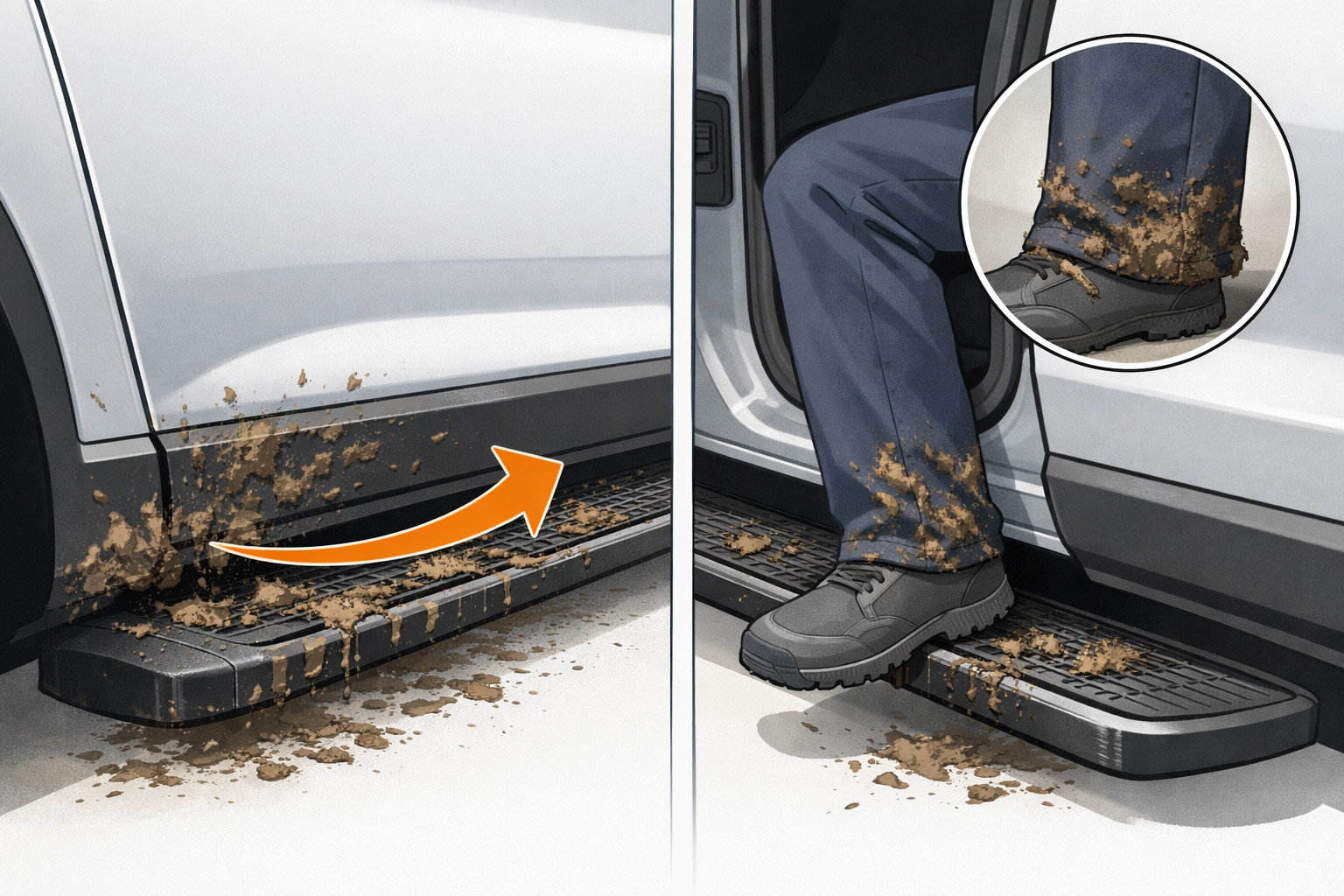
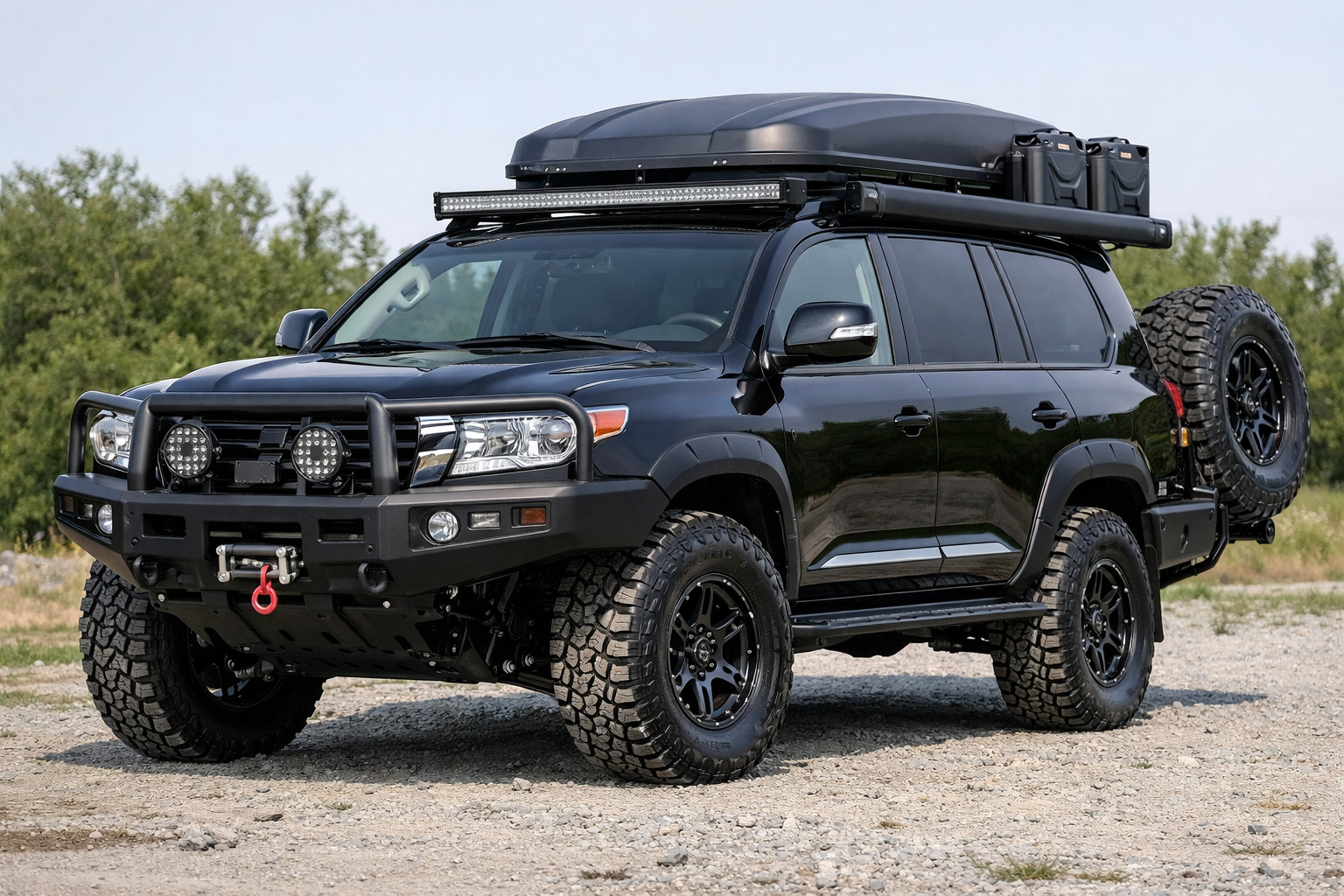
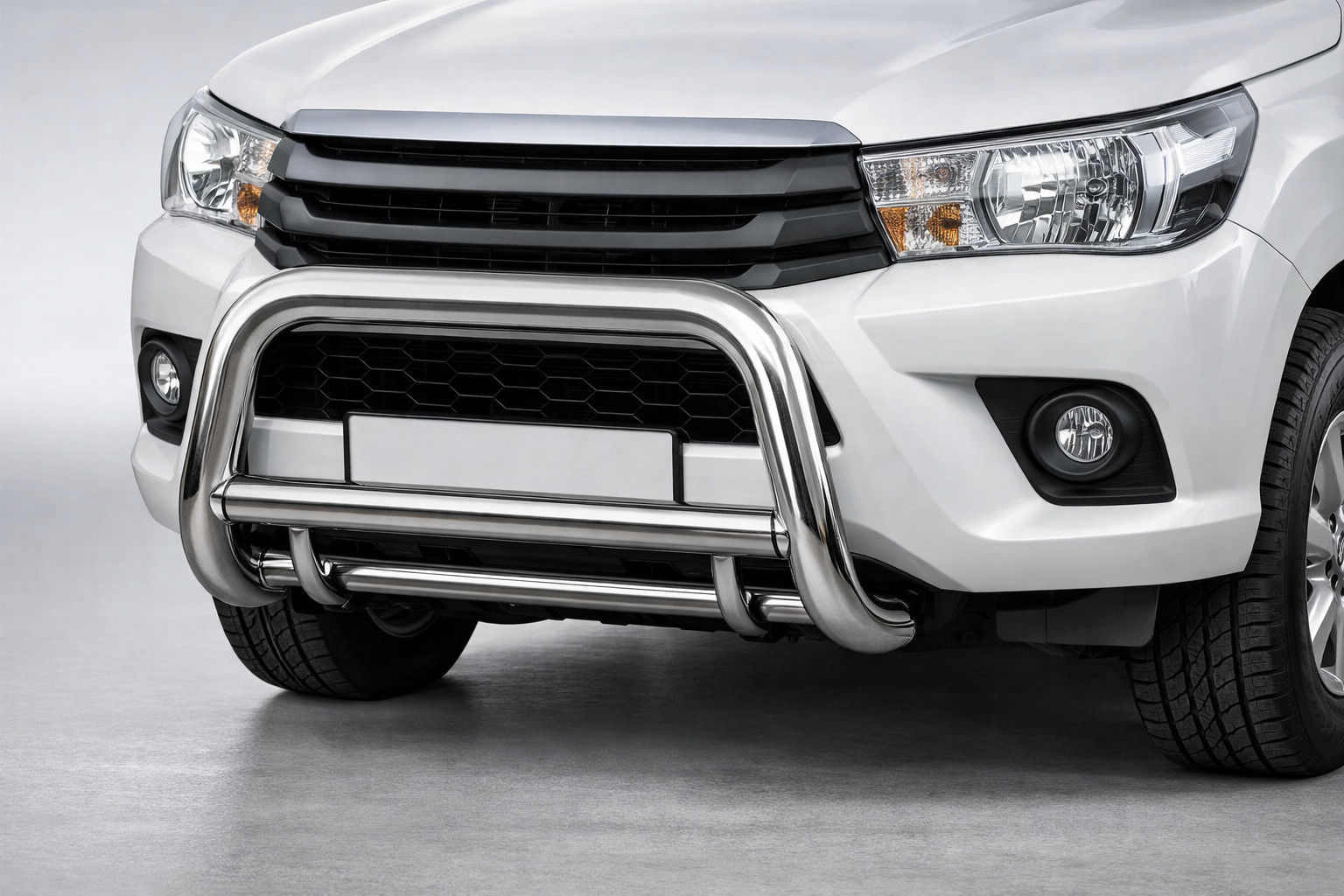
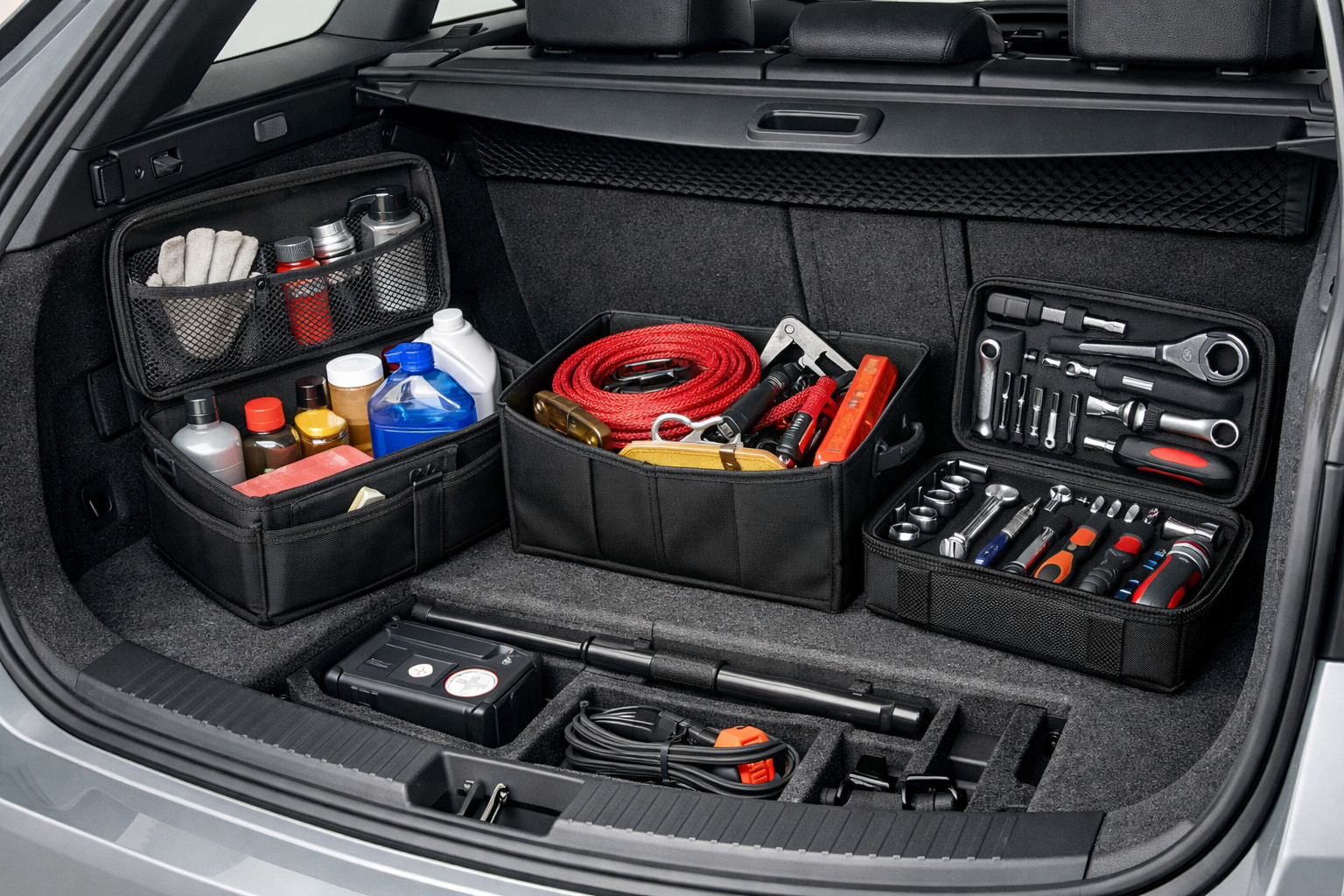
For Sprinter, upgrades make sense not when you want to “decorate,” but when you need to make the vehicle more convenient for work. If 2027 keeps the logic of the current model, the most useful items will remain accessories for the roof, the cabin, protection from dirt, and everyday access to the body. There is no separate catalog for 2027 yet, so the practical reference is upgrades for today’s W907/W910.
The main takeaway is simple: Mercedes Sprinter 2027 exists for now as a direction, not as a set of finalized numbers. But it’s already clear that the next generation will build on the current Sprinter’s strengths—modularity, safety, comfort, and suitability for conversions. If you need a versatile base for work, passenger transport, or a large project, this model is definitely worth watching. If, however, your priority is the lowest entry price and максимально simple operation, it’s better to look wider. This material is based on real experience selecting accessories, hands-on work with Sprinter configurations, and real use cases—not marketing promises.
Shipping to EU
Wholesale and retail
Own warehouse
Опис продукту
Подарунки не надаються при оформленні покупки у кредит під 0,01% або при покупці частинами.