06.04.2026
599
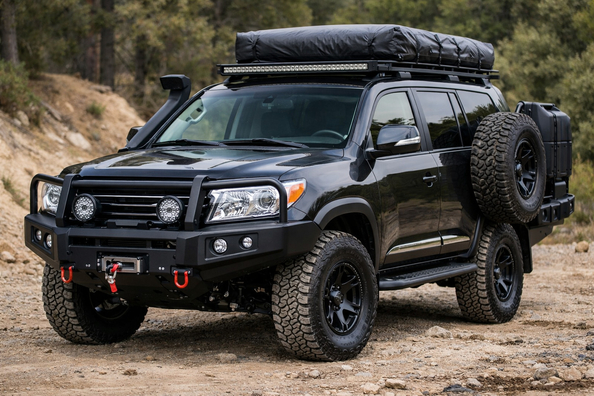
This upgrade plan is for those who have just bought a Toyota Land Cruiser 200 and want to quickly understand what actually brings benefits in daily driving, winter, long trips, and moderate off-road use. This model already has a strong factory base: full-time 4WD, low range, KDSS, a full-size spare, and a solid torque reserve—so the main thing after purchase is not to turn a smart vehicle into a heavy and expensive project without a clear purpose.
A sensible logic looks like this: start with basic maintenance and a check of weak points, then tires and a simple self-recovery kit, then rustproofing and underbody protection, and only after that—suspension, added weight, and big wheels. If the vehicle will tow a trailer, the priority shifts toward supporting the rear axle; if it’s driven in regions with road salt, rustproofing should be pushed to the very top of the list.
After buying an LC200, the upgrade should cover not an abstract “I want it to look cooler,” but specific tasks: better traction on mixed surfaces, lower risk of underbody damage, solid durability on long trips, predictable behavior under load, and the ability to get out without outside help. If the vehicle spends most of its time in the city and on highways, it doesn’t need extreme solutions.
It’s important to remember that a stock 200 is already very capable. For forest roads, gravel, snow, medium-difficulty sand, and touring routes, what it often lacks isn’t “hardware for the photo,” but fresh service, the right tires, and protection. But if your scenario includes towing a heavy trailer, a constant load in the cargo area, or rocky routes, then the order of upgrades will be different.
| Upgrade | Why it’s needed | Who really benefits |
|---|---|---|
| Basic service and post-purchase inspection | Restores predictability and removes risks from an unknown history | Every owner after purchase |
| Underbody rustproofing | Protects from salt, moisture, and early-stage surface corrosion | Those who drive in winter, on de-icing chemicals, or buy a used vehicle |
| All-terrain tires | Improve traction, control, and capability without complex modifications | Those who don’t drive on asphalt only |
| Compressor and tire repair kit | Lets you quickly adjust pressure and fix a puncture on the road | Travel, highway driving, dirt roads, winter |
| Skid plates for engine, fuel tank, and underbody | Reduces the chance of damaging critical components on rocks and in ruts | Those who actually go on tougher routes |
| Side steps or rock sliders | Take contact in ruts and make entry more convenient | Tall vehicle, family use, frequent driving in ruts |
| Rear axle support under load | Helps keep the body level when towing or carrying a постоян load | Those who tow or often drive loaded |
| Suspension lift | Adds capacity for extra weight and tougher routes, but changes vehicle behavior | Only when stock really isn’t enough |
| Very large wheels | Increase ground clearance, but often require trimming and added costs | Not for the first stage—more for a separate project |
DD Tuning expert comment: the most common mistake after buying an LC200 is starting with heavy and expensive parts without bringing the vehicle’s baseline condition up to standard. The second typical story is choosing overly large wheels “just in case,” which then leads to trimming, geometry questions, and a harsher daily ride. If your scenario hasn’t been validated by real trips yet, it’s better to start with quiet, practical upgrades and only then make the vehicle more complex.
After service, tires, and a basic self-recovery kit, it’s time for upgrades that only make sense once you understand your routes. For the LC200, that’s primarily underbody protection, fuel tank protection, and strong side steps/rock sliders if the vehicle regularly sees rocks, stumps, deep ruts, or snow berms. The vehicle has factory protection, but on rougher terrain extra metal works better than decorative pieces.
If the vehicle runs with a heavy load or tows a trailer, the more logical second-stage focus is not a lift, but rear axle support and suspension matched to real weight. That’s more practical than installing a stiff “just in case” setup right away. Big wheels also belong to the second or even third stage: anything beyond a moderate size quickly triggers a cascade of small—and not so small—additional jobs.
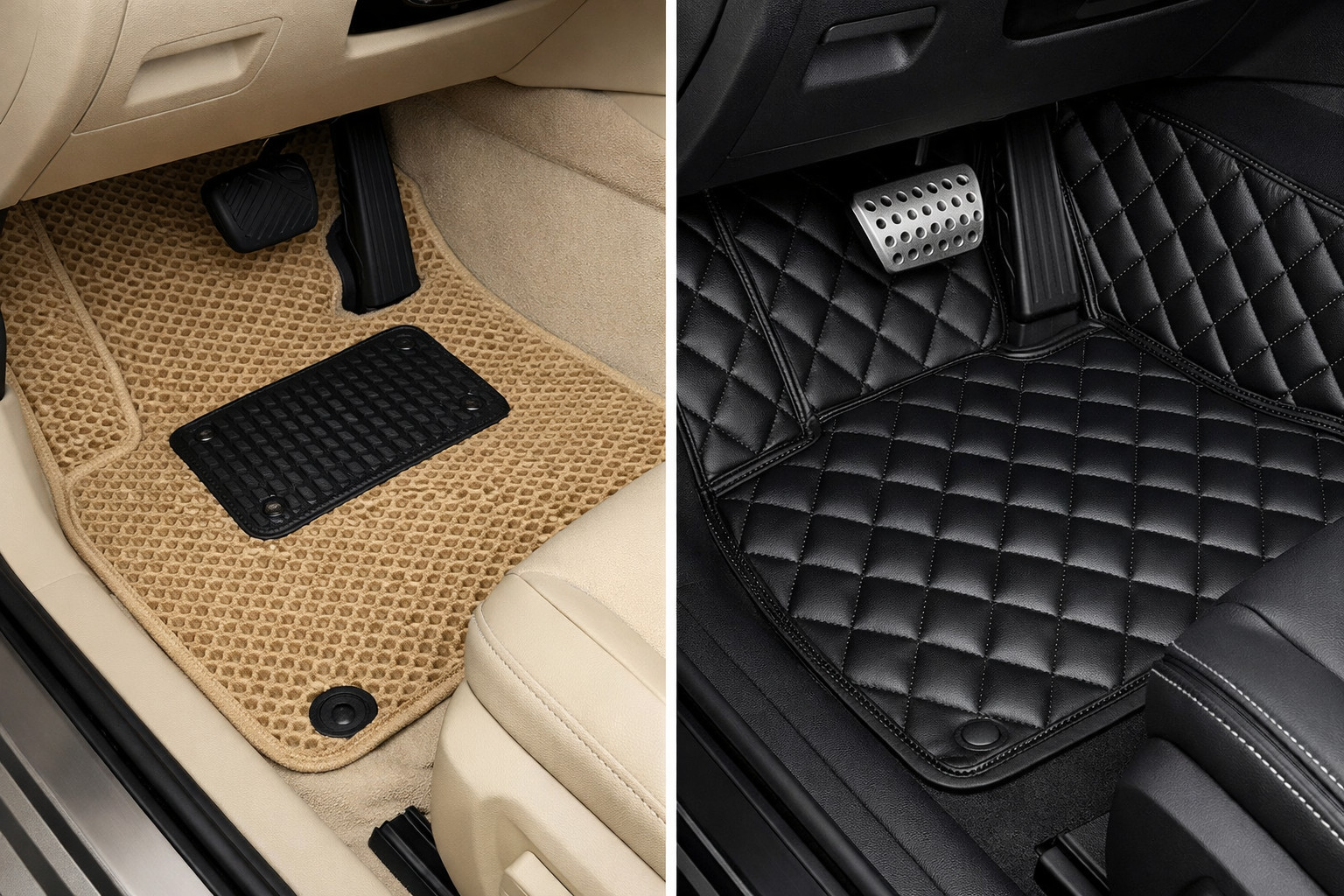
This group includes floor mats, cargo-area liners, seat covers, window deflectors, interior trim overlays, some exterior add-ons, and cosmetic body elements. They can be useful if you want to keep the interior clean, make washing after trips easier, or make daily use more convenient.
The problem is simple: these purchases can easily replace the real priorities. Deflectors or decorative trim won’t make an LC200 more reliable, safer on slippery surfaces, or better prepared to head out. So comfort add-ons are fine—but only after service, tires, and basic protection are covered.
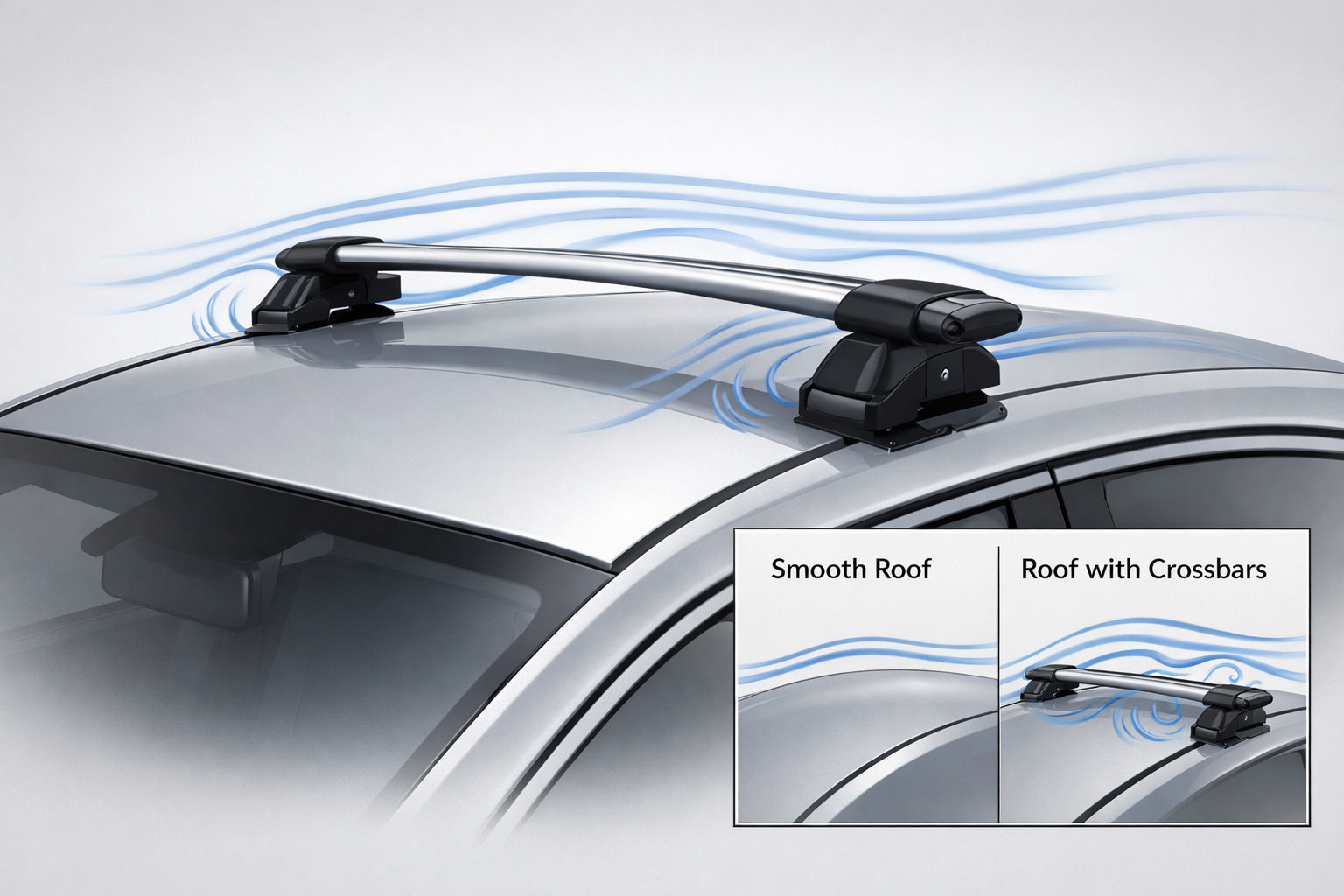
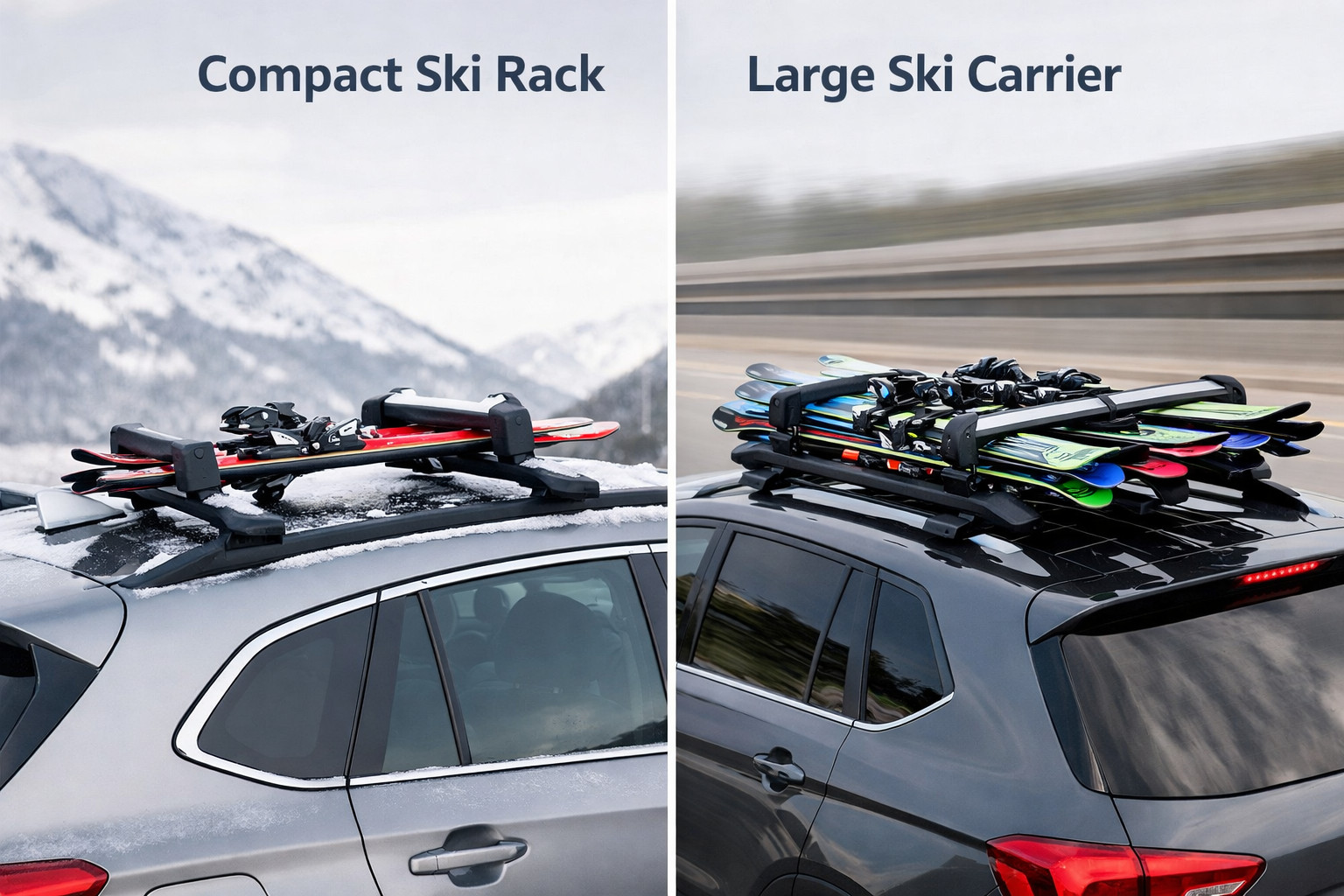
Most often, the unnecessary buys are very large wheels, a heavy roof rack “just in case,” a snorkel without a real need for water crossings or dusty convoys, massive front bars, excessive lighting, and expensive exterior elements that add weight but solve no daily task. On the LC200 this is especially noticeable because the vehicle is already heavy, and every extra kilogram affects acceleration, braking, and suspension response.
Another common mistake is building the vehicle for a rare scenario instead of the main one. If 95% of the time it’s city driving, highway runs, and family trips, then an extreme off-road build will bring more expense, noise, and harshness than benefit. Marketing clutter, in the case of the LC200, is anything bought before you have a real answer to the question “what problem does this solve?”
| Scenario | What to install first | What can be postponed | What isn’t required |
|---|---|---|---|
| City + highway + travel | Service, rustproofing, tires, compressor, repair kit | Underbody protection, side steps | Lift, big wheels, roof rack |
| Winter and de-icing chemicals | Rustproofing, underbody inspection, good tires | Additional fuel tank and engine protection | Snorkel, heavy external armor |
| Towing a trailer | Service, brakes, tires, rear axle support | Weight-rated suspension, underbody protection | Aggressive lift for looks |
| Moderate off-road | Tires, self-recovery kit, underbody protection | Side steps, load-rated suspension | 35-inch wheel setups and complex modifications |
Costly upgrades are justified when you’ve already built a basic configuration and identified a specific limitation. If the LC200 often hits its underbody on terrain, it makes sense to look at underbody protection. If the sidewalls suffer in ruts or you need easier entry into a tall vehicle, it’s logical to consider side steps.
If you’re still putting together your list of upgrades and don’t want to buy unnecessary items, it’s better to first review all solutions for the Land Cruiser 200 and filter out everything that doesn’t fit your scenario. Higher-end suspension, heavy-duty armor, and serious roof loads only make sense after you understand weight, route, and how often you go out. Otherwise, it’s not an upgrade—it’s a way to make the vehicle more expensive to own.
From a customer’s experience: after buying an LC200, the owner initially wanted a lift and big wheels, but started with service, rustproofing, new tires, and a compressor. After a few trips, it turned out that for his “highway, winter, forest roads” use case this was already enough, and the next step was only underbody protection. In the end the vehicle stayed comfortable for daily use, without extra spending on modifications that never became necessary.
After buying a Toyota Land Cruiser 200, the smartest approach is not to build an “expedition look,” but to systematically eliminate risks: service, rustproofing, tires, basic self-recovery, then protection, and only then complex and expensive upgrades. In most cases, this order delivers the best balance of cost, durability, and real-world benefit.
This material is based on real experience in selecting parts, hands-on practice, and real usage scenarios: what truly helps an LC200 owner, and what just looks nice in a shopping list. If you follow this principle, the vehicle will remain strong and reliable, and won’t turn into a set of random accessories.
| ✔ | First, they recommend taking care of basic maintenance rather than spending money on tuning. This makes sense, because checking the oil, filters, brakes, fluids, and KDSS components immediately reduces the risk of hidden issues after purchase. |
| ✔ | Anti-corrosion protection is given priority for high-mileage or winter-driven vehicles. For the LC200, this is genuinely useful, because corrosion on fasteners and suspension components ends up costing more later. |
| ✔ | The first noticeable upgrade is said to be the right all-terrain tires. They provide better control and traction without complex modifications, which is important for mixed routes, winter, and dirt roads. |
| ✔ | A simple self-recovery kit is emphasized: a compressor, repair kit, recovery strap, and traction boards. This is useful on real trips, because it lets you quickly adjust tire pressure, fix a puncture, or get unstuck without outside help. |
| ✔ | There is a clear step-by-step logic: first service, tires, and protection, and only then suspension or large wheels. This approach helps avoid overloading the vehicle with unnecessary weight and spending money on solutions that may not be needed. |
| ✘ | The article explicitly says that a stock LC200 is already capable enough in many scenarios. Because of this, some upgrades may turn out to be unnecessary if the vehicle is driven mostly in the city and on the highway. |
| ✘ | Very large wheels and heavy exterior elements often lead to trimming, extra work, and harsher vehicle behavior. For daily use, this can reduce comfort and increase expenses. |
| ✘ | Suspension, lift, and serious power solutions only make sense after assessing real routes and loads. If installed too early, they can leave you with a more expensive-to-maintain vehicle without any noticeable benefit. |
| ✘ | Comfort and cosmetic extras do not solve key tasks, but they easily distract from more important things. Because of this, the owner may spend money on floor mats, trim pieces, or deflectors before covering service, tires, and protection. |
Shipping to EU
Wholesale and retail
Own warehouse
Опис продукту
Подарунки не надаються при оформленні покупки у кредит під 0,01% або при покупці частинами.