

































































 Author: Radomskyi Maksym Vasyliovych
This upgrade plan is for a Kia Sorento III UM 2014–2020 owner who regularly drives on highways and wants not just to freshen up the car’s look, but to reduce the risk of chips on the hood, grime on the front end, and fast interior wear during trips. If that’s exactly your use case, the key here is not the number of accessories, but the right sequence.
The logic is simple: first install what actually takes the hit from stones, sand, and road debris, then add protection for daily use, and only after that think about things that affect convenience or appearance more. For this Sorento generation it’s also important not to buy at random: compatibility differs by model year, and some accessories depend on the interior and roof configuration.
What this upgrade needs to accomplish
For highway driving in a Sorento, the main goal of the upgrade is to keep the front of the body in good condition, not to fight the aftermath after every season. The hood and upper front fascia are the first to catch insects, fine gravel, sand, and grime from trucks, so this is where you need physical protection—not decorative solutions.
The second goal is to stop small debris and water from constantly spreading along the sides, sills, and into the cabin. If the car is used by a family—with suitcases, kids’ items, or sports gear—the highway scenario quickly wears out floor mats and the cargo area. So a good upgrade here should protect the body and make day-to-day use easier at the same time.
What to do first
Step one is front-end protection. If your priority is stone chips, the most effective option is anti-gravel polyurethane film on the leading edge of the hood and the zones that take the most hits. If the budget is tighter or you don’t want to apply film, then a vehicle-specific hood deflector makes sense. But it’s important to understand the difference: a deflector helps with insects and small debris, but it doesn’t replace real armor against stones.
The second must-have step is mud flaps. They’re not as noticeable as a deflector, but the effect is very practical: less sand, wet dirt, and fine abrasive material gets thrown onto the lower parts of the doors and the side panels. For a car that often runs highways, this is far more useful than most decorative trims.
At this stage, don’t confuse protection with cosmetics. A ceramic coating can make washing easier, but it won’t replace physical protection against chips on the hood. One more point: Sorento III UM solutions differ for 2014–2015 and 2016–2020, so selection must be done by the exact year and configuration.
Upgrade item, why it’s needed, who it benefits
| Upgrade | Why it’s needed | Who it truly benefits |
|---|---|---|
| Anti-gravel film for the front end | Takes the hit from chips, sand, and fine abrasive on the highway | Those who often drive between cities and want to keep the paint without touch-ups |
| Vehicle-specific hood deflector | Redirects part of the airflow, reduces insect buildup and the impact of small debris | Those who drive highways but aren’t ready for film or want a simpler solution |
| Mud flaps | Reduce dirt and abrasive spray onto the sills, doors, and rear of the body | Anyone who drives in rain, on gravel, or on dirty intercity roads |
| Rubber floor mats | Hold water, snow, and sand better than textile mats | Family cars, daily drivers, and vehicles used for long routes |
| Cargo liner or cargo tray | Protects the cargo floor from suitcases, stroller wheels, jerry cans, and wet items | Those who regularly load the trunk rather than keeping it empty |
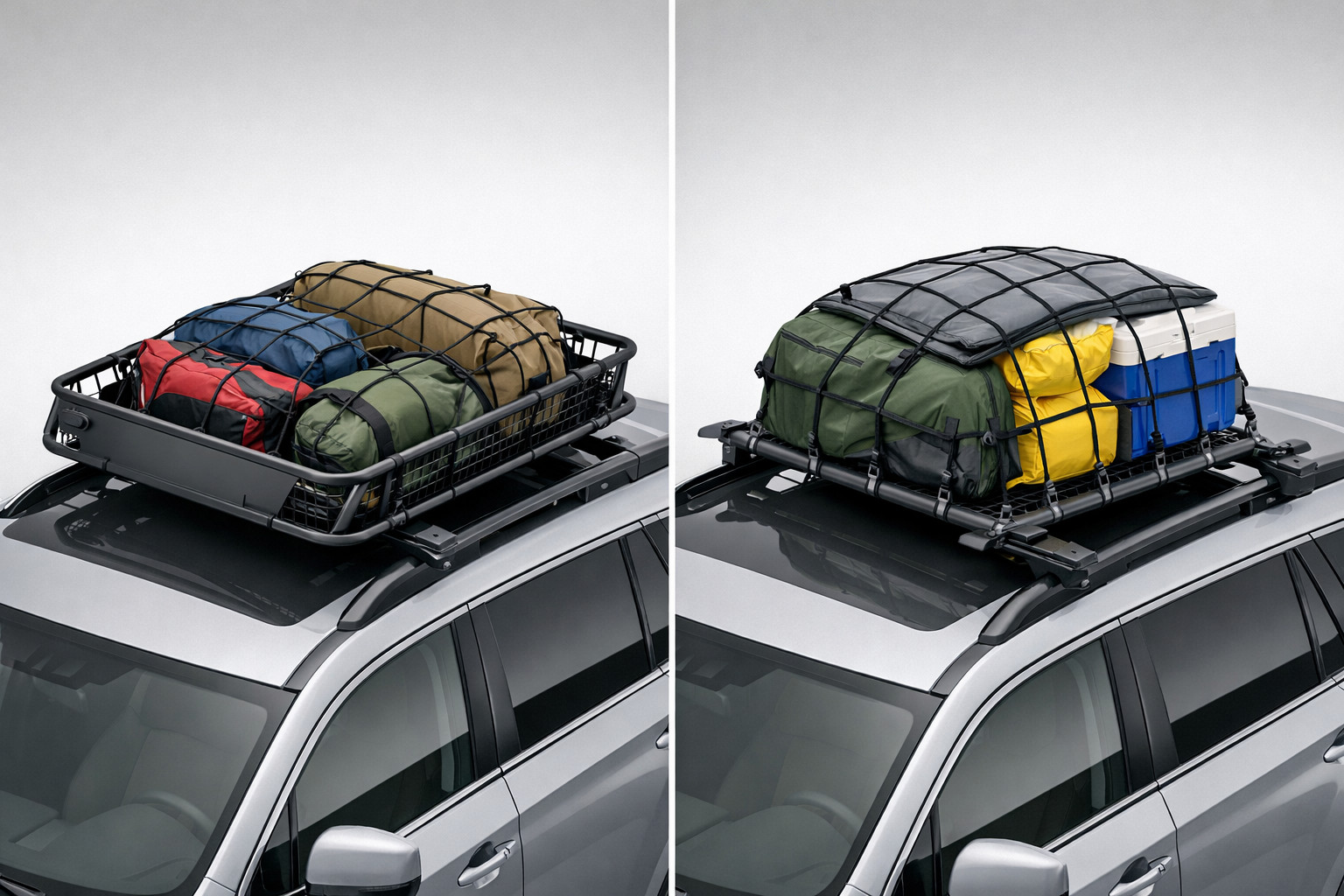
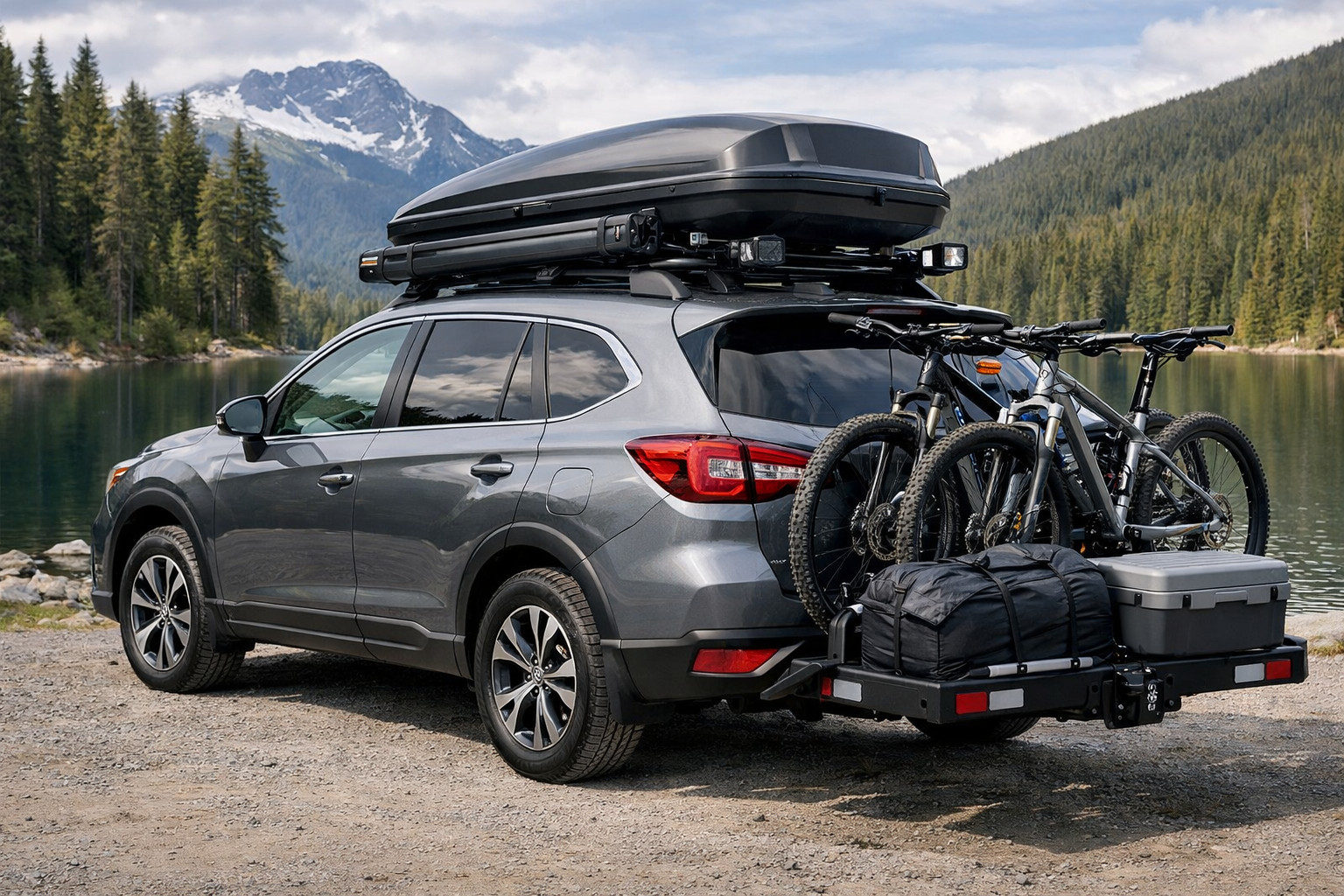
| Roof crossbars | Enable carrying a box, bicycles, or other roof cargo | Only those who truly use the roof and are ready for precise fitment |
DD Tuning expert comment: the most common Sorento mistake is buying a universal deflector or crossbars just because they’re cheaper. On the highway, poor fitment quickly becomes a problem: the deflector can rub the hood, and the crossbars can be noisy from the first trip. The second typical mistake is expecting from ceramic what only physical protection can actually do.
What makes sense to add in the second stage
In the second stage, it’s worth covering not the front end, but the daily wear points. For Sorento, that’s rubber floor mats and cargo protection. If you have the 7-seat version, note that the third row often comes separately, so the set should be chosen not “by eye,” but for your specific interior.
Next is the cargo area: either a simple rubber liner, or a version with seatback protection if you often fold the rear row. But there’s a nuance: if you constantly use the underfloor storage compartment, a tray that’s too rigid can be annoying because you’ll have to remove it every time. Roof crossbars also belong in the second stage, but only if you already have a clear use case for a roof box or bikes.
What’s more about comfort or looks
In this group I’d include window deflectors, clear protection for the hood edge for later years, door-sill scuff plates, and most exterior decorative elements. These aren’t useless, but they don’t solve the main task nearly as strongly as front-end protection and mud flaps.
For example, window deflectors can be helpful in rain if you like cracking a window slightly on the highway. But there’s no point installing them before hood protection or mud flaps. Same with trim pieces: they can protect certain areas from minor scratches, but they don’t cover the basic needs of a highway car.
What people often buy for no reason
Most often, people waste money on items that aren’t tied to their use case. First—ceramic instead of physical hood protection. Second—a universal deflector just because it’s cheaper. Third—crossbars “just in case,” even though the roof isn’t used once a year.
Another common overpayment is exterior trims, chrome, and small decor before mud flaps, mats, and the cargo area are covered. On Sorento, that’s almost always the wrong order. And it’s worth thinking separately before choosing a rigid cargo tray: if you often need access to the lower compartment, a simpler liner may be more practical.
What to install first, what to postpone, what isn’t required
| What to install first | What can be postponed | What isn’t required |
|---|---|---|
|
|
|
A ready upgrade plan for this use case
- Confirm the model year, interior configuration, and roof type to avoid missing compatibility.
- Start with front-end protection: anti-gravel film, and if a simpler solution is needed—a vehicle-specific hood deflector.
- Add mud flaps right away, because they deliver a noticeable practical effect on a moderate budget.
- Install rubber floor mats, especially if the car often drives highways with passengers.
- Protect the cargo area with a liner or tray according to your usage pattern, taking access to the underfloor compartment into account.
- Only after that decide whether you need crossbars, window deflectors, and other secondary items.
When it makes sense to choose more expensive solutions
More expensive solutions are justified where a mistake affects the paint, noise, or daily convenience. If you’re getting a deflector, it’s better to choose a vehicle-specific hood deflector rather than a universal strip with questionable fitment. If you actually carry a box or bikes, it makes sense to look at a compatible roof rack for the specific year and roof type. And for family trips, a quality cargo mat often pays back faster than any decorative accessory, because it takes the hit from dirt, water, and cargo marks every day.
From a customer’s experience: for regular intercity trips in a Sorento, the owner initially wanted crossbars and exterior trims, but after selection started with hood protection, mud flaps, and a cargo mat. As a result, the front end collected fewer small marks, and the cargo area stopped getting dirty so quickly from suitcases and kids’ items. Crossbars were added later, when a real use case with a roof box appeared.
Conclusion
For a Kia Sorento III UM 2014–2020 used on highways and focused on hood protection, the smartest scheme is: first physical front-end protection, then mud flaps, then mats and the cargo area, and everything else only after that. This order delivers real benefits in daily use and doesn’t dilute the budget on items that look good but change little.
In short, in this scenario what’s useful is what takes the hit, dirt, and wear—and marketing clutter is anything installed before basic protection. Choose accessories for your driving pattern, not for the catalog picture.
How it works
- Check compatibility for your Sorento First, confirm the model year, interior configuration, and roof type. For Kia Sorento III UM 2014–2020, some accessories differ between 2014–2015 and 2016–2020, so choosing by eye here is risky.
- Protect the front from chips First of all, apply anti-gravel polyurethane film to the hood’s high-risk area. If you need a simpler solution, choose a model-specific hood deflector, but do not expect it to replace full physical protection from stones.
- Add mud flaps After protecting the hood, install mud flaps. They reduce the spray of sand, wet dirt, and abrasives onto the sills, doors, and lower body, which is especially useful on the highway and in rainy weather.
- Protect the cabin from dirt Install rubber floor mats, especially if the car regularly carries passengers and travels long distances. They hold water, snow, and sand better than textile coverings.
- Choose trunk protection for your use case Next, cover the trunk with a mat or a liner, depending on how often you load items and whether you need access to the lower compartment. If you often fold the rear row or carry wet or dirty cargo, this step provides clear practical benefits.
- Leave secondary accessories for when needed Roof crossbars, window deflectors, and decorative trims should only be installed when you have a real use case for them. If you do not need them, they are not a priority: basic protection should work first, and only then comfort and appearance.
Pros and cons
The anti-gravel film on the front end really takes on chips, sand, and fine road grit. For intercity trips, it is a more practical hood protection than cosmetic solutions.
Mud flaps noticeably reduce the spray of dirt and sand onto the sills, doors, and lower body. For a car that often drives in the rain or on dirty roads, this makes a noticeable difference.
Rubber floor mats in the cabin hold water, snow, and sand better than textile ones. In a family car and on long trips, this makes cabin care easier.
A trunk mat or trunk liner protects the cargo floor from suitcases, a stroller, canisters, and wet items. This is especially useful if the trunk is used regularly rather than driven empty.
The right upgrade sequence helps avoid spending the budget on secondary items before basic protection. First, the front end and dirty areas are covered, and only then are comfort or decorative accessories added.
On the Sorento III UM, there is a difference between solutions for 2014–2015 and 2016–2020, so buying accessories at random is risky. You need to check the exact model year, interior configuration, and roof type.
The hood deflector does not replace full stone chip protection. It helps more against insects and small debris, so if you need protection specifically against chips, this may not be enough.
Roof crossbars make sense only when a box, bicycles, or other roof cargo is actually planned. If the roof is not used, it is an unnecessary purchase that may also be noisy.
A rigid trunk liner can be inconvenient if access to the lower compartment is often needed. In that case, a simpler mat may prove to be a more practical solution.