07.07.2026
215
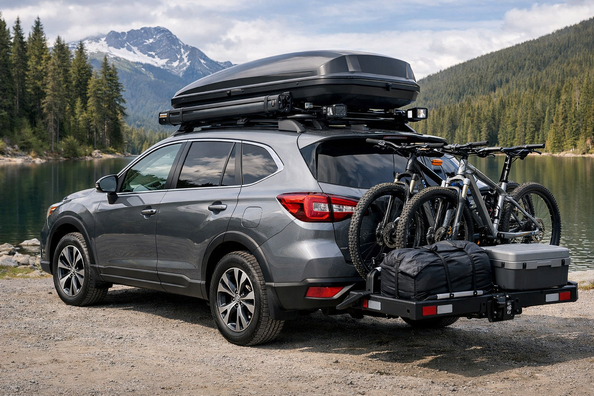
This plan is for a crossover owner who has hit the limits of the factory trunk before a vacation, outdoor trips, or regular family travel. The task is simple: add space for gear without making the car inconvenient day to day, and without turning the load into a problem in terms of noise, height, and safety.
There’s one nuance: for different crossovers, the solution varies depending on roof type, rail height, load limit, the presence of a sunroof, and a tow hitch. That’s why the correct order matters more here than the accessory list itself: first the base and compatibility, then the cargo carrier for your scenario, and only after that the small upgrades.
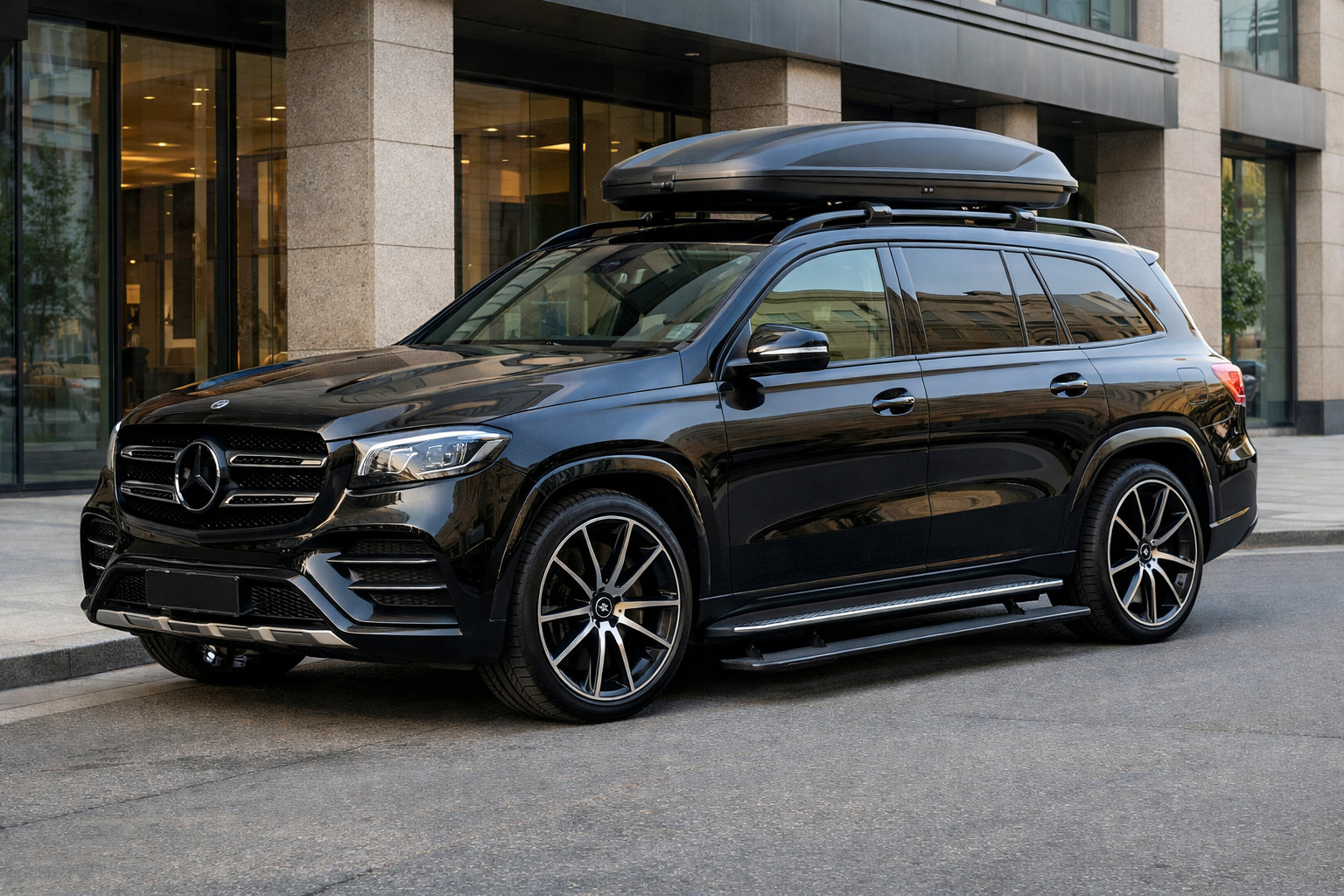
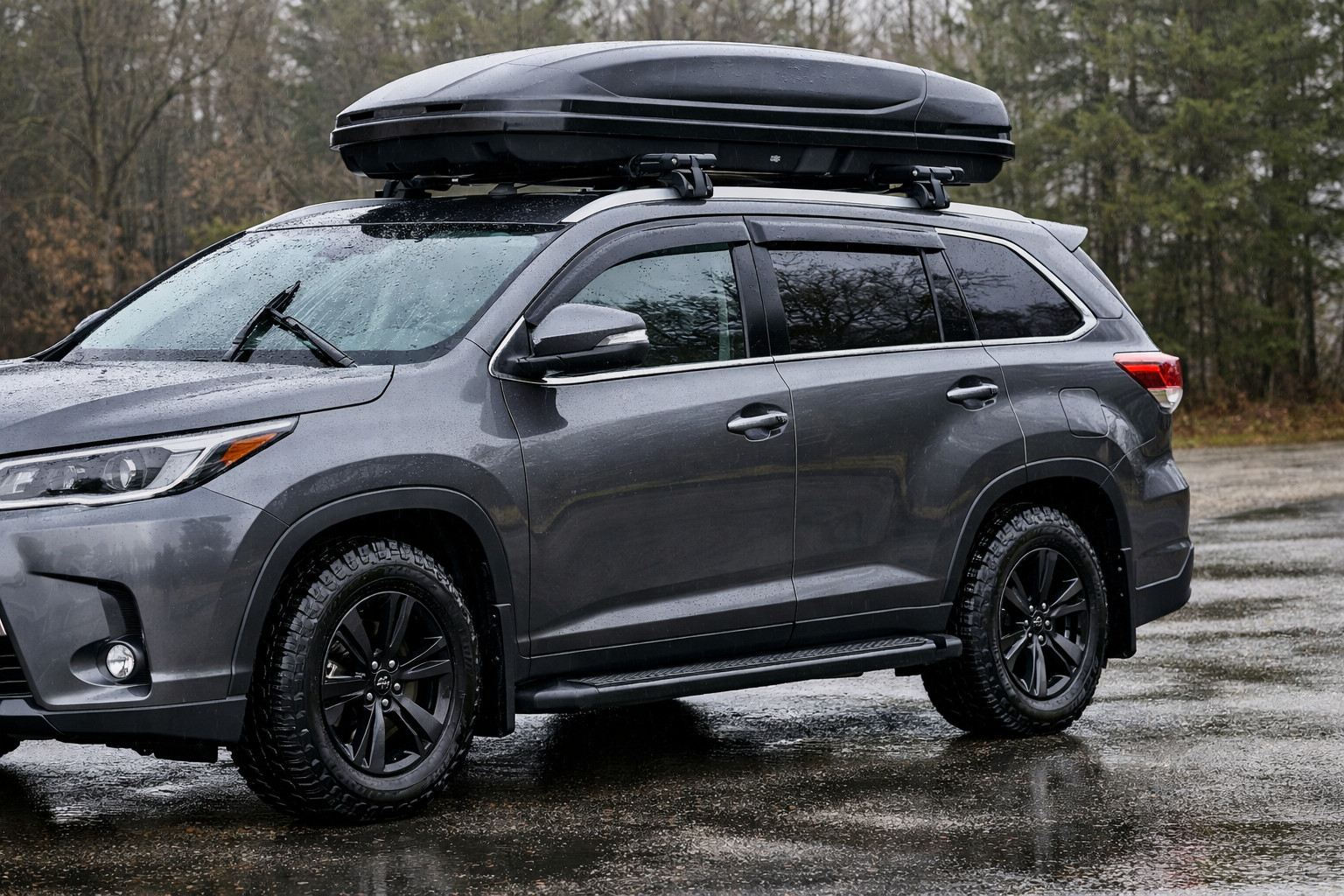
If we’re talking about normal family trips, the main task is to move bulky but not the heaviest items up top: bags, kids’ gear, sleeping bags, skis, fishing rods. For this, a medium-size closed roof box most often works best: it protects from rain and dust and doesn’t force you to pack every small item into separate covers.
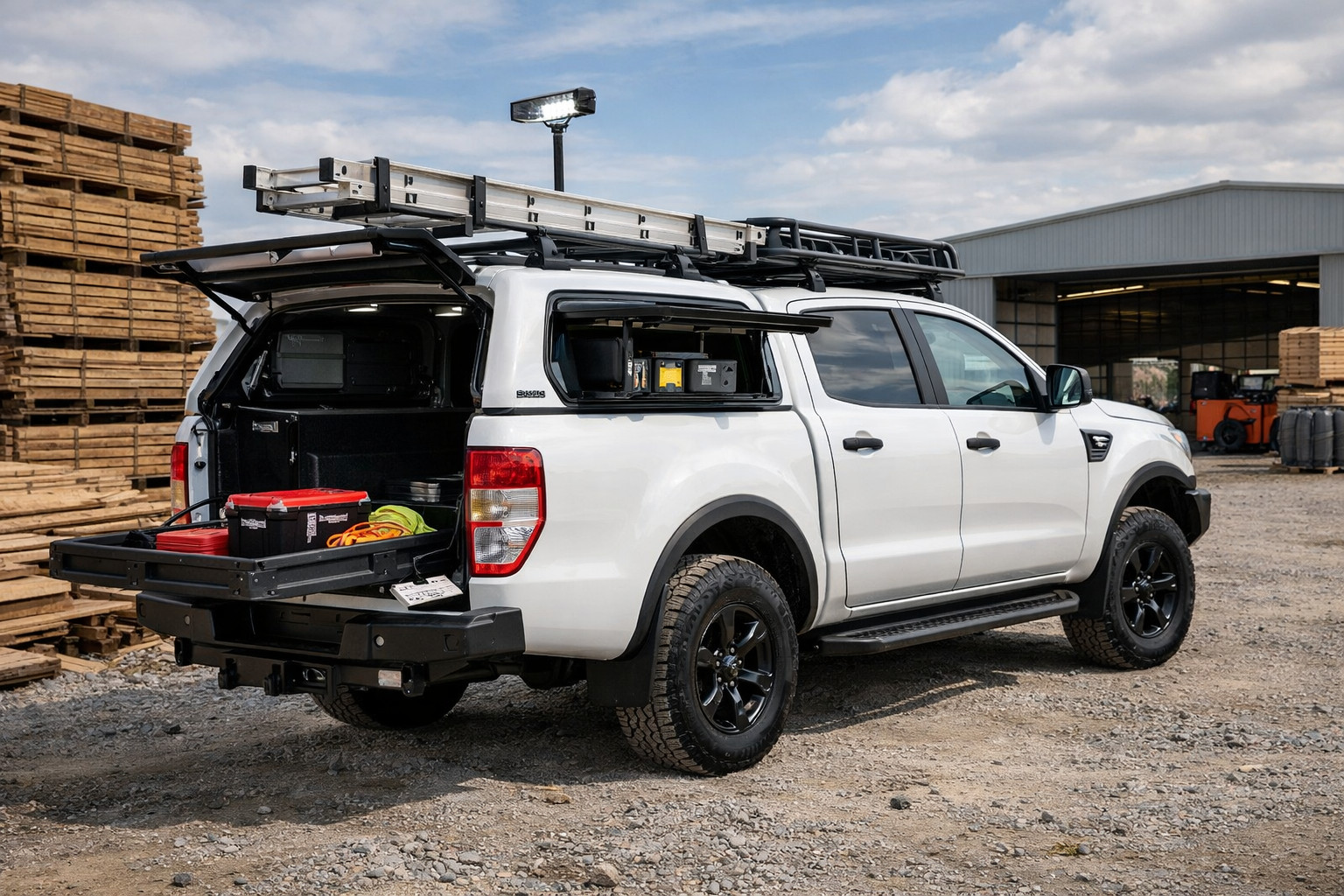
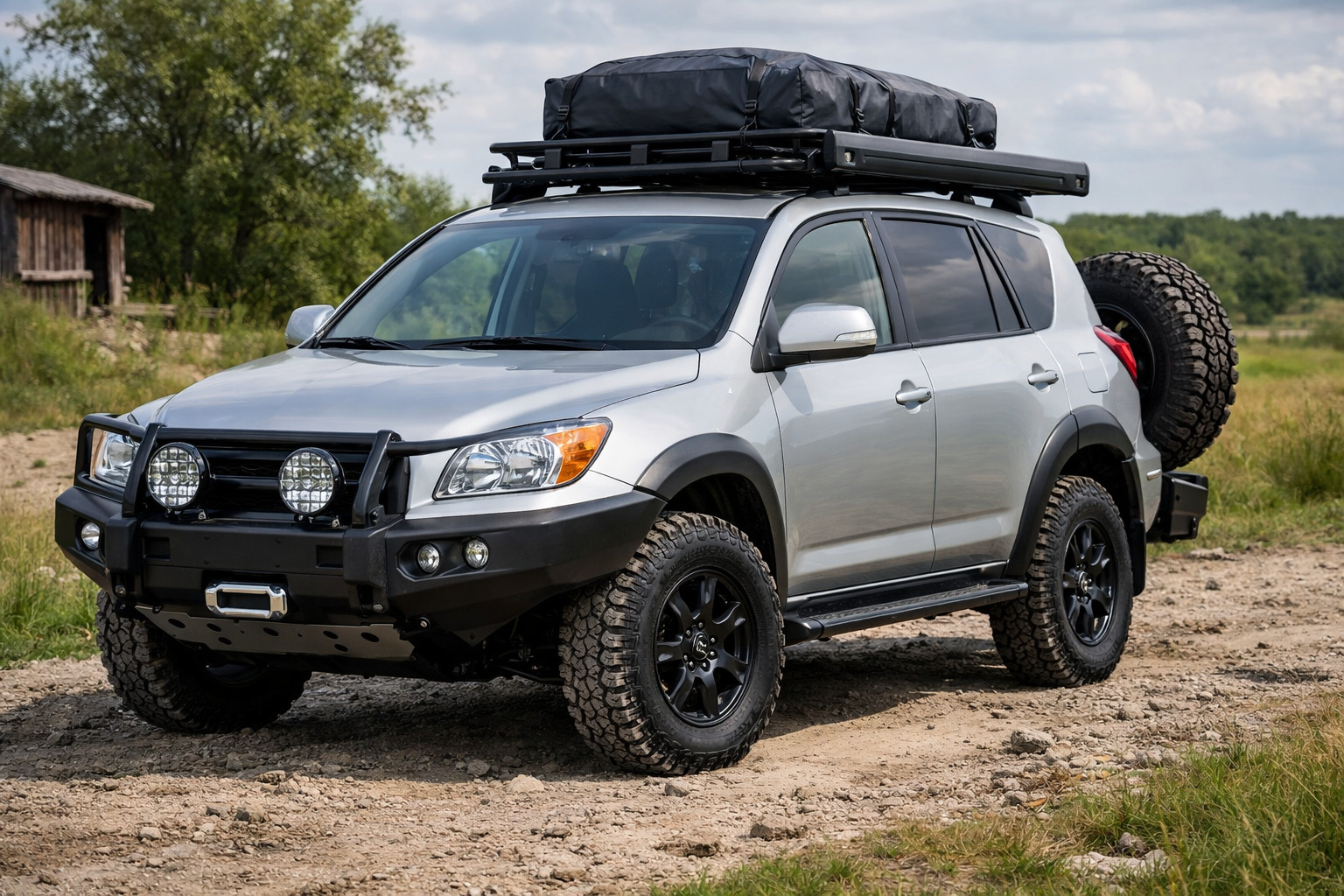
If you carry dirty, heavy, or awkward cargo, the roof is no longer the best option. A hitch-mounted box or platform is more practical because the load sits lower, loading is easier, and you don’t have to count every kilogram on the roof. Skis and long items are a separate scenario: a narrow long box is better than simply the largest one by liters.
The key limitation for any crossover isn’t volume, it’s weight. The real roof payload is calculated like this: roof rating minus the weight of the crossbars, feet, and the box itself. In practice, with a limit around 75 kg, after the system weight you often have less than 50 kg left for cargo—so a big box doesn’t automatically mean big usefulness.
First you install not the box, but the right aerodynamic crossbars for your roof type. They determine whether the whole system will be quiet, rigid, and compatible with a box, basket, or equipment mounts. If you save money here or pick a “whatever fits” option, you’ll end up with whistling, play, and load limitations.
Right before buying, you need to check three things: the permissible roof load, the spacing between the crossbars, and whether the future box conflicts with the sunroof or the upper edge of the tailgate. Even a great box loses its point if the tailgate hits it or the car no longer fits into an underground parking garage.
Second on the priority list is the cargo solution type itself. For most crossovers and family travel, that’s a medium-volume closed box. If you travel as a couple or three people, 340–425 L is usually enough; for four, 425–510 L is more often the sweet spot. An overly large box is worth buying only for real volume needs, not “just in case.”
| Upgrade | Why it’s needed | Who truly benefits |
|---|---|---|
| Aerodynamic crossbars | Create the right base for any roof load, reduce noise, and ensure compatibility with a roof box | Anyone who plans to carry something on the roof regularly, not just once a season |
| Closed roof box 425–510 L | Adds weather-protected volume without dirt in the cabin | Families, people who travel on vacation, carry suitcases, kids’ things, soft gear |
| Long narrow roof box | Makes room for skis, fishing rods, and long items without extra width | Those who carry long gear and don’t want to install an overly wide box |
| Straps and organizer bags | Keep items from shifting inside, speed up packing and unloading | Those who travel long distances often and don’t want to rebuild luggage from scratch every time |
| Hitch-mounted box or platform | Makes loading heavy or dirty cargo easier and keeps the weight lower | Those who have a tow hitch and truly have equipment that’s inconvenient to lift onto the roof |
| Roof basket or soft bag | A cheaper or more flexible way to carry cargo, but without proper weather protection | Only for occasional trips or specific dirty cargo |
DD Tuning expert comment: most mistakes happen in two places—people choose the longest possible box without checking tailgate clearance, and they look only at liters rather than the weight of the whole system. The second kind of mistake is putting heavy items up top when the issue wasn’t volume, but poor load distribution. If you’re choosing between a bigger box and better packing, in most cases better packing wins.
The second stage doesn’t start with new “hardware,” but with small things that make the system convenient every day. Straps, inner bags shaped for the box, sleeves for long items, separating clean and dirty cargo—these cost less than a new box, but genuinely save time when packing.
If after a few trips it turns out the roof is short not on volume but on allowable weight, then the second stage is the time to look toward a hitch-mounted box or platform. This isn’t duplicating the roof—it’s a different scenario: easier loading, less lifting overhead, better for heavy items. But you need to check hitch receiver size, tailgate opening clearance, and lighting/plate requirements.
In parallel, it’s worth dialing in your packing method. On the roof, it’s better to keep most of the weight centered between the crossbars, and keep heavy items in the cabin or move them to the rear if possible. Poorly distributed cargo ruins handling faster than being short a few dozen liters of volume.
Items that improve comfort more than the mere fact of carrying include a wind fairing, a box with dual-side opening, a low profile, and quick mounts. If you drive on highways often, park in tight spots, or don’t want to fuss with installation every time, these options are truly noticeable.
But a black finish, an “expedition vehicle” shape, or an overly massive basket is often more about looks than real benefit. On a city crossover, the appearance of the system shouldn’t take priority over noise, height, and actual payload.
The most common mistake is buying the biggest box because “it might come in handy.” In practice it’s heavier, noisier, more expensive, harder to store, and more likely to interfere with a sunroof or parking height limits. For most families, a medium format hits better.
The second mistake is installing a roof basket instead of a box for regular trips. A basket is good for dirty, wet, odd-shaped cargo, but for suitcases, kids’ items, and electronics it loses due to dust, rain, and the need to strap and wrap everything separately.
The third is overpaying for cosmetics instead of a rigid base. Cheap crossbars “for looks,” a soft roof bag for regular travel, or a wind fairing before confirming compatibility don’t cover the main scenario—they only mask the initial mistake.
| Scenario | What to install first | What you can postpone | What’s optional | Why |
|---|---|---|---|---|
| Weekly family trips | Crossbars + 425–510 L roof box | Bags, organizers, wind fairing | Roof basket, hitch platform | You need protected volume, not off-road styling |
| Traveling as a couple or three | Crossbars + 340–425 L box | Quick mounts, inner bags | An overly large box | A smaller box is lighter, quieter, and easier to store |
| Skis or long items | Crossbars + a long narrow box | Covers, small organizers | A wide tall box | In this scenario, length matters more than maximum liters |
| Dirty or heavy equipment | Hitch-mounted box or platform, if you have a hitch | A roof box as an add-on | A “just in case” basket | Heavy items are better kept low, not lifted onto the roof |
| A few trips per season | First assess real volume needs and compatibility, then the base | A roof box until the second or third trip | Decorative add-ons | First it’s worth understanding whether the issue is volume or simply poor packing |
This order is almost always cheaper than an impulsive purchase of a huge box on an incompatible base. And don’t forget about driving mode: with a box you shouldn’t plan a cruising speed above what the instructions for that specific system allow; for many solutions the limit is close to 130 km/h.
More expensive solutions make sense when the crossover often travels long distances, loading happens regularly, and the system is needed not for two vacations but for the whole season or several years. Then it’s justified to pay for quieter crossbars, a lower box, dual-side opening, quick installation, and better sealing.
It’s worth starting with a properly selected base: crossbars for roof rails determine compatibility and load margin. If the main task is to add closed volume for trips, it makes sense to look at mid-size roof boxes rather than the maximum dimensions right away. Before overpaying for a pretty but weak base, it’s useful to check which crossbars can handle a roof box and where the difference is not in design, but in stiffness and noise.
A separate case for the pricier scenario is a hitch-mounted box or platform. They’re truly justified if you have a tow hitch, often need to load heavy items, or there are shorter people in the family and lifting gear onto the roof is inconvenient. But this is no longer a universal purchase: you’ll have to check the receiver, compatibility with the rear door, lighting, and the overall vehicle length.
From a customer’s experience: for a family-use crossover, we initially looked for the biggest possible box because we wanted to move everything out of the cabin. After checking the roof load limit and parking height, we settled on a medium box and proper crossbars, and kept heavy items in the trunk. As a result, the car stayed convenient every day, and the extra volume was enough specifically for suitcases, kids’ items, and soft gear.
For most crossovers, the smart start is the same: the right aerodynamic crossbars, then a closed roof box sized to real needs, and only after that small add-ons or a hitch-based scenario. If you carry heavy and dirty cargo, don’t drag it onto the roof just because that’s the привычно—placing it lower is often more practical and safer.
The main thing is not to buy a system based on a picture. This material is based on real selection experience, hands-on practice, and real use cases: first compatibility and load, then carrier type, then comfort options. This exact order is what separates a useful upgrade from unnecessary spending.
| ✔ | Aerodynamic crossbars are the foundation, without which a box or another carrier can be noisy, have play, and come with load limits. For regular trips, this is a more practical starting point than buying the box itself without preparation. |
| ✔ | A closed roof box of medium size is suitable for family trips and vacations: it adds rain- and dust-protected space without overloading the car with a large and inconvenient solution. For most families, a medium format turns out to be more suitable than the maximum one. |
| ✔ | A long, narrow roof box is useful specifically for skis, fishing rods, and other long gear. In such a scenario, length matters more than just a large volume. |
| ✔ | A towbar box or platform is convenient for heavy or dirty cargo because it does not need to be lifted onto the roof. This reduces the loading effort and keeps the mass lower. |
| ✔ | Straps, organizer bags, and thoughtful packing really save time and reduce chaos during trips. They help not only to transport items, but also to pack and unload them faster. |
| ✘ | An oversized box often turns out to be more problematic than useful: it is heavier, noisier, more expensive, and can hit the sunroof or parking height limit. Without checking the actual roof limit, a large volume does not guarantee real benefits. |
| ✘ | A roof basket is poorly suited for ordinary family trips with suitcases or children's items. It offers worse protection from dust and rain and requires the cargo to be tied down and packed separately. |
| ✘ | A roof bag or cheap crossbars for regular use are described by the author as a weak solution. They do not solve the issue of a rigid base, compatibility, and load safety. |
| ✘ | A towbar box is not a universal option: before buying, you need to check the towbar receiver, the opening of the trunk lid, the lights, and the license plate. This adds several technical limitations that are not present in the simpler roof scenario. |
Shipping to EU
Wholesale and retail
Own warehouse
Опис продукту
Подарунки не надаються при оформленні покупки у кредит під 0,01% або при покупці частинами.