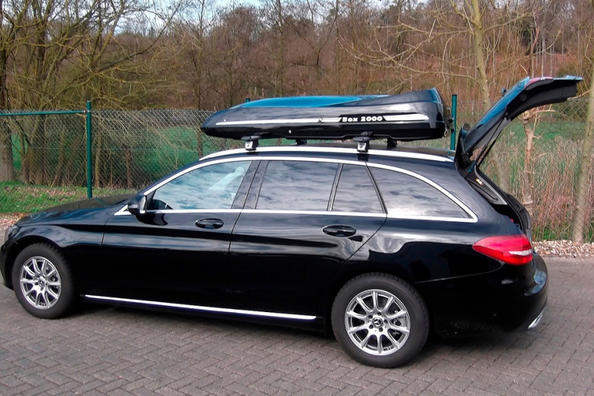
Sometimes it happens that all the luggage cannot fit into the luggage compartment. In such situations, the roof rails , which can be pre-installed in order to improve the functionality and practicality of your vehicle, will come in handy.
The advantages of roof rails
The positive properties of roof rails include the following:
- Easy to install and dismantle;
- Good strength;
- Low weight;
- Allows you to transport long and bulky goods;
- They can serve as a platform for installing additional devices (light elements, auto boxes, etc.);
- Possess versatility;
- Improves the appearance of the car.
Among the disadvantages of roof rails are:
- Fuel consumption may increase;
- When installing the trunk, the aerodynamic qualities of the car and handling are slightly deteriorated;
- Roof luggage can generate noise and vibrations.
Views
Roof rails may differ from each other by the following features:
- In shape, roof rails can be oval or rectangular;
- Made of aluminum, metal-plastic or stainless steel;
- The color is most often gray, black or chrome;
- They are also divided into model (for a specific car model) or universal.
How to choose
When choosing roof rails, it is recommended to consider the following points:
- Before buying, you need to clarify how much weight the roof rails can withstand;
- It is worth giving preference to well-known brands that make quality accessories;
- Buy roof rails exclusively for your car model, so you will be sure whether they are right for you;
- Remember the purposes for which you need roof rails (transportation of luggage, bicycle, autobox, etc.).
Installation
Installation of roof rails on a car roof is extremely simple and quick. To do this, you need to remove the factory plugs, and instead install the roof rails, securing them with special fasteners that are supplied with the device.