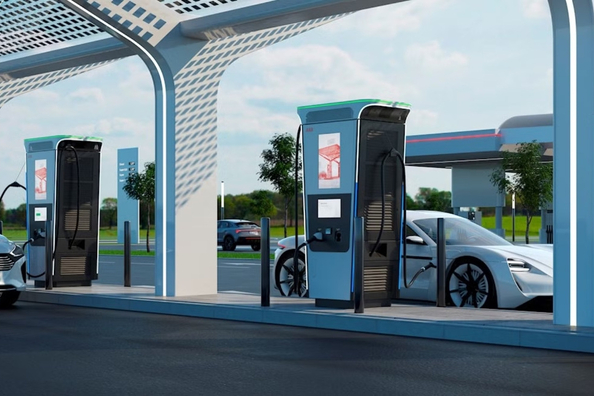
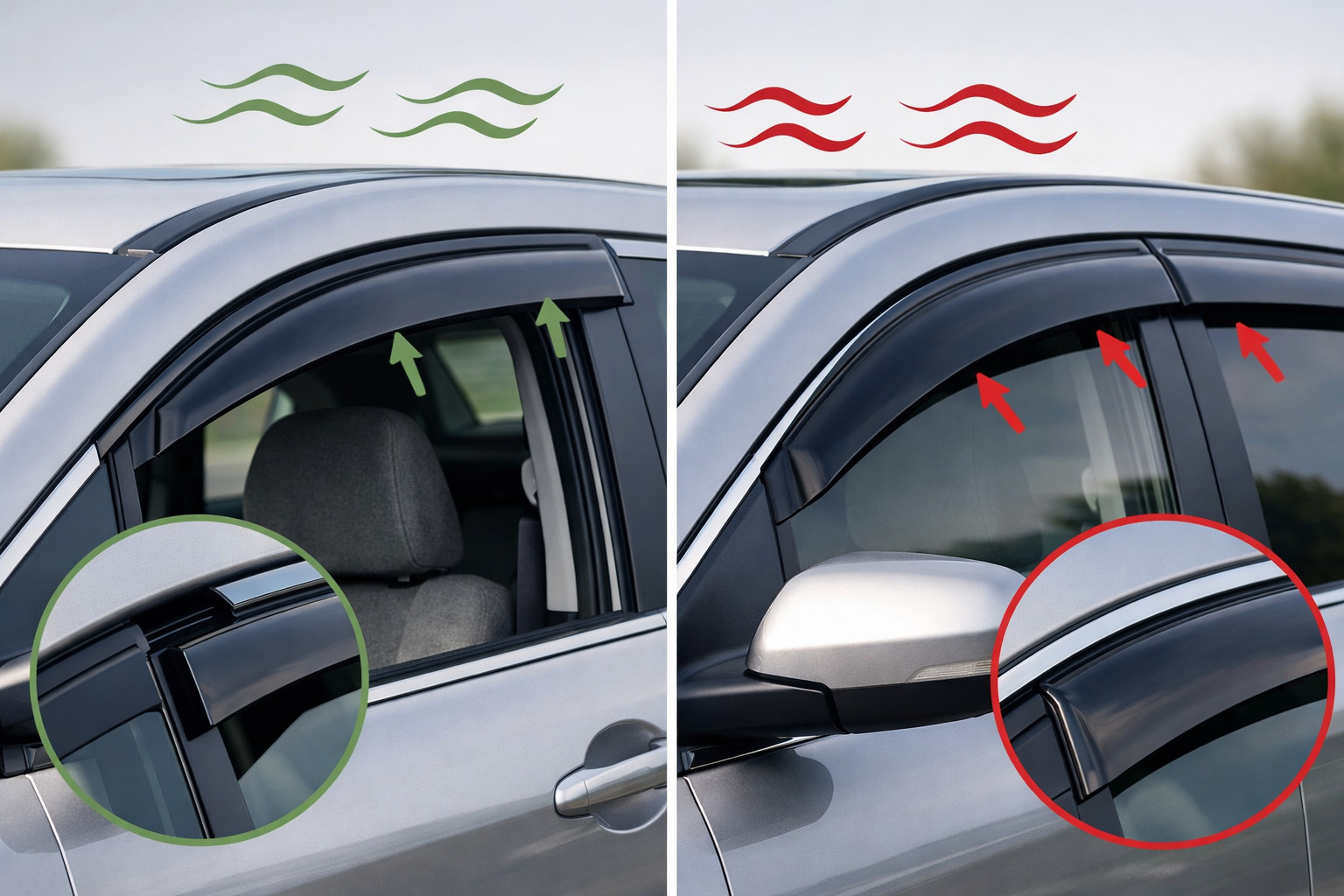
Electric cars are steadily pushing out classic ICE vehicles, and the network of charging stations at fuel stations is expanding rapidly. Still, for newcomers, “refueling” with electricity can seem a bit more complicated than a regular stop at the pump. Let’s break down how to do it quickly and safely. By the way, many EV owners also use various tuning accessories that make the car more comfortable and practical for everyday use.
Key steps for a successful charge
Charging at modern hubs is usually standardized, but it has its nuances:
- Choose the station and connector. Make sure the station supports your port type (the most common in Ukraine are Type 2 for AC and CCS Combo 2 or CHAdeMO for fast DC charging).
- Authorization. Most charging networks operate via mobile apps. You need to scan the QR code on the terminal, select the required port, and press “Start.”
- Connect the cable. First, insert the connector into the car’s inlet until you hear the characteristic click. Only then activate the session in the app or using an RFID card (or Plug & Charge).
- Monitor the process. Modern apps let you track the state of charge (SOC) and the power transfer rate in real time прямо from your smartphone.
Types of charging stations at fuel stations
Depending on power, you’ll encounter two main types:
- AC (Alternating current): Up to 22 kW. Suitable for a longer stop (from 2 hours).
- DC (Direct current): Fast chargers rated at 50–150 kW. They can charge the battery to 80% in 30–40 minutes.
Helpful tips for EV owners
To avoid battery wear and save time:
- Don’t wait for a full discharge — it’s best to keep the level between 20% and 80%.
- In winter, it’s worth preheating the battery before fast charging.
- Install the apps of popular networks in advance.
Charging at a gas station has already become routine — the key is knowing your connector and having the right app.