17.02.2026
324
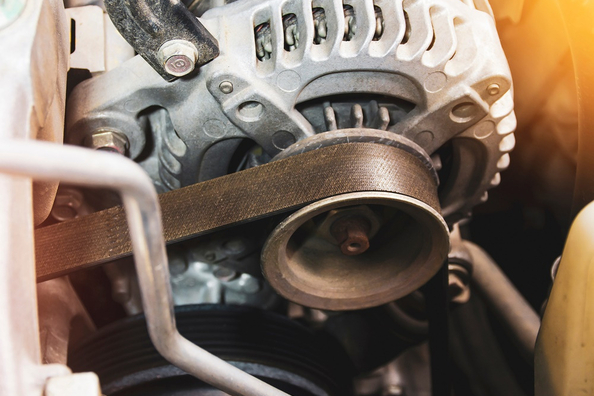

Most drivers know the battery starts the engine, but after that the alternator becomes the main source of electrical power. Without it, the battery will discharge quickly, and the headlights, stereo, power windows, and electronics will simply shut off. Modern alternators have become more compact and efficient, but their operating principle remains classic. And if you want to improve your car’s functionality and appearance, quality tuning accessories will help make it even more comfortable and individual.
The device is based on the phenomenon of electromagnetic induction. The process can be divided into several stages:
For stable operation, the system consists of the following parts:
Without an alternator, the battery will gradually discharge and the car will stop once the charge is depleted. The main signs of a fault are dim headlights, unusual noises from under the hood, or the “battery” warning light on the instrument panel. Regularly checking belt tension and brush condition will extend the life of your iron horse.
Shipping to EU
Wholesale and retail
Own warehouse
Опис продукту
Подарунки не надаються при оформленні покупки у кредит під 0,01% або при покупці частинами.