08.04.2026
387
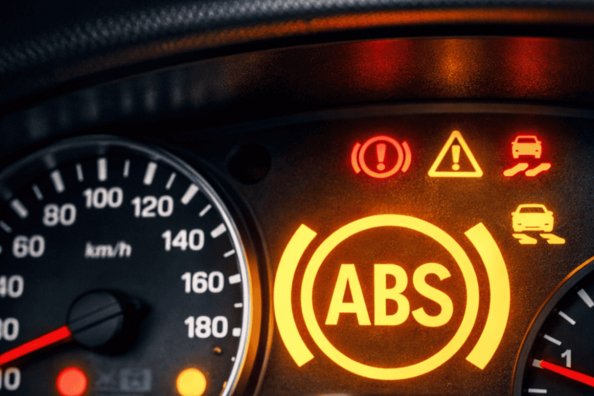
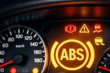
Every driver has seen a yellow or orange ABS icon light up on the dashboard when starting the engine at least once. Normally it goes out after a few seconds, but if the indicator stays on while driving, that’s a serious reason to run diagnostics. And to make a car more comfortable and personalized, many drivers also look at tuning accessories, which are now available in a wide range in our online store.
The ABS system consists of an electronic control unit, a hydraulic unit, and wheel sensors. A failure of any of these components leads to a fault:
It’s important to understand: if the ABS indicator is on, the standard braking system still works, but during hard braking the wheels may lock up because the anti-lock function isn’t active.
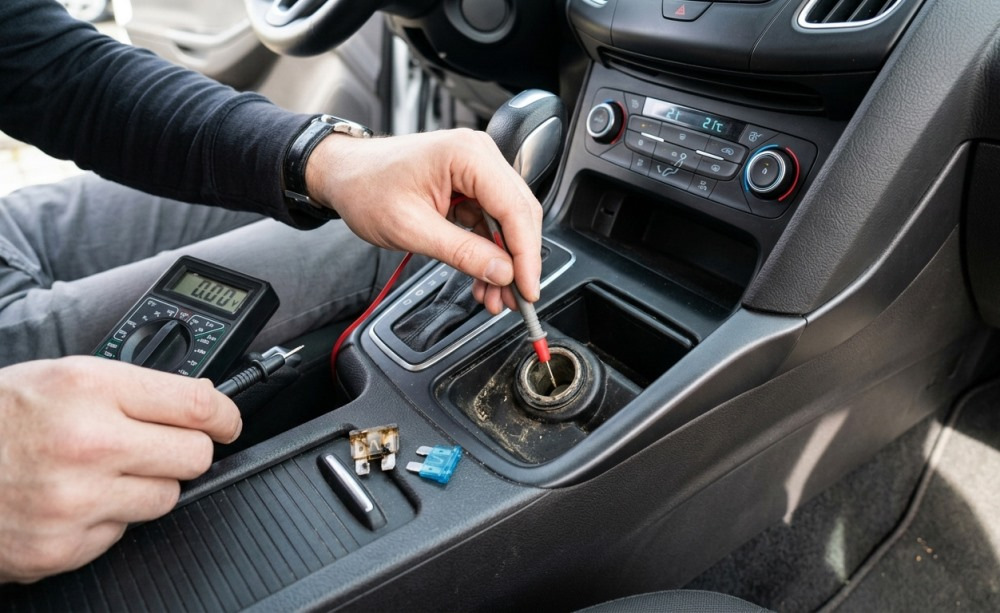
To identify the cause, you can take a few simple steps:
Responding promptly to a warning on the dashboard helps avoid dangerous situations on the road and keeps the vehicle in proper working condition.
Shipping to EU
Wholesale and retail
Own warehouse
Опис продукту
Подарунки не надаються при оформленні покупки у кредит під 0,01% або при покупці частинами.