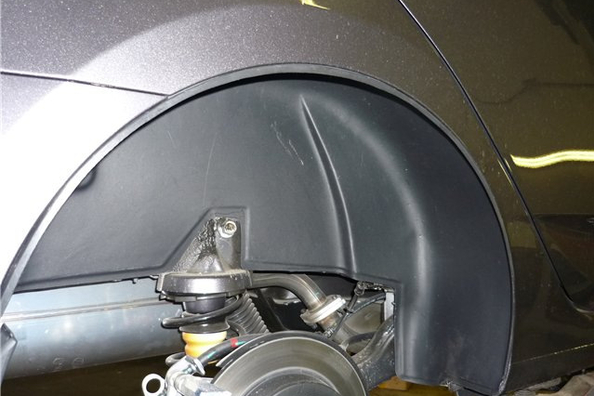
Wheel covers protect the wheel arches of your car from dirt, water and corrosion, extending the life of your body. The choice of material affects their durability and effectiveness. This article will help you figure out which wheel covers are best for your car. In addition, you can increase the functionality of your car and add practicality to it by using tuning accessories, a large selection of which is available in our online store.
Main materials of fender flares
Fenders are made from different materials, each of which has its own characteristics:
- Plastic (ABS) : Strong, lightweight, corrosion resistant, but can crack under strong impacts.
- Polyethylene (HDPE) : Flexible, withstands low temperatures, but less tear-resistant.
- Polyurethane : Elastic, resistant to shocks and temperature changes.
Pros and cons of materials
- Plastic :
- Pros: Durability, moisture resistance, affordable price.
- Cons: Fragility in severe frosts.
- Polyethylene :
- Advantages: Flexibility, resistance to chemicals and low temperatures.
- Cons: Less resistance to mechanical damage.
- Polyurethane :
- Advantages: High elasticity, resistance to impact and wear.
- Cons: Higher cost compared to plastic.
How to choose fender flares?
- Climate : In humid or cold regions, polyurethane or polyethylene is a better choice.
- Driving Type : For off-roading, choose polyurethane fender flares for their durability.
- Budget : Plastic fender flares are good for economy, polyurethane for long-term protection.
- Compatibility : Make sure the fender flares fit your car model.
Installation and care tips
- Check the mountings to avoid vibrations.
- Clean the mudguards regularly.
- Apply anti-corrosion coating to the arches.
Polyurethane fender flares are the optimal choice for maximum durability and protection.