 Author: Radomskyi Maksym Vasyliovych
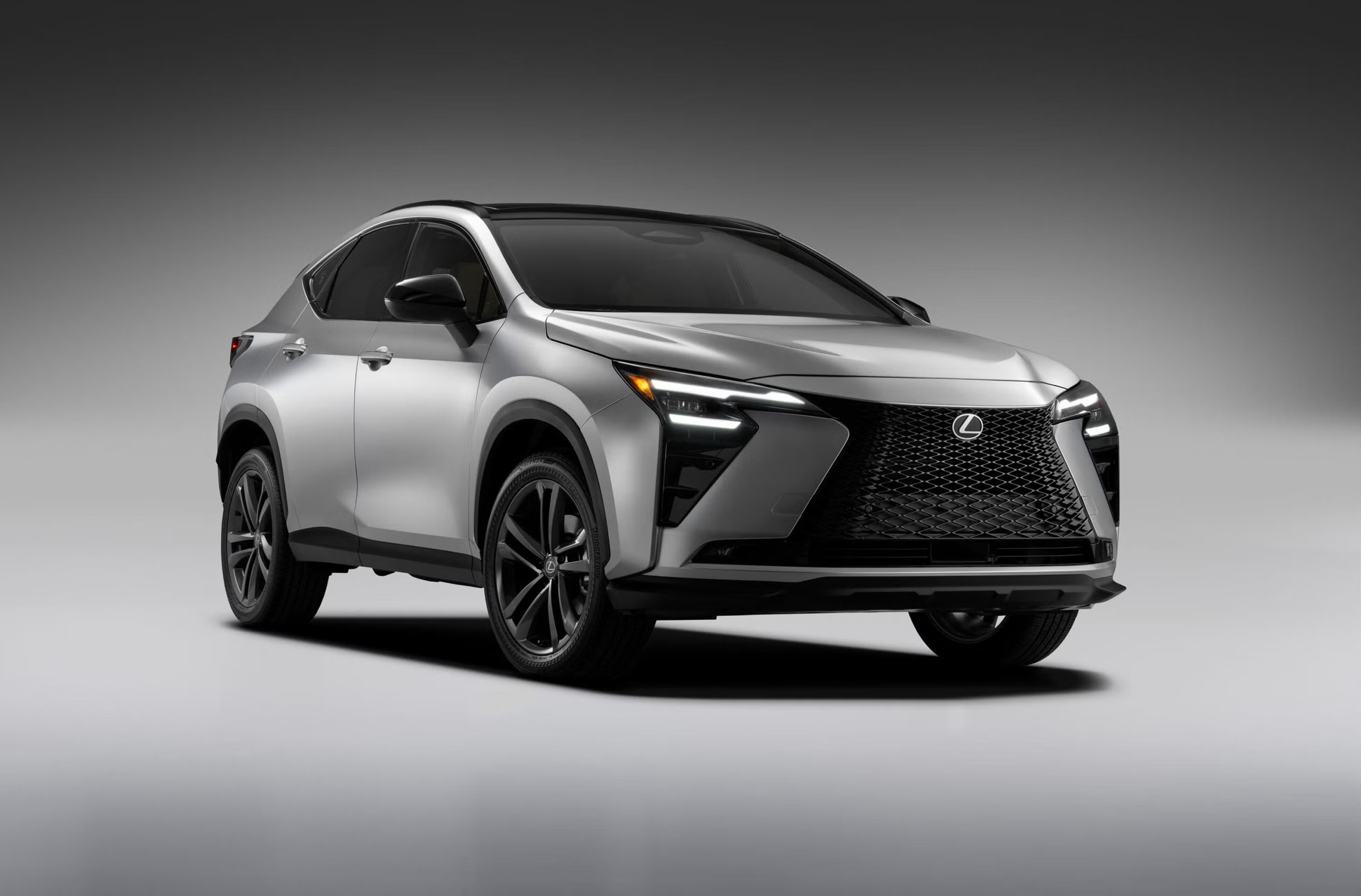
Lexus NX 2027 is not a new generation, but a deep facelift of the second NX that targets owners’ key requests: a quieter body, a fresher cabin, a large 14-inch screen, and a stronger plug-in hybrid 450h+ with a claimed electric range of over 100 km in the European cycle. For the US, the model moves to an all-electrified lineup altogether.
The core idea of the NX hasn’t changed: it’s a compact premium crossover for the city, highway runs, and family trips, where comfort, efficiency, and predictable day-to-day use matter. But if you need the roomiest second row or a more engaging chassis, this model has its limits, and the facelift doesn’t remove them entirely.
The model and its place in the market
The Lexus NX plays in the premium compact crossover segment, where buyers typically choose between dynamics, brand prestige, equipment, and everyday running costs. In this group, the NX has traditionally won not with sportiness, but with a calm ride, hybrid efficiency, and the brand’s reliability reputation.
The 2027 update shifts the model even more clearly toward electrified daily use. It’s a good option for those who drive a lot but don’t want a larger crossover like the RX, and at the same time aren’t willing to put up with high consumption or an overly stiff chassis in the name of fun.
Generations and model history
The first-generation Lexus NX launched in 2014 and lasted through 2021. The second generation started in 2021, and the 2027 version is its mid-cycle update. In other words, this isn’t an all-new car, but a serious refinement of a familiar platform.
For buyers, this is an important detail. The 2027 facelift doesn’t break the model’s concept; it strengthens what people buy an NX for: electrified powertrains, a quieter cabin, modern driver aids, and comfortable seating. At the same time, the NX’s signature compromise remains: more comfort and technology, less sporty character and less rear-seat space than some competitors.
Engines and transmissions
For 2027, Lexus is betting only on electrified versions: the regular hybrid 350h and the plug-in hybrid 450h+. For Europe, details are disclosed primarily for the updated 450h+, while final figures for some 2027 versions may still vary depending on market and certification.
| Version | Layout | Drivetrain | Power | What matters in real life |
|---|---|---|---|---|
| NX 350h | 2.5-liter gasoline engine as part of a hybrid system | Front or all-wheel drive | 200 hp in European specification; in the US, the current NX 350h is rated at 240 hp combined | The simplest option for those who don’t plan to charge the car |
| Current NX 450h+ | 2.5-liter plug-in hybrid | All-wheel drive | 292 hp | Up to 97 km of electric range in the European cycle |
| NX 450h+ 2027 facelift | 2.5-liter plug-in hybrid with a new 23 kWh battery | All-wheel drive | 307 hp | Over 100 km on electric power, faster charging, claimed towing capacity up to 1500 kg |
In terms of feel, both powertrains don’t behave like a classic gasoline engine with a conventional automatic; they drive like a typical hybrid setup with very smooth, almost step-less torque delivery. For relaxed driving that’s a plus; for those who like crisp shifts and sporty response, maybe not. If you have nowhere to charge regularly, the 350h looks more logical; if you have home or workplace charging and your daily routes fit within the electric range, the 450h+ makes a noticeable difference in running costs.
Body, dimensions, and chassis
In size, the NX stays in the middle of the class: compact enough for the city, yet without feeling like a cramped crossover. Ground clearance and weight depend on the version, so you need to check the specific trim—especially if you’re interested in all-wheel drive, larger wheels, or the Overtrail package.
| Parameter | Value |
|---|---|
| Length | 4660 mm |
| Width | 1865 mm |
| Height | 1660 mm |
| Wheelbase | 2690 mm |
| Ground clearance | Depending on version, approximately 185–195 mm; Overtrail — 200 mm |
| Trunk | 549 l with the seats up; 1436 l with the second row folded |
| Additional compartment in the 450h+ | 21 l under the floor for the charging cable |
| Tires | 235/60 R18 or 235/50 R20 depending on version |
For 2027, Lexus claims a stiffer body structure, improved sound insulation, and reduced noise and vibrations. This fits the model’s overall character well: the NX isn’t about sharp maneuvers, but about a smooth, composed ride. At the same time, versions on stiffer tires can noticeably affect ride comfort and acoustic refinement, so wheels matter here just as much as the trim level.
Interior, comfort, and safety
The facelifted interior has become cleaner in composition: more horizontal lines, less visual clutter, a standard 14-inch display, and updated interaction logic for the infotainment system. In higher trims, the Sensory Concierge system is added, managing the cabin atmosphere through preset modes.
The front row in the NX is traditionally strong: comfortable seating, quality materials, and a good baseline level of acoustic comfort. The second row isn’t a disaster, but this is where the model loses to some rivals: tall passengers on long trips may find it tighter than you’d expect from a premium crossover in this class.
On safety, the update is noticeable: Lexus Safety System+ 4.0 includes automatic braking, lane change assistance, rear pedestrian detection, and front cross-traffic alert. A practical nuance is different: the current generation has already seen questions around infotainment, software, and certain electronic modules, so for early cars of a new model year it’s important not to ignore service updates.
Everyday use
In everyday life, the NX is strong where a car is used daily: school runs, commuting, the supermarket, short highway trips, weekend getaways. A 549 l trunk is a proper family format, and the body’s convenient geometry makes the car comfortable in parking and city traffic.
The biggest difference between versions isn’t the official power figure, but the ownership scenario. The NX 350h doesn’t require changing habits: fuel up and go. The NX 450h+ starts to justify its more complex tech when it’s actually charged: short trips are done on electric power, and the gasoline engine becomes your highway backup. If there’s no charging, part of the PHEV’s point simply disappears.
For active use, towing matters too: the updated 450h+ is claimed to tow up to 1500 kg, making it more practical for a trailer, bike racks, or lighter gear. But the NX still shouldn’t be seen as a serious off-roader: even with increased clearance, it’s first and foremost a road-focused crossover.
Strengths and weaknesses
| Strengths | Weaknesses |
|---|---|
| Comfortable, quiet ride | The second row isn’t class-leading for space |
| Strong efficiency in hybrid versions | On certain wheels and tires, the ride may feel firmer |
| After the facelift, the 450h+ delivers over 100 km of electric range in the European cycle | Not the crossover you buy for an engaging handling feel |
| Practical trunk and a solid basic set of driver aids | Electronics and infotainment require attention to updates |
| Brand reputation and predictable day-to-day ownership | A PHEV makes the most sense only with regular charging |
Overall, the NX suits those who want a premium crossover without a nervous character, with good efficiency and a clear everyday logic. It’s less suitable for a buyer who needs maximum second-row space, sharp chassis responses, or complete indifference to any electronic quirks.
Tuning and accessories
For the Lexus NX, the smartest tuning doesn’t start with aggressive styling, but with things that actually work in daily life. This is a model often chosen for commuting, family use, and mixed city/highway driving, so interior protection and expanded cargo capability are usually more useful than purely visual effect.
What to consider for this model
- Rubber floor mats — make sense if the car drives daily in rain, snow, and mud, and you want to keep the factory carpeting in good condition.
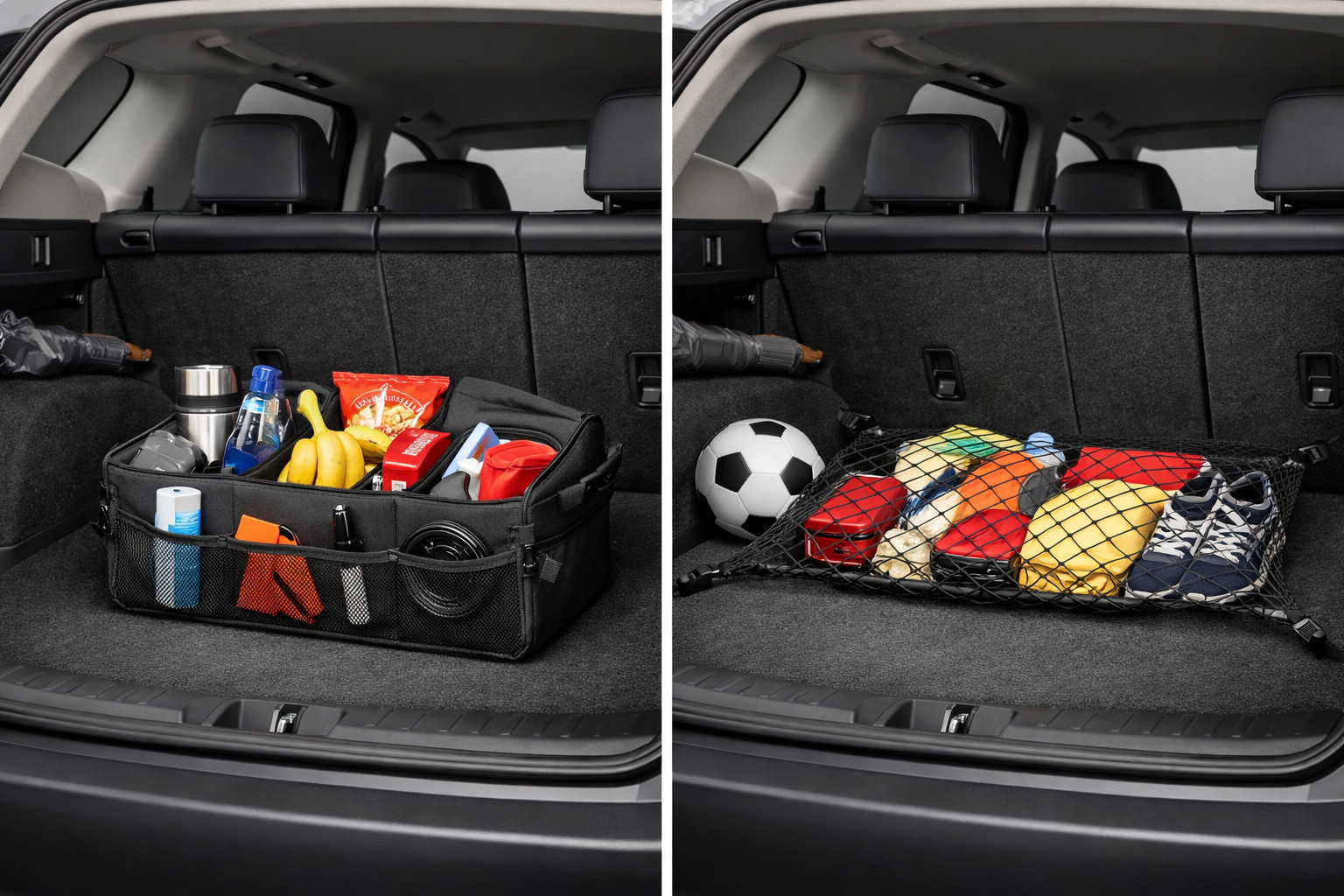
- Rubber trunk mat — useful for the charging cable, kids’ items, bags, wet gear, or a stroller.
- Roof racks and crossbars — a practical solution if you need to carry bikes, skis, or an extra roof box on longer trips.
In short, the NX responds well to functional accessories that make an owner’s life easier. Those are usually where it’s worth starting, rather than expensive decorative elements that barely affect everyday usefulness.
Conclusion
The Lexus NX 2027 doesn’t change the model’s philosophy—it makes it more mature: more benefit from electrification, a stronger safety suite, better acoustics, and a more modern interior. The updated NX 450h+ looks especially interesting, as in European specification it already crosses the 100 km electric-range mark and brings the PHEV closer to a truly daily EV-style routine.
The choice between the 350h and 450h+ should be made not by the brochure, but by your own route. The 350h is for those who just want to get in and drive without being tied to charging. The 450h+ is for those who actually charge the car and want to rely less on gasoline. This material is based on real selection experience, real-world practice, and real usage scenarios, so the takeaway is simple: the NX is strong as a calm, high-quality, efficient everyday crossover, but not as the roomiest or most emotional car in the class.
Pros and cons
The updated NX 450h+ received a 23 kWh battery and a claimed electric range of over 100 km on the European cycle. This makes it genuinely suitable for daily short trips without the gasoline engine constantly kicking in.
The facelift improved the cabin: there is now a 14-inch display, a cleaner dashboard, and updated multimedia logic. Higher trims also add Sensory Concierge, which makes it easier to set the cabin atmosphere.
NX retains its strengths in everyday use: a comfortable driving position, quiet ride, and predictable behavior in the city and on the highway. For daily commuting, it is a more convenient format than more rigid or sporty rivals.
The 549 L trunk and sensible body layout make the model practical for family use, shopping, and weekend trips. The additional compartment in the 450h+ for the charging cable also adds convenience in use.
The Lexus Safety System+ 4.0 safety package has become broader and includes automatic braking, lane-change assistance, and cross-traffic control. This is useful in real city traffic, not just in marketing claims.
The second row is not NX’s strong point: taller passengers may lack space on long trips. This is a noticeable downside for those who often carry adults in the back.
The NX is not aimed at spirited handling and does not deliver the sporty character some premium buyers expect. If you want sharp chassis response, this model may seem too calm.
On versions with larger wheels and stiffer tires, ride comfort may deteriorate. In other words, the level of smoothness here depends heavily on the chosen trim.
The NX 450h+ only makes sense if it is charged regularly; otherwise, some of its advantages are lost. For a driver without home or office charging, the simpler 350h seems more practical.
There were reported concerns with the multimedia system, software, and individual electronic components. This means early cars from the new model year need attention to service updates.