03.09.2026
121
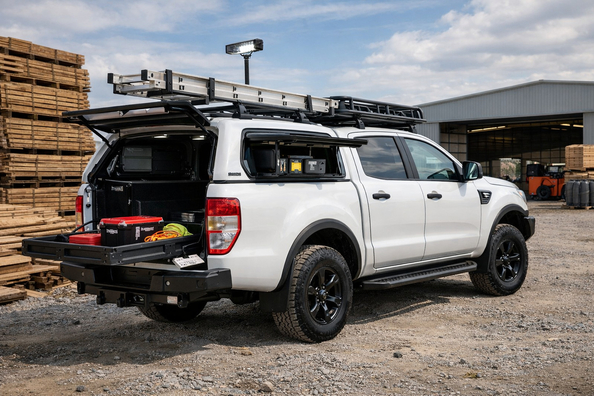
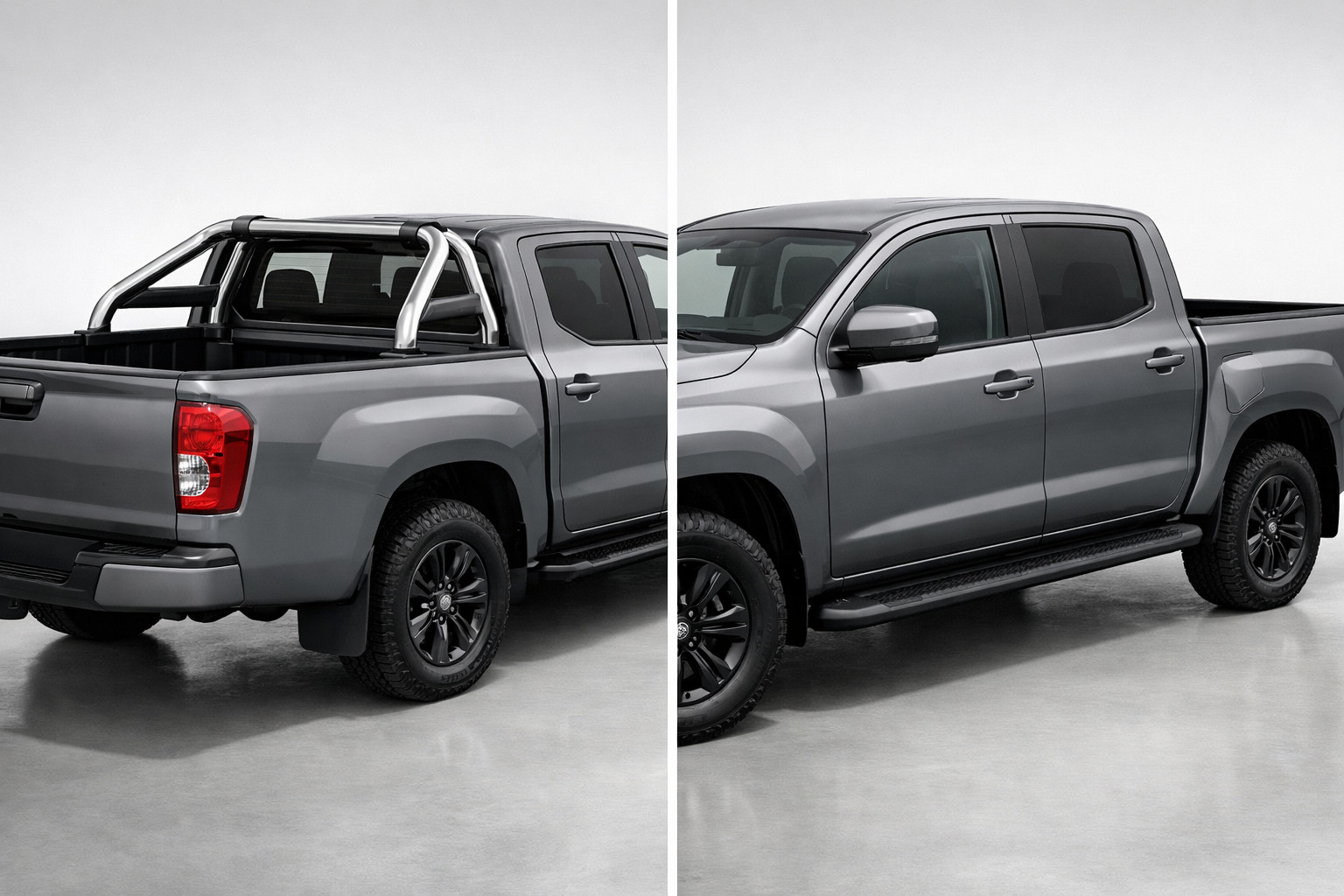
This upgrade plan is for a Ford Ranger 2011–2022 owner who doesn’t want a “pretty pickup,” but a closed working bed for tools, consumables, small cargo, and everyday access without constant clutter. The logic is simple: first protect the bed, then close it, then secure the tailgate and set up proper cargo tie-downs, and only after that think about space organization.
For the Ranger this is especially important because compatibility depends on the year, cab type, the presence of a sports bar, a load stop, and any bed liners already installed. What fits a 2012–01/2019 version doesn’t always fit the same way on 02/2019–11/2022, and some solutions conflict with each other even before installation.
In a “closed bed + work” scenario, the key is not styling but cargo control. The bed must be protected from abrasion, closed off from rain and prying eyes, with proper access to tools and without losing half the usable volume due to poor inserts or heavy systems.
If you carry expensive tools and the truck stays outside overnight, the priority shifts toward the most secure closed solution. If fast loading, frequent opening, and hauling long items matter more, the approach is different: a bit less sealing, but a better work pace.
Step one is protecting the bed floor and sides. If you need a durable working base, a spray-on bed liner performs best: it doesn’t steal space, slips less under load, and doesn’t interfere as much with factory tie-down points. A plastic drop-in liner only makes sense if it’s guaranteed compatible with the future tonneau cover or canopy.
Step two is how to close the bed. A hard canopy suits those who want an almost separate enclosed compartment and carry tools daily. A roller shutter is better where you need quick access and sometimes haul items higher than the bed rails, but on the Ranger some of these solutions have bed-liner compatibility limitations. A soft cover is a budget start, but not the level of protection typically needed for постоян work.
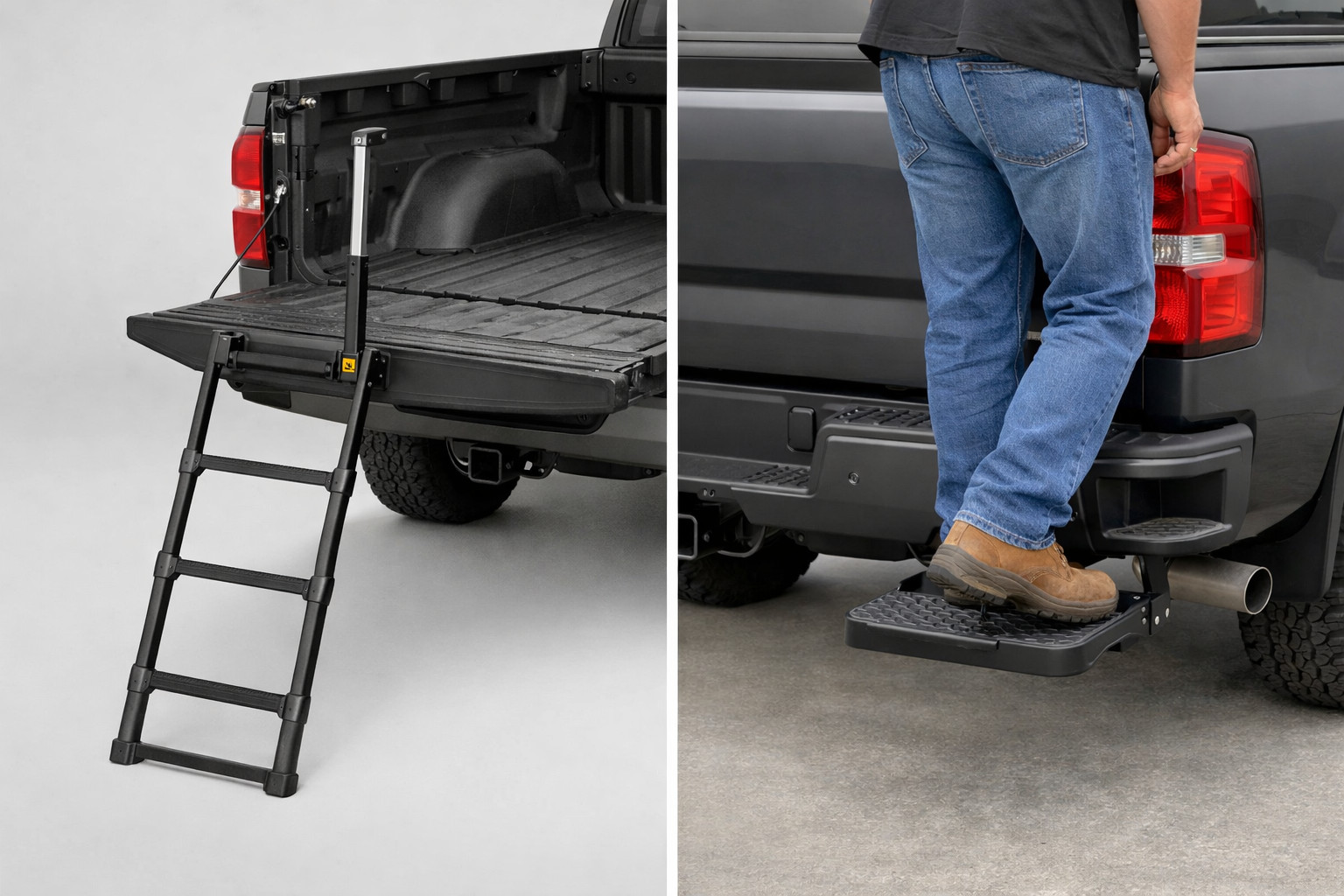
Step three is a tailgate lock and proper cargo securing. Without this, even a good canopy or roller shutter won’t deliver full value: small tools roll around, and the tailgate remains the weak point.
| Upgrade | Why it’s needed | Who really benefits |
|---|---|---|
| Bed protection: spray-on liner or compatible drop-in liner | Takes the hits, abrasion, moisture, and dirt | Those who carry tools, metal, fasteners, cases, building materials |
| Hard canopy | Provides the most enclosed and dry cargo compartment | Installers, service crews, anyone who leaves property in the bed |
| Roller shutter | Fast access to the bed without removing the whole add-on | Those who open the bed often during the day and don’t constantly haul tall cargo |
| Soft cover | An inexpensive way to close the bed and protect cargo from rain | Those who need a lightweight start without a big extra cost |
| Tailgate lock | Reduces the risk of access to cargo through the tailgate | Practically everyone in a work scenario |
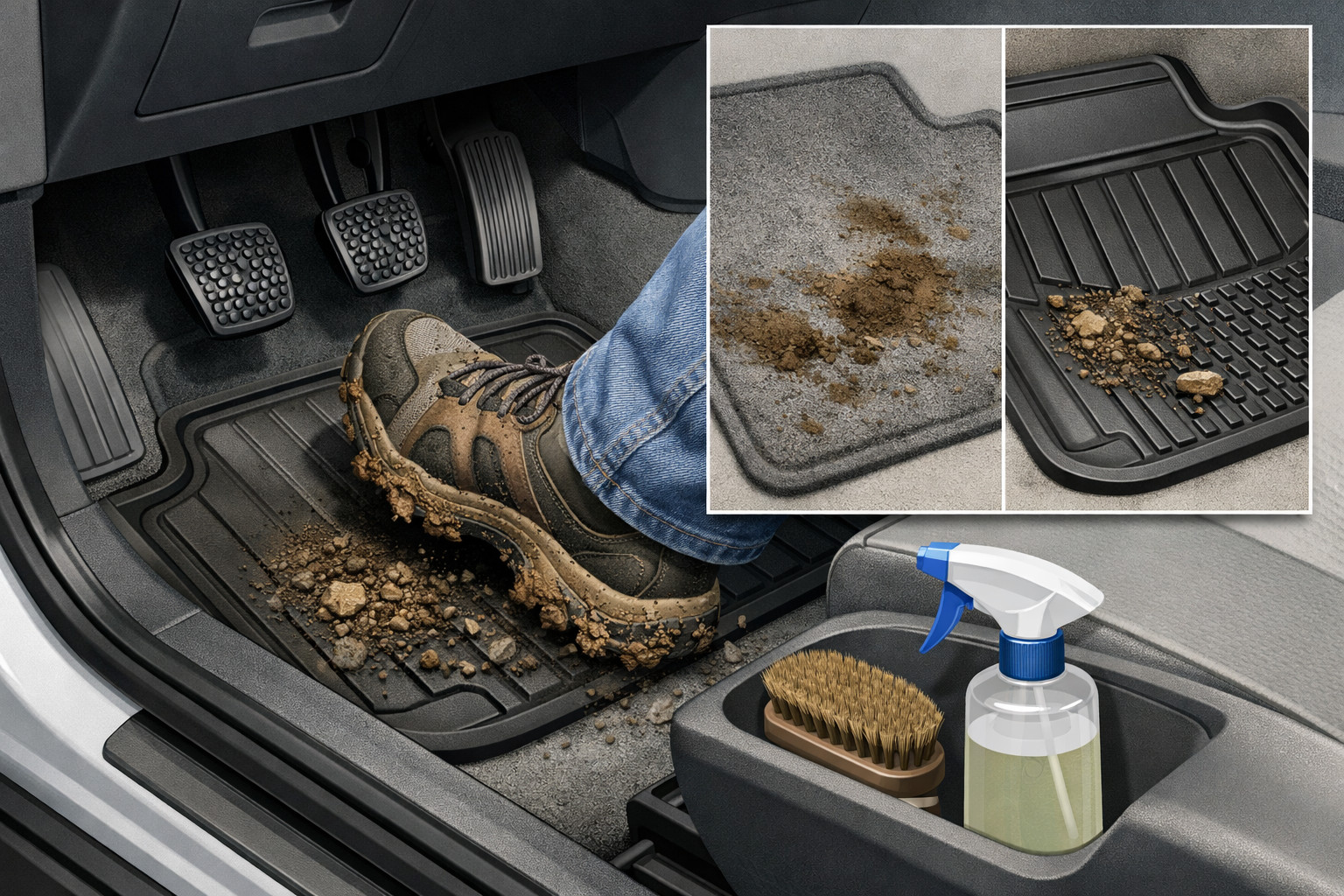
| Cargo tie-downs and a rubber mat | Reduce slipping and mess in the bed | Those who carry cases, jerry cans, small tools, and mixed loads |
| Drawer system | Creates order and fast access to small items | Only those with a stable tool set and enough payload margin |
DD Tuning expert comment: The most common Ranger mistake is buying what looks good first, then discovering that a sports bar, liner, or load stop interferes with the cover or canopy. The second typical mistake is not accounting for accessory weight: a heavy drawer system plus a canopy can change the whole balance of a working truck. Before ordering, you need to verify not only the year, but also the cab, bed configuration, and already installed parts.
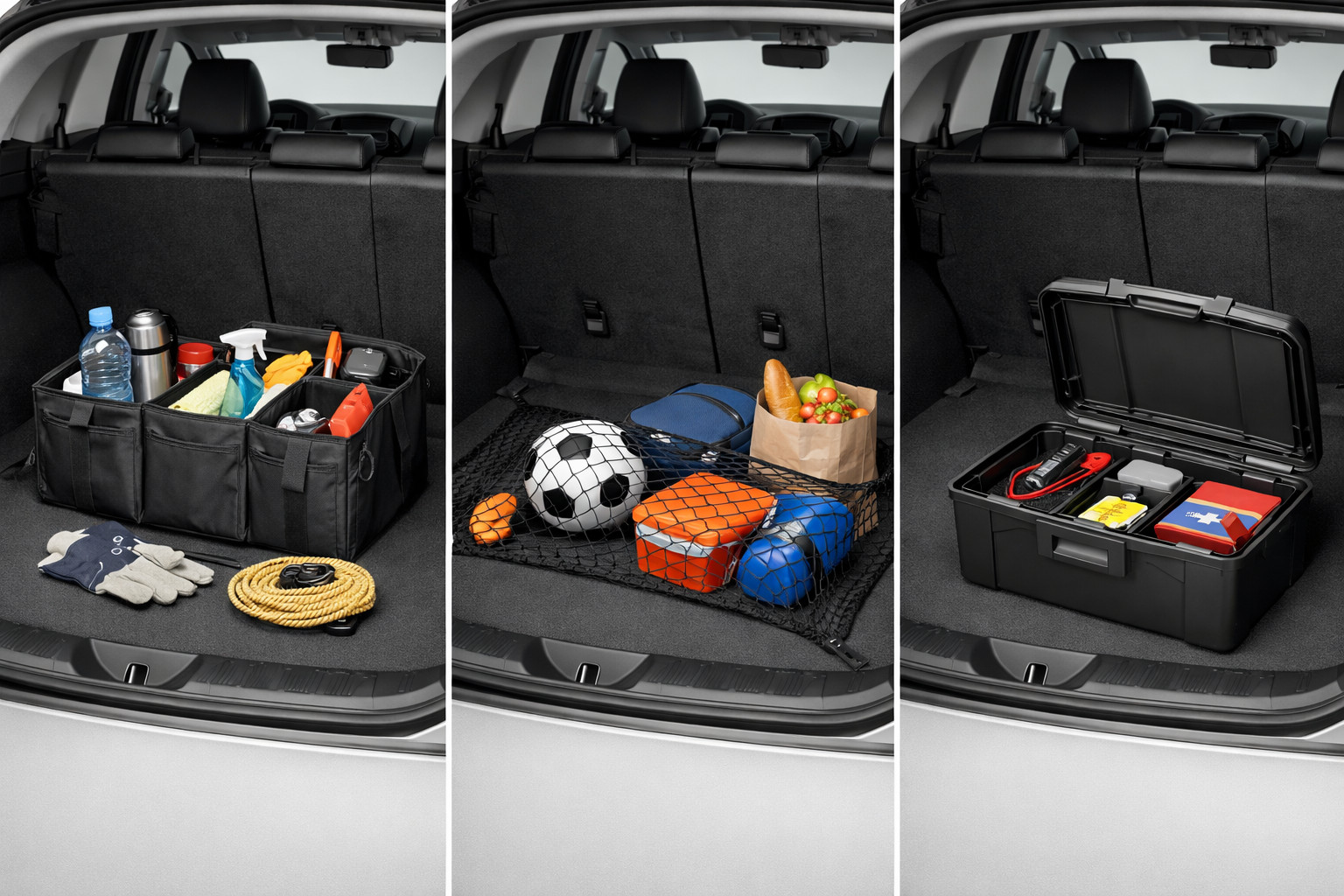
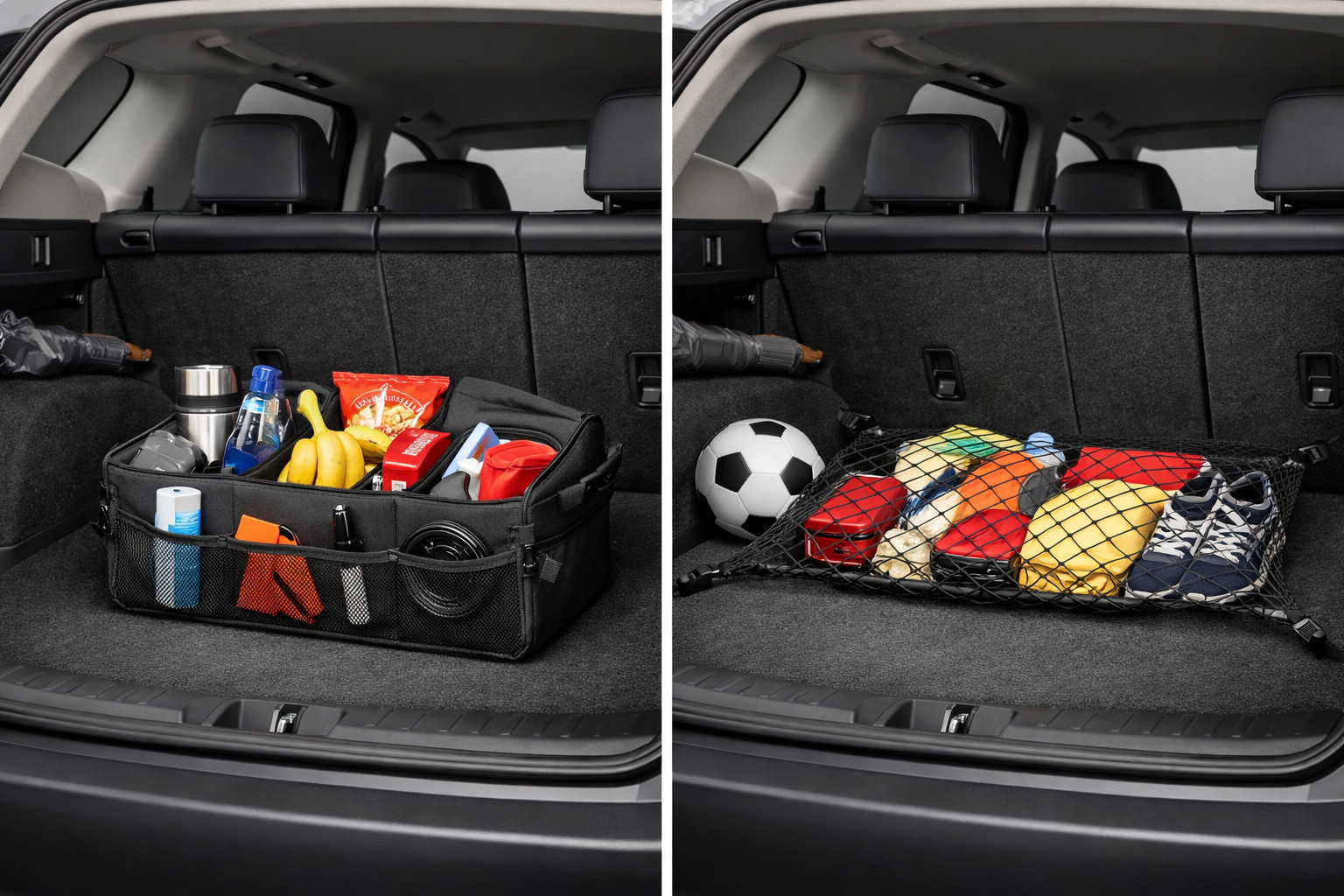
Once the bed is protected and closed, the second stage is to bring order inside. The most sensible set is simple lighting, a rubber mat, nets, or basic organizers for small tools. This gives a noticeable effect in daily work and barely affects payload.
A drawer system is not automatically a good idea. It’s truly convenient, but heavy, takes up bed height, and isn’t compatible with every liner. It’s worth installing only when you already know you carry the same tool set every day—not just because you want it to “look neat.”
Side steps, decorative bars, chrome trims, deflectors, and similar items don’t solve the core task in this scenario. They can be useful on their own, but they don’t replace bed protection, closing the cargo compartment, or tailgate security.
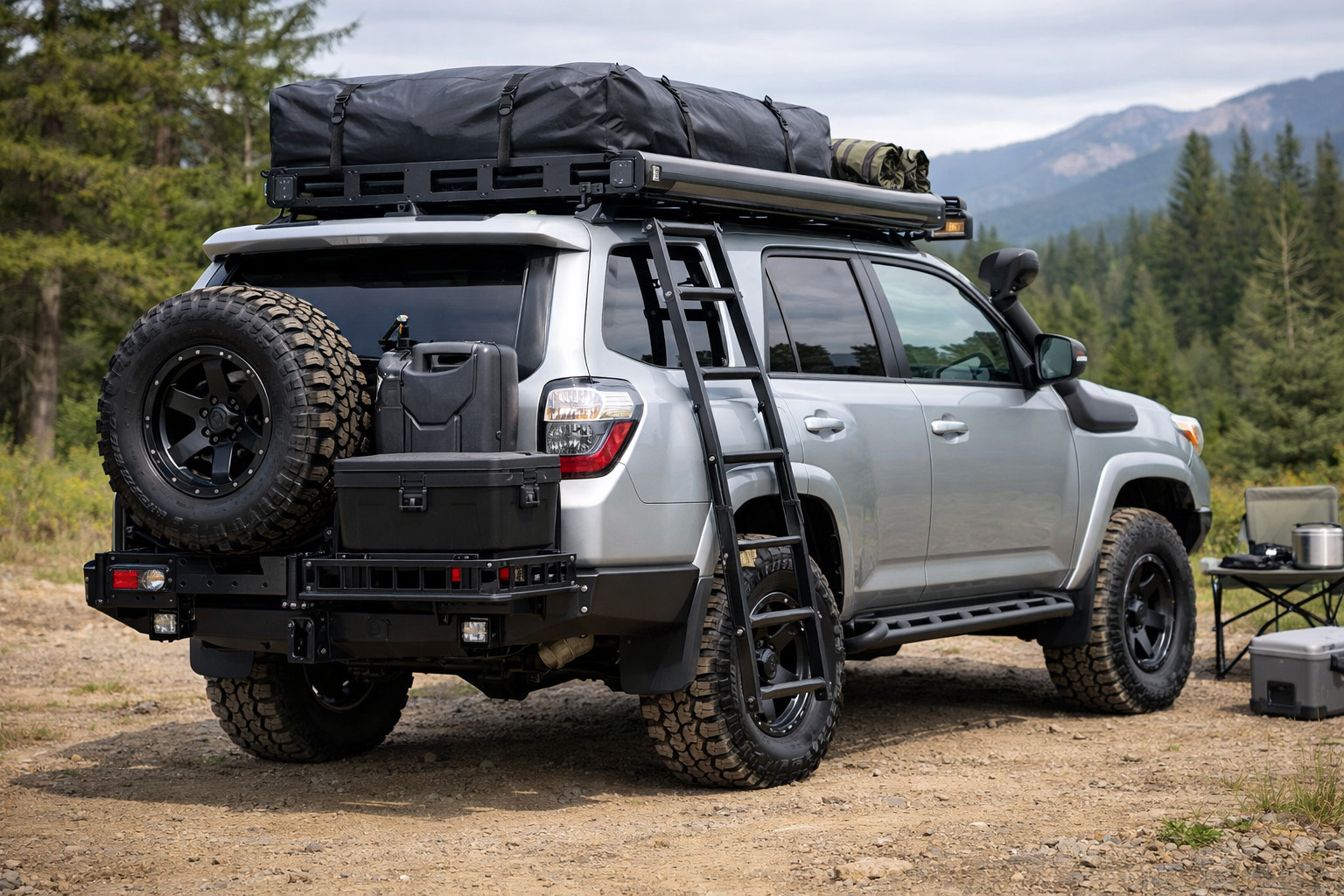
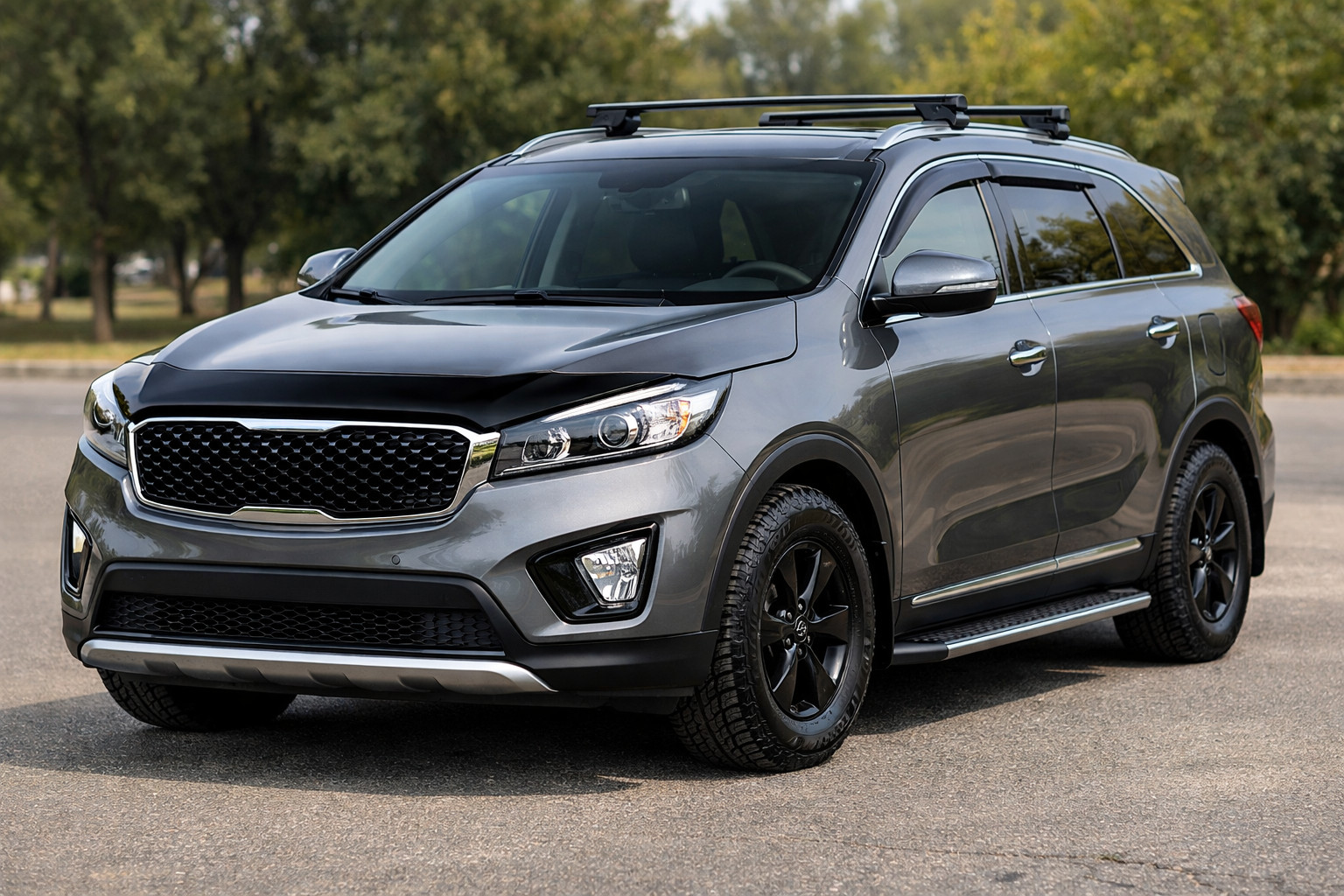
There is one exception: a roof rack or crossbars make sense if the Ranger regularly carries long items above a canopy or roller shutter. But that’s not a basic upgrade—it’s an add-on for a specific job, where you need to check allowable load and the mounting type separately.
Most often, people waste money on a factory package with a plastic drop-in liner, then find out it conflicts with the desired bed-closing setup. For a working Ranger this is especially frustrating because you pay twice: first for a poor base, then for rework to fit the needed cover or canopy.
The second mistake is buying a heavy drawer system before understanding the real work pattern. The third is installing a sports bar or decorative hoops that later have to be removed for a roller shutter or canopy. And another common story: overpaying for looks before solving bed-floor protection.
| Install first | Can be postponed | Not mandatory |
|---|---|---|
|
|
|
More expensive solutions make sense not when you want a “top build,” but when there’s a clear time loss or theft risk. If tools sit in the bed every day and can’t be brought inside every night, it’s worth looking at pickup covers and canopies: this is where the extra cost is often justified.
If the bed is used hard and cargo regularly hits the floor and sides, it makes sense not to save on the base and to plan Ranger bed protection right away for your closing setup. And when the truck carries ladders, pipes, or profiles, pricier roof racks for Ranger are justified only as a work tool, not as decoration.
From a customer’s experience: a Ranger owner with daily installation runs initially wanted to get a canopy, drawers, and side steps right away. After checking the configuration, they started with bed protection, compartment closure, and a tailgate lock, and postponed the drawers due to weight and lost height. As a result, they got a dry, enclosed working bed without unnecessary spending on things that didn’t help in his specific use case.
For Ford Ranger 2011–2022 in a “closed bed + work” scenario, what works best isn’t the most expensive accessory list, but the right order: bed protection, compartment closure, tailgate lock, cargo securing, and only then space organization and secondary upgrades. If you need maximum security and a dry volume, look toward a canopy; if quick access matters more, look toward a roller shutter—but with mandatory compatibility checks.
The material is based on real selection experience, practice, and real use cases: that’s why what matters here is not “what looks expensive,” but what truly works for your cab, year, and type of daily work.
| ✔ | Protecting the bed with a spray-on coating or a compatible liner absorbs impacts, abrasion, moisture, and dirt without taking away usable space. For a work pickup, that is more practical than installing heavy inserts without real need. |
| ✔ | A hard canopy provides the most enclosed and dry cargo area. It is convenient if tools are always kept in the bed and the vehicle is parked outside overnight. |
| ✔ | A tonneau cover lets you open the bed quickly during the day without removing the entire setup. It suits those who value work pace and sometimes need to carry cargo above the bed rails. |
| ✔ | A tailgate lock and cargo securing with a rubber mat really reduce access to items and keep small tools from sliding around. This immediately clears up part of the mess in the bed. |
| ✔ | Simple organizers, nets, and lighting make a noticeable difference in everyday use and have almost no effect on payload. This is a good second step after basic bed protection and enclosure. |
| ✘ | Compatibility of solutions on the Ranger depends heavily on the model year, cab type, and any parts already installed. What fits one version may not fit another or may conflict with a sport bar, bed extender, or overlays. |
| ✘ | A plastic bed liner is often a poor base if a cover or canopy is planned later. In that case, there is a risk of paying twice: first for a bad solution, then for rework. |
| ✘ | A drawer system is convenient, but heavy and reduces the bed height. It should not be installed without understanding the real duty cycle and available payload margin. |
| ✘ | Decorative bars, side steps, chrome trim, and other items focus on appearance, not on how the bed works. They do not address floor protection, cargo enclosure, or tailgate safety. |
Shipping to EU
Wholesale and retail
Own warehouse
Опис продукту
Подарунки не надаються при оформленні покупки у кредит під 0,01% або при покупці частинами.