15.09.2026
56
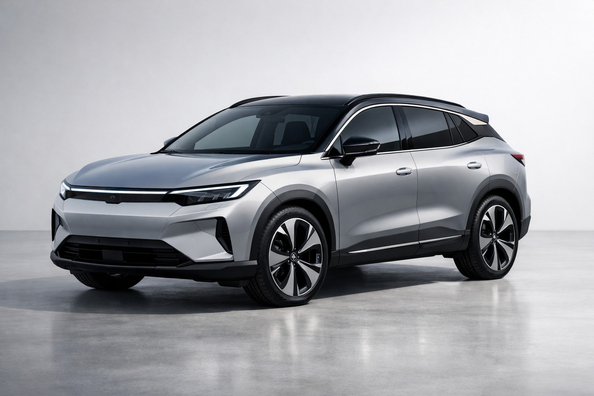
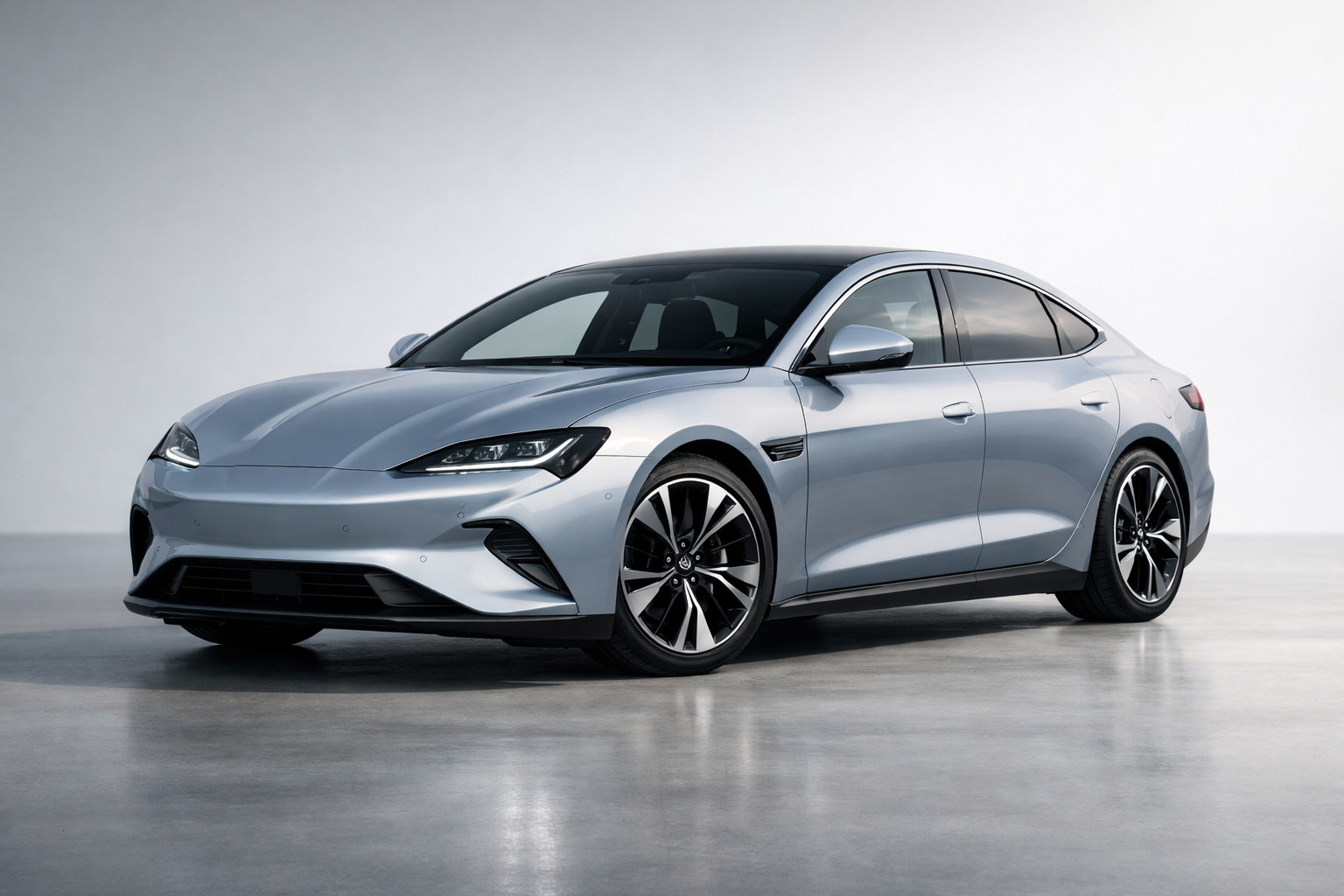
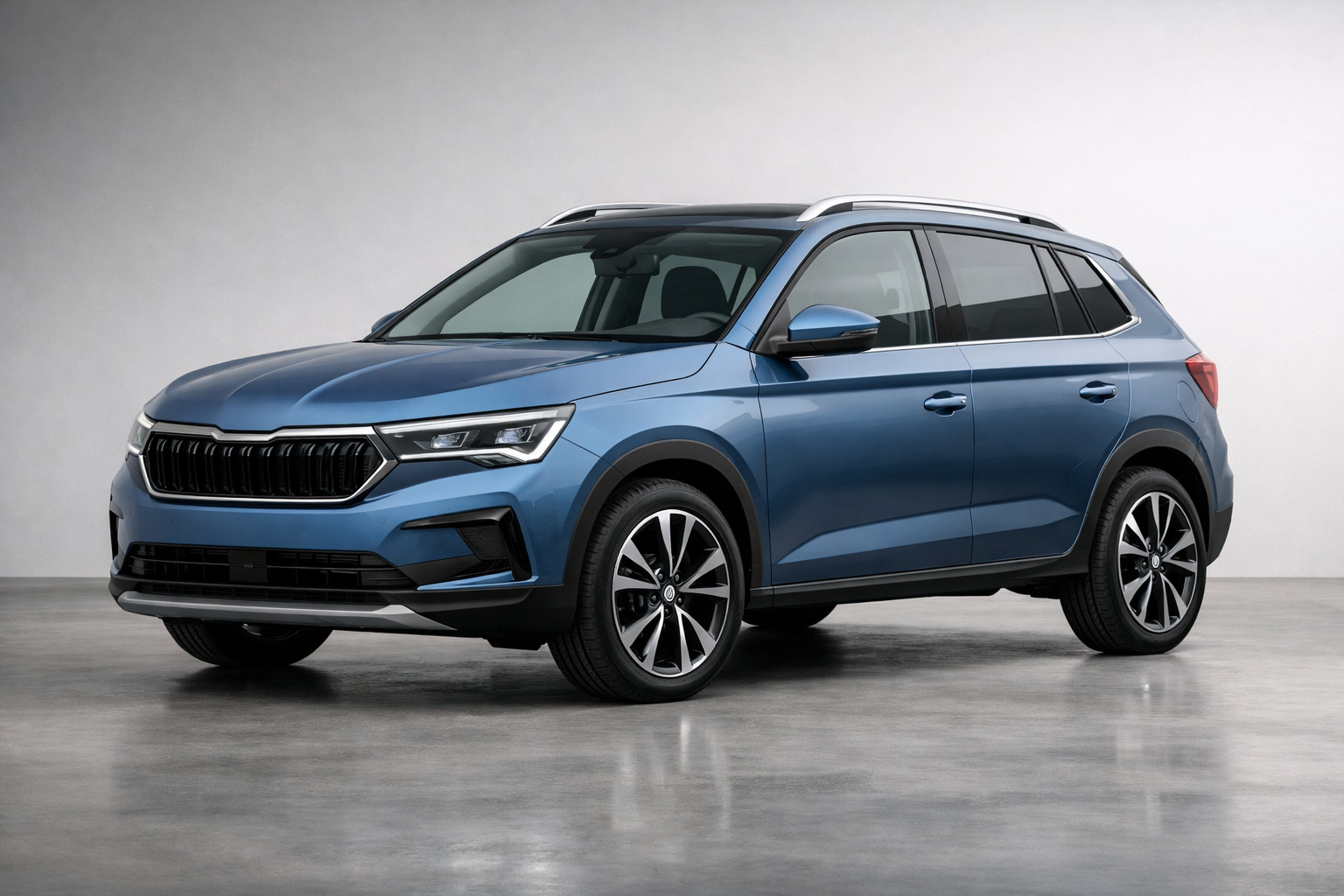
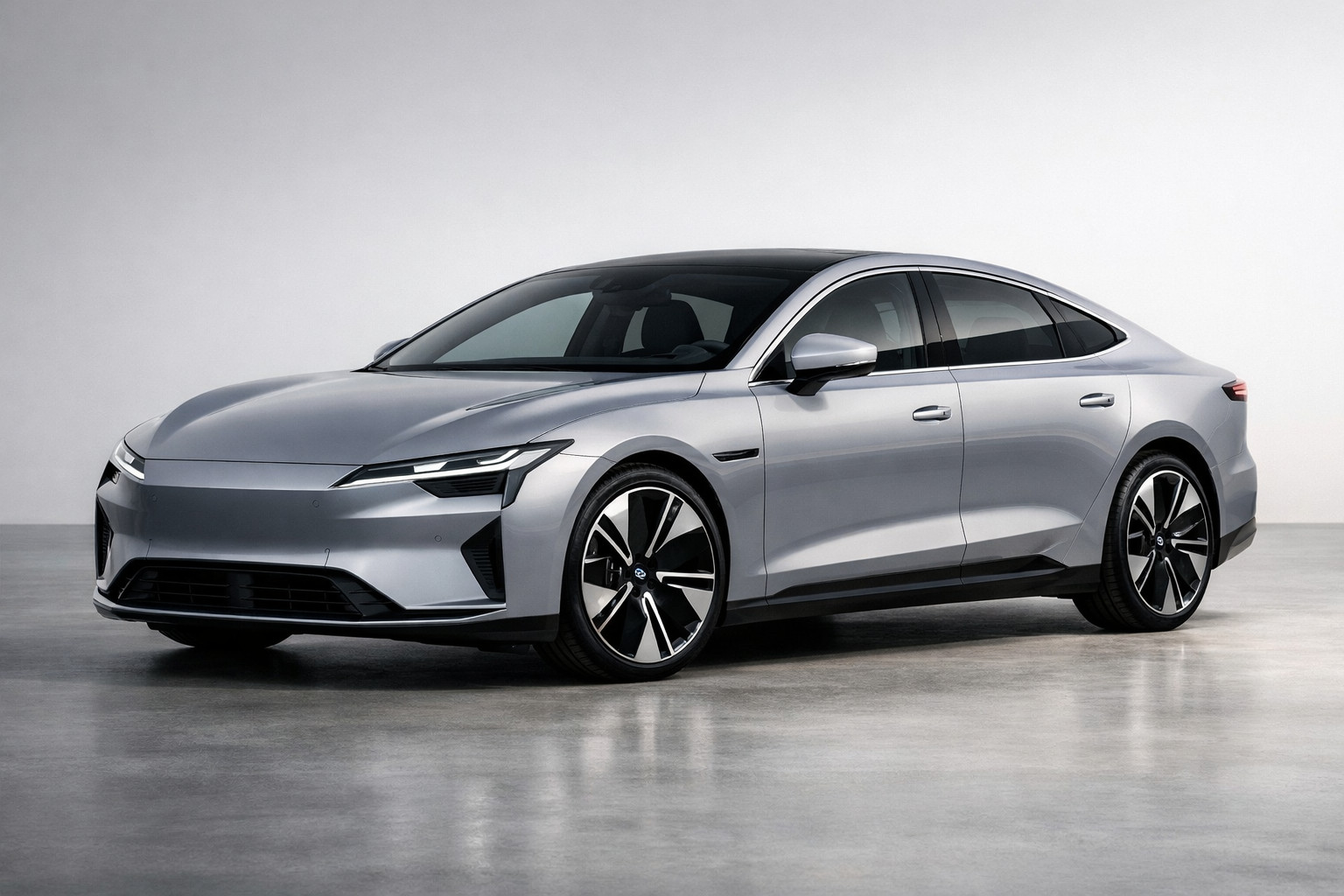
Geely EX5 2026 is a new 5-seat electric crossover from Geely, built not for a flashy showroom but for everyday family driving. It has a single front electric motor rated at 160 kW and 320 N·m, a 60.22 or 68.4 kWh battery depending on the market, an official WLTP range of up to 430–450 km, and fast charging from 30–80% in about 20 minutes.
In essence, the EX5 wins not with a driver-focused character, but with space, equipment, and comfort. At the same time, it’s a new global model, so the name, battery, top speed, warranty, and even some equipment differ by country. That’s why it’s important to look not only at the marketing numbers, but also at real-world usability.
The EX5 plays in the mass-market family electric crossover segment. Its logic is simple: offer plenty of cabin space, decent performance, fast charging, and a strong base list of options—without pretending to be sporty. For the city, suburbs, and family trips, that’s a well-aimed positioning.
Who it suits: those who want a spacious EV with a quiet cabin, a soft suspension, and a safe, easygoing nature. Who it doesn’t: drivers who like sharp steering, often drive broken roads fully loaded, or expect the maximum range in the class.
As of 2026, the EX5 has one, first generation. The model entered the market in 2025 and became Geely’s first global electric crossover in this format. In different markets, it can be found under the names Geely EX5, Geely E5, or Yinhe E5.
This is an important nuance for buyers: the car is the same in concept, but trims and some technical parameters vary from country to country. So when choosing a specific vehicle, you should check not only the model name, but also the local specification.
There are no gasoline or hybrid versions here, so the question of internal combustion engine displacement is irrelevant for the EX5. The model has a single electric motor, front-wheel drive, and a single-speed transmission, like most EVs in this class. Claimed acceleration is 0–100 km/h in 6.9–7.1 s depending on the version; top speed is around 175–180 km/h depending on the market.
For batteries, there are two main configurations: 60.22 kWh and 68.4 kWh. The official WLTP range is 430–450 km, but in real life the spread will be larger: in calm city driving the figures can be close to the claimed numbers, while on the highway in winter or at higher speeds they’ll be noticeably lower.
| Parameter | What’s known for the EX5 2026 |
|---|---|
| Powertrain type | Fully electric |
| Motor | Single electric motor, displacement not applicable |
| Power | 160 kW (218 hp) |
| Torque | 320 N·m |
| Drive | Front |
| Transmission | Single-speed reduction gear |
| Battery | 60.22 or 68.4 kWh depending on the market |
| Range | 430–450 km WLTP |
| 0–100 km/h | 6.9–7.1 s |
| Charging | 30–80% in about 20 min at a fast charger; AC charging depends on version and market |
The EX5 has a body length of 4615 mm, width of 1901 mm, and height of 1670 mm with a 2750 mm wheelbase. This provides a good amount of cabin space and makes the car family-friendly. The trunk is 461 L in normal form and up to 1877 L with the second row folded.
Ground clearance is 173 mm unladen and 145 mm laden. So for the city, curbs, and normal gravel roads it’s enough, but the EX5 isn’t pretending to be an off-roader. The chassis is tuned for comfort: at low and medium speeds the car rides softly, but in faster corners you feel body roll, and the steering doesn’t offer much feedback.
| Body and practicality data | Figure |
|---|---|
| Dimensions | 4615 × 1901 × 1670 mm |
| Wheelbase | 2750 mm |
| Ground clearance | 173 mm unladen, 145 mm laden |
| Trunk | 461 L / 1877 L |
| Curb weight | 1715–1765 kg depending on version |
| Wheels | 18 or 19 inches depending on trim |
| Turning circle | 10.8 m |
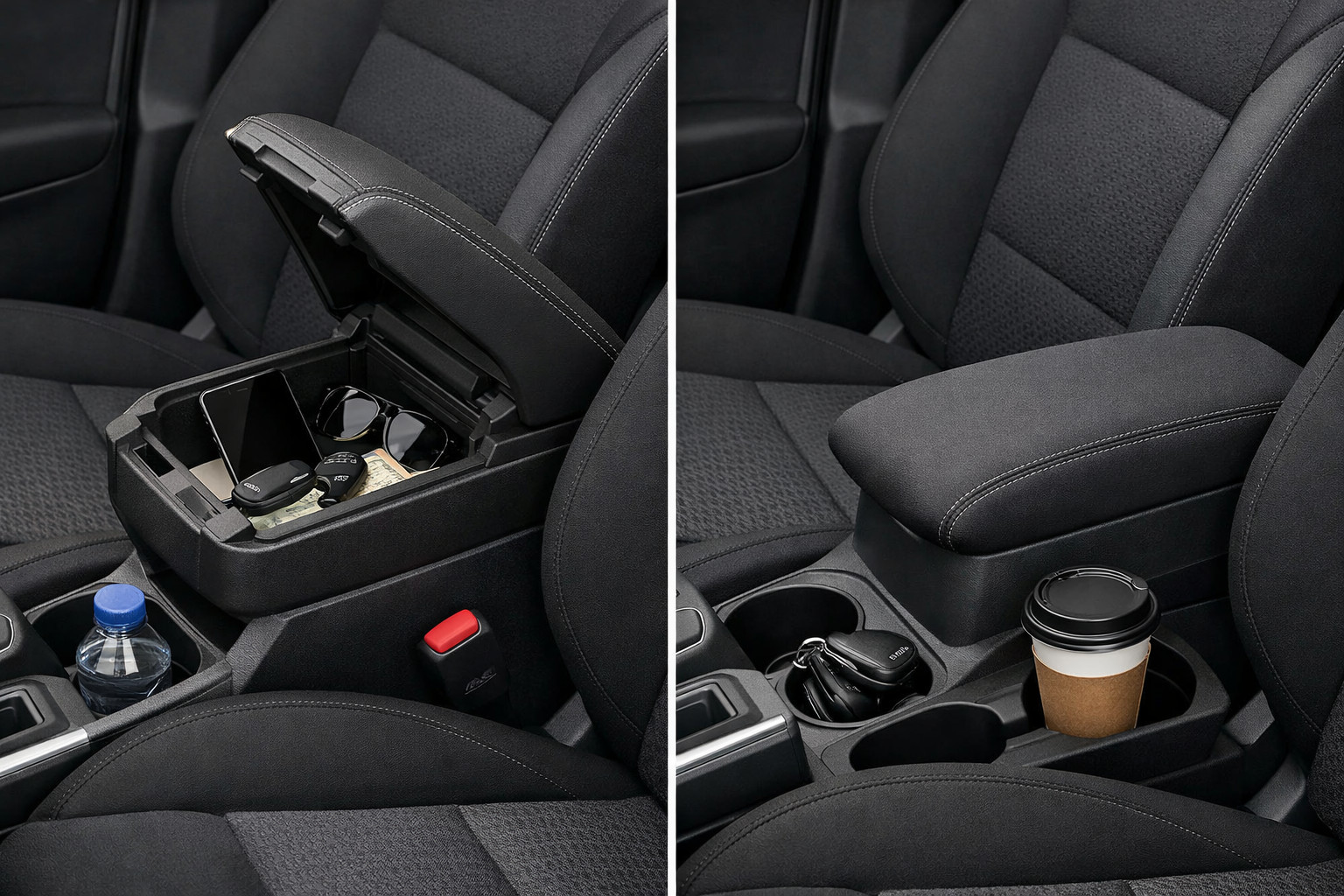
The interior is one of the EX5’s main arguments. There’s lots of space in the second row, plenty of small storage areas, and in some versions the front seats can fold nearly flat. The 15.4-inch central screen is large and functional, but there’s also a weak spot here: too many functions are tied to the touchscreen, and there aren’t many physical buttons.
On comfort, the car looks strong: a quiet cabin, a heat pump, solid standard equipment, and in higher trims—head-up display and a powerful audio system. For safety, formally everything is fine: 5 stars in European and Australian programs. But that doesn’t mean the report is without remarks: the crash-test details have nuances regarding certain load zones and body structure elements.
In the city, the EX5 has a strong set of qualities: a calm response to the pedal, a soft suspension, good visibility, quiet ride, and enough performance for traffic. For everyday routines, features like powering external devices can also be useful on trips or at leisure.
On longer trips, the key is to assess range correctly. The official 430–450 km WLTP is not the same as a guaranteed real-world highway figure. If your routes often involve higher speeds, it makes more sense to look at the version with the larger battery. Separately, it’s worth checking the local software for driver assists and the app: some users’ complaints are specifically about intrusive warnings and how connected services work.
The EX5 has a very clear profile: it’s a comfortable, well-equipped family electric crossover, but not a car for those who enjoy driving for emotions. Below is a brief breakdown of what that means for an owner.
| Plus | What it gives the owner | Minus | What it means in practice |
|---|---|---|---|
| Spacious cabin and large second row | Convenient for family use, child seats, and daily trips | The trunk is large, but not class-leading | Before buying, it’s worth comparing volume with direct competitors if you often carry lots of stuff |
| Strong standard equipment | Less need to pay extra for key options | Many functions are hidden in the screen | Not everyone will like controlling climate and secondary functions through menus |
| Comfort-oriented suspension and quiet cabin | Pleasant everyday driving in the city and suburbs | Handling without excitement | On a twisty road, the EX5 doesn’t feel light and precise |
| Fast charging and decent performance | The car doesn’t feel slow, and stops on the road aren’t too long | Range isn’t the best in the segment | For frequent highway mileage, you need to plan charging stops realistically |
| High safety rating | A strong argument for a family car | Driver assists can be intrusive | You’ll likely want to reconfigure some warnings right after purchase |
For the EX5, it’s not power tuning that makes sense, but practical items. This is a front-wheel-drive electric crossover with already sufficient factory output, so adding decorative plastic or chasing larger-than-stock wheels is a questionable idea: you can lose comfort and range. It’s far more logical to think about interior protection, a clean trunk, and travel scenarios.
If the car will be used daily, the first purchases are usually cabin mats and trunk protection. If vacations, sports gear, or kids’ equipment are planned, then it makes sense to look at roof solutions. That approach looks sensible for the EX5: function first, decor second.
The Geely EX5 2026 looks like a strong, rational choice for those who need a spacious, quiet, well-equipped electric crossover without any sporty ambitions. Its strengths are the interior, comfort, equipment, safety, and decent charging speed; its weaknesses are touchscreen dependence, not-very-lively handling, and a range that needs to be assessed without self-deception.
Before buying, you should обязательно verify the exact market version: battery, warranty, charging port, charging speed, and equipment list. The material is based on real-world selection practice, experience working with accessories, and real usage scenarios for a family electric crossover—not on marketing phrasing.
| ✔ | The range does not seem to be the class’s strongest point, and it drops noticeably on the highway, in winter, or at high speed. |
| ✔ | The handling is tuned without much excitement: body roll is noticeable in fast corners, and the steering offers little feedback. |
| ✔ | Many functions are tied to the touchscreen, so controlling the climate and secondary settings can be inconvenient while driving. |
| ✔ | Assistants and connected services in some market versions can be too intrusive, and they will likely need to be adjusted after purchase. |
| ✔ | A spacious cabin and a large second row make the EX5 convenient for family use, child seats, and everyday trips. |
| ✘ | The comfortable suspension and quiet cabin are well suited to city and suburban driving, where smoothness and calm matter. |
| ✘ | Fast charging from 30–80% in about 20 minutes reduces stops on the road and makes the car more practical for everyday use. |
| ✘ | Good standard equipment and a high safety rating add value without the need to buy many options right away. |
| ✘ | Decent performance for the class makes it easy to keep up with city traffic and not feel slow. |
Shipping to EU
Wholesale and retail
Own warehouse
Опис продукту
Подарунки не надаються при оформленні покупки у кредит під 0,01% або при покупці частинами.