 Author: Radomskyi Maksym Vasyliovych
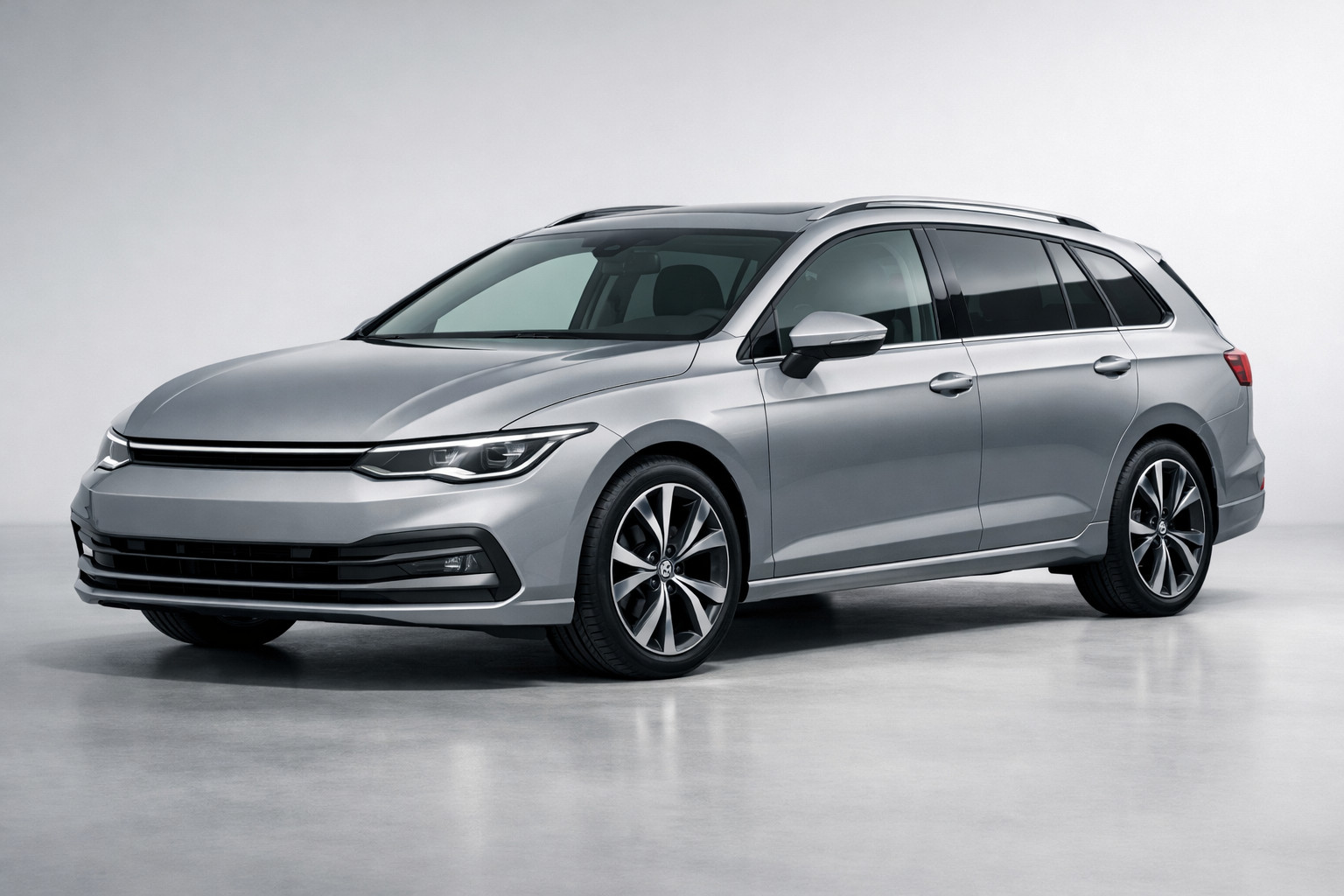
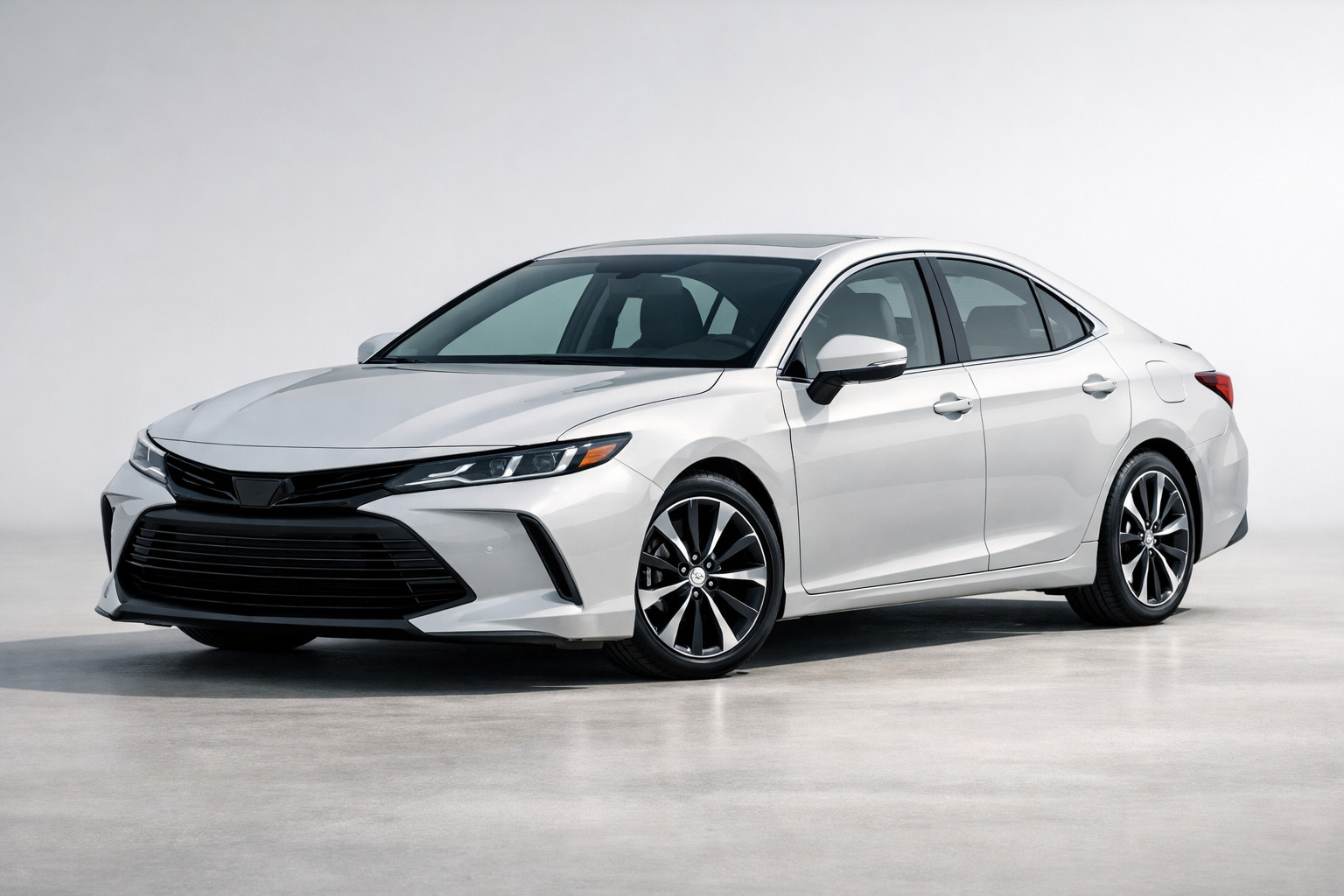
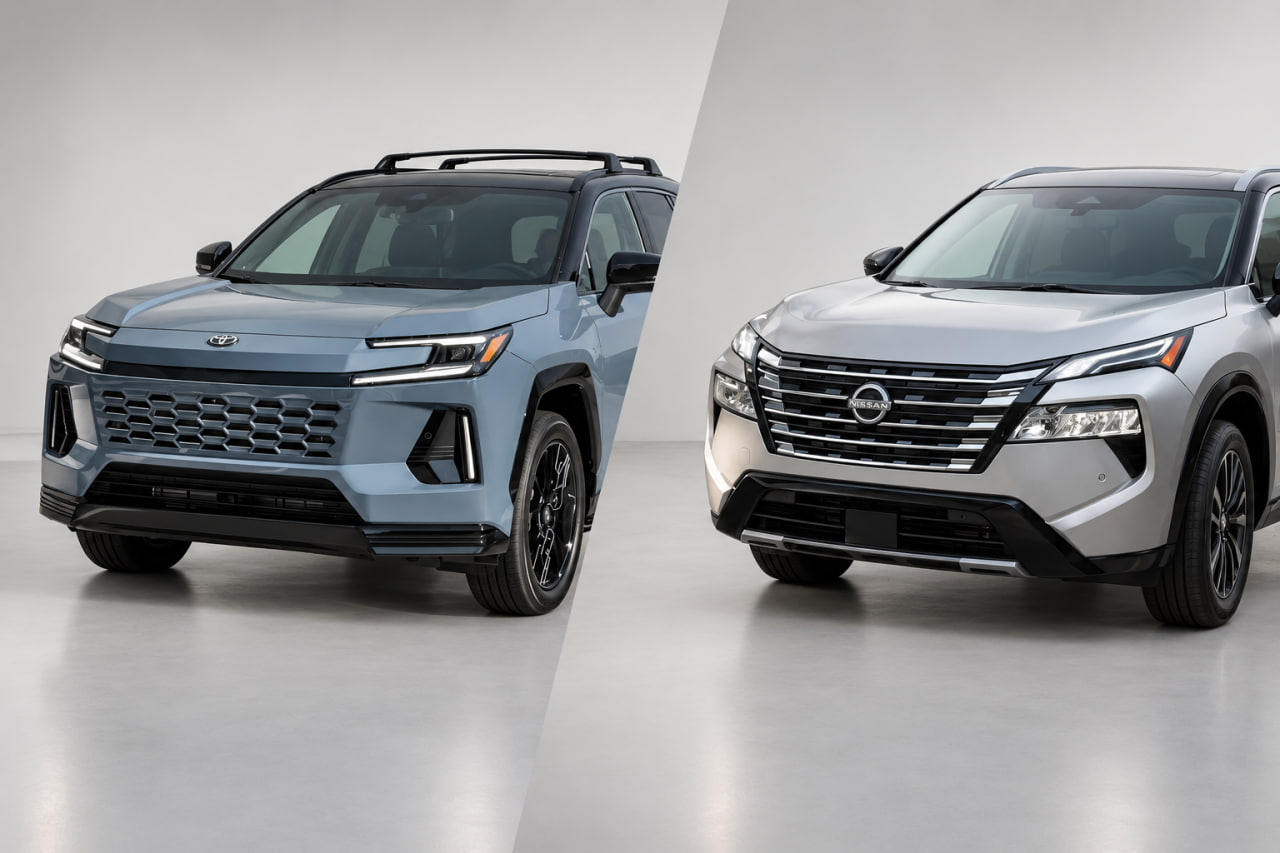
If you’re buying right now, the more rational choice is the Toyota RAV4 Hybrid 2026. It’s already on sale, has a full price list, clear fuel-economy figures, a larger cargo area, and a stronger battery warranty. The Nissan Rogue Hybrid 2027 is more interesting as an idea: standard AWD on every trim, the e-POWER series-hybrid system, and a more EV-like driving character, but for now it’s still a bet on a new model with incomplete data.
The main mistake here is to compare these models as if they’re equally mature. They aren’t. The RAV4 can already be calculated in dollars, gallons, and real-world use cases. The Rogue Hybrid still has to be judged through the risk of waiting, the unknown long-term durability of a new system in mass use, and the lack of a complete technical picture.
What the choice really comes down to
Essentially, it’s a choice between proven practicality and a newer drivetrain concept. The RAV4 Hybrid wins with a lower starting price, officially better fuel economy in most versions, a bigger cargo area, and a longer battery warranty. The Rogue Hybrid answers with standard AWD in every trim, potentially quieter and smoother driving, and richer tech in upper trims.
So the question is: do you need a no-surprises crossover right now, or are you willing to wait and pay extra for a different architecture that may feel better to drive, but doesn’t yet have enough real-world history.
Which criteria to compare by
- Price. The base RAV4 Hybrid starts at $31,900, the base Rogue Hybrid at $35,490. The difference is noticeable right from the start.
- Fuel economy. Toyota has complete official figures by trim, while for the Rogue only the city number for SR AWD has been confirmed so far.
- Noise. The RAV4 is known for efficiency, but it’s not the quietest on the highway. The Rogue, thanks to the e-POWER layout and early impressions, promises a quieter, more even character—but that’s not yet backed by broad owner experience.
- Durability and warranty. Toyota’s advantage is that the system is already well understood in the market, and the battery is covered for 10 years or 150,000 miles. Nissan’s battery coverage is 8 years or 100,000 miles, and the long-term durability of this specific configuration still needs time.
- Practicality. Cargo space, ground clearance, towing, and drivetrain type matter here. On these points, the RAV4 simply has more disclosed data right now.
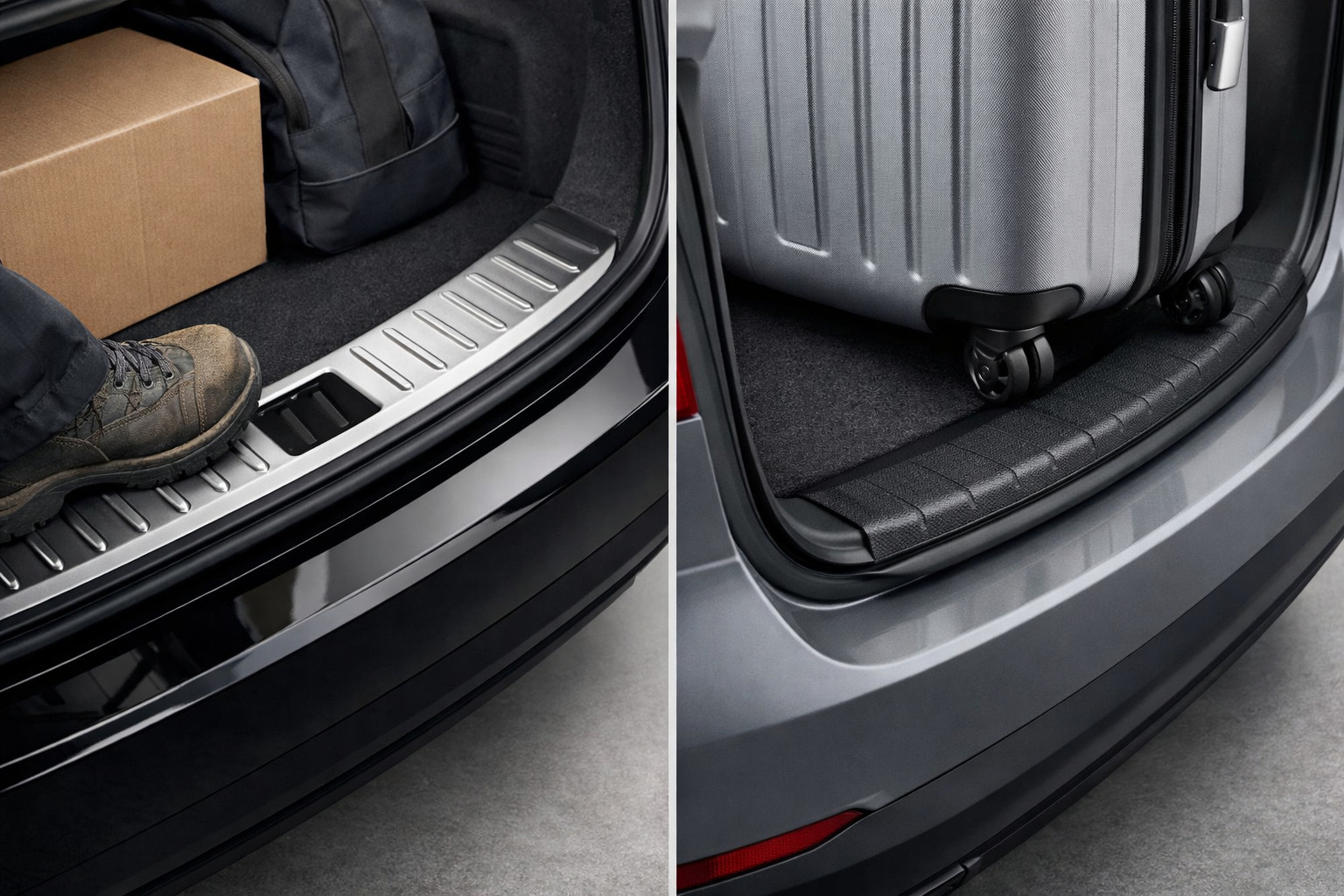
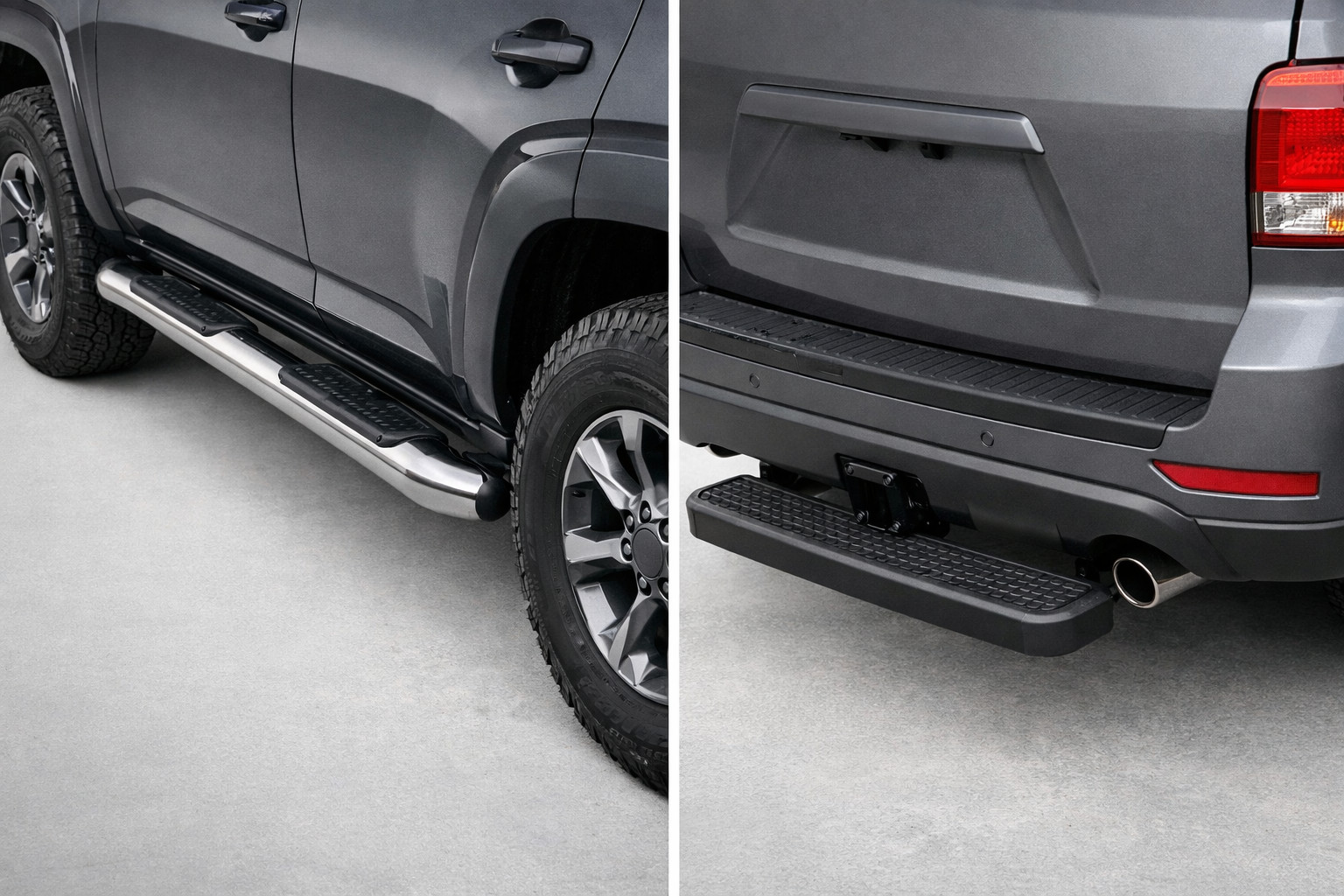
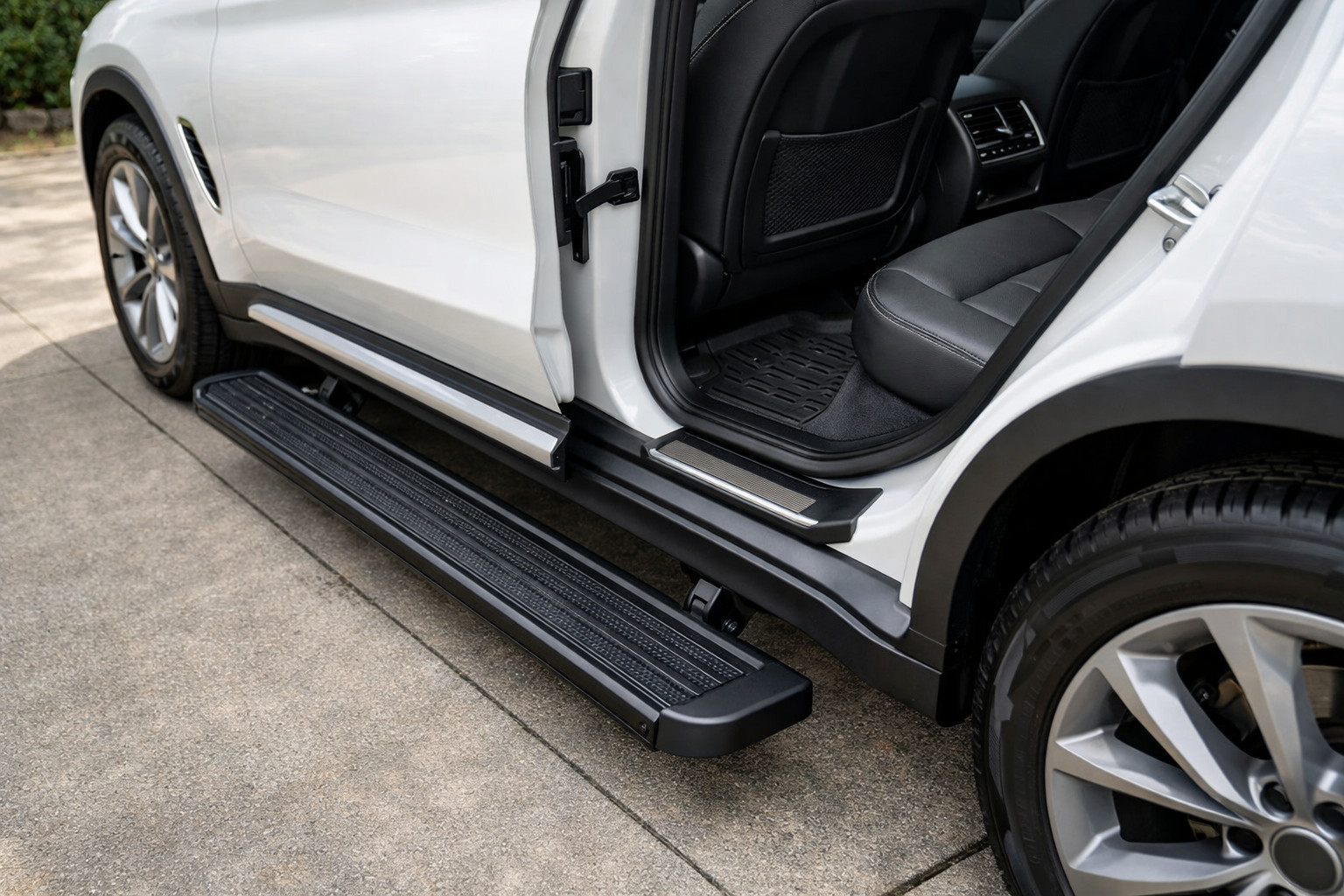
- Installation and the aftersales ecosystem. For real users, this means how easy it is to find and install model-specific accessories—roof systems, protection, or floor mats. For a model that’s already on the market, this is usually easier than for a brand-new launch.
Quick comparison of the options (table)
| Option | Strengths | Weaknesses | Who it’s for |
|---|---|---|---|
| Nissan Rogue Hybrid 2027 | Standard dual-motor AWD, e-POWER with no mechanical link between the ICE and the wheels, potentially quieter and smoother ride, strong multimedia features | Not on sale yet, incomplete data on power, full fuel-economy cycle, ground clearance and towing, higher starting price, less known long-term durability | Those who can wait, specifically want the new drivetrain concept, and aren’t afraid of first-year risk |
| Toyota RAV4 Hybrid 2026 | Lower price, complete official specs, better fuel economy in most versions, large cargo area, stronger battery warranty, more predictable practicality | May be noisier on the highway, some versions are FWD, the powertrain feel isn’t as interesting | Those who need a predictable purchase now, a family all-rounder, and minimal experimentation |
Detailed breakdown of each option
Nissan Rogue Hybrid 2027
The Rogue’s strong side is the concept itself. In e-POWER, the gasoline engine doesn’t drive the wheels—it works as a generator, while the car is propelled by electric motors. For the driver, that usually means a more linear throttle response and less of the traditional transmission feel. In the city and stop-and-go rhythm, that can be very pleasant.
The second plus is standard AWD across all trims. You don’t have to dig into which versions are FWD and which are AWD. But with no official total output yet, no full fuel-economy cycle, and no data on ground clearance and towing, it’s hard to honestly calculate the real practical value of the extra cost.
On price, the Rogue Hybrid starts higher than the RAV4 Hybrid. Nissan’s battery warranty is also more modest. So right now it’s not a choice about pure value, but about wanting a newer architecture, more in-cabin tech, and likely a more comfortable driving character. The risk is obvious: durability and real fuel economy haven’t yet been validated by wide use.
Toyota RAV4 Hybrid 2026
The RAV4 Hybrid’s strength is that you can evaluate it without assumptions. There are official fuel-economy figures by version, prices, ground clearance, towing, cabin and cargo data. For a family crossover, that’s a major advantage: you buy the car not for the idea, but for a clear outcome.
On efficiency, Toyota looks stronger: in the most efficient versions up to 47/40/43 MPG, i.e. about 5.0/5.9/5.5 L/100 km. The cargo area is also in the RAV4’s favor, as is the 10-year or 150,000-mile battery warranty. For those who drive a lot and count costs several years ahead, these are serious arguments.
The weak spot is noise. For some buyers it’s secondary, but if you do a lot of highway miles, it’s not a factor to ignore. The second trap is drivetrain: the lineup includes both FWD and AWD, so you can’t buy a RAV4 Hybrid “blindly” based only on the name.
Which option is better for different scenarios
For buying today, the advantage clearly goes to the RAV4 Hybrid. It doesn’t require waiting, has transparent economics, and fewer unknowns in the specs.
For those who want a quieter, more EV-like hybrid feel, the Rogue looks more interesting. But it’s a choice with a caveat: first you should wait for the full numbers and the first real owner feedback.
For a family, cargo, winter trips, and towing, the RAV4 looks more practical right now, because its cargo space, ground clearance across versions, and towing capabilities are already known. For the Rogue, these data haven’t been fully disclosed yet.
Use case and what to choose (table)
| Scenario | What to choose | Why |
|---|---|---|
| You need to buy soon | Toyota RAV4 Hybrid 2026 | The model is already on sale, with full pricing and specs |
| You want standard AWD without choosing between FWD and AWD | Nissan Rogue Hybrid 2027 | All trims come with AWD |
| Top priority is minimum fuel consumption | Toyota RAV4 Hybrid 2026 | Toyota already has better official figures in almost all versions |
| Top priority is quietness and smoothness in the city | Nissan Rogue Hybrid 2027 | The e-POWER layout and early impressions promise a more EV-like driving character |
| Family trips with lots of luggage | Toyota RAV4 Hybrid 2026 | More known, proven practicality for cargo space and body |
| Bad roads, ground clearance, and towing matter right now | Toyota RAV4 Hybrid AWD | There are official figures for ground clearance up to 215.9 mm and towing up to 1,588 kg |
| You’re willing to wait for a new model and accept first-year risk | Nissan Rogue Hybrid 2027 | It may deliver a more interesting driving experience, but requires patience |
Common mistakes when choosing
- Ignoring different product maturity levels. The RAV4 can be judged by facts; the Rogue is still partly based on promises.
- Not checking the drivetrain type. Not all RAV4 Hybrid versions are AWD, and that’s critical for winter and poor roads.
- Buying on peak impressions instead of your use case. A pleasant powertrain character doesn’t make up for weaker practicality if you need cargo capacity, towing, and clear economics.
- Underestimating noise. If you do a lot of highway driving, you should judge the RAV4 not only by fuel economy but also by acoustic comfort.
- Confusing the battery warranty with the warranty for the whole hybrid system. Toyota’s battery coverage is longer, which matters for long-term ownership.
- Forgetting about accessory fitment and market maturity. For a new model, roof racks, floor mats, and other vehicle-specific items often arrive with a delay.
When the more expensive option makes sense
Paying extra for the Rogue Hybrid makes sense not when you simply want “something newer,” but when standard AWD, a different torque feel, and richer tech equipment genuinely matter to you. If that scenario fits, it’s worth first reading the separate breakdown of the Rogue Hybrid 2027 and deciding whether you’re ready to wait for the launch.
A pricier RAV4 Hybrid can also make sense, but for a different reason: not novelty, but a specific function. For example, AWD versions with better traction, the Woodland with higher ground clearance, or higher trims for those who travel long distances often and don’t want equipment compromises. If you plan active use after purchase, it’s also helpful to think through practical items right away—like a roof rack for X-Trail/Rogue—or check the overall Toyota accessories catalog.
In other words, the more expensive choice is justified only when you clearly understand what you’re paying for: standard AWD, a different driving feel, towing, ground clearance, or equipment. If you don’t have that clear answer, the cheaper and more predictable option almost always wins.
Conclusion
As of today, the better buy is the Toyota RAV4 Hybrid 2026. It’s cheaper upfront, more efficient by official figures, more practical in cargo space, and safer in terms of warranty and predictable ownership.
Nissan Rogue Hybrid 2027 is worth waiting for if you specifically need standard AWD, a newer hybrid layout, and a more EV-like driving character without plugging in. But for now, there are too many unknowns to call it better without caveats. The simple takeaway: if you need to decide now—RAV4; if you’re ready to wait and knowingly accept the new-model risk—the Rogue may turn out to be more appealing in how it feels to drive.
Pros and cons
Toyota RAV4 Hybrid 2026 is already on sale, so it can be assessed based on full prices and specifications without waiting or guesswork.
The RAV4 has a lower starting price: the base version starts at $31,900, while the Rogue Hybrid starts at $35,490.
According to official data, Toyota looks more economical in most versions, and for the most efficient trims, clear consumption figures are provided.
The RAV4 has a larger trunk and is better suited for family trips when practicality in everyday use matters.
Toyota's battery warranty is longer — 10 years or 150,000 miles, which adds peace of mind over the long haul.
The Toyota RAV4 Hybrid 2026 may be noisier on the highway, and that is a noticeable drawback for those who often drive long distances.
The RAV4 lineup includes both FWD and AWD, so not all versions are equally suitable for winter or poor roads.
The Nissan Rogue Hybrid 2027 is not yet on sale, so the buyer will have to wait for the launch and deal with uncertainty.
There is no complete picture of the Rogue Hybrid: not all data on power, fuel consumption, ground clearance, and towing has been disclosed, making it difficult to assess its practicality.
Nissan's battery warranty is shorter — 8 years or 100,000 miles, and the long-term durability of the new system has not yet been confirmed by experience.