
































































 Author: Radomskyi Maksym Vasyliovych
This is an upgrade plan for a BMW X3 G01 owner who wants to solve two practical tasks: make getting in more convenient for the family and avoid collecting all the dirt on the sills after rain, snow, and daily city driving. If you want the short conclusion right away, the smartest order is: first stop the mud and sandblasting, then protect the vulnerable entry areas, and only after that decide whether side steps are actually needed.
For the X3 G01 this also matters because the body itself isn’t so tall that steps are mandatory for everyone: ground clearance here is 204 mm, so for many drivers the issue isn’t getting in as such, but that the lower door area and outer sills get dirty quickly. That’s why protecting the lower zone on this model usually brings more benefit than upgrades done only “for looks”.
What this upgrade needs to handle
In your scenario, the upgrade has to cover two different areas at once. The first is external: the lower part of the doors, rocker panels, and the outer sill where water, sand, and fine abrasive from the wheels hit. The second is internal: the entry sill that gets scratched by shoe soles, heels, kids’ shoes, or bags when getting in.
If the car is mostly used in the city, the main enemy is wet grime and constant rubbing at the entry. If there’s highway driving, winter, dirt roads, or gravel, what matters first is no longer aesthetics but mechanical protection for the lower body. And if kids, elderly passengers, or shorter people ride regularly, then upgrades for easier entry really start to matter.
What’s worth doing first
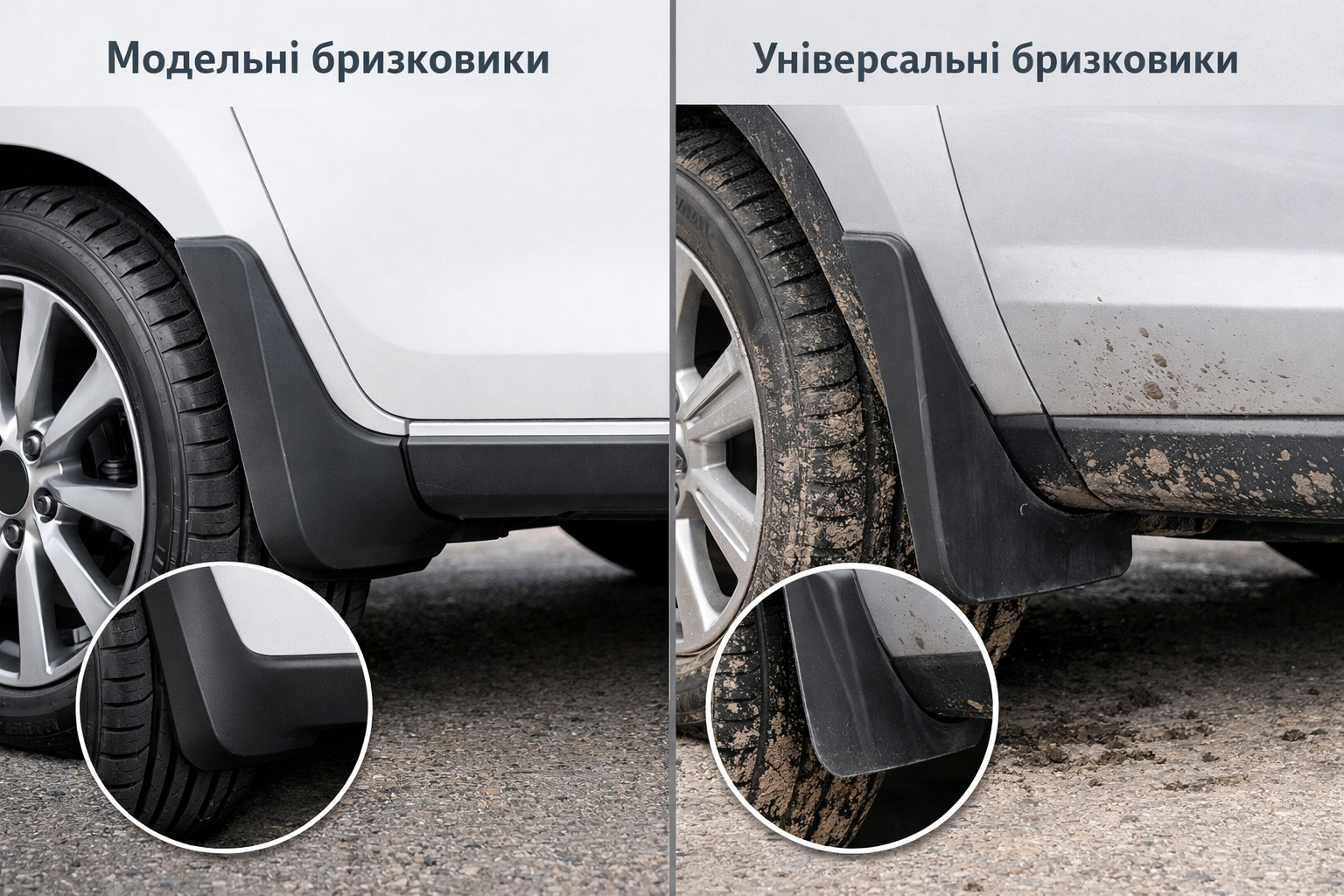
The first step for a BMW X3 G01 in this scenario is model-specific mud flaps front and rear. They won’t make the body spotless, but they noticeably reduce the flow of dirt and small stones onto the lower doors and sills. For the G01 this is especially logical because these areas most often look tired after just one season of wet driving.
The second step, worth doing right after the mud flaps or in parallel, is polyurethane film on the lower sills and the lower edges of the doors. This is basic physical protection against sandblasting and small impacts that no decorative coating can replace. If the car is driven in winter, on salt, or on imperfect roads, this item is more useful than any exterior “beauty” parts.
Before buying mud flaps and trim pieces, it’s worth checking compatibility by VIN, because the G01 differs by packages like M Sport, M Aerodynamics, or X Line. It’s easy to get the wrong part here—not the idea of the upgrade, but the specific item.
Upgrade, why it’s needed, who it really benefits (table)
| Upgrade | Why it’s needed | Who it really benefits |
|---|---|---|
| Mud flaps | Reduce the amount of water, sand, and small stones that hit the lower part of the doors and outer sills | Anyone who often drives in rain, slush, on dirty city roads, or on dirt roads |
| Polyurethane film on the lower sills and lower door edges | Takes the sandblasting, small impacts, and some of the scratches from shoes | Those who want to keep the paint on the lower body looking good longer without constant touch-ups |
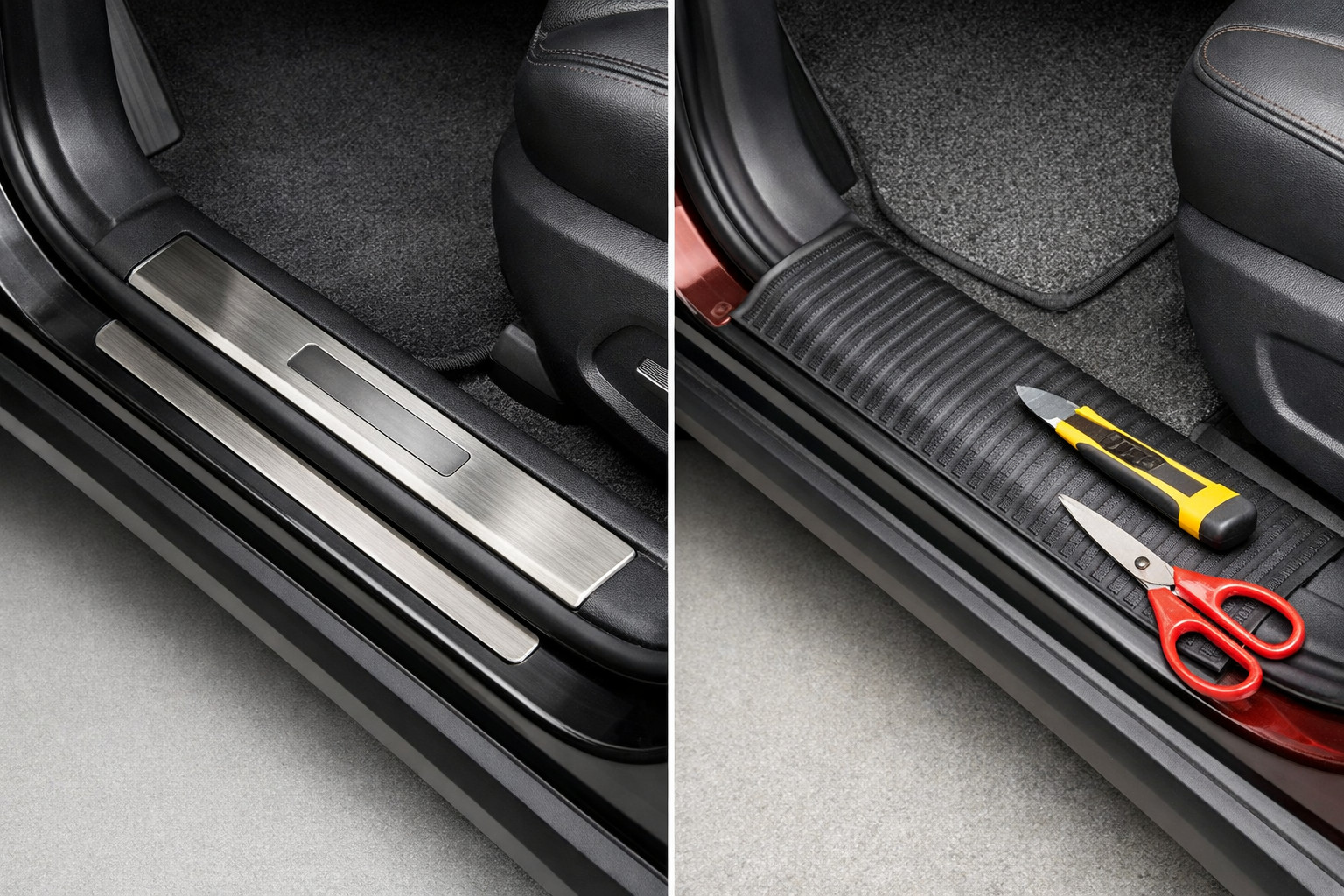
| Inner door-sill protectors | Cover the area that’s frequently hit by shoes when getting in and out | Family cars, cars with active rear passengers, anyone who often drives with kids |
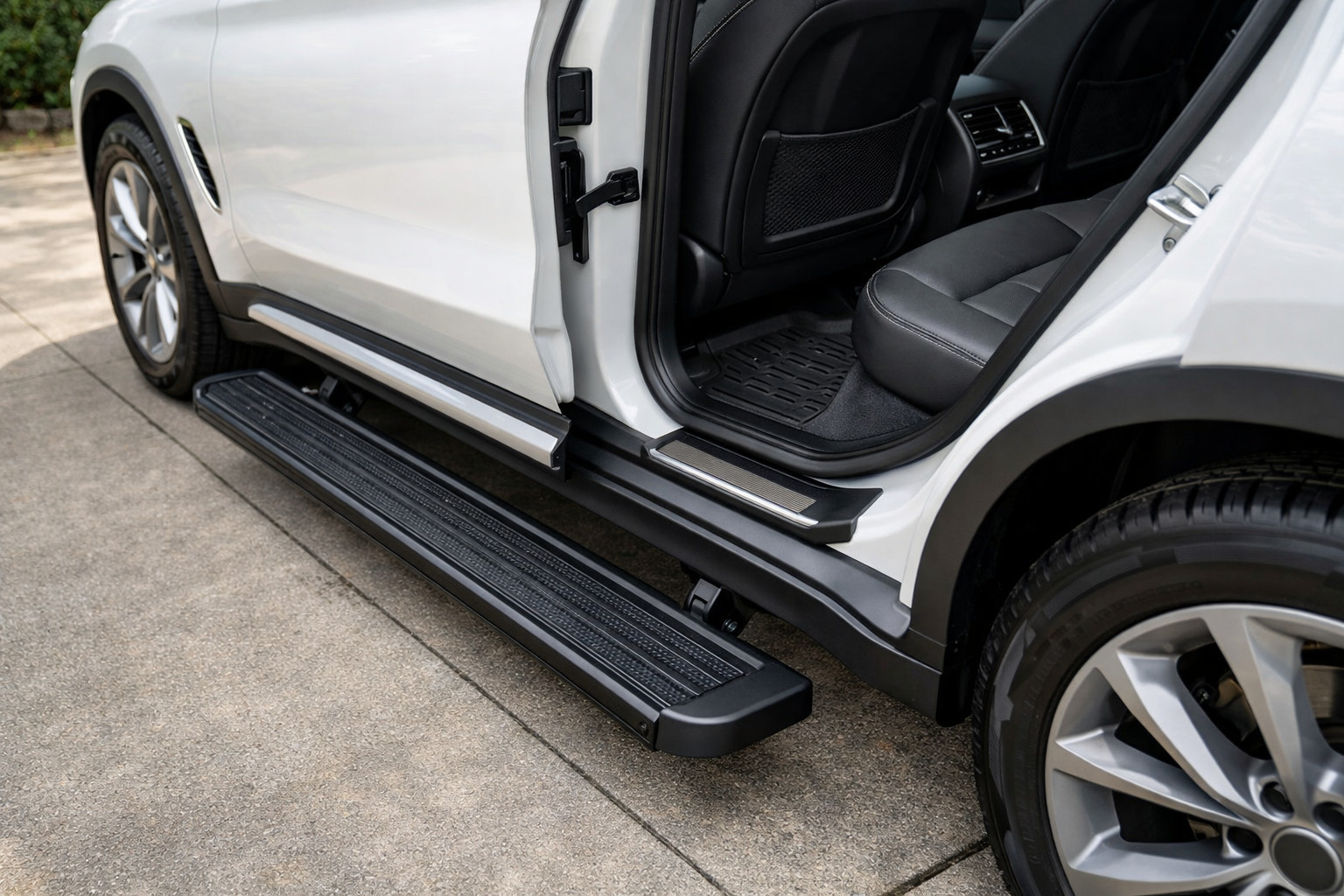
| Side steps | Provide an intermediate foothold when getting in and also make roof access easier | Elderly passengers, kids, shorter people, anyone who regularly uses a roof rack |
| All-weather floor mats | Keep water and dirt from spreading across the floor after getting in | Anyone who drives daily in the wet season and wants easier interior cleaning |
DD Tuning expert comment: The most common mistake with the BMW X3 G01 is starting with side steps, even though the owner’s real complaint isn’t entry height but dirty lower doors and sills. If you don’t install mud flaps and don’t cover the lower zone with polyurethane film, steps alone won’t solve the problem. The second typical mistake is ordering parts without checking by VIN and then getting a mismatch with the body package.
What makes sense to add in the second stage
In the second stage, it’s logical to add inner door-sill protectors. They won’t stop the dirt stream from the wheels, but they work very well exactly in the entry area where the clear coat suffers from daily contact. This upgrade isn’t about a loud effect, but about keeping the door opening looking neat after a year or two of use.
In the same stage, consider all-weather floor mats if the car is often used in rain or in winter. They aren’t directly related to the outer sill, but they complete the “clean entry” scenario: less water and sand gets carried deeper into the cabin, and less time goes into cleaning.
What’s more about comfort or looks
Side steps on the X3 G01 are primarily a comfort upgrade, not the main way to protect from dirt. If kids, elderly relatives, or passengers who find it inconvenient to pull themselves into the cabin ride constantly, then they really make sense. If the main driver gets in without issues, steps move into the “nice-to-have” category rather than “must-have”.
Trim with a decorative accent, chrome, or the model name also works more on visual perception. It can make the door opening look tidier and partially hide signs of use, but it doesn’t replace protection for the lower outer sills. In other words, nice-looking trim only makes sense after the basic practical protection is already handled.
What people often buy for no reason
The most typical unnecessary expense is a ceramic coating instead of polyurethane film in the lower zone. It’s fine for gloss, but it won’t save you from stones and sandblasting. As a result, you spend money and the problem of chips and scuffs remains.
The second mistake is universal mud flaps or cheap trim chosen just by size. On the G01, precise geometry is far more important than saving money upfront, because misalignment or weak fit quickly ruins both the look and the result. The third mistake is buying side steps only because a crossover “looks more solid” with them. If there’s no real need for easier entry, it’s often paying for effect, not for benefit.
What to install first, what to postpone, what’s optional (table)
| What to install first | What can be postponed | What is not mandatory |
|---|---|---|
|
|
|
One caveat: if an elderly passenger or a child for whom the entry height is truly noticeable gets in regularly, side steps can be moved higher in priority. But even in that case, mud flaps and lower-zone protection shouldn’t be put off for long.
A ready upgrade plan for this scenario
- Verify the vehicle specification by VIN so you don’t make a mistake with mud flaps, trim pieces, and steps.
- Install model-specific front and rear mud flaps as the first barrier against water, sand, and small stones.
- Cover the lower sills and lower door edges with polyurethane film, especially if there’s winter, highway driving, or bad roads.
- Add all-weather floor mats if it’s important not to bring water and dirt into the cabin after getting in.
- Install inner door-sill protectors to reduce shoe marks in the door openings.
- Only then decide on side steps: if they’ll actually be used daily, install them; if not, comfortably postpone.
When it makes sense to choose pricier solutions
More expensive solutions are justified when you plan to keep the car for a long time, want predictable fitment, and don’t want to mess around with adjusting mounts. For the G01 this is especially relevant on cars with different exterior styling packages, where exact compatibility matters. Another practical criterion is frequent family use, when the upgrade must work every day rather than just look good in photos.
In that case, it makes sense to look at original side steps, choose original mud flaps separately, and cover the cabin side with rubber floor mats. This set costs more, but usually raises fewer questions about gaps, mounting, and daily use. For steps this matters even more, because even with factory mounting points, installation isn’t always as simple as it looks before you start.
From a customer’s experience: on the BMW X3 G01 they weren’t looking for tuning for the picture, but two specific things—cleaner lower doors in winter and easier entry for a child and an elderly passenger. They started with mud flaps and lower-sill protection film, then added inner door-sill protectors, and only after a few weeks it became clear that the steps would truly be used regularly. In the end, the money went by priority rather than on a full set at once, and each upgrade delivered a clear result.
Conclusion
For the BMW X3 G01 in the “easy entry and clean sills” scenario, the right order is simple: start with mud flaps and polyurethane film protection for the lower zone, then add inner door-sill protectors and floor mats, and side steps only if your passengers truly need them. That way you don’t overpay for looks before you’ve covered the practical part.
The material is based on real selection experience, hands-on practice, and real use cases where the difference between useful upgrades and items bought only for visual effect is clearly visible. For this scenario, what works best is not a maximum list of accessories, but a sober order of actions.
How it works
- Check the trim by VIN Before buying any parts, verify compatibility by VIN code. The BMW X3 G01 has differences across packages such as M Sport, M Aerodynamics, or X Line, so selection mistakes happen often here.
- Install model-specific mud flaps Start with the front and rear mud flaps. They reduce the amount of water, sand, and small stones that fly onto the lower part of the doors and outer sills.
- Cover the lower sills with polyurethane film Next, protect the lower sills and lower door edges with polyurethane film. This is basic protection against sandblasting, minor impacts, and scratches, especially useful in winter, on the highway, or on bad roads.
- Add all-weather floor mats If the car is driven daily in the wet season, install all-weather floor mats. They prevent water and dirt from spreading through the cabin after getting in and make cleaning easier.
- Install sill covers As the next step, cover the entry area with inner sill covers. They reduce shoe marks in the door openings and help keep the cabin looking neat.
- Assess the need for side steps Only after the basic protection decide whether side steps are needed. They make sense if children or elderly passengers often ride in the car, or if people really need an additional step for getting in.
Pros and cons
Model-specific mud flaps really reduce the flow of water, sand, and small stones onto the lower part of the doors and the exterior sills. For everyday driving in rain, slush, or on dirty roads, this is the first practical step.
Polyurethane film on the lower sills and lower door edges provides physical protection against sandblasting, minor impacts, and scratches from shoes. This is especially useful in winter, on the highway, and on less-than-ideal surfaces.
Trim covers on the inner sills help preserve the neat look of the door opening, as they cover the area that is often hit by shoes when getting in and out. This is practical for a family car and for cars where children often get in.
All-season floor mats reduce the spread of water and dirt throughout the cabin after getting in. They make cleaning easier if the car is often driven in the wet season.
Side steps really make getting in easier for elderly passengers, children, and shorter people. They are also useful if you regularly need to reach the roof.
Side steps do not solve the problem of dirty sills on their own. If you do not install mud flaps and do not cover the lower area with film, the main dirt will not go away.
Ceramic coating here does not replace polyurethane film, because it works for shine, not for protection against stones and sandblasting. Because of this, you can spend money and still end up with chips and scuffs.
Universal mud flaps or cheap add-ons may not fit the geometry, and then both the appearance and the result suffer. For G01, it is important to check compatibility by VIN code.
Side steps installed only “for a more solid look” are often an overpayment without real benefit. If getting in is already comfortable, they can be safely left out.