25.08.2026
105
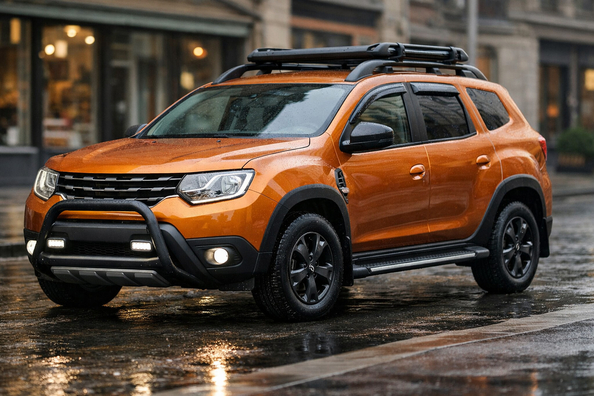

This upgrade plan is for a Renault Duster 2018–2024 owner who drives around the city every day, parks by curbs, deals with wet snow, salt, and slushy courtyard mess. The goal here isn’t to make the car “tougher,” but to reduce dirt, add control on slippery roads, and protect what truly suffers in winter.
The Duster already has 210 mm of ground clearance and decent geometry, so the starter budget is better spent not on a lift and not on decor. The biggest gains come from tires, dirt protection, mats, and basic underbody protection.
For this scenario, the upgrade must solve four things: provide proper grip in slush, throw less dirt onto the sills and arches, protect the underside from ice and curbs, and make cleaning the cabin and trunk easier. That’s exactly where the first money should go.
The set of upgrades depends not so much on the year as on the drivetrain and trim. For 4x4, transmission protection and winter chains for trips are more often relevant, while for 4x2 the key is not to buy off-road items that won’t bring benefits in the city.
Before buying, check what’s already on the car: wheel size, presence of factory protection, mud flaps, mats, a camera or parking sensors. Duplicating the same thing makes no sense.
| Upgrade | Why it’s needed | Who it really benefits |
|---|---|---|
| Tires in the correct seasonal specification | Provides grip on wet asphalt and in slush | Everyone, especially if the car is driven daily |
| Rubber floor mats in the cabin | Contain water, salt, and sand | Those who often get in with wet footwear or carry kids |
| Trunk tray or trunk mat | Protects the compartment from moisture, bags, tools | Those who carry things all the time |
| Mud flaps | Reduce dirt spray onto doors, sills, and arches | Those who drive in rain and through courtyards |
| Wheel-arch liners | Add an extra barrier against abrasive wear in the arches | Those who want to protect the wheel-arch area longer |
| Engine/underbody/transmission protection | Takes impacts from ice, stones, joints | Primarily 4x4 and those who often drive through rough courtyards |
| Parking camera or sensors, if you don’t have them | Reduces the risk of minor contacts in tight urban spaces | Those who park daily in tight spots |
DD Tuning expert comment: The most common mistake with the Duster is starting with side steps, trim pieces, and big wheels instead of tires and dirt protection. A second typical story is buying universal mats or mud flaps that seem cheaper but fit poorly. If you have 4x4, make sure the protection is selected specifically for your transmission.
After the basic set, it makes sense to think about things that make daily use easier. First of all, that’s a camera or parking sensors if you don’t have them: in the city they’re more useful than any decorative body kit.
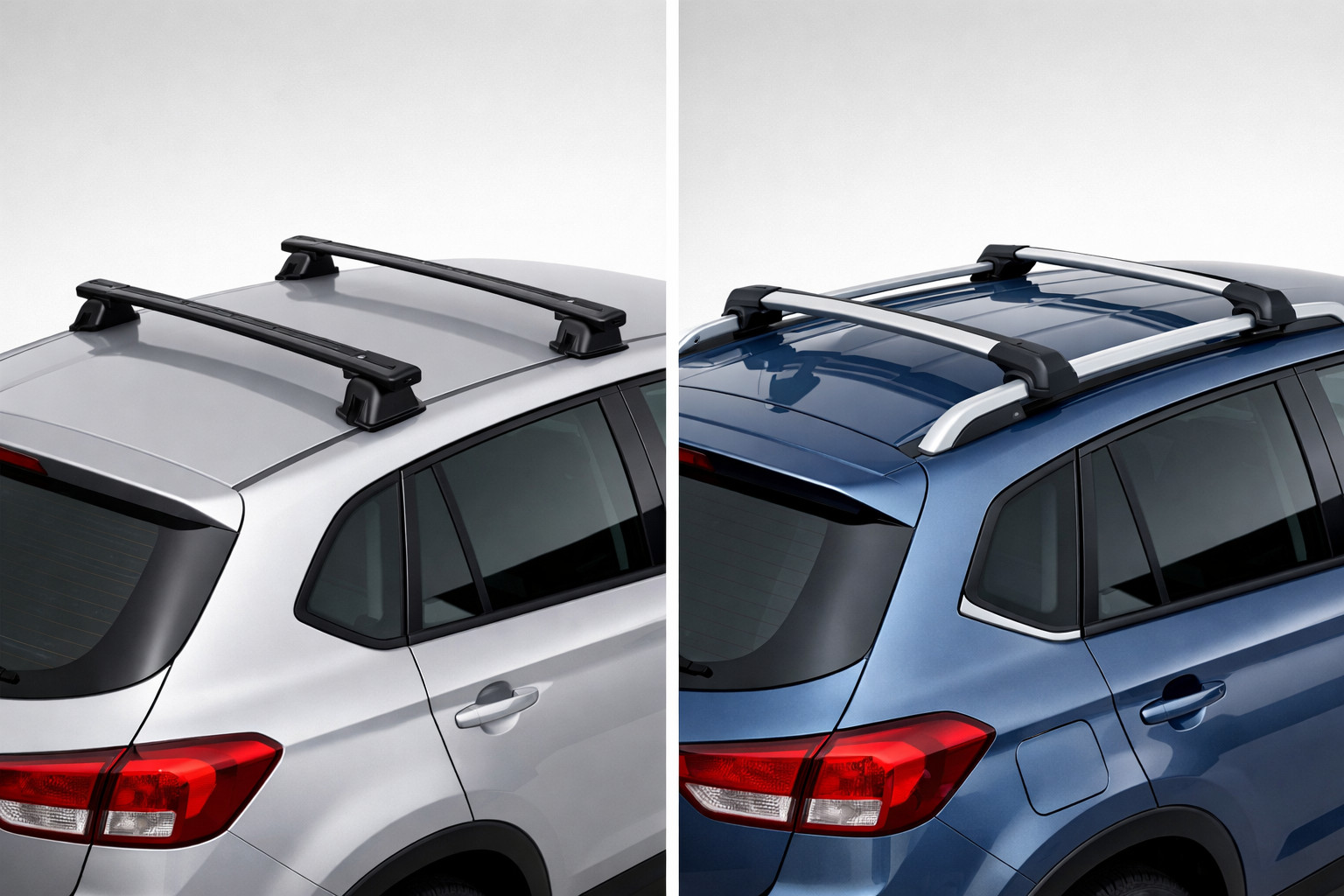
Sound insulation also belongs here, but only after tires, mats, and underbody protection. For a 4x4 that leaves the city in winter, the second stage can be chains. A roof rack only makes sense if it’s used regularly.
Wind deflectors, seat covers, some small interior items, decorative overlays, and most exterior decor don’t solve basic winter practicality the way tires or mud flaps do. They’re not bad items—they’re just not first in line.
Separately, take a sober look at big wheels, side steps, and heavy-duty rock sliders. For a city Duster, they more often add looks than benefits: the car may become harsher, and the steps also reduce useful clearance underneath.
There’s one main mistake: buying for visual effect instead of for the scenario. For this Duster in the city, the winner isn’t the flashiest upgrade, but the one you notice every morning in normal use.
| What to install first | What can be postponed | What is not required |
|---|---|---|
| Season-appropriate tires in the stock size | Camera or parking sensors, if parking isn’t critically difficult | 17-inch wheels only for appearance |
| Rubber floor mats in the cabin and trunk protection | Sound insulation after practical items are addressed | Chrome trim and decorative moldings |
| Mud flaps and wheel-arch liners | Chains if you almost never leave the city in winter | Side steps and rock sliders |
| Skid plate, and on 4x4 also transmission protection | Roof rack if you need it only a few times a year | Suspension lift with the stock 210 mm clearance |
This order may not look the most impressive in photos, but it works every day and doesn’t make you pay twice for items that should have been installed from the start.
It’s worth paying extra where the difference is felt every day and where a fitment mistake annoys you every season. If you plan to keep the car for a long time, it makes sense to look right away at solutions specifically for Renault Duster 2018–2024.
Most often this is justified for rubber cabin mats and a trunk mat. If the car carries kids, tools, bags, or wet clothing every day, a model-specific shape is simply more convenient and more reassuring to use.
More expensive underbody protection also makes sense not because of looks, but because of precise fit and proper mounting. Especially on cars that see a lot of winter courtyards, uneven driveways, and curbs, and also on 4x4 versions.
From a customer’s experience: A Duster owner on stock 16-inch wheels wasn’t looking for a flashy body kit, but for a way to calmly get through courtyard slush, curbside parking, and a dirty trunk after shopping and tools. In the end, he started with tires, rubber mats, a trunk tray, and mud flaps, and added underbody protection after the first winter, when he understood where ice actually catches. He’s happy that the car became easier to wash, and daily use stopped being irritating in small ways.
For Renault Duster 2018–2024 in the “city and slush” scenario, the right start is simple: tires, mats, trunk protection, mud flaps, wheel-arch liners, and basic underbody protection. The car already has sufficient clearance, so the first priorities should be not visual effect, but road contact, dirt, and risks to the underbody.
A useful upgrade here is almost always smarter than a showy one. This material is based on real selection experience, practical know-how, and real usage scenarios, so the order of upgrades is deliberately pragmatic: first what works every day, then what’s simply nice to have.
| ✔ | Seasonal tires provide tangible benefits on wet asphalt and slush, and for city use the author recommends looking at a 16-inch set with a taller sidewall. This is more practical for everyday driving than focusing on the look of the wheels. |
| ✔ | Rubber floor mats in the cabin and trunk protection immediately reduce problems with water, salt, sand, and dirt after daily trips. This is especially useful if there are often wet shoes, children, or regular cargo transport in the car. |
| ✔ | Mud flaps and wheel arch liners noticeably reduce the amount of dirt thrown onto the sills, doors, and wheel arches. In city courtyards and in the rain, this solution really makes body care easier. |
| ✔ | Engine, underbody, and for 4x4 also transmission protection adds peace of mind on ice, stones, and curbs. This is not a decorative upgrade, but useful insurance for winter city use. |
| ✔ | A rearview camera or parking sensors make sense for everyday parking in tight spots. They reduce the risk of minor contacts, which in the city is often more useful than exterior body kit. |
| ✘ | The suspension lift for this scenario is considered unnecessary by the author, because the Duster already has sufficient 210 mm ground clearance. Money is better not spent here on something that does not provide noticeable benefit in the city. |
| ✘ | 17-inch wheels chosen only for looks are not a good priority for slush and potholes. In this mode they do not solve basic problems, but they can be less practical. |
| ✘ | Side steps and rock sliders for a city Duster often get in the way more than they help. They can take away useful ground clearance and do not add everyday practicality. |
| ✘ | Universal accessories without checking fit may sit poorly and provide weaker protection from dirt. This creates a risk of paying twice: first for a poor purchase, then for a proper replacement. |
Shipping to EU
Wholesale and retail
Own warehouse
Опис продукту
Подарунки не надаються при оформленні покупки у кредит під 0,01% або при покупці частинами.