
































































 Author: Radomskyi Maksym Vasyliovych
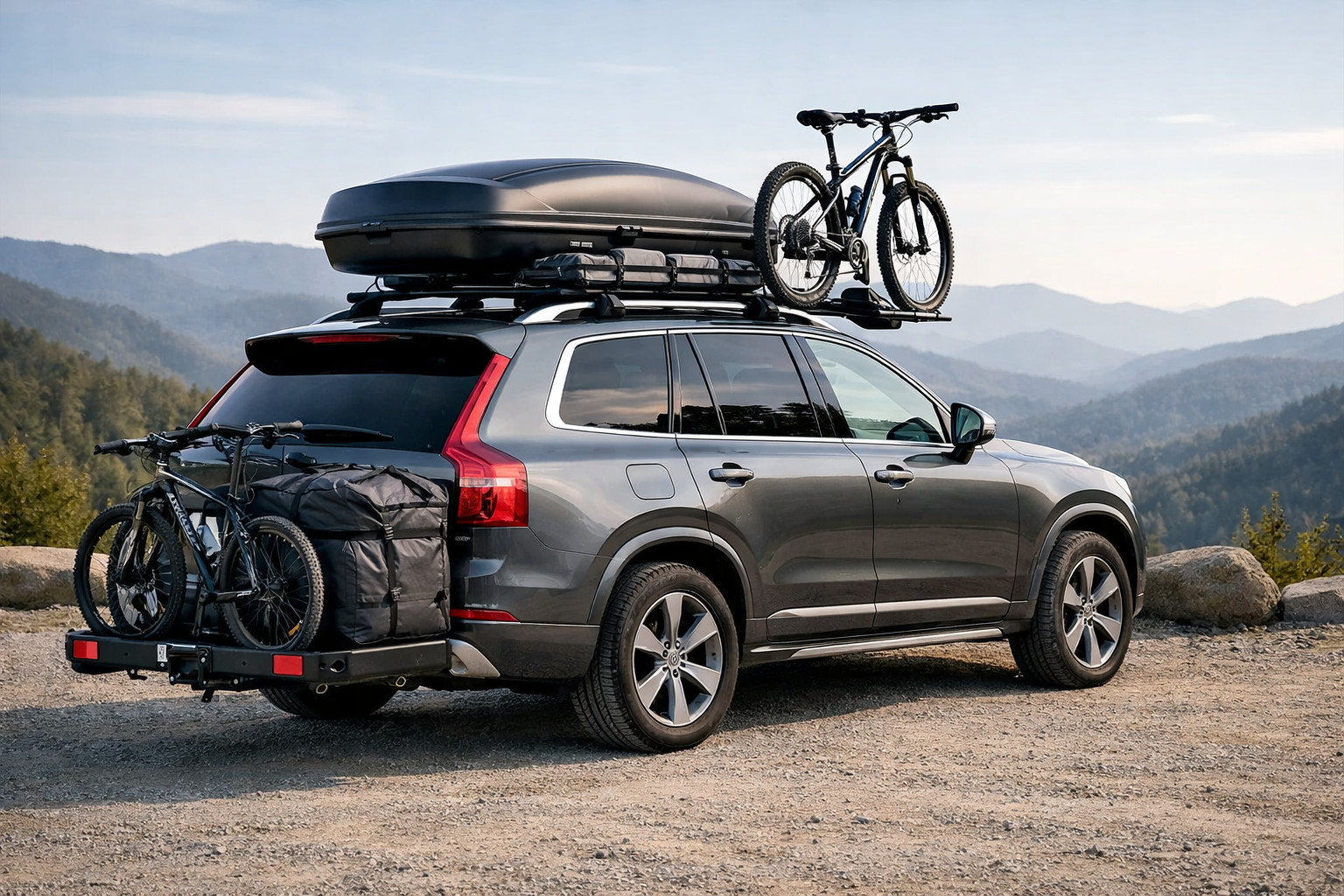
This plan is for a Volvo XC90 that goes on vacations, family trips, or long highway runs with a full cabin. The task is simple: move bulky luggage out of the cabin without ruining handling—and without buying things that look nice but solve little on the road.
On the XC90, the need for roof space is especially noticeable when the third row is in use: there’s not much room left for suitcases. So the working scenario here is this: light and bulky items go up top, heavy items stay lower in the cabin or trunk, and within the 100 kg limit you must count not only the cargo, but the crossbars and the box themselves.
What this upgrade needs to accomplish
For the XC90, a long-trip upgrade needs to cover three things: add volume, keep passenger entry/exit comfortable, and not turn a highway car into a noisy compromise. If you’re traveling with four to eight people plus suitcases, kids’ items, or gear, a roof cargo setup is often more useful than any cosmetic tuning.
The second point is the specifics of the scenario. For typical vacations you want an enclosed box, not a basket: it’s better for aerodynamics, keeping your вещи clean, and everyday use. If you already have a towbar and the main problem is lifting bags up high, then a rear towbar-mounted box may be more practical than the roof.
The third point is compatibility. On the XC90, the setup depends on the model year and the type of roof rails, so selection starts not with box volume, but with the right crossbars. If the car has a panoramic roof, you also need to account for the fact that with crossbars installed it won’t open.
What to do first
The first must-have step is crossbars with an aerodynamic profile and proper locking for your type of rails. Without this, any talk about a box or long trips is premature: the crossbars determine compatibility, noise, and stability at speed.
The second step is an enclosed roof box in the 400–430 L range. For most trips in an XC90 this is the smartest capacity: it delivers a real gain in space, but doesn’t force you into an oversized “wardrobe format” just for rare trips. Don’t put heavy items in it: a box works best for light suitcases, jackets, kids’ вещи, and gear.
The third step is to check the installation before you leave—not in the parking lot right before departure. For a box, the correct spacing between crossbars, free opening of the tailgate, and the final vehicle height matter. On an XC90 these are “small details” only until your first underground parking garage or the first whistle on the highway.
Upgrade: why it’s needed, who it benefits (table)
| Upgrade | Why it’s needed | Who it truly benefits |
|---|---|---|
| Crossbars for roof rails | Create the base for a box, provide proper mounting, and affect noise | Anyone who actually plans to carry items on the roof regularly, not once every two years |
| Roof box 400–430 L | Moves bulky items out of the cabin and frees space for passengers | Families, crews of 5–7 people, anyone heading on vacation with full luggage |
| Rear towbar cargo box | Makes loading easier and gives access to items without working at height | Those who already have a towbar and often load heavy suitcases |
| Rubber trunk mat | Protects against dirt, water, sand, stroller/cart wheels | Families, dog owners, anyone who drives in the rain and on getaways |
| Side steps or running boards | Make it easier to reach the roof during installation and loading | Those who use a box often and don’t want to stretch or use a stool every time |
| Sunshade for the panoramic roof | Reduces cabin heat in summer | Those who drive a lot in hot weather, especially with kids in the second row |
DD Tuning expert comment: On the XC90 people often buy a box “with extra capacity,” and then end up with extra height, noise, and awkward tailgate opening. The second common mistake is counting only the cargo weight and forgetting that the roof limit includes the crossbars and the box itself. Another frequent miss is ordering a kit without checking the model year and rail type.
What makes sense to add as a second stage
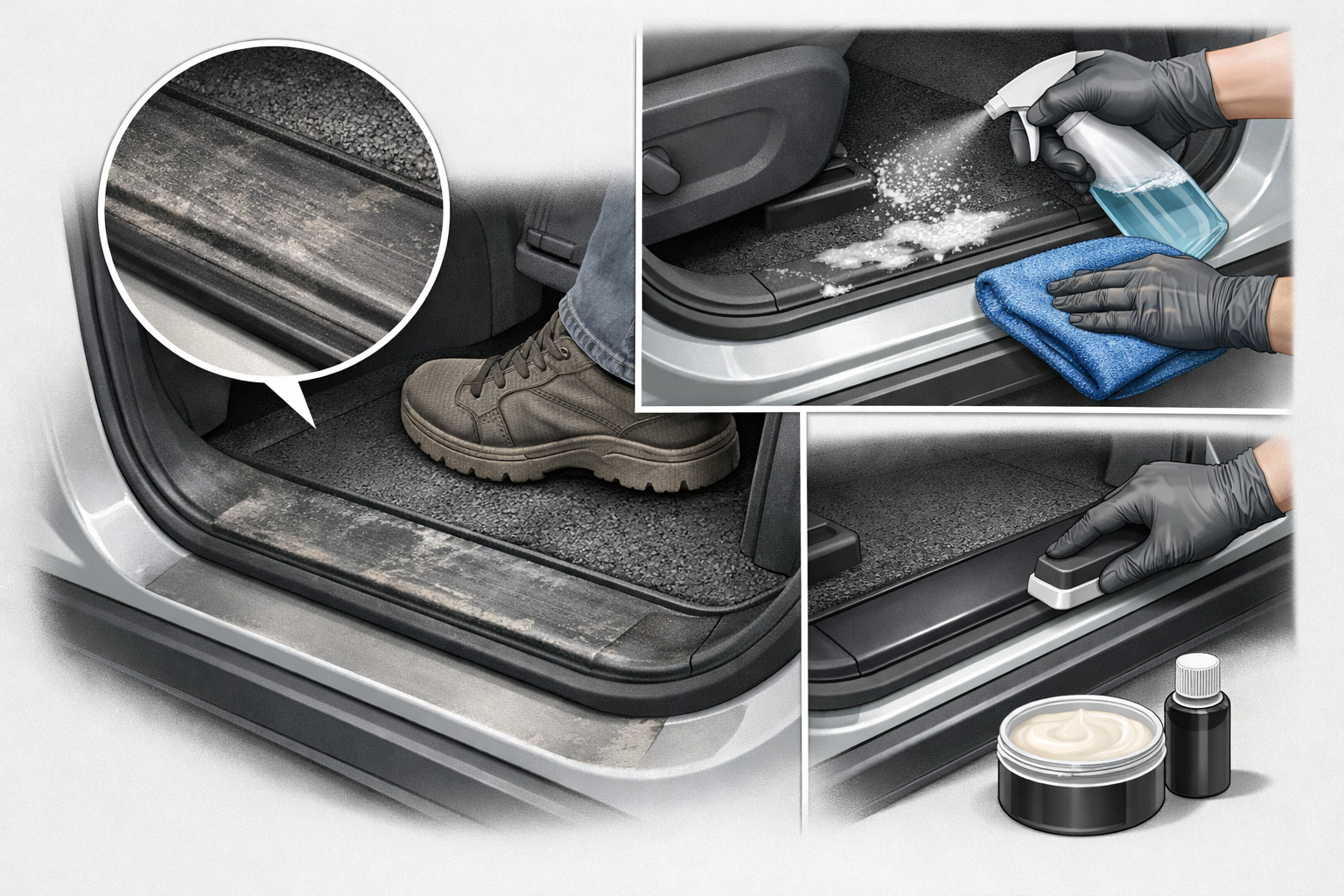
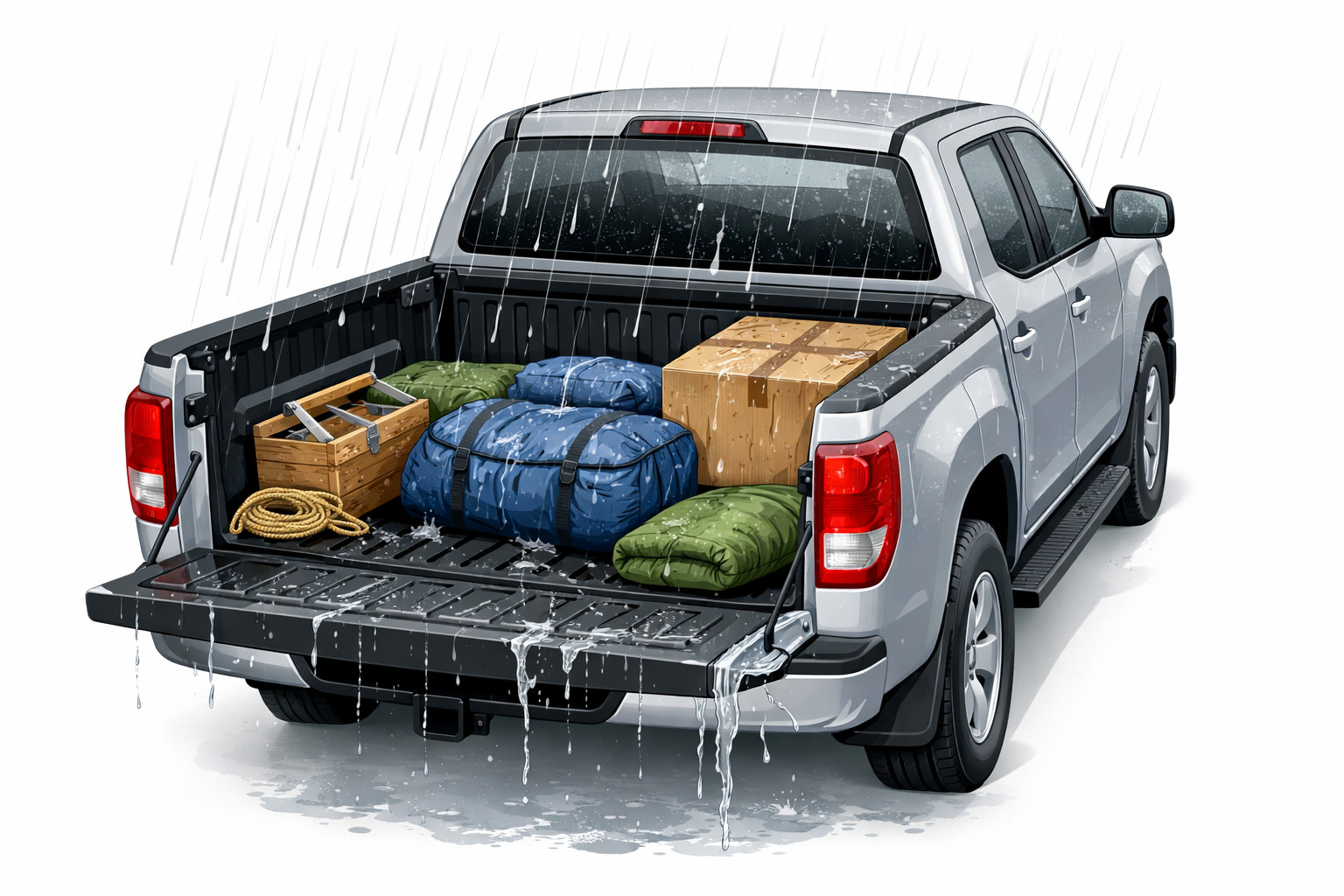
After the first one or two trips, it becomes clear what you actually lack. Most often, the second stage is adding a trunk mat, because it’s what saves you from wet bags, dirty shoes, and constant cleanup after the road.
If kids or a dog often ride in the car, or if luggage is stacked high, it makes sense to consider a cargo-area safety grille. It doesn’t add liters, but it adds order and safety during hard braking.
If you often load the roof by yourself, side steps or running boards are justified as a second step. And if after the first highway run it becomes clear that what annoys you isn’t volume but loading at height, then it’s better not to upsize the roof box, but to look toward a rear towbar box.
What’s more about comfort or appearance
Comfort upgrades here include a panoramic-roof sunshade, a neck pillow for long drives, trunk organization, and running boards. They don’t solve capacity directly, but they make using the XC90 on the road less tiring.
Appearance-focused items include chrome trims, decorative elements, and some body kits. For the “roof luggage + long trips” scenario they don’t deliver a noticeable result, so there’s no point installing them before the basic cargo setup.
What people often buy for nothing
- The biggest possible box instead of the one you actually need for your scenario. Bigger isn’t always better: height and noise increase, and so does the temptation to overload the roof.
- A roof basket instead of an enclosed box for typical family trips. For suitcases and kids’ things, it’s less practical.
- A rooftop tent if you don’t camp regularly. For typical vacations it’s a different scenario and extra expense.
- A kit ordered without matching the model year and rail type. You can lose money before installation even begins.
- Decorative mods instead of functional ones. The look changes, but the lack-of-space problem remains.
What to install first, what to postpone, what’s optional (table)
| Scenario | What to install first | What can be postponed | What’s not required |
|---|---|---|---|
| Full cabin, vacations, third row in use | Crossbars, 400–430 L roof box, check weight and height | Trunk mat, panoramic-roof sunshade | Decorative trims, oversized “just in case” box |
| Towbar installed and roof loading is often difficult | Rear towbar box, or crossbars as a basic alternative | Side steps or running boards | Roof basket for daily trips |
| Frequent long highway runs in summer | Quiet crossbars, correctly sized box | Panoramic-roof sunshade, trunk organization | Tuning purely for looks |
| Frequent roof loading | Crossbars and box installed with correct bar spacing | Running boards, trunk protection | Rooftop tent if there’s no separate camping scenario |
A ready upgrade plan for this scenario
- Confirm the XC90 model year and rail type so you don’t miss on the base kit.
- Install aerodynamic crossbars as the foundation for the whole scenario.
- Choose a 400–430 L box if what you need is additional volume for family trips.
- During installation, keep the correct spacing between the crossbars, and position the box so the tailgate opens without contact.
- Pack like this: light and bulky—on the roof; heavy—lower in the cabin or trunk. Stay within 100 kg including the crossbars and the box.
- After the first trip, decide what truly limits you: trunk dirt, cabin heat, or awkward loading. Then add a mat, sunshade, steps, or switch to a rear box accordingly.
When it makes sense to choose more expensive solutions
More expensive options are justified where you’re paying not for looks, but for less hassle in daily use. If the box is installed regularly rather than once a season, it makes sense to choose turnkey crossbars: less chance of picking the wrong kit, and easier removal/installation without constant tweaks.
If your XC90 has integrated rails and you want to pick a solid base right away without compromises, look at the roof racks for integrated rails section. And when the main headache isn’t noise but access to the roof, side steps become a justified expense: on a tall crossover it’s no longer about looks, but about making every loading easier.
A separate higher-cost scenario is a rear towbar box. It’s worth considering not for everyone, but for those who often remove and access luggage, don’t want to work at height, or simply already have a towbar and travel far regularly.
From a customer’s experience: an XC90 owner with seven seats wasn’t looking for “big tuning,” but for a way to keep the third row free on vacation. In the end, he started with crossbars and a medium-volume box, and kept heavy items down in the trunk. After the first long trip it became clear this was already enough, and the next truly useful purchase was a trunk mat—not a bigger box.
Conclusion
For the Volvo XC90 the logic is simple: first the right crossbars, then a sensibly sized box, then only the upgrades that solve a specific discomfort on the road. Don’t overpay for large accessories “just in case” or for decor if the base scenario still isn’t covered. This material is based on real selection experience, practical know-how, and real use cases—not an abstract list of options.
How it works
- Check the XC90 configuration Start with the model year and the type of roof rails so you don’t choose the wrong base kit. If there is a panoramic roof, keep in mind right away that it should not be opened with crossbars installed.
- Install aerodynamic crossbars Crossbars are the foundation for any roof cargo. Choose a version with proper mounting for your roof rails: it affects compatibility, noise, and stability on the highway.
- Choose a closed cargo box of the right volume For family trips and vacations, the most practical option is a 400–430 l roof box. This capacity gives a real increase in space without unnecessary oversizing into a bulky setup.
- Install with access and restrictions in mind When installing, maintain the correct distance between the crossbars and check that the tailgate opens without contacting the box. Also consider the final vehicle height so you don’t run into problems in parking garages and on the road.
- Distribute the load and stay within the limit Put only light and bulky items on the roof, and keep heavy items lower in the cabin or trunk. Together with the crossbars and box, do not exceed 100 kg.
- After the first trip, add only what you need After a practical test drive, it will become clear what is actually bothering you: dirt in the trunk, heat in the cabin, or inconvenient loading. Then you can add a trunk mat, a sunshade for the panoramic roof, running boards, or switch to a rear cargo box on the tow hitch.
Pros and cons
Aerodynamic crossbars with proper mounting are the foundation of the whole solution: they determine compatibility and affect noise and stability on the highway. Without them, a box or other upgrades may work worse than expected.
A closed roof box of 400–430 l is a good fit for family trips in the XC90: it really frees up space in the cabin without being excessively large. This capacity is convenient for light suitcases, children’s items and gear.
A rear box on the tow hitch is useful for those who often load heavy bags or do not want to lift luggage high up. For vehicles with a tow hitch, it can be more practical than a roof box in everyday use.
A rubber trunk mat is a simple and practical upgrade for trips on vacation, with children or with a dog. It protects against dirt, water, sand and wet items after the road.
If the roof is used often, side steps or running boards really make loading and installing the box easier. This is especially noticeable on a tall crossover, where you often have to reach up high.
The biggest box “with reserve” is not always better: it adds height, noise and can create inconvenience when opening the trunk. For the XC90, this becomes noticeable quickly in everyday use.
A roof basket is less practical than a closed box for ordinary family trips. For suitcases and children’s items, it is less suitable because of weather protection and the cleanliness of the contents.
A roof tent in this scenario looks unnecessary if you do not camp regularly. For vacations and highway trips, this is a different format that does not solve the basic luggage task.
A kit without checking the model year and rail type may not fit a specific XC90. In that case, money can be spent even before installation, with no practical benefit at all.
Decorative trims and other styling upgrades do not solve the main problem — lack of space. For this scenario, they come after functional solutions, not instead of them.