 Author: Radomskyi Maksym Vasyliovych
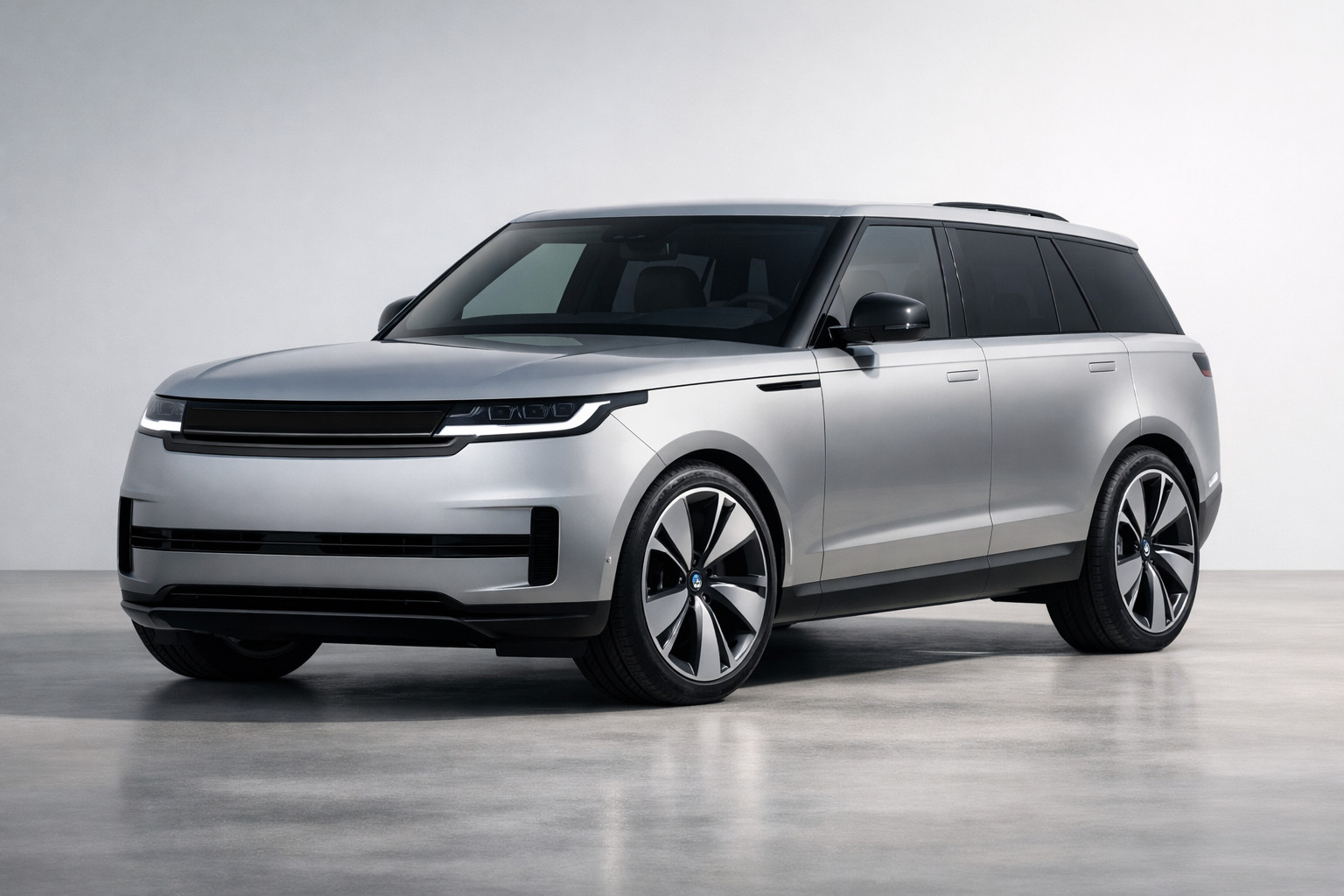
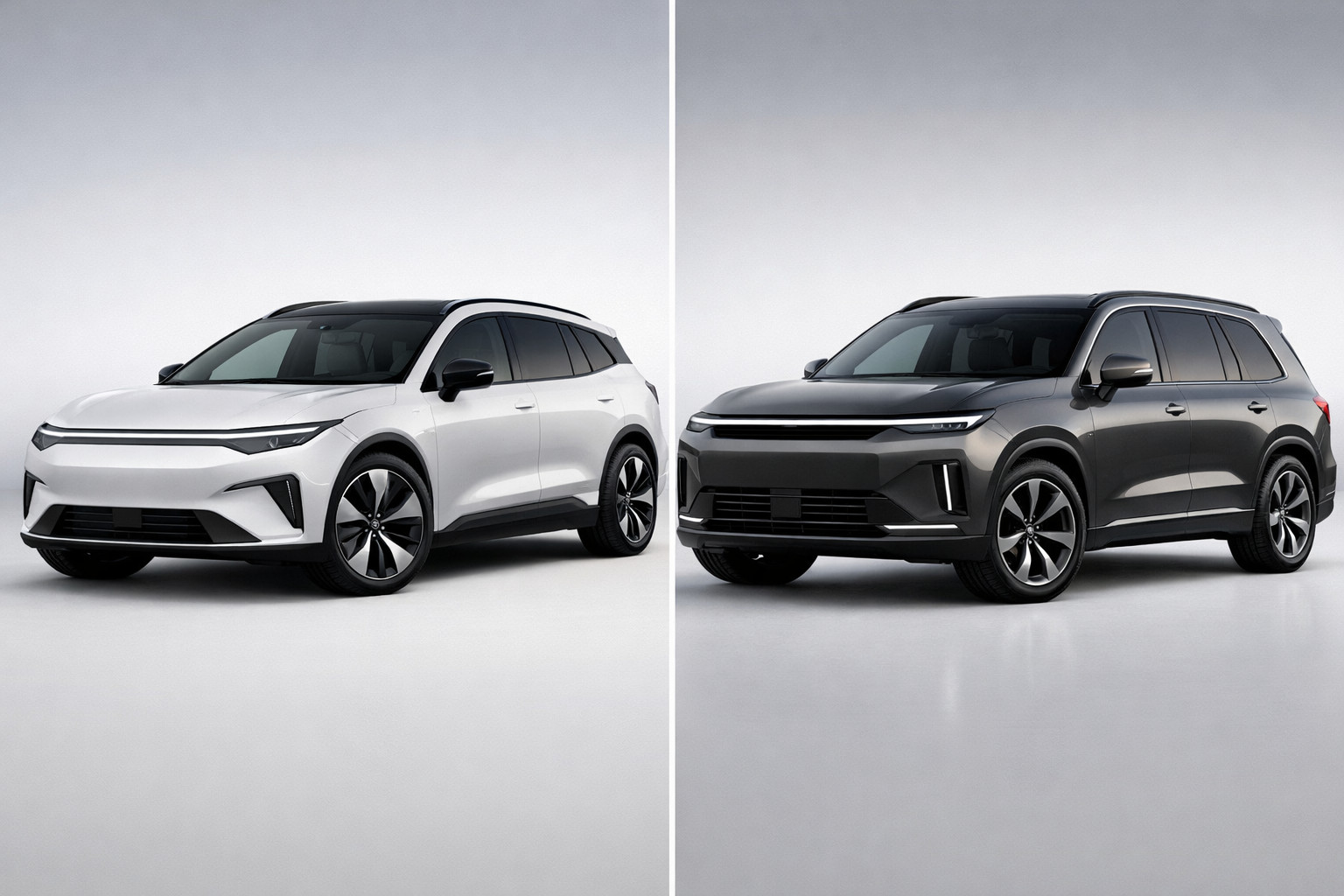
In short, Zeekr 9X is better for someone who wants maximum tech: a 900-volt architecture, very fast charging, sharper chassis responses, and a distinctly driver-focused character. Li Auto L9 2026 is stronger where silence, space, family comfort, and calm everyday use matter most.
The biggest mistake with this pair is looking only at horsepower and the stated range. In reality, other things decide: which market the figures are quoted for, how quiet the cabin is at highway speed, what the new model’s long-term durability looks like, whether there’s proper localization for your market, and whether you’ll face unnecessary hassles with service and retrofits.
What the choice is really about
Zeekr 9X and Li Auto L9 2026 are formally in the same class, but they sell different kinds of value. Zeekr wins with engineering: nearly 900 hp, fast charging, rear-wheel steering, a more complex chassis, and more sense of control in a big vehicle. Li Auto wins with everyday usability: a large cabin, excellent acoustic comfort, a strong second row, family-focused features, and a calmer character on long trips.
So there’s no universal winner here. If you mostly drive yourself, love technology, and want a big crossover that doesn’t feel sluggish, the logic points to the 9X. If the car more often serves family, passengers, and highway miles, the L9 2026 looks more convincing.
What criteria you should compare by
- Noise and comfort on the move. This is one of the main separators. The 9X is more often praised for handling and stability, while the L9 is praised for cabin quietness and a softer way of dealing with bumps.
- Durability and model maturity. Both cars are new, but Li Auto already has a large L9 fleet, so the risk of a “raw” model is lower. With Zeekr 9X, long-term component life, wear, and software stability are only starting to build real statistics.
- Practicality. You need to look not only at body length, but also at the second row, microclimate, cargo layout, passenger comfort, and behavior on the highway and in the city.
- Price and price transparency. Li Auto has clear official pricing by version. For Zeekr, it’s worth уточнювати the retail price separately for your specific market and trim.
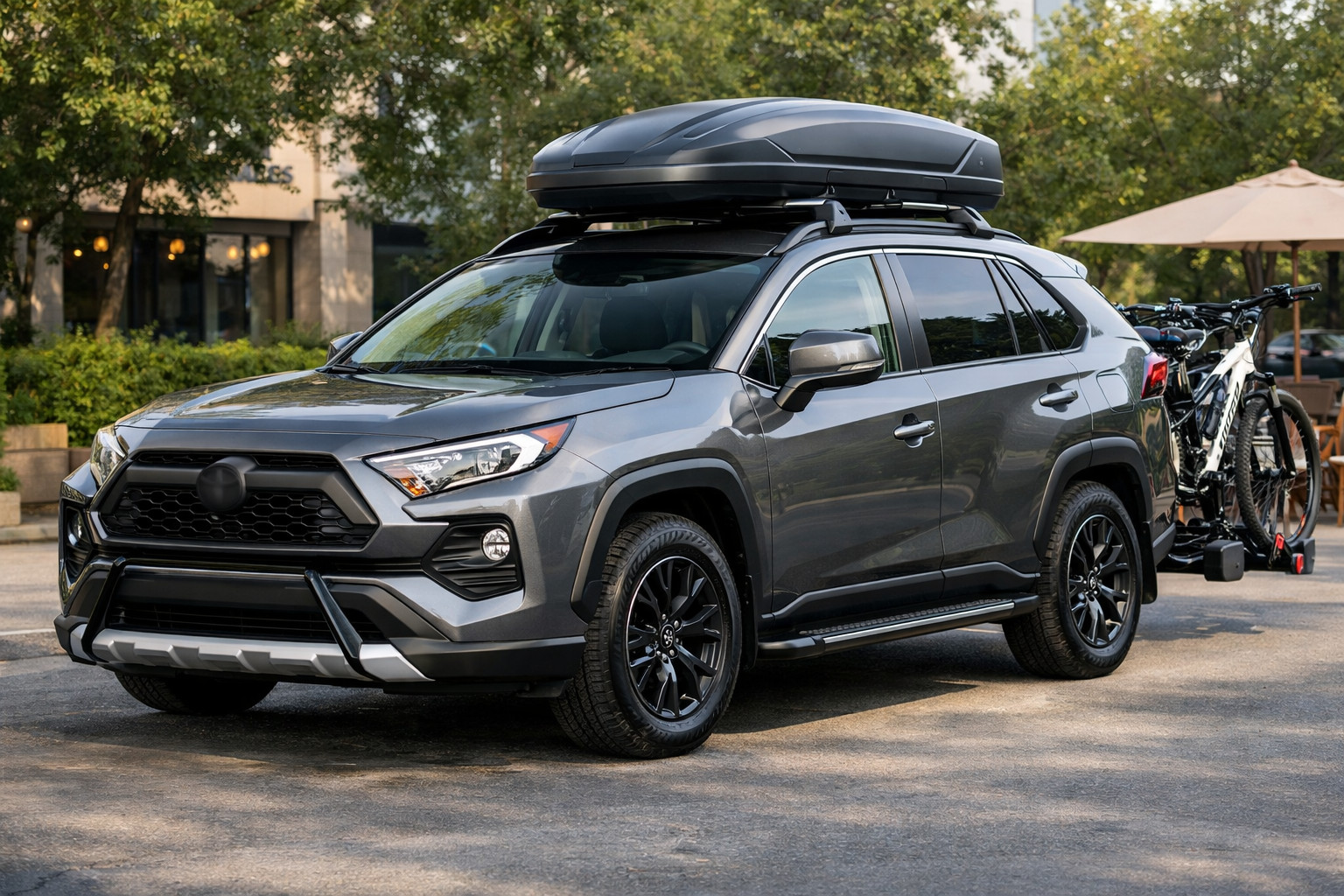
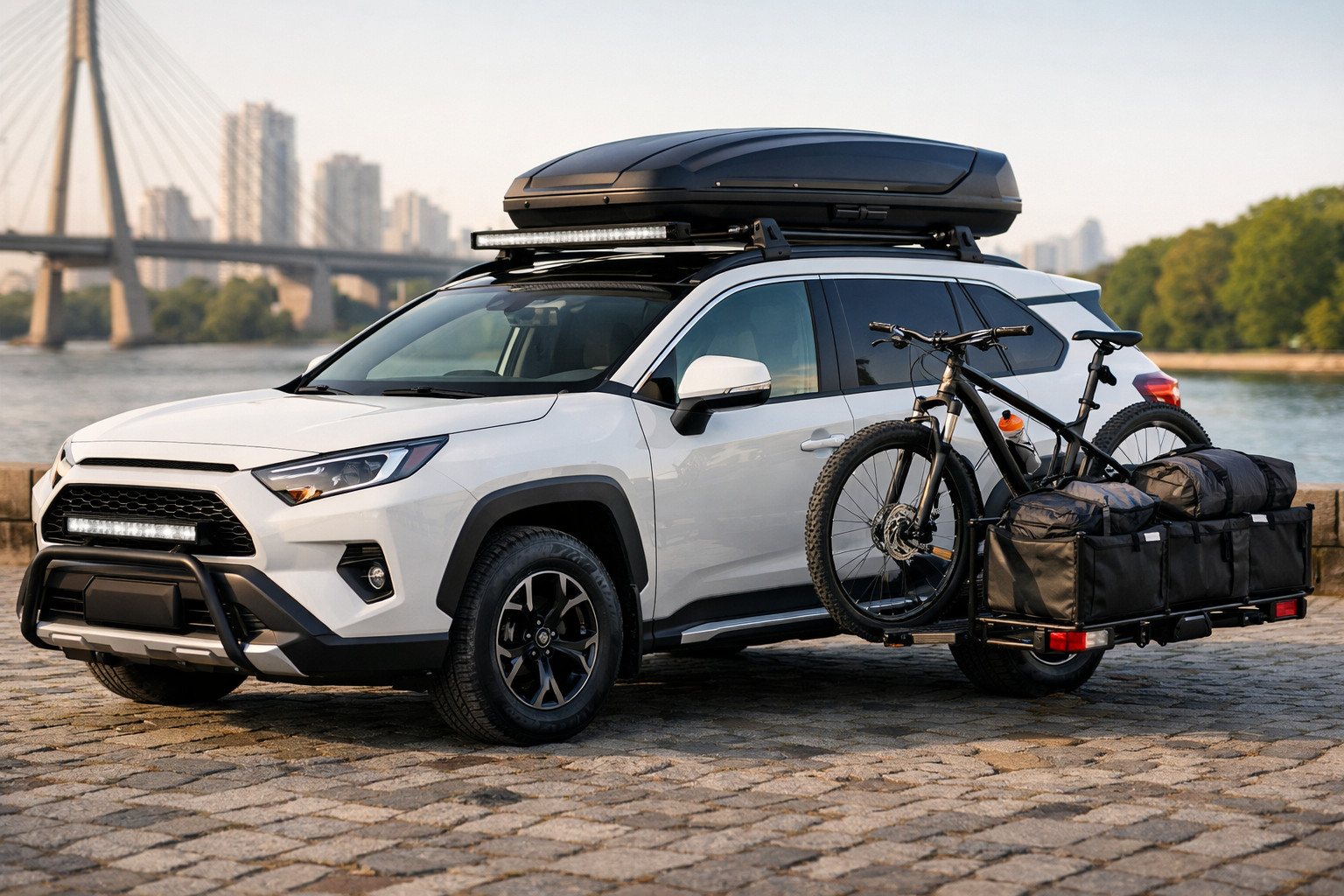
- Installation and retrofits. If you plan a roof/cargo system, interior protection, or other accessories, what matters is not only the body shape, but also real model support, equipment compatibility, and the availability of localization.
- Charging and real-world range. For both brands, range figures vary by market and test cycle. Compare not the presentation maximum, but real suitability for your route.
Quick comparison of the options (table)
| Option | Strengths | Weaknesses | Who it’s for |
|---|---|---|---|
| Zeekr 9X | Very high power, 900 V, fast charging, rear-wheel steering, longer wheelbase, strong modes for different terrain and rough roads | The model is very fresh, long-term durability hasn’t been broadly proven yet, on large wheels there may be complaints about tire and wind noise, pricing is less transparent | For those who want a tech flagship with a driver-focused character and are ready to accept the newness of the model |
| Li Auto L9 2026 | Very strong acoustic comfort, a great family cabin, well-thought-out passenger options, clear versions, a better market track record for the model | Less emphasis on driver excitement, not everyone needs to overpay for the complex chassis of top versions, long-term feedback specifically on the 2026 generation is still accumulating | For families, those who often drive on the highway, and buyers who want a calm premium flagship for everyday use |
Detailed breakdown of each option
Zeekr 9X
The 9X’s strength isn’t just its stated power, but the entire architecture built around it. It’s a large crossover that tries not to lose a sense of precision: all-wheel drive, rear-wheel steering, complex air suspension, very fast charging, and a set of modes for different road conditions. If it matters to you that the car feels tight and composed rather than simply soft, that’s a serious argument.
The 9X also has practical advantages: official European localization, adaptation to local conditions, a long warranty when serviced officially, and a strong set of cabin equipment. But you should buy it with your eyes open. The model is new, so the long-term durability of the air suspension, electronics, and the stability of small calibrations hasn’t been tested the way it has for long-established flagships.
A separate point is noise. Early feedback praises the 9X for handling, but on large wheels people sometimes mention tire and wind noise. This isn’t a verdict for every car, because a lot depends on the tires and the exact trim, but for anyone who does a lot of highway driving it’s a must-check during a test drive.
Li Auto L9 2026
The L9 2026 bets on a different type of premium feel: not sporty delivery, but calmness. Here, cabin quietness, ride smoothness, a large second row, a fridge, multi-zone climate, and the overall logic of a family car stand out more. For long trips, this is often more important than acceleration and demonstrative tech.
Another plus for the L9 is the model’s more mature track record. The brand already has a large L9 fleet, which usually means fewer surprises in everyday ownership. For a buyer who doesn’t want to be an early tester of a new product, that’s a real argument. On top of that, the L9 has officially announced pricing by version, making it easier to understand what exactly you’re paying extra for.
The L9’s weak point isn’t that it drives badly, but that it engages the driver less. If you expect sharp responses from a flagship and want to feel the chassis complexity through the wheel, Zeekr may seem more interesting. You should also keep in mind the service logic of the range extender: it’s not a critical downside, but it should be factored into the ownership schedule from the start.
Which option is better for different scenarios
For the “city + highway + family” scenario, Li Auto L9 2026 looks more logical. It sells passengers quietness, space, and calm, and gives the owner a more predictable day-to-day experience.
For the “image + technology + driving” scenario, Zeekr 9X is stronger. It’s more appealing to those who want a big crossover to deliver not only softness, but also reactions—and who will actually use the fast charging and the more complex chassis.
For rough roads, winter, and mixed terrain, the 9X looks more convincing. For chauffeur-style or semi-executive use where the passenger is the priority, the safer choice is the L9, because cabin quietness and passenger comfort are a higher priority there.
Use-case scenarios and what to choose (table)
| Scenario | What to choose | Why |
|---|---|---|
| Family, kids, frequent long trips | Li Auto L9 2026 | Quieter character, strong second row, more everyday comfort for passengers |
| The driver likes to drive | Zeekr 9X | A more pronounced focus on chassis tuning, rear-wheel steering, and fast energy delivery |
| Bad roads, winter, mixed terrain | Zeekr 9X | More drive/terrain modes, a stronger claim to all-road versatility |
| Chauffeur mode or passenger-first priority | Li Auto L9 2026 | Better tuned for quietness, smoothness, and cabin comfort |
| Want less risk from a “raw” new model | Li Auto L9 2026 | The model has more market history and a clearer everyday ownership logic |
| Want maximum technical wow-effect | Zeekr 9X | 900-volt architecture, very fast charging, and a more distinctly engineering-driven character |
Typical mistakes when choosing
- Looking only at range. For these cars, official figures depend on the market and measurement cycle, so a direct comparison without clarifying conditions is misleading.
- Ignoring highway noise. For daily driving, the difference in cabin quietness is often more important than screens and power. For the 9X, this must be checked especially carefully.
- Confusing newness with a better purchase. The newest tech doesn’t always mean the easiest ownership experience. You need to think about service, updates, and small unfinished details.
- Not accounting for installation and retrofits. If you need roof rails, cargo solutions, interior protection, or other everyday items, it’s better to verify this before purchase, not after.
- Comparing only the list price. In this class, what makes the difference is localization, warranty, charging compatibility, service, and version clarity—not just the price tag and the battery.
When a more expensive choice makes sense
Paying extra is justified only when you’ll definitely use the car’s strengths. For Zeekr 9X, that’s faster charging, a more complex chassis, and a more pronounced driver-focused character. For Li Auto L9 2026, it’s quietness, passenger comfort, and calm everyday use without the urge to constantly “play” with the tech.
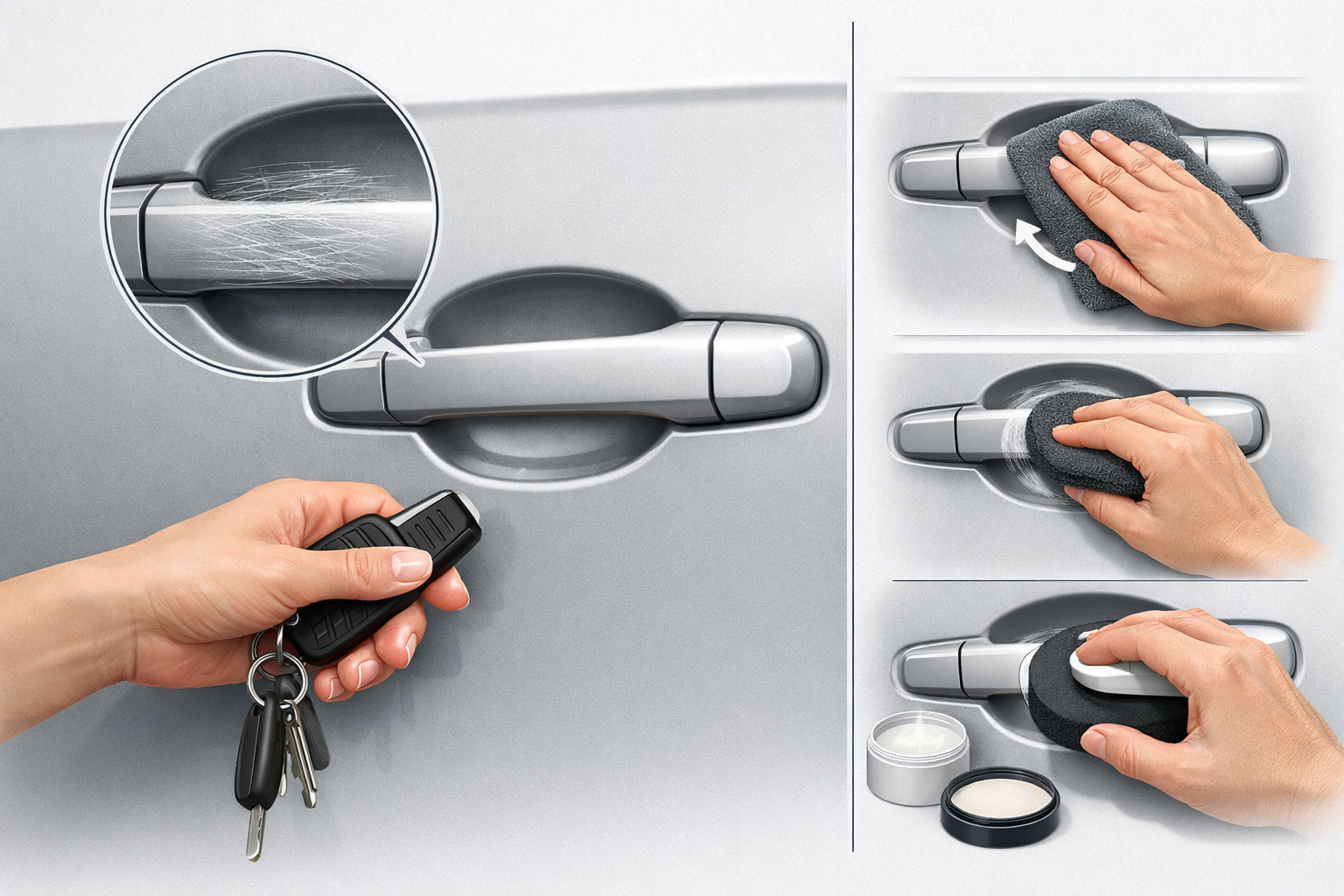
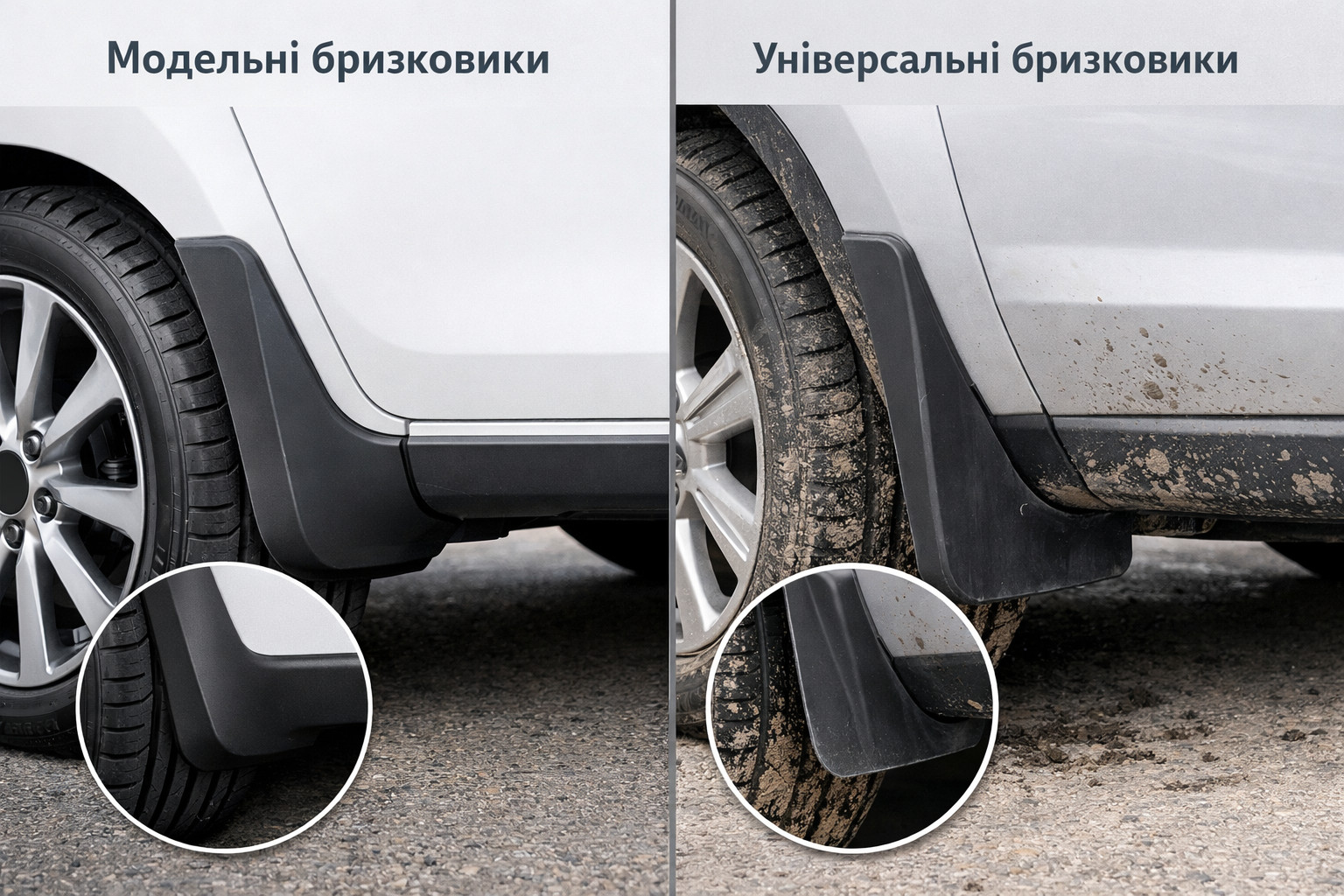
There’s also a second layer of spending that makes sense in this class: taking care of basic everyday needs right after purchase. If the car is expensive, it’s reasonable not to skimp on things that affect convenience every day: you can look at accessories for Zeekr, solutions for Li Auto L9, or a general selection for Chinese electric cars. This is the case where the more expensive solution is justified not by status, but by less day-to-day friction in regular use.
Conclusion
Zeekr 9X wins where you need engineering, charging, character, and better driver return. Li Auto L9 2026 is stronger where the priorities are family, quietness, long trips, and everyday predictability. Remember a simple thing: in this pair, you can’t choose by a single number. For the 9X, the chassis, noise levels, and model maturity are critical; for the L9, it’s whether you truly need its comfort advantages—and whether you’ll use them every day.
Pros and cons
Zeekr 9X has a 900-volt architecture and very fast charging, so it is more practical for those who often drive long distances and do not want to spend a long time charging.
It has a more pronounced driver-oriented character: rear-wheel steering, a more complex chassis, and more precise behavior make the large SUV more interesting to drive.
The model looks better for bad roads and mixed terrain thanks to its range of driving modes and its focus on versatility.
Li Auto L9 2026 is strong in everyday family use: a quieter cabin, softer handling of bumps, and a strong second row make it more comfortable for passengers.
The L9 has a more mature market history, so it feels less like a raw experiment, and the official prices of the versions are clearer for the buyer.
Zeekr 9X is a very new model, so the long-term durability of the air suspension, electronics, and stability of minor settings have not yet been widely confirmed.
With the large wheels on the 9X, there may be remarks about tire and wind noise, so this should be checked separately for frequent highway trips.
The Li Auto L9 2026 has less excitement behind the wheel, and those who want sharp reactions and a more felt chassis may find it too calm.
For the L9, long-term feedback specifically on the 2026 generation is still only accumulating, so there is not yet a full picture of the new version.