02.09.2026
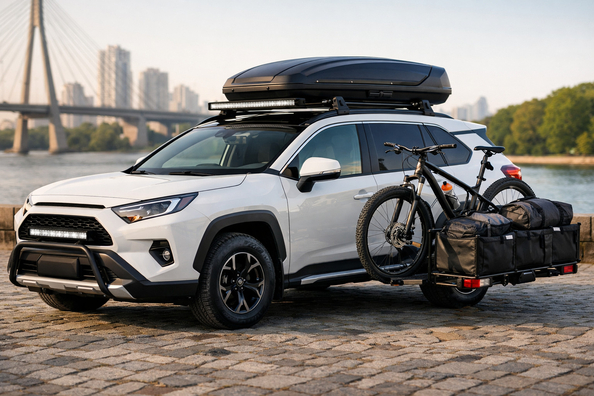
This is a starter upgrade for a Suzuki Across owner who drives around the city every day and regularly heads out on long trips for vacation, business travel, or weekends away. There’s no need to “dial up” the power: the Across already has plenty of pull and equipment, and the main goal of the upgrade is to preserve the interior and bodywork, simplify daily use, and properly prepare the car for the season and the highway.
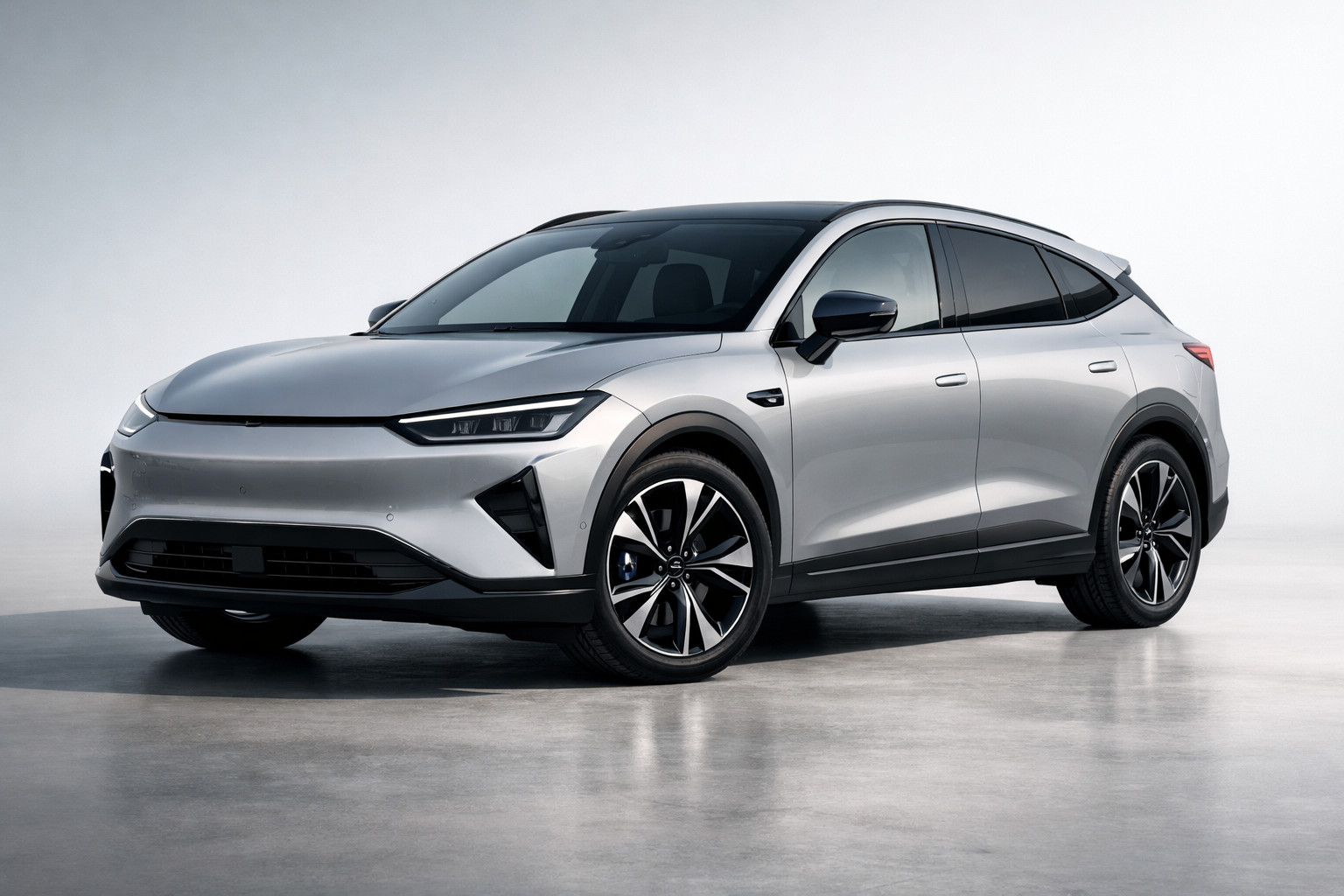
This model already has a strong foundation: a plug-in hybrid, all-wheel drive, a 360° camera, parking sensors, heated options, wireless charging, USB-C, and a power tailgate. So the first money is better spent not on duplicating factory features, but on practical add-ons that genuinely reduce wear and make trips easier.
For the “city plus long-distance” scenario, the upgrade should cover four things: dirt and moisture in the cabin, everyday-use scratches on the bodywork, order in the trunk, and seasonal readiness. The Across, with its 309 hp and quick acceleration, doesn’t suffer from a lack of performance, so the bottleneck here isn’t the engine but small бытовой wear that builds up in parking lots, yards, on the highway, and while loading gear.
A separate point is not to duplicate what’s already factory-fitted. If the car already has cameras, assistants, heated features, and decent multimedia, retrofitting just for the sake of retrofitting quickly turns into unnecessary spending.
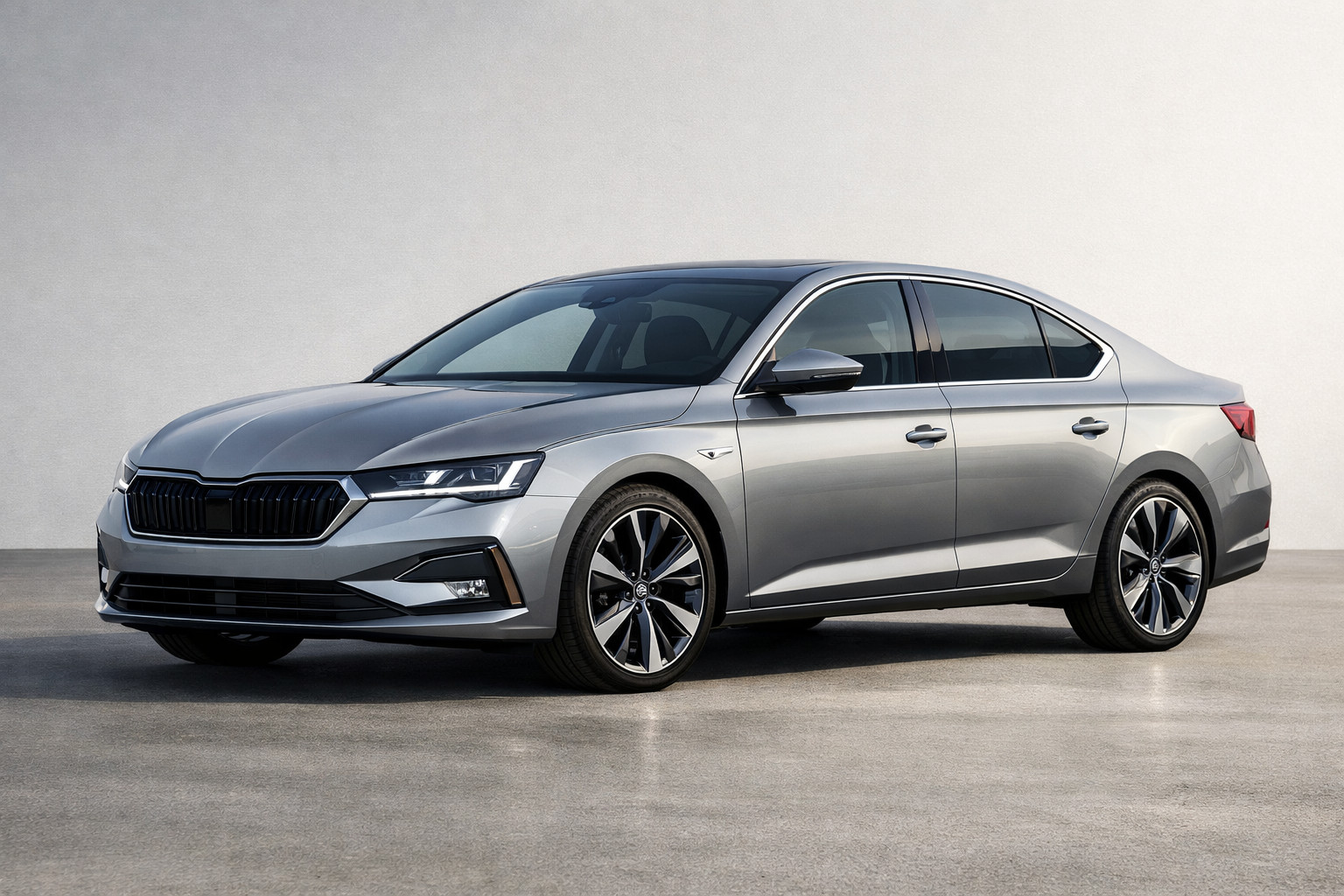
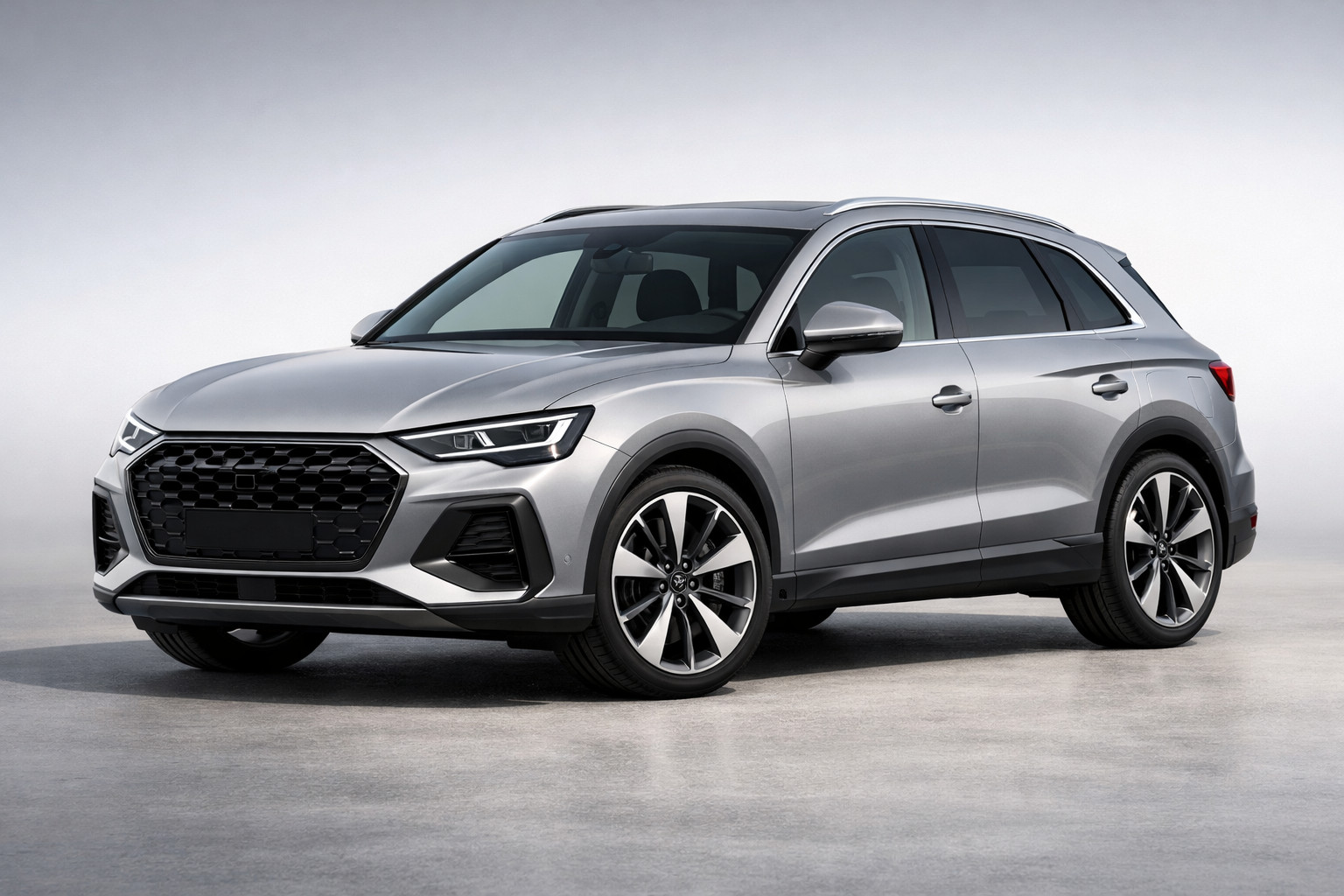
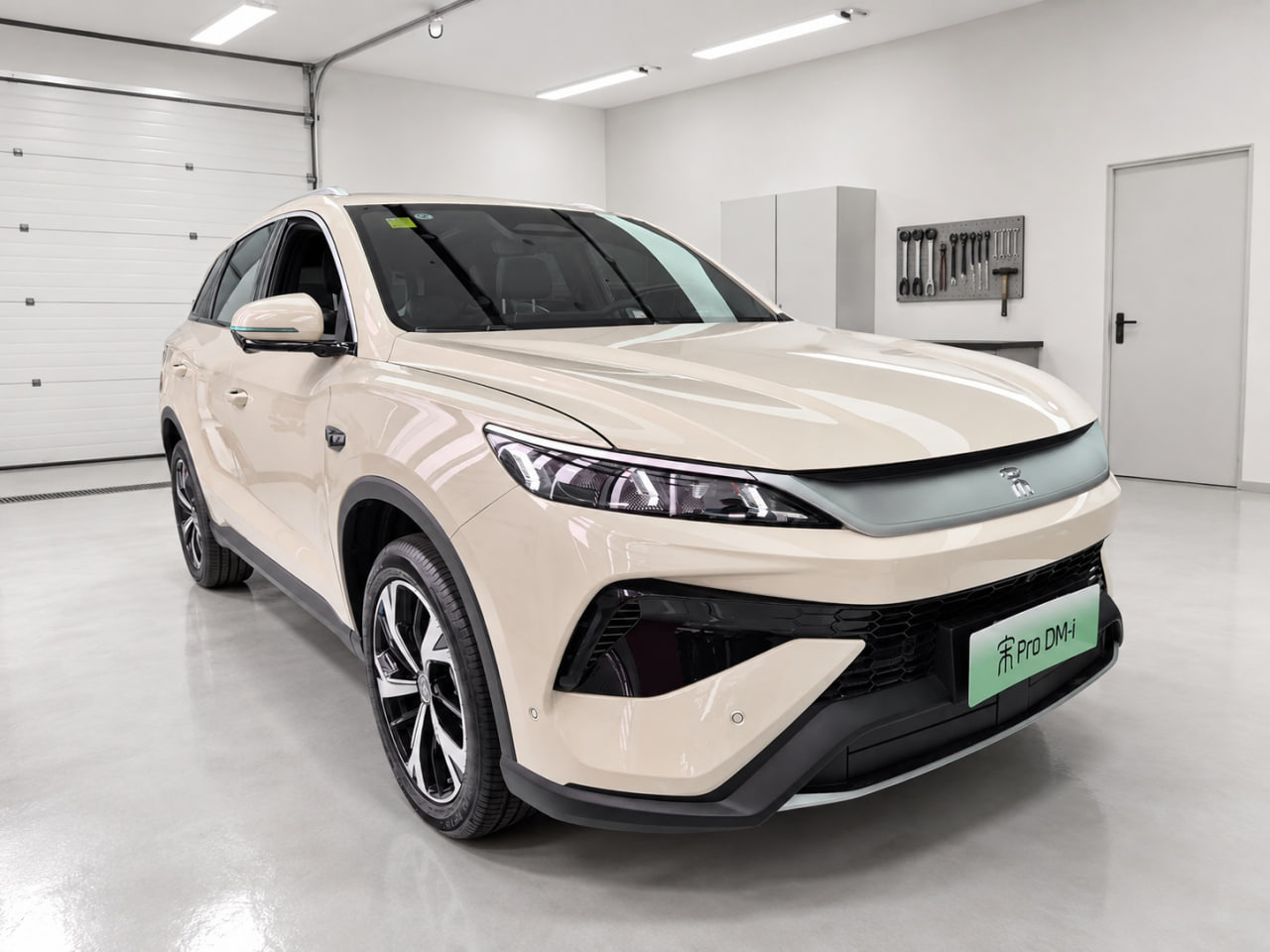
If you want to quickly check what the car already has from the factory, it’s convenient to start with the Across trim overview. For long trips, it’s also worth thinking right away about a roof rack—but only after you’ve covered the basics of interior and body protection.
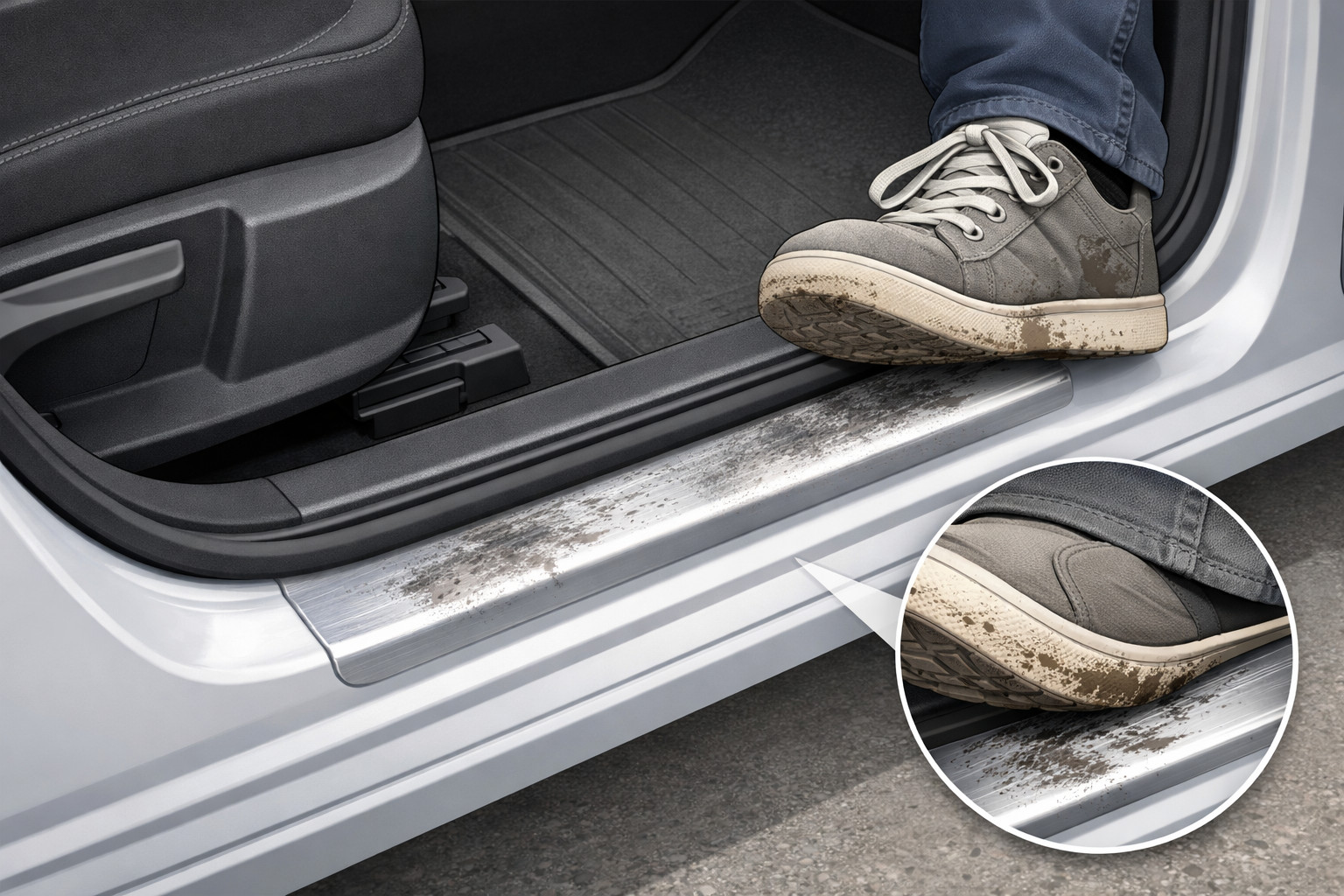
Start with what takes the daily hit: rubber floor mats for the cabin, a trunk mat, seatback protectors, film or a cover for the top of the rear bumper, door edge protection, and mud flaps. These are the fastest to pay back, because they protect you from scuffs, moisture, salt, and dirt before the first visible damage appears.
If the car often drives in a wet, cold, or snowy region, a winter wheel set can move from second priority to first. But for the Across, checking by VIN and model year is important: accessories, wheels, cargo solutions, and a tow bar shouldn’t be bought just by the model name, because there are differences between years and markets.
| Upgrade | Why it’s needed | Who it truly benefits |
|---|---|---|
| Rubber floor mats for the cabin | Contain water, snow, and dirt; easier to wash | Everyone who drives daily, especially in autumn and winter |
| Trunk mat | Protects the floor from bags, wheels, kids’ items, and moisture | Those who often carry groceries, suitcases, gear |
| Seatback protectors | Prevents scratching the seatbacks when folding and loading | Those who use the trunk to the max |
| Rear bumper protection | Saves the bumper edge from scratches during loading | Everyone who often loads heavy or bulky items |
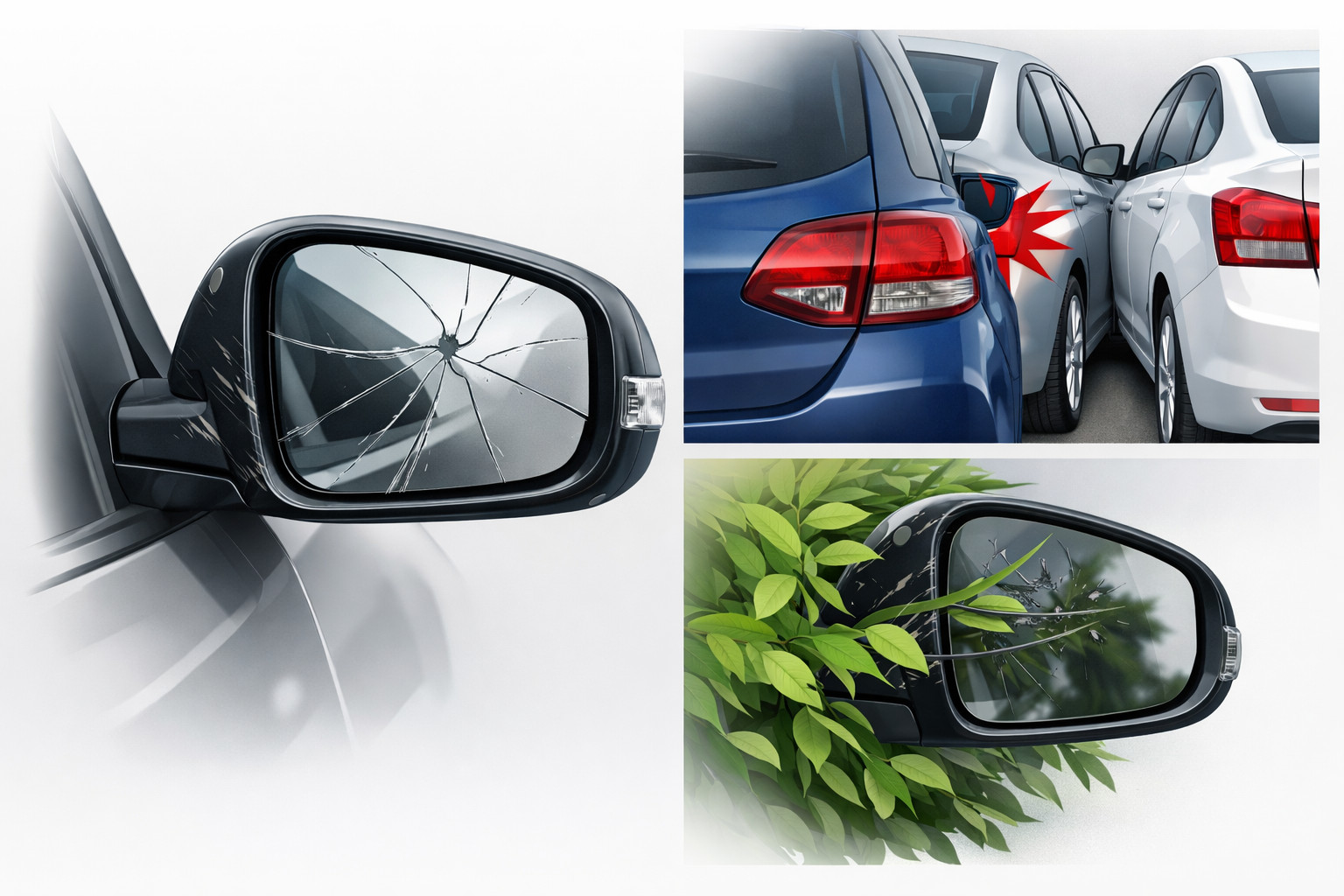
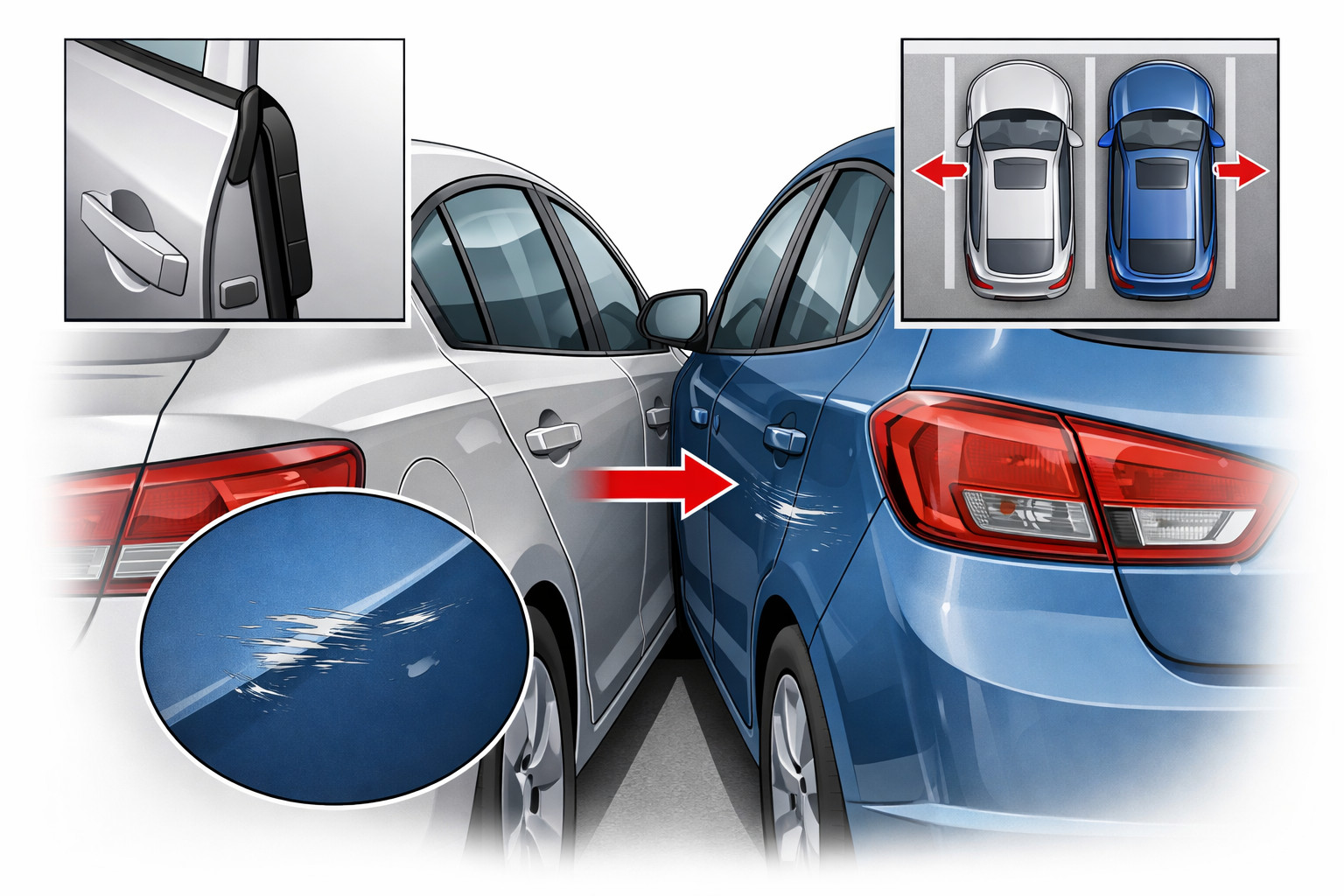
| Door edge and handle protection | Reduces small chips and parking marks | City drivers who often park in tight spots |
| Mud flaps | Less dirt on sills and sides; cleaner bodywork | Those who drive a lot on highways and in shoulder seasons |
| Winter wheel set with TPMS | Fast seasonal changeover without compromising safety | Regions with a consistent winter, mountains, wet climate |
| Dash cam | Records minor city incidents and parking situations | Those who drive a lot in the city and leave the car outside |
DD Tuning expert comment: the most common mistake with the Across is ordering mats, a trunk tray, or a tow bar by model name only, without VIN and model year. Another typical story is buying nice wheels or side steps before protecting the interior and bodywork, and then spending extra on the bumper, doors, and trunk. For a PHEV crossover like this, the right order is simple: first what takes the wear, then seasonal and expensive upgrades.
The second stage is items you can live without, but that make the car more convenient in real use: a compact dash cam, cargo nets or trunk organization, a case for the charging cable, wheel locks, and extra tire pressure sensors if you have a separate winter set. This isn’t critical protection, but it’s a solid addition for daily use.
A tow bar also belongs here, not in the starter basket. It’s worth installing only when you actually tow a trailer, carry a bike platform, or haul heavy external cargo—and only after checking the allowable loads specifically for your car.
If you need a separate seasonal wheel set, it makes sense to check compatibility in advance with roof rails and other exterior elements, so you don’t buy something that will later get in the way in everyday use.
Silver side steps, decorative trim, expensive wheels just for the look, and similar items should be last priority. They may be visually appealing, but for city driving and long trips they don’t deliver the same effect as a basic interior and body protection set. A roof box is the exception: it’s justified if family trips truly run into a lack of space, not just a desire for “outdoor tourism” styling.
Most often, people waste money on universal mats with poor fit, duplicates of factory parking systems, a tow bar “just in case,” and accessories from older Across versions without checking compatibility. Another common overpay is installing expensive decorative items first and only then remembering about a dirty trunk, a scratched bumper, and seasonal wheels.
| Install first | Can be postponed | Not required |
|---|---|---|
|
|
|
More expensive solutions make sense only after you’ve already covered basic protection and understood the real load on the car. Before buying, it’s useful to double-check what exactly the Across already has from the factory via the Across trim overview: people often buy what the car already covers from the factory.
For regular family trips, it makes sense to look at a roof rack and compatibility with roof rails. If you want to maximize electric mode in the city, a pricier but truly useful investment is a home AC charger; if you need a trailer or a bike carrier, then a tow bar with an electrical kit is justified—but only after checking loads and VIN-based compatibility.
From a customer’s experience: an Across owner initially wanted to start with roof rails and a roof box because he was planning long trips. After selection, it turned out differently: first he installed interior, bumper, and door protection, and before winter he bought a separate wheel set with sensors. A few months later, this order proved to be the right one: the bodywork and trunk didn’t get scuffed, and he bought the expensive exterior items only when there was a real need.
For the Suzuki Across in the “city and long trips” scenario, the smartest starter upgrade isn’t about power—it’s about the car’s longevity and everyday usability. Start with interior and body protection, then seasonal items, a dash cam, and trunk organization, and only after that a tow bar, a roof box, or decorative add-ons. This approach filters out marketing fluff and helps you avoid paying twice.
| ✔ | Rubber floor mats, a trunk mat, and seat back protectors really reduce everyday interior wear. This is especially useful in the city, where dirt, moisture, and frequent loading build up quickly. |
| ✔ | Rear bumper protection, door edge and handle guards, and mud flaps cover the most vulnerable parts of the body. Such upgrades help avoid minor scratches, chips, and marks from tight parking spots. |
| ✔ | A winter wheel set with TPMS provides proper seasonal readiness without compromising safety. It is a practical solution for regions with snow, wet climates, or frequent winter trips. |
| ✔ | A dash cam is especially useful in city driving, as it records minor accidents and parking incidents. It does not duplicate factory systems and adds evidence in disputed situations. |
| ✔ | A well-planned upgrade order reduces the risk of unnecessary spending: first protection, then seasonal items, and only after that expensive accessories. For an owner who drives both in the city and over long distances, this is a more practical approach than installing decorative options first. |
| ✘ | Some useful items depend on checking the VIN and model year, because the Across has differences between markets and generations. If you do not do this, it is easy to buy incompatible accessories. |
| ✘ | A tow hitch, roof box, and decorative elements do not provide noticeable benefits at the start if there is no specific use case for them. As a result, this can become just an unnecessary expense. |
| ✘ | The article explicitly notes that additions such as nets, trunk organization, wheel locks, or a second TPMS can be postponed. That is, not all elements of this upgrade are really needed right away. |
| ✘ | The set of exterior solutions can easily be overloaded with duplication of factory equipment, because the Across already has cameras, parking sensors, seat heating, and other basic functions. Because of this, there is a risk of spending money on what the vehicle already does as standard. |
Shipping to EU
Wholesale and retail
Own warehouse
Опис продукту
Подарунки не надаються при оформленні покупки у кредит під 0,01% або при покупці частинами.