07.06.2026
624
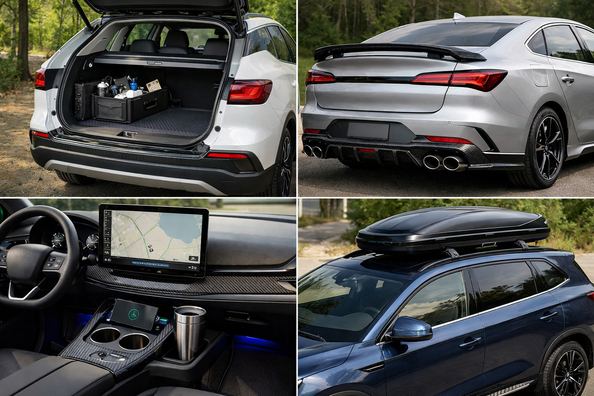

For an owner of BYD, Zeekr, Volkswagen ID models, or Geely, this upgrade plan is needed when the car is already used every day and you want to quickly solve everyday hassles without unnecessary spending. The scenario is simple: less dirt in the cabin and trunk, less fuss with charging gear, less overheating while parked, and no purchases “because everyone buys it.”
The best logic here isn’t to immediately grab a full list of accessories, but to sort them by priority. First install what takes daily moisture, sand, and load; then upgrades for your route; and only after that—comfort and cosmetic details. Before ordering, always verify the generation, body type, supply market, and steering wheel position.
The right upgrade for this group of EVs should address not some abstract “tuning,” but very specific tasks: protect the floor and trunk from everyday dirt, stop small items and charging cables from constantly rolling around the cabin, reduce discomfort from the sun, and avoid wasting the budget on decor that doesn’t change usability.
If you still haven’t solved home or on-the-go charging, this item jumps very high in priority. In everyday life, the difference between a slow household connection and a full, convenient charging kit is felt more than any decorative trim pieces.
For BYD, Zeekr, Volkswagen ID, and Geely, these items deliver the most noticeable effect for a reasonable budget. They don’t make the car look “more interesting” in photos, but they save time on cleaning every day and remove small annoyances from daily use.
| Upgrade | Why it’s needed | Who really benefits |
|---|---|---|
| Model-specific cabin mats | Keep water, sand, and dirt where they appear every day | Almost everyone, especially in winter, in the city, and with frequent short trips |
| Trunk mat or tray | Protects the trunk floor from moisture, bags, cables, and dirty cargo | Families, dog owners, those who carry charging gear, a stroller, or equipment |
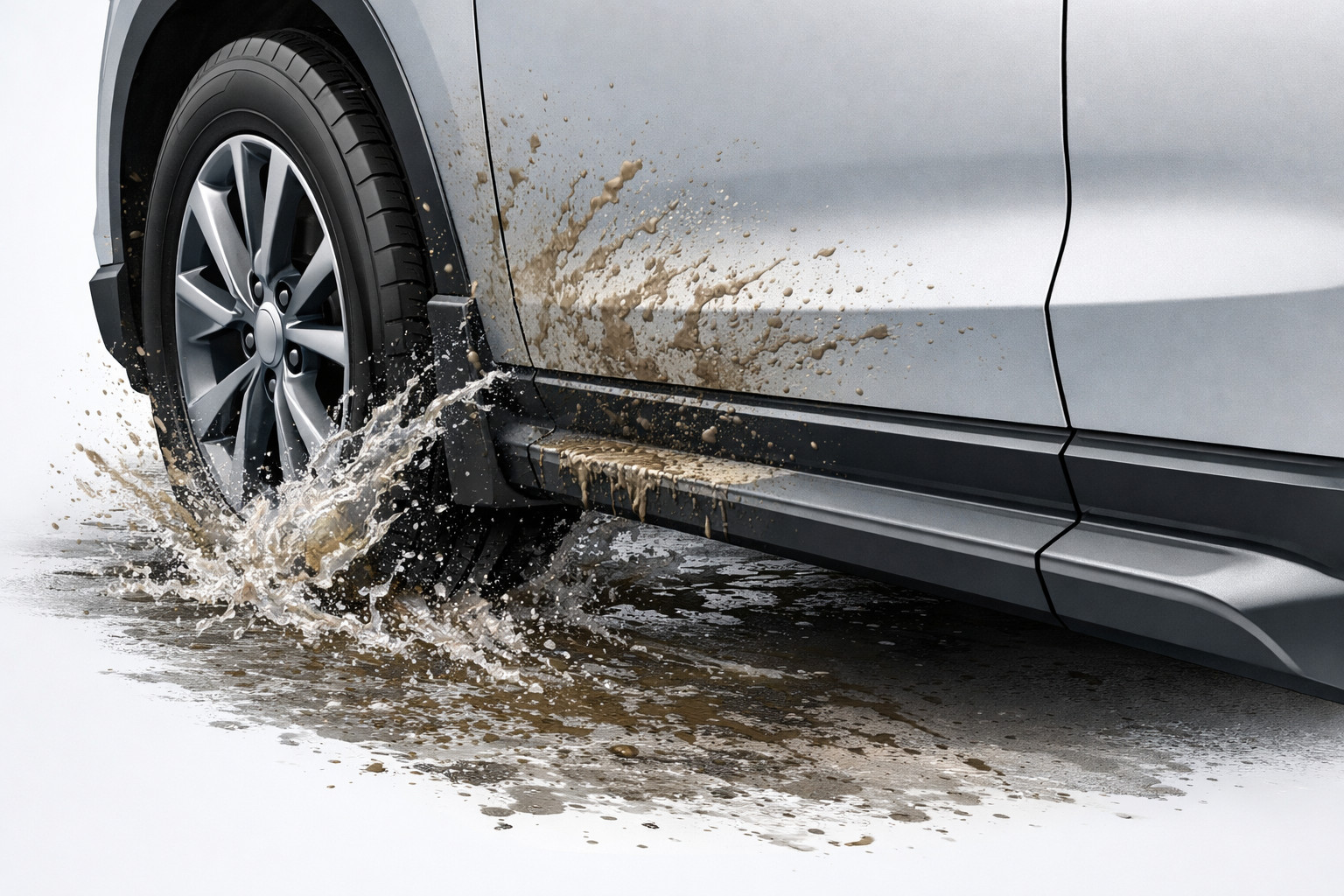
| Mud flaps | Reduce the amount of dirt and sand on the sills and lower body sides | Those who drive in rain, snow, on highways, or on poor roads |
| Interior sun protection | Heats the cabin less and makes daily entry easier in hot weather | Those who park outdoors or often leave the car in the sun |
| Charging cable or additional charging kit | Removes inconvenience with charging at home, at work, or on trips | Those who don’t have one stable charging location |
| Dash cam | Provides peace of mind in parking lots and in dense city traffic | Those who drive a lot in the city or often leave the car outdoors |
| Cargo cover or simple space organization | Hides belongings and removes clutter in the trunk | Those who constantly carry small cargo and don’t want it in plain sight |
DD Tuning expert comment: The most common mistake is buying a big accessory set right away without understanding where the car actually drives and what’s carried in it every day. The second typical story is universal mats, organizers, or cargo covers for an import version without checking the body type, generation, and steering wheel position. If the model came from another market, first verify the cabin and trunk geometry, and only then order upgrades.
The second stage starts when the basic protection is already installed and it’s clear what exactly annoys you in your routine. Here you can choose items not “for everyone,” but for your day-to-day needs.
This group includes things you can easily live without: window deflectors, seat covers, decorative trim pieces, some exterior elements, and sometimes pricier interior add-ons. They’re not useless by themselves, but their value depends heavily on taste, climate, and how many years you plan to drive this car.
It makes sense to consider such upgrades after a month of normal use. If during that time you never once missed a specific item, it’s likely not a priority, just the temptation to buy something extra.
Most often, money is wasted on things that don’t match the real scenario, or on items sold for visual effect. With EVs this is especially noticeable: the car is new, the interior is high-tech, and your hands reach for pretty details sooner than for useful ones.
A good filter is simple: if you can’t explain in one sentence what problem an accessory solves specifically in your car, it’s better to postpone it.
| Scenario | What to install first | What can be postponed | What’s optional |
|---|---|---|---|
| Daily city car | Cabin mats, trunk mat | Dash cam, cargo cover | Decorative trim pieces |
| Family, kids, dog | Cabin protection, trunk tray, mud flaps | Trunk organization, seat covers | Exterior decor |
| Heat and open parking | Sun protection, mats | Window deflectors | Screen protection as the first accessory |
| Long trips | Charging kit, trunk protection, basic cable organization | Dash cam, cargo cover | Interior decor |
| Active recreation and gear | Trunk mat, cabin protection | Roof rack | Roof rails or crossbars without real load |
Paying extra is justified not for a fancy name, but for precise fit, durability, and a real working scenario. In other words, it’s worth paying more where a cheap universal option either won’t fit properly or will quickly become annoying in daily use.
One more point—don’t calculate the budget only by the price of the accessory itself. For some higher-end solutions, you should budget for installation right away and not look at them until the basic practical needs are covered.
From a customer’s experience: Often, the owner of a new EV first looks at decorative details, and then comes back for mats, trunk protection, and mud flaps—because those are what start to annoy you in the first week. In the best-case scenario, the person bought a short practical set, solved the cable issue in the trunk, and postponed all decor for later. The satisfaction came not from a flashy look, but from the car becoming easier to care for and more convenient every day.
For BYD, Zeekr, Volkswagen ID, and Geely, a short and logical set of upgrades works best: start with mats, trunk protection, mud flaps, sun protection, and charging items tailored to your route. The second stage is accessories whose usefulness has already been confirmed by your real routine—not by someone else’s shopping lists.
This material is based on real selection experience, hands-on practice, and real usage scenarios. So the main idea is simple: first install what takes daily wear and hassle, then add upgrades for a specific driving style, and leave everything bought purely for looks for last—or don’t buy it at all.
| ✔ | Rich equipment already in mid-level trims: even without the top version, these cars often come with a large screen, modern assistants, and a solid set of everyday features. |
| ✔ | Electric drive works well in the city and when overtaking. The cars respond quickly to the accelerator pedal, so in daily driving they feel lively. |
| ✔ | In crossovers and larger models, the cabins are spacious and the floor is flat. This is convenient for families, carrying cargo, and everyday use. |
| ✔ | BYD and Geely often look attractive in terms of price-to-equipment ratio. For a buyer who is watching the budget, this is a practical argument. |
| ✔ | For popular models, it is easier to find accessories and interior protection. Floor mats, trim pieces, mud flaps, and cargo protection are easier to find than for less common versions. |
| ✘ | Equipment depends heavily on the market and the specific version. Because of this, it is easy to make a mistake with the trim if you look only at the model name. |
| ✘ | On the highway and in winter, range and energy consumption can differ noticeably from the official figures. For winter use, this is important to consider before buying. |
| ✘ | In many versions, everything is tied to the screen and menus, while there are few physical buttons. This is not always convenient for quick climate changes or other everyday actions. |
| ✘ | Cars from the Chinese market may use the GB/T standard, so compatibility with charging stations and adapters should be checked in advance. For those who charge only at public stations, this creates extra hassle. |
| ✘ | Resale value on the used market is still less predictable than that of familiar brands. This adds risk if you plan to resell it after a few years. |
Shipping to EU
Wholesale and retail
Own warehouse
Опис продукту
Подарунки не надаються при оформленні покупки у кредит під 0,01% або при покупці частинами.