30.07.2026
255
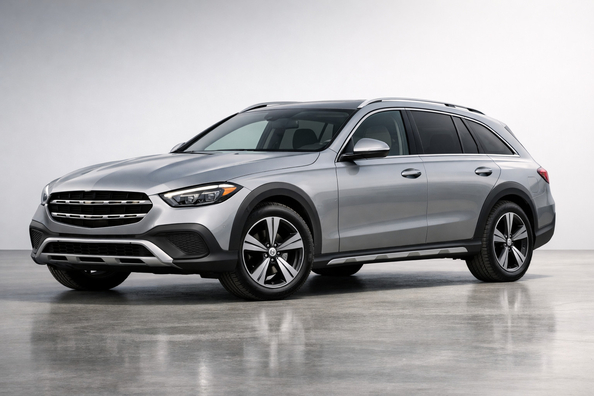
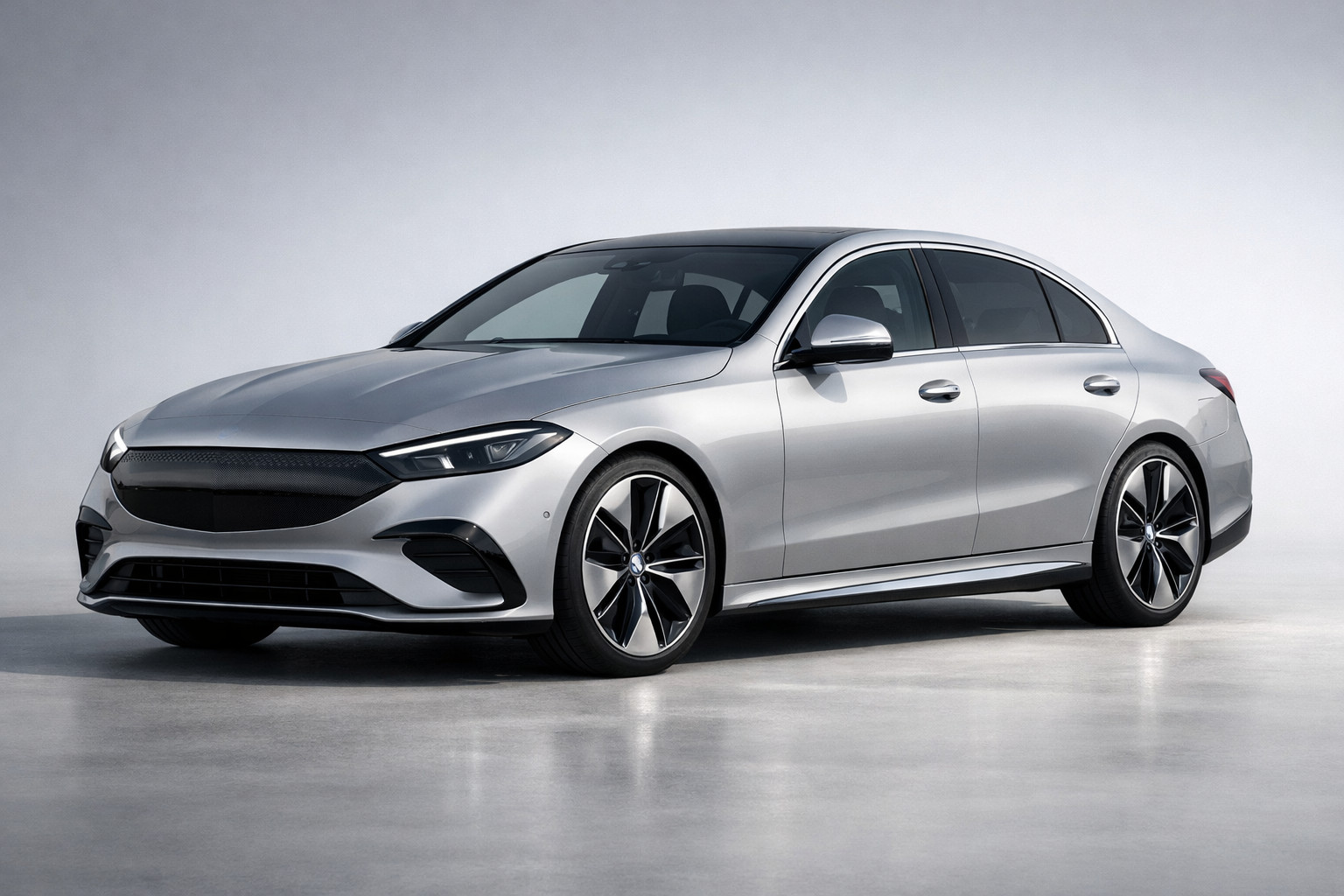
Mercedes-Benz C-Class All-Terrain is not a replacement for an SUV, but a raised wagon for those who need a proper trunk, all-wheel drive, and peace of mind on broken roads without switching to a heavy crossover format. Its idea is simple: keep the practicality of the C-Class Estate, add a bit of ground clearance, protective cladding around the perimeter, and electronics for light off-road use.
This model suits drivers who spend a lot of time on the highway, live outside the city, or regularly deal with snow, ruts, and gravel roads. If you need a high seating position, a much roomier second row, and true off-road capability, it makes more sense to look at crossovers.
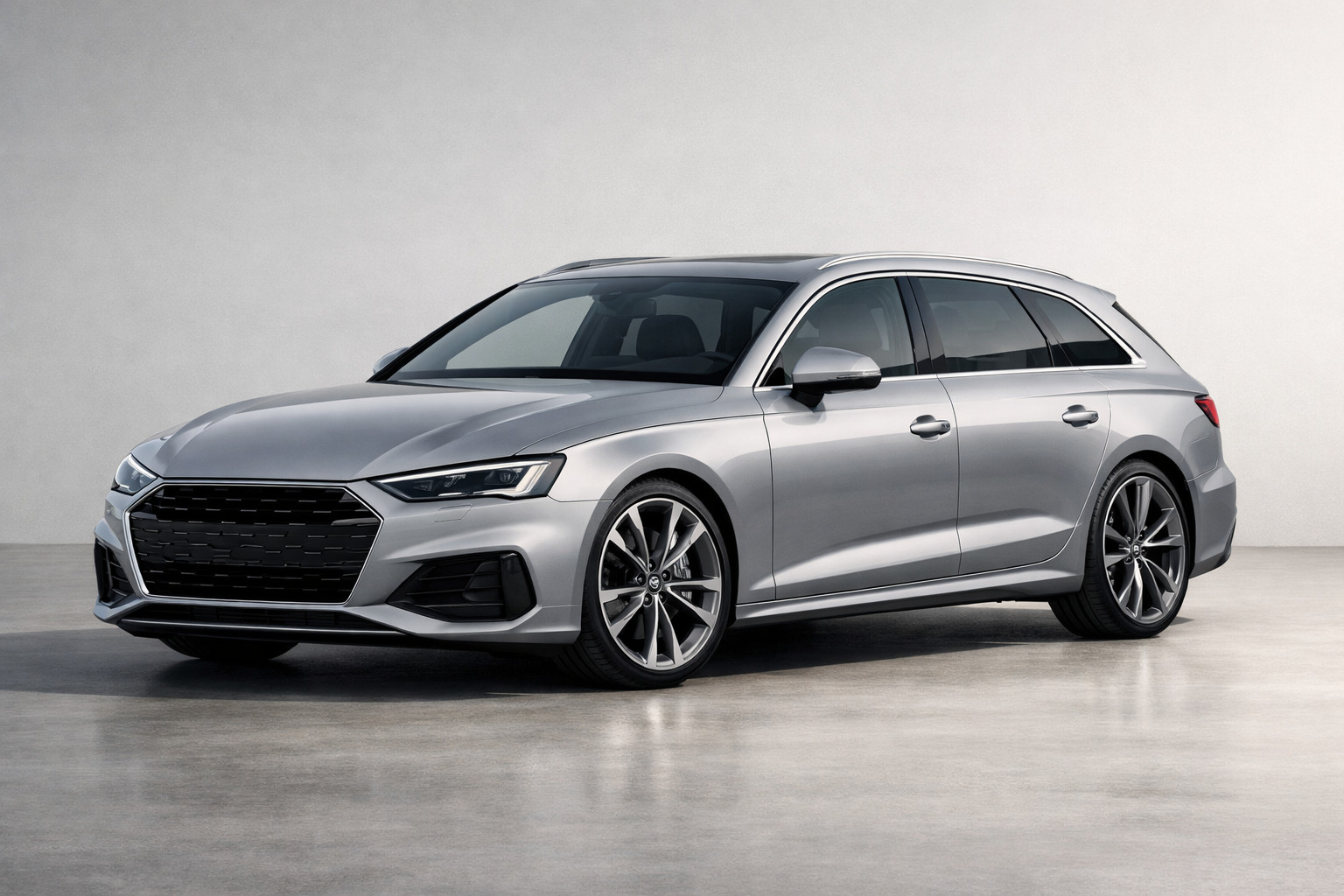
The C-Class All-Terrain sits in a niche between a regular wagon and a compact premium crossover. Its direct purpose is to retain car-like handling and quietness at speed, while not fearing shoulders, snowy courtyards, and country driveways. In character it’s closer to the Audi A4 allroad than to the GLC.
For many buyers, this is a rational choice: a lower center of gravity, less windage, easier loading, and running costs for tires and operation are usually more predictable than with a larger crossover in the same class.
The C-Class All-Terrain currently has only one generation. The model debuted in 2021 as part of the C-Class family in the W206 generation, and the wagon version carries the body index S206. In fact, it’s the first C-Class in this format: previously the lineup included sedans, coupes, convertibles, and regular wagons, but not a separate “off-road” modification.
Historically, it’s Mercedes-Benz’s response to demand from customers who like a wagon but don’t want to live with low ground clearance every day. That’s why the All-Terrain wasn’t created as a standalone model from scratch—it’s a revised wagon with changed suspension, body cladding, and electronic calibrations.
At launch, the model was offered with a limited but logical set of powertrains. The most common versions are the C 200 4MATIC with a 1.5 L turbo petrol engine producing 204 hp, and the C 220 d 4MATIC with a 2.0 L diesel producing 200 hp. Depending on the market, the range may differ, but these are the most typical All-Terrain configurations.
The gearbox is the 9-speed 9G-Tronic automatic, and the drivetrain is 4MATIC all-wheel drive. In real-world use, the petrol version is better for the city and short trips, while the diesel suits highway driving, daily mileage, and fully loaded travel. The choice here isn’t about performance for performance’s sake, but about your use case.
There’s only one body style here—a 5-door wagon. Compared with the standard S206, the All-Terrain has increased ground clearance, protective trims on the arches and bumpers, and different chassis tuning. The body is raised by about 40 mm, making it easier to live with on poor surfaces, but the geometry still remains passenger-car-like.
| Parameter | Value | What it means in practice |
|---|---|---|
| Years of production | since 2021 | first and currently the only generation |
| Platform | W206/S206 | technically a C-Class Estate with modifications |
| Body | wagon, 5 doors | easy access to the trunk |
| Length | about 4755 mm | a full-fledged mid-size class |
| Width | about 1820 mm | not narrow, yet still city-friendly |
| Height | about 1494 mm | lower than a crossover, easier on the highway |
| Wheelbase | 2865 mm | stability and a decent space reserve |
| Ground clearance | about 160 mm | enough for snow, gravel roads, and curbs |
| Trunk volume | 490 L | a strong point of the model |
| Transmission | 9G-Tronic, 4MATIC | all typical versions come with an automatic and AWD |
The suspension is tuned to avoid losing the main advantage of the C-Class—its composed behavior on asphalt. In other words, it’s not a car for deep ruts or rocky climbs, but a wagon that makes daily challenging conditions less stressful for the owner.
The interior largely mirrors the standard C-Class W206: a digital instrument cluster, a vertically oriented central display, plenty of electronics, and modern ergonomics. Up front it feels premium and tech-forward, but a lot of the impression depends on trim level, materials, and wheel size.
Ride comfort is one reason to choose the All-Terrain over a crossover. On the highway it’s quieter and calmer than many taller-bodied models. Safety is also at a good level: the W206 family offers a wide set of driver assists, but on used cars it’s important to check what’s actually installed rather than relying on generic catalog descriptions.
In the city, the All-Terrain is convenient because it feels like a passenger car, not a bulky crossover. Seating kids, loading items, or parking is easier than in a large SUV. On the highway it’s stable, doesn’t wear you down with noise, and doesn’t create the sensation of a heavy, tall body.
But there are nuances. Low-profile wheels on some trims reduce comfort over potholes. All-wheel drive, complex electronics, and expensive options mean you can’t really call this car economical. For the used market, it’s important to check the gearbox operation, suspension condition, body geometry, driver-assist sensors, and signs of use on the lower plastic cladding.
| Strengths | Weaknesses |
|---|---|
| A wagon with all-wheel drive and a practical trunk | Doesn’t replace a crossover in serious off-road conditions |
| Handling and stability are closer to a passenger car | High dependence on trim level and the condition of the electronics |
| The diesel version is well suited for long trips | The All-Terrain engine lineup is narrower than the standard C-Class |
| Ground clearance is enough for everyday bad roads | Tire, brake, and suspension costs may be an unpleasant surprise |
| The 490 L trunk is genuinely convenient for family use | The second row isn’t class-leading for tall passengers |
From an owner’s perspective, the main plus is that it covers many scenarios with one body style. The main downside is that you pay for that versatility, and the cost of a mistake when buying a used example is higher than with simpler mass-market wagons.
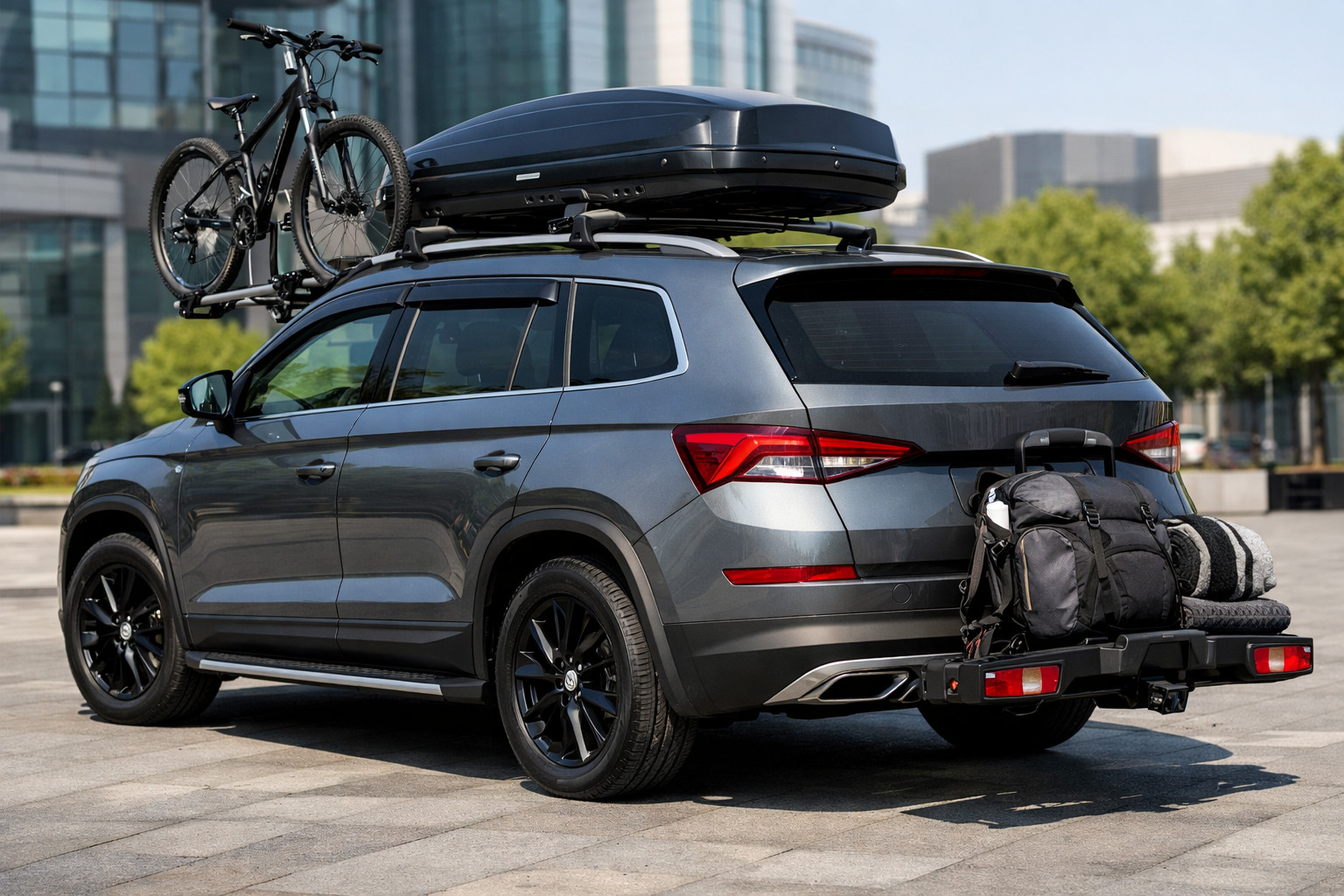
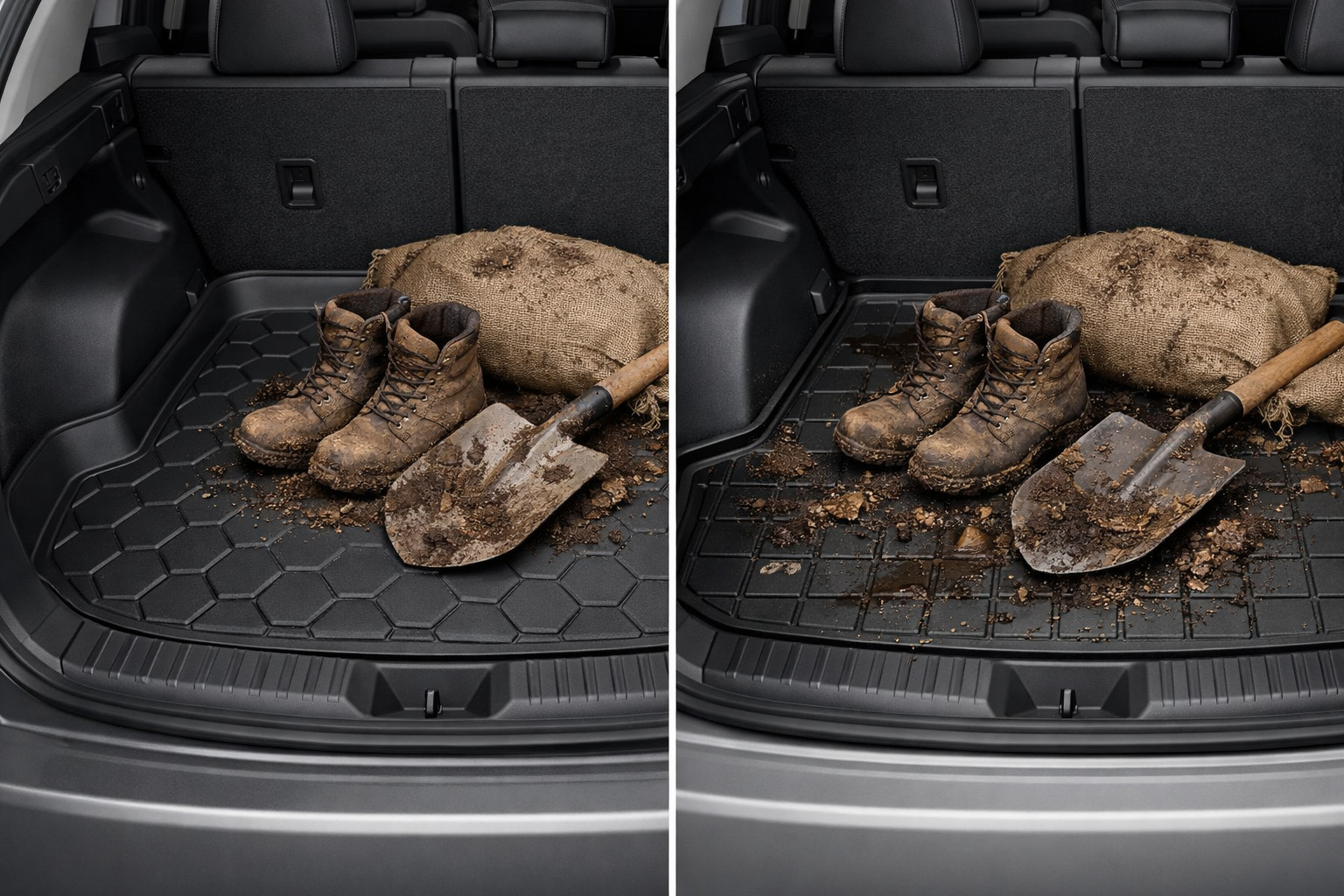
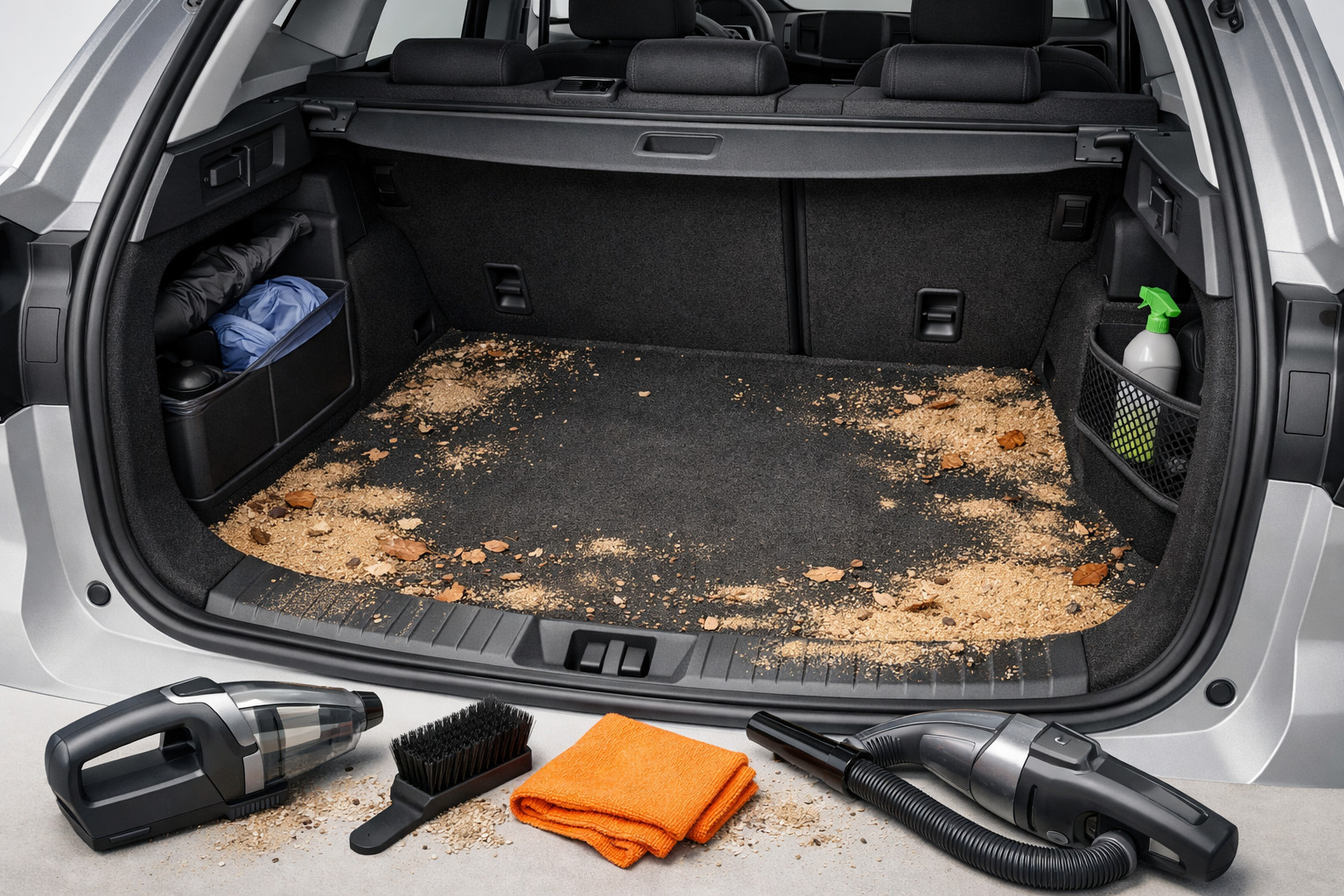
For the Mercedes-Benz C-Class All-Terrain, the most sensible direction is not decorative tuning, but protecting and preserving the interior and trunk. The point of this model is daily practicality, so floor mats, trunk floor protection, and well-thought-out cabin accessories bring more benefit than flashy add-ons.
An important nuance: the All-Terrain is based on the W206 wagon, so when selecting parts you should separately verify compatibility with the wagon body. Not every item from the C-Class sedan fits without reservations, especially when it comes to exterior parts.
Mercedes-Benz C-Class All-Terrain is a strong option for those who need one car for everything: city, highway, family trips, winter weather, and less-than-perfect roads. It’s not for people expecting crossover seating position and geometry, but it nails the brief of a practical premium all-wheel-drive wagon.
Looked at realistically, the main value of this model is the combination of handling, trunk space, and a sufficient reserve of capability for real life. This material is based on real selection experience, hands-on practice, and real use cases—not abstract marketing promises.
| ✔ | The versatile format with a 490-liter trunk and five-door body makes the car convenient for family trips, cargo, and everyday tasks. It is more practical than a sedan, and trunk access is easier. |
| ✔ | The 4MATIC all-wheel drive and increased ground clearance of about 40 mm help on snow, dirt roads, ruts, and everyday trips on bad roads. This is exactly the kind of case where the car handles tough conditions better without turning into a full-size crossover. |
| ✔ | On the highway, the C-Class All-Terrain feels closer to a passenger car: lower body, less wind resistance, and better high-speed stability. Because of this, it can be more comfortable and quieter than many tall SUVs. |
| ✔ | The engine lineup is sensibly matched to different scenarios: the petrol version is better suited to city driving, while the diesel is for long trips and regular mileage. This makes it easier to choose the right one for specific operating conditions. |
| ✔ | The cabin retains the modern C-Class ergonomics with a digital instrument cluster and a large center screen. For the driver, this means a clear driving position, up-to-date equipment, and the feel of a regular Mercedes passenger car. |
| ✘ | It is not a full-fledged crossover replacement: in serious off-road conditions, deep ruts, or rocky climbs, the model’s capabilities are no longer enough. Its strong point is bad roads, not real off-road ability. |
| ✘ | The rear seat is not known for record-breaking space, so tall passengers may feel cramped. In other words, the practicality of the trunk does not fully make up for the usual C-Class amount of rear space. |
| ✘ | Ownership can be expensive because of all-wheel drive, complex electronics, pricey options, and possible costs for tires, brakes, and suspension. This is especially important on the used market, where the condition of individual systems must be checked very carefully. |
| ✘ | Some trims come with low-profile wheels, which reduce comfort over potholes and rough surfaces. So even with increased ground clearance, the car does not always forgive rough roads. |
Shipping to EU
Wholesale and retail
Own warehouse
Опис продукту
Подарунки не надаються при оформленні покупки у кредит під 0,01% або при покупці частинами.