 Author: Radomskyi Maksym Vasyliovych
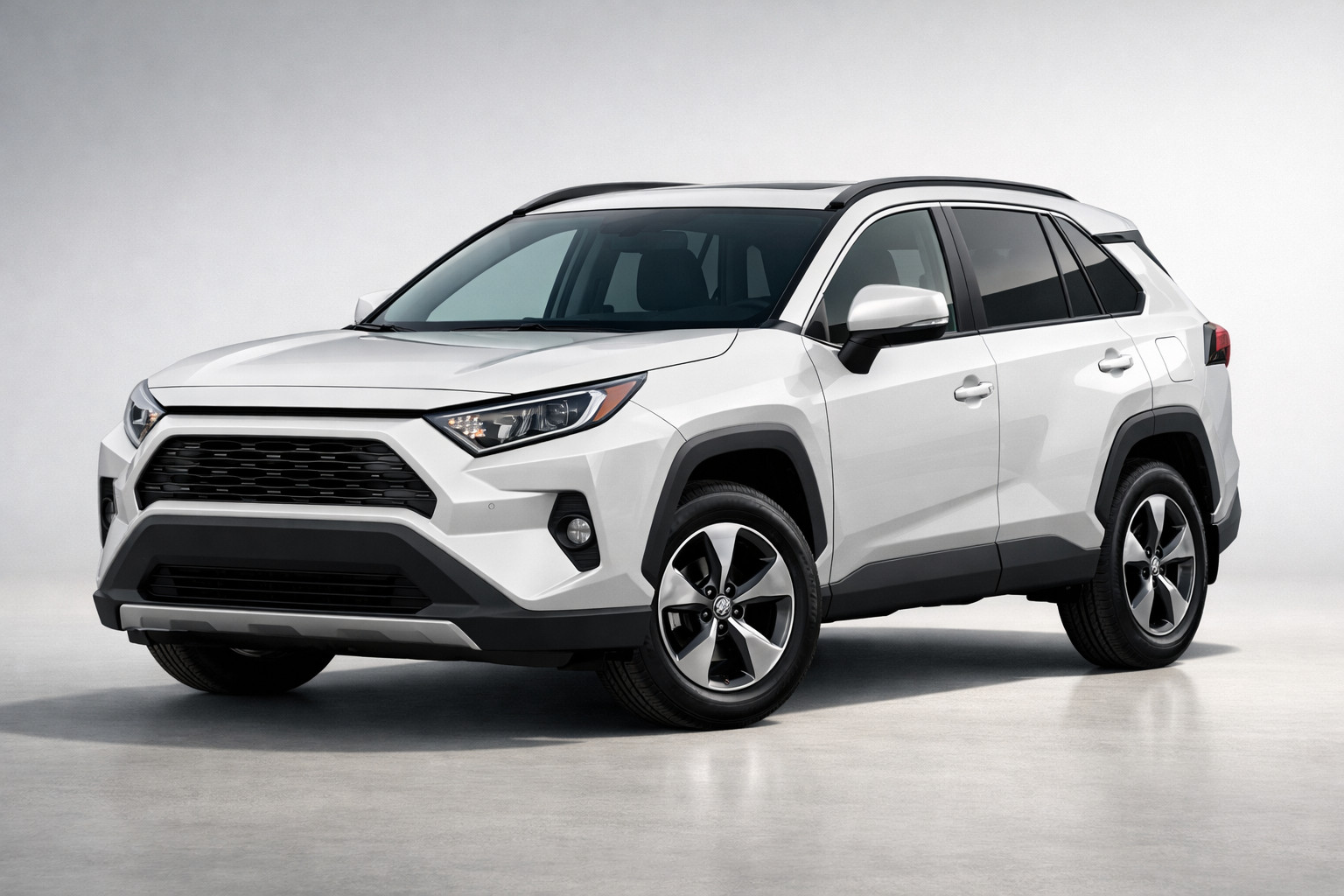
Toyota RAV4 2019- years is the fifth generation of the crossover that became popular not because of one single “feature,” but thanks to a balanced package: a spacious cabin, a decent trunk, a standard safety set, efficient hybrids, and several versions for different needs. That’s why this generation holds its value well both in sales and on the used market.
In short: this-generation RAV4 is worth considering if you need a practical family SUV without unnecessary complications. But before buying, it’s important to understand the difference between gasoline and hybrid versions, and to know the typical weak points around the transmission, noise, and certain service-related issues.
The model and its place in the market
RAV4 has long been one of the key mass-market SUVs in the class, and the fifth generation only reinforced that position. The car is focused not on emotions but on everyday usefulness: a comfortable interior, easy operation, a large trunk, and versatility in the city and on the highway. For many buyers, that alone is enough to stop looking further.
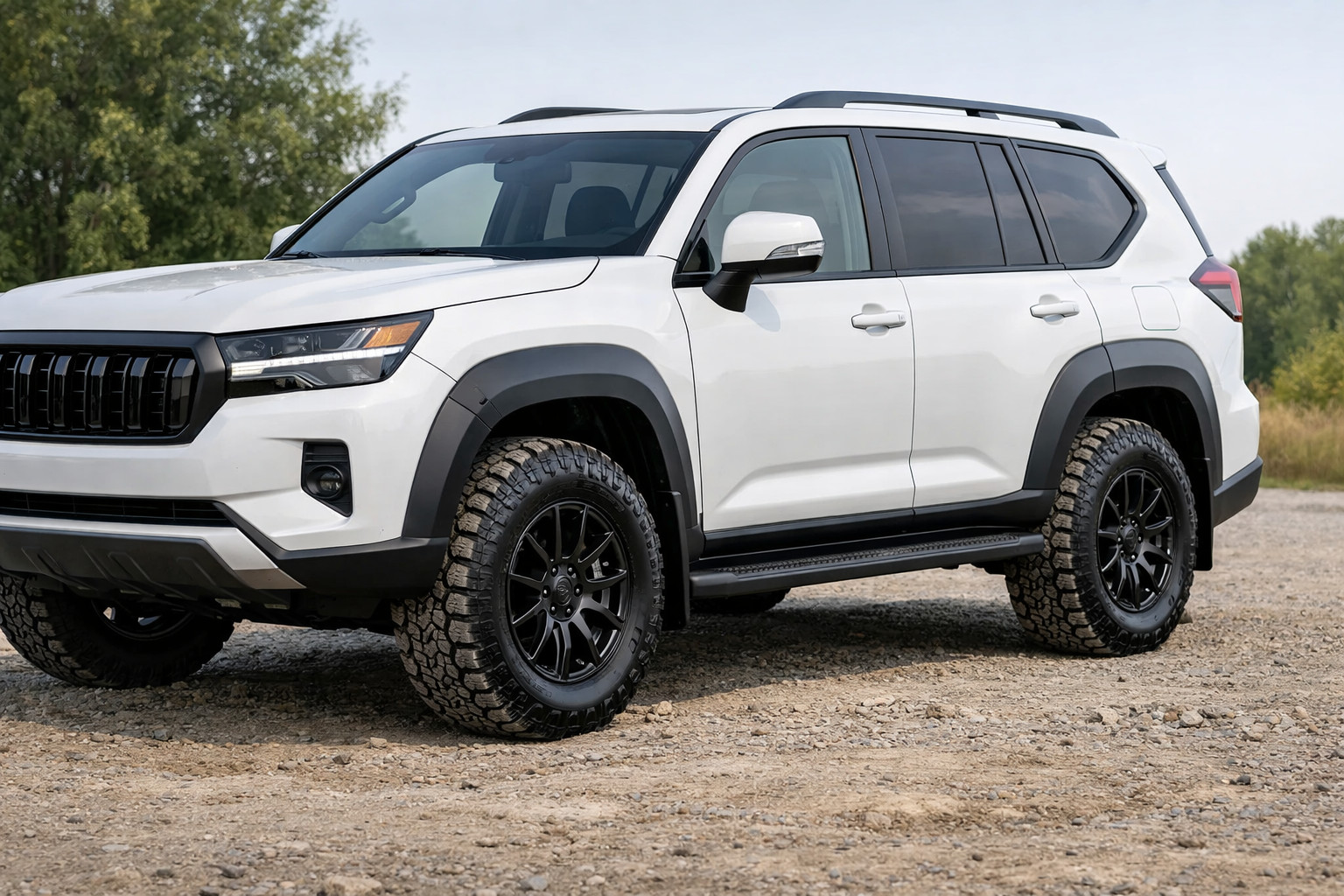
In 2019, the model posted record sales, and later the lineup was expanded with TRD Off-Road and Prime versions. This matters because RAV4 stopped being just a “daily city crossover” and gained options both for light off-road use and for those who want stronger performance.
| What made RAV4 popular | Practical benefit for the owner |
|---|---|
| Spacious cabin | Fewer compromises for family and daily trips |
| Large trunk | Convenient for travel, shopping, and kids’ gear |
| Standard safety | No need to pay extra for a basic set of systems |
| Hybrid version | Lower fuel consumption for a large crossover |
| Different trims | You can choose a version for city, highway, or light off-road |
Generation and model history
The fifth-generation Toyota RAV4 debuted as a 2019 model year vehicle. At launch, the lineup included 5 gasoline and 4 hybrid versions, meaning Toyota immediately bet on a wide choice rather than a single universal configuration.
This generation gained a more “SUV-like” character: the crossover became visually and technically more rugged, more geared toward active use than its predecessor. Later it added TRD Off-Road for fans of practical capability and RAV4 Prime as the more powerful option in the family.
Engines and transmissions
For this generation, the base is straightforward: the gasoline version has a 2.5-liter inline 4-cylinder Dynamic Force with D-4S and Dual VVT-i. Output is 203 hp at 6600 rpm, torque is 249 N·m at 5000 rpm. It’s not a sporty engine, but a unit designed for smooth, even pull in everyday driving.
The hybrid is built around the same 2.5-liter Dynamic Force as part of THS II. Combined output is 219 hp, the electric motor produces 118 hp and 203 N·m, and the battery is a Ni-MH at 244.8 V. For a large crossover, it’s one of the most rational choices in the lineup if you want both pull and efficiency.
Gasoline versions got an 8-speed Direct-Shift automatic, hybrids got an electronically controlled eCVT. On gasoline cars, front-wheel drive was standard and AWD was optional. On hybrids, AWD-i is standard. On certain trims, including Adventure, Dynamic Torque Vectoring AWD with rear driveline disconnect was used.
| Version | Engine / output | Transmission | Drive |
|---|---|---|---|
| Gasoline | 2.5 L, 203 hp, 249 N·m | 8-speed automatic | Front or AWD depending on trim |
| Hybrid | 2.5 L, 219 hp combined | eCVT | AWD-i standard |
| Adventure / some AWD | 2.5 L gasoline or hybrid depending on market | Depends on version | Dynamic Torque Vectoring AWD on some trims |
In daily use, the gasoline version can feel rougher: owners often mention jerks at low speeds, a noisy character under load, and not always smooth operation from the 8-speed automatic. The hybrid usually feels calmer, especially in the city.
Body, dimensions, and chassis
By size, the 2019- years RAV4 is already close to the upper limit of the class. Wheelbase is 2690 mm, length of standard versions is 4595 mm, Adventure is 4610 mm. Width is 1854 mm, and on Adventure it’s 1864 mm. Height ranges from 1702 to 1707 mm on standard versions and reaches 1742 mm on Adventure.
Ground clearance depends on trim: 213 mm on LE/XLE and 218 mm on XLE and above, and Adventure has 218 mm. For the city this is more than enough, and on dirt roads or in winter that margin helps avoid scraping the underbody on small irregularities.
The suspension is tuned so the vehicle is predictable and without surprises. But it’s not the kind of crossover that delivers premium-class softness. Over bumps, RAV4 can feel firm rather than cushy, but that helps stability on the highway.
| Parameter | Standard versions | Adventure |
|---|---|---|
| Length | 4595 mm | 4610 mm |
| Width | 1854 mm | 1864 mm |
| Height | 1702–1707 mm | 1742 mm |
| Wheelbase | 2690 mm | 2690 mm |
| Ground clearance | 213–218 mm depending on trim | 218 mm |
Interior, comfort, and safety
The interior is one reason this-generation RAV4 sold so well. Passenger volume is 2801 L, legroom is 1041 mm front and 960 mm rear. Width is also decent: 1468 mm shoulder room up front and 1433 mm in the rear. For a family car, this provides a normal seating position without feeling cramped.
The trunk is another strong point: 1065 L with the seats in their standard position and 1977 L with the second row folded. This is a practical tool, not just a brochure figure. There’s plenty of room for kids’ items, trips out of town, or bulky luggage.
Toyota didn’t cut corners on safety: the base spec includes Toyota Safety Sense 2.0, 8 airbags, a rearview camera, and the Star Safety System. For many buyers, this is one of the main arguments in favor of the model, because the base package doesn’t feel “empty.”
The multimedia system is Entune 3.0 with a 7-inch touchscreen, 6 speakers, Apple CarPlay, Amazon Alexa, and Google Assistant. On XLE and above, 4 additional USB charging ports were added. It’s not cutting-edge tech, but it’s enough for everyday use.
Everyday ownership
In real life, people like RAV4 because it doesn’t require getting used to. The seating position is comfortable, visibility is good, the trunk is big, and the ground clearance lets you handle snow, curbs, or broken roads without stress. For the city it’s a practical format; for the highway it’s calm and straightforward.
Gasoline versions were rated at 7.8–8.4 L/100 km in the combined cycle depending on drivetrain and trim. Hybrids are about 5.9–6.0 L/100 km combined according to various official figures and data close to EPA. For a vehicle of this size, that’s a strong argument for the hybrid, especially if you drive a lot in the city.
Fuel tank capacity is 54.9 L. Towing depends on version: standard trims up to 680 kg, hybrid up to 794 kg, Adventure and TRD Off-Road up to 1588 kg. So RAV4 isn’t a “tow rig” in the literal sense, but some versions are suitable for a moderate trailer or more active use.
Strengths and weaknesses
The main advantage of this generation is the overall combination of qualities rather than one standout metric. RAV4 works well as a family crossover because it combines space, safety, decent efficiency, and a wide choice of versions. That’s why it’s often purchased without long hesitation.
But there are downsides. The gasoline engine paired with the 8-speed automatic isn’t liked by everyone due to low-speed jerks. Some owners also complain about engine noise, road noise, and the overall “non-premium” feel of the interior compared to some competitors.
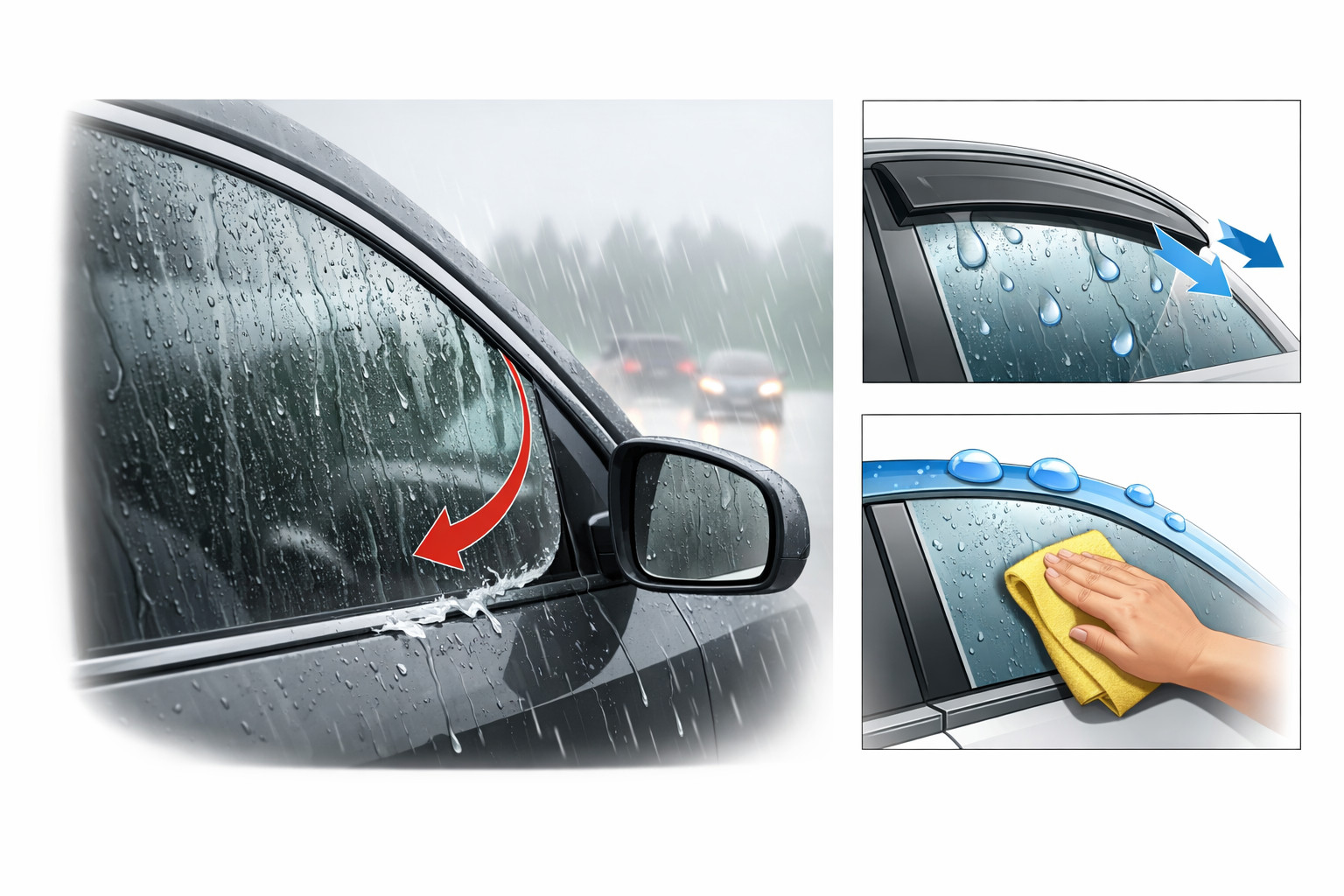
Hybrids had notes regarding the fuel system: the tank doesn’t always fill completely, and the fuel gauge or range estimate may work incorrectly. For 2019–2021, there was also a service bulletin about water intrusion through roof rail clips. That doesn’t mean every vehicle has the issue, but it’s something you should check.
| Pros | Cons |
|---|---|
| Large cabin and roomy trunk | The gasoline version can be noisy and jerky |
| Strong standard safety package | Not everyone will like the slightly firm suspension |
| Efficient hybrid | Hybrids had complaints about fuel readings |
| AWD, Adventure, TRD Off-Road versions available | Some vehicles had quirks with AWD and roof rails |
| Good resale value | Not the quietest or softest interior in the class |
Tuning and accessories
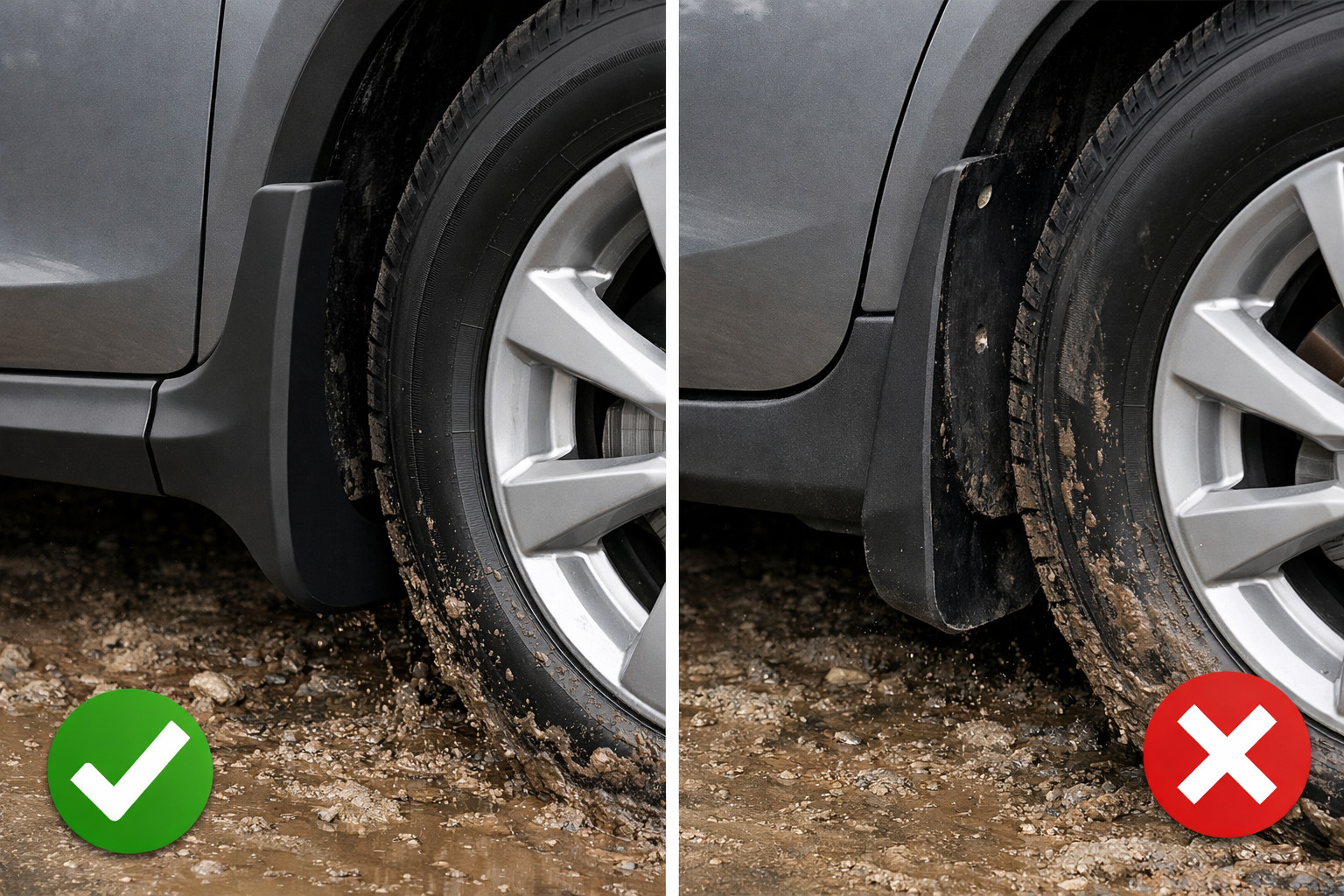
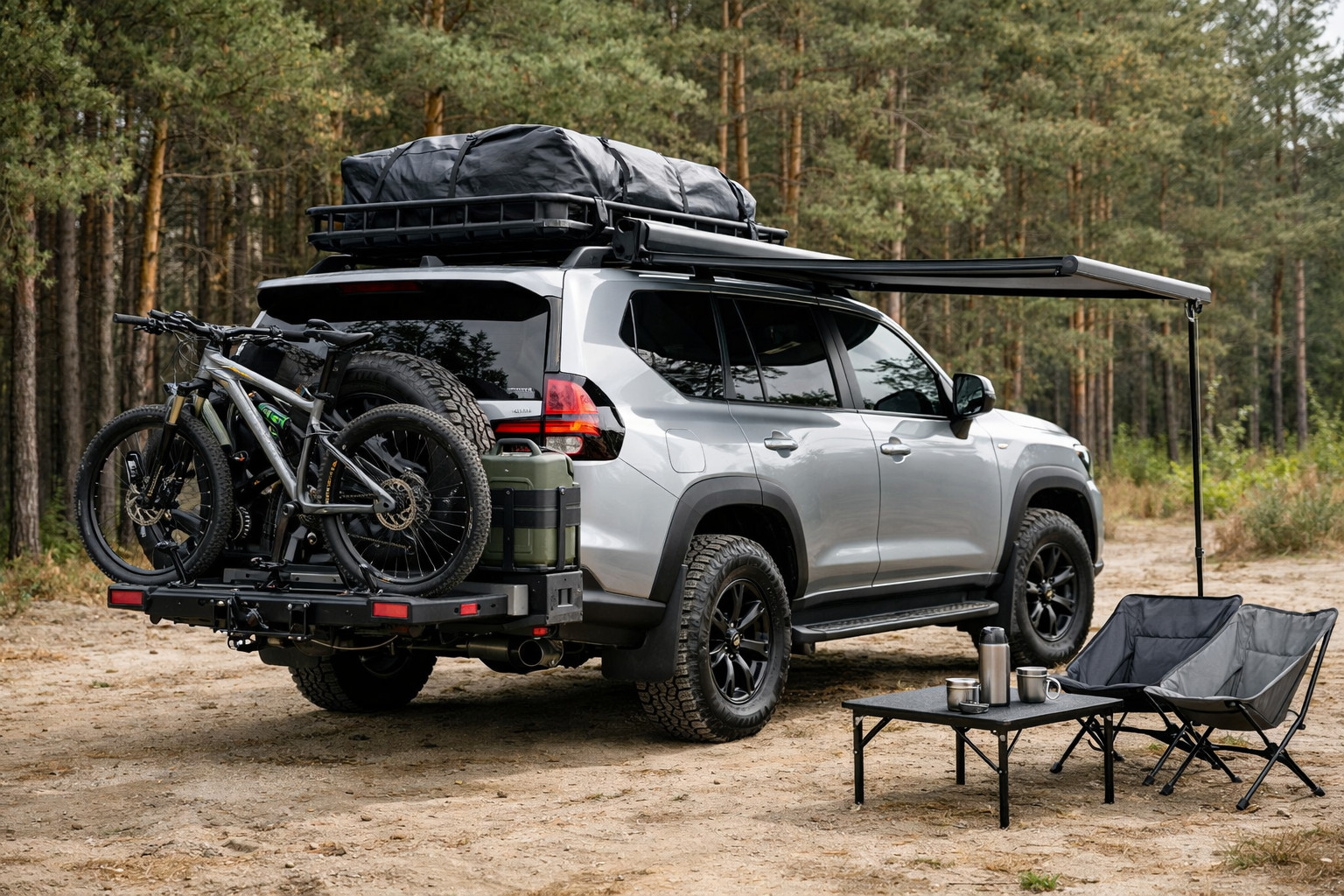
For the 2019- years RAV4, sensible tuning isn’t about “sport for the sake of sport,” but about practical upgrades. Most often, skid plates, floor mats, mud flaps, cargo systems, roof rails, tow hitches for the right versions, and auxiliary lighting for trips outside the city make sense.
If you need a basic guide to upgrades specifically for this generation, it’s convenient to start with the article about Toyota RAV4 2019 tuning. It’s worth looking not only at exterior accessories, but also at things that genuinely improve everyday use.
In any case, it’s worth remembering: for this model, functional add-ons are more useful than aggressive styling. People buy RAV4 for practicality, and that’s what you should enhance rather than disguise.
Conclusion
Toyota RAV4 2019- years is popular because it delivers exactly what people expect from a mass-market crossover: space, safety, solid fuel economy, a choice between gasoline and hybrid, and suitability for daily life without unnecessary trouble. If you need a versatile SUV for family, work, and longer trips, it’s a very logical option.
If, however, your top priorities are quietness, ride softness, or a more “premium” cabin feel, it’s worth looking wider. RAV4’s strength is not emotional appeal but practicality, and that’s why people choose it. It fits best for those who want a predictable crossover without complex tech and with strong resale value.
The practical verdict is simple: the gasoline version suits those who drive moderately and want a straightforward setup; the hybrid suits those who spend a lot of time in the city and value efficiency. Before buying, be sure to check transmission behavior, service history, and the exact trim, because in this generation the differences between versions are truly noticeable.
Pros and cons
The spacious cabin and large trunk make the RAV4 convenient for family use, trips, and everyday shopping. There is a decent amount of legroom in the cabin, and the trunk easily fits bulky items.
The base trim comes with a solid safety package: Toyota Safety Sense 2.0, 8 airbags, and a rearview camera. This is convenient because you do not have to look for expensive trims just for basic assistance systems.
The hybrid version looks the most practical for city driving thanks to fuel consumption of around 5.9–6.0 l/100 km. For a crossover of this size, that is a noticeable saving compared with gasoline versions.
There is a choice of different versions for different needs: gasoline, hybrid, AWD, Adventure, and TRD Off-Road. This makes it possible to choose a vehicle not only for the city, but also for light off-road driving or towing.
Ground clearance of 213–218 mm helps you drive over curbs, snow, and rough roads without problems. For everyday use, this is a practical advantage.
The gasoline version with an 8-speed automatic can feel a bit jerky at low speeds. The article mentions jolts and transmission operation that is not always smooth.
While driving, the RAV4 does not feel like a quiet vehicle: owners note engine noise and road noise. This is especially noticeable when compared with more comfortable competitors.
The suspension is tuned quite firmly, so on bumps the vehicle does not provide a soft, "premium" ride. Some may like this for its composure, but for part of buyers it will be a drawback in comfort.
The hybrid versions have had comments about the fuel system: the tank does not always fill completely, and the fuel or range indicators may work incorrectly. It is a minor issue, but it can be annoying in everyday use.