09.05.2026
357
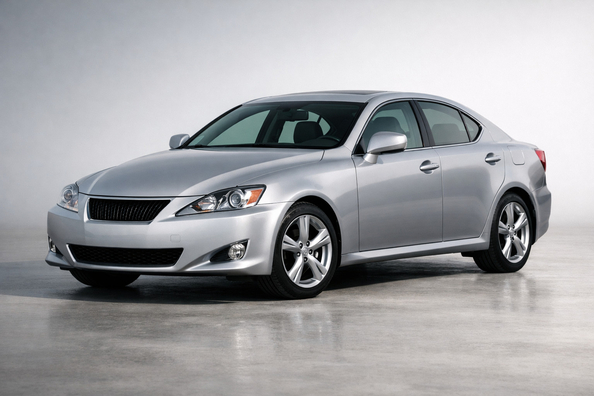

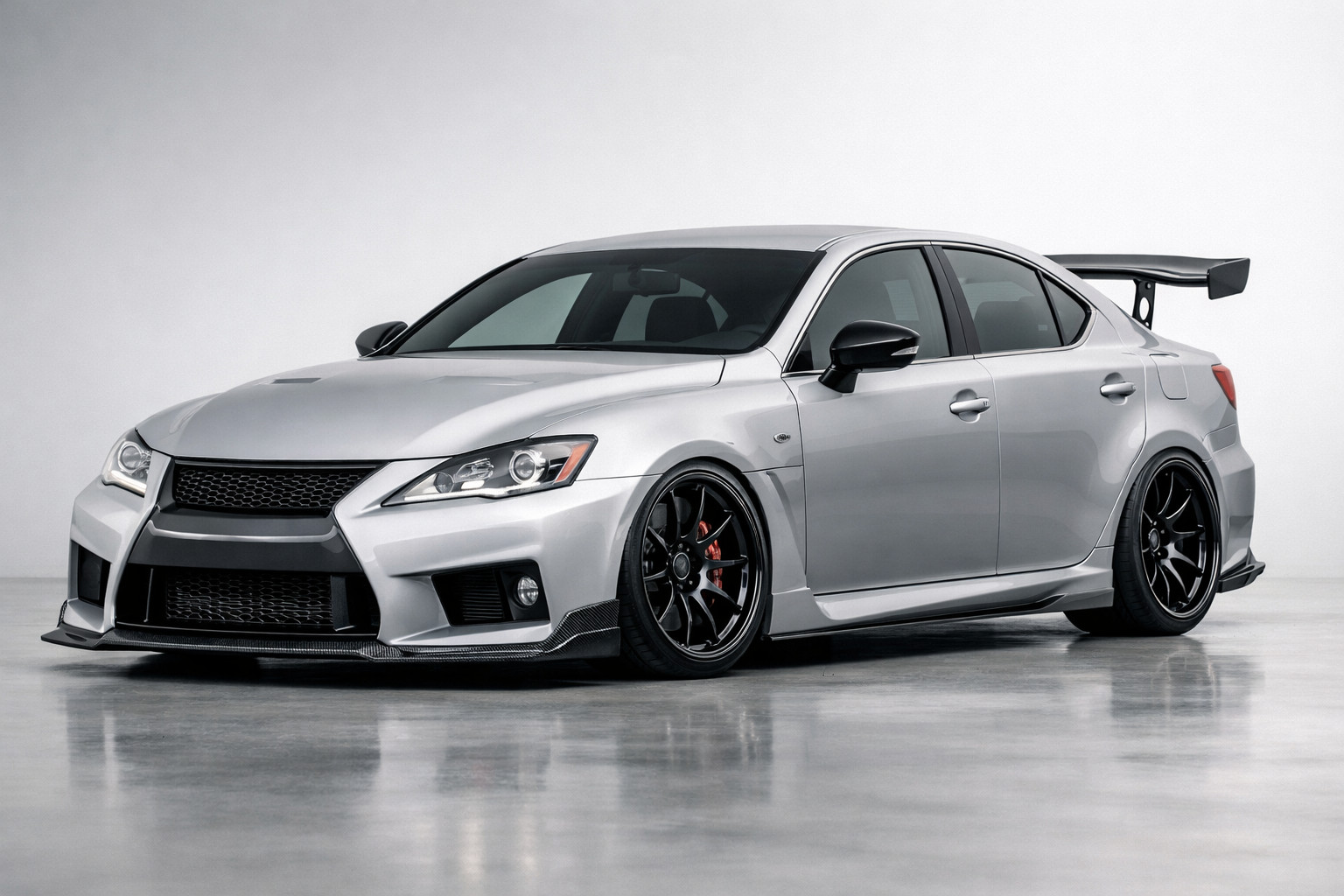
Lexus IS 2005–2013 is a compact premium sedan for those who want rear-wheel drive or all-wheel drive, a high-quality interior, and a composed feel on asphalt without a flashy image. But it’s important not to lump different cars into one: 2005 is still the final first-generation IS 300, and from 2006 the second-generation XE20 begins—significantly more modern in engineering, safety, and everyday comfort.
In practice, the choice is simple: the IS 250 suits calm daily driving, the IS 350 is for those who want a real reserve of pull, and early cars should be checked carefully for interior wear, oil consumption, and smooth engine operation. If you need a spacious family sedan, this isn’t the best option; if you want a compact, solidly built car for city and highway use, the Lexus IS still makes a convincing case.
In these years, the Lexus IS was a direct alternative to the BMW 3 Series, Audi A4, and Infiniti G, but with a different character. It plays less at razor-sharp steering sportiness and leans more toward finish quality, cabin quietness, and predictability in everyday use.
This model is a good fit for those who mostly drive alone or as a couple, want compact exterior dimensions, decent highway comfort, and don’t plan to regularly carry adult passengers in the second row. It’s less suitable for those who need a large trunk, higher ground clearance, or the liveliest possible base version.
In 2005, the first-generation IS 300 was sold—a compact rear-wheel-drive sedan with old-school Lexus character: an inline “six,” small dimensions, and a simple, straightforward personality. From 2006, the model changed completely: the second-generation XE20 became larger, stiffer, safer, and more technologically advanced.
The core of the XE20 lineup was the IS 250 and IS 350. In 2011, the model received a facelift in styling and equipment, and in some markets an all-wheel-drive IS 350 appeared. 2013 was the final year for this generation before the model change, so later cars are usually more appealing as daily drivers.
The 2005 IS 300 had a 3.0-liter inline 6-cylinder gasoline engine rated at 215 hp with rear-wheel drive and either a 5-speed automatic or a 5-speed manual. It’s the simplest option in terms of architecture, but it’s also noticeably older than the 2006–2013 cars.
The second-generation IS 250 received a 2.5-liter V6 with 204 hp. For rear-wheel drive, in certain years and markets there was a manual or an automatic; for all-wheel drive—automatic. This engine isn’t a failure, but you shouldn’t expect exciting dynamics: it’s more about smooth everyday driving than thrills.
The IS 350 is the best choice for those who want the car to drive in line with its looks and class. The 3.5-liter V6 with 306 hp was paired with a 6-speed automatic and delivered a completely different reserve of torque. Separately, there’s the IS F with a 5.0-liter V8 rated at 416 hp, but that’s no longer a basic compact premium daily—it’s a separate story for enthusiasts.
Pragmatically speaking, the IS 250 makes sense as a calm city or winter sedan, especially with all-wheel drive. If you want fewer compromises in dynamics, it’s better to look for an IS 350. For early IS 250s, it’s important to check for unstable idle, misfires, and increased oil consumption.
The first generation in 2005 was noticeably more compact: a shorter body, a narrower cabin, and a very modest trunk. The second generation felt more grown-up, but even it didn’t turn into a spacious family sedan. This is a driver-focused car, not a second-row-focused one.
The suspension setup in all versions is tuned for asphalt. Low ground clearance and firmer suspension settings provide composure on the highway, but on rough roads and in winter ruts there isn’t much margin. That’s why suspension condition, correct tire size, and the absence of makeshift modifications are especially important for the IS.
| Version | Years | Engine | Power | Drivetrain and transmission | Dimensions and practicality |
|---|---|---|---|---|---|
| IS 300 | 2005 | 3.0 L, inline 6-cylinder | 215 hp | Rear-wheel drive, 5-speed manual or 5-speed automatic | 4485×1725×1415 mm, wheelbase 2670 mm, ground clearance 134 mm, trunk 290 L |
| IS 250 | 2006–2013 | 2.5 L V6 | 204 hp | Rear-wheel drive or all-wheel drive; manual or automatic depending on year and market | 4575×1800×1425 mm, wheelbase 2730 mm, ground clearance 125–135 mm, trunk about 378 L |
| IS 350 | 2006–2013 | 3.5 L V6 | 306 hp | 6-speed automatic, rear-wheel drive; in later years, in some markets also all-wheel drive | Same dimensions as the second generation, trunk about 378 L |
The Lexus IS’s strong point is interior quality. The driving position is comfortable, the front seats work well for daily use, and the sense of solidity in the cabin is often better even today than in many rivals from those years. In later cars, even the basic equipment looks good: climate control, keyless entry on some versions, phone connectivity, and multimedia conveniences.
In terms of safety, the second generation was strong as well: airbags, electronic stability control, traction control, ABS, and brake assist functions were solid arguments in the model’s favor. The weak point isn’t the equipment, but space: the rear is tight, and taller passengers won’t like the second row.
For early examples, a separate topic is the condition of the dashboard finish and door panels. Some cars have a sticky or deteriorated surface, and it should be checked by touch, not from photos.
In the city, the Lexus IS is good because it doesn’t feel large: it’s easy to maneuver, park, and live with day to day. On the highway, it’s pleasant thanks to its calm character, decent sound insulation, and stability at speed. All-wheel drive really adds confidence in winter, but it doesn’t cancel out the low ground clearance.
Fuel consumption depends on the version. The IS 250 is the more reasonable daily driver: official combined figures on later versions are roughly in the 9.8–10.2 L/100 km range. The IS 350 is noticeably quicker, but also thirstier: as a guideline, about 9.5–11.2 L/100 km combined depending on drivetrain.
It’s important for an owner to remember a few things. First is the small trunk, especially compared with more practical sedans. Second is a careful check of the history for technical campaigns/recalls and the condition of the engine and transmission. Third: on bad roads, the model doesn’t tolerate a compromised approach—worn shocks, heavy wheels, and low-quality tires quickly spoil the experience.
| Aspect | Strengths | Weaknesses |
|---|---|---|
| Model character | A composed, calm, well-made sedan without unnecessary flash | Not as sharp to drive as some German competitors |
| Engines | The IS 350 is genuinely quick and well suited for highway use | For many, the IS 250 turns out to be too calm |
| Winter and daily driving | All-wheel drive adds confidence on snow and ice | Low ground clearance still limits it on broken roads and in ruts |
| Interior | Quality materials, good seating position, pleasant basic equipment | On early cars, you need to check the condition of the dashboard and door panels |
| Practicality | The compact body is convenient in the city | Tight rear row and a small trunk |
| Reliability | Overall a straightforward car without overly complex electronics | Early IS 250s can have oil consumption, unstable idle, misfires; check the history regarding the fuel pressure sensor |
Put simply, the Lexus IS’s strong point is that it doesn’t wear the owner out day to day and delivers the feel of a quality product. The weak point is limited space, and some base versions don’t provide the dynamics people expect from a premium sedan.
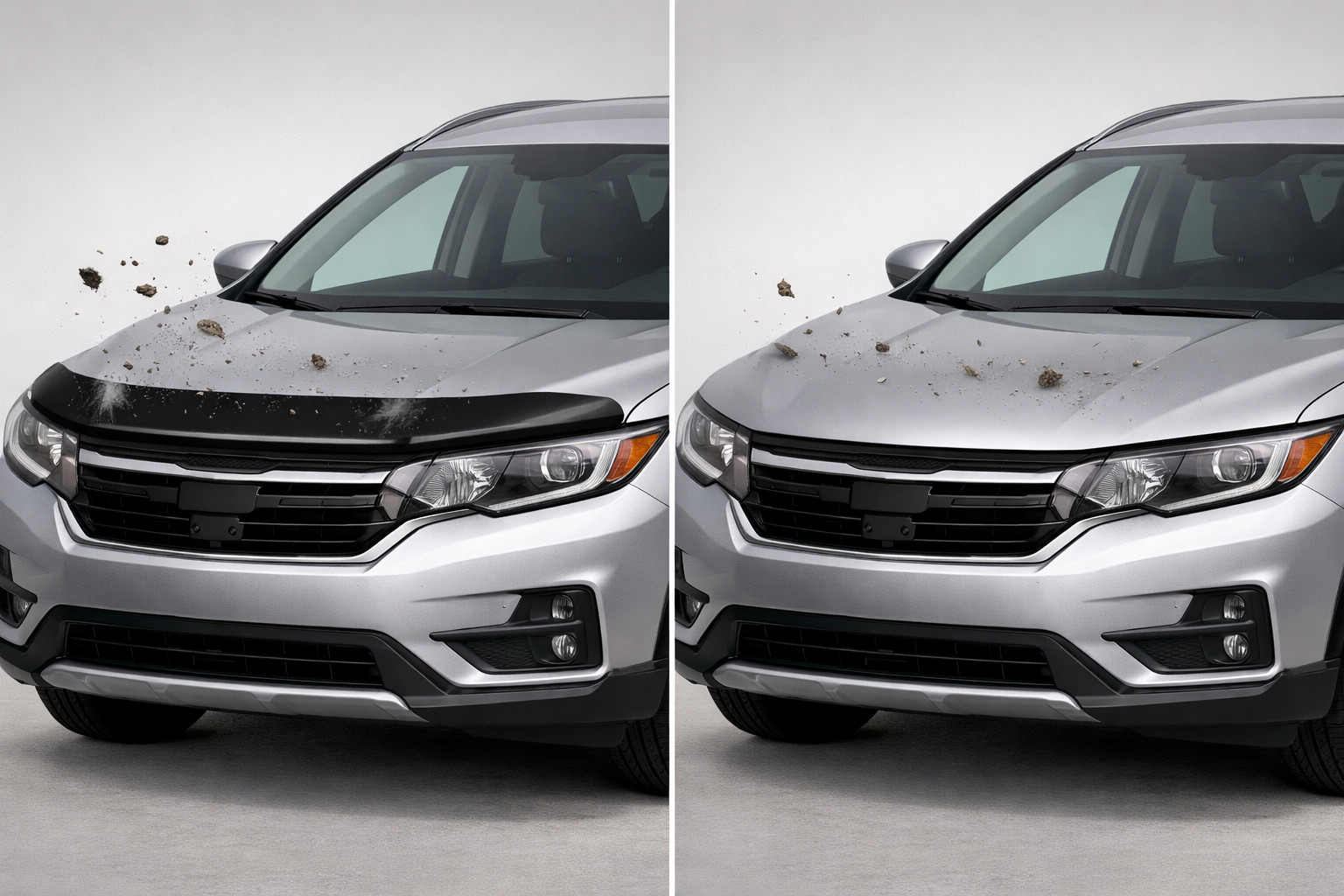
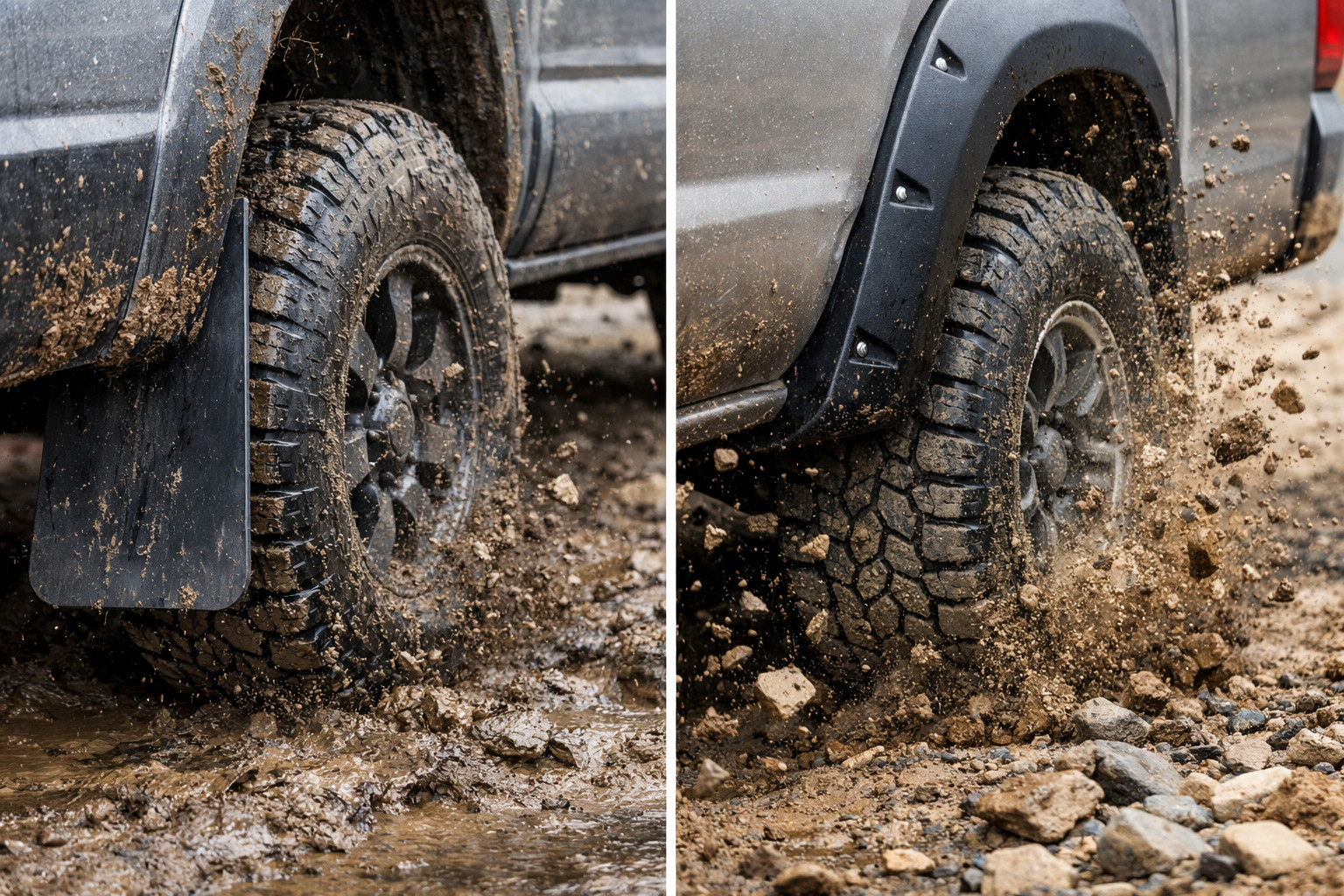
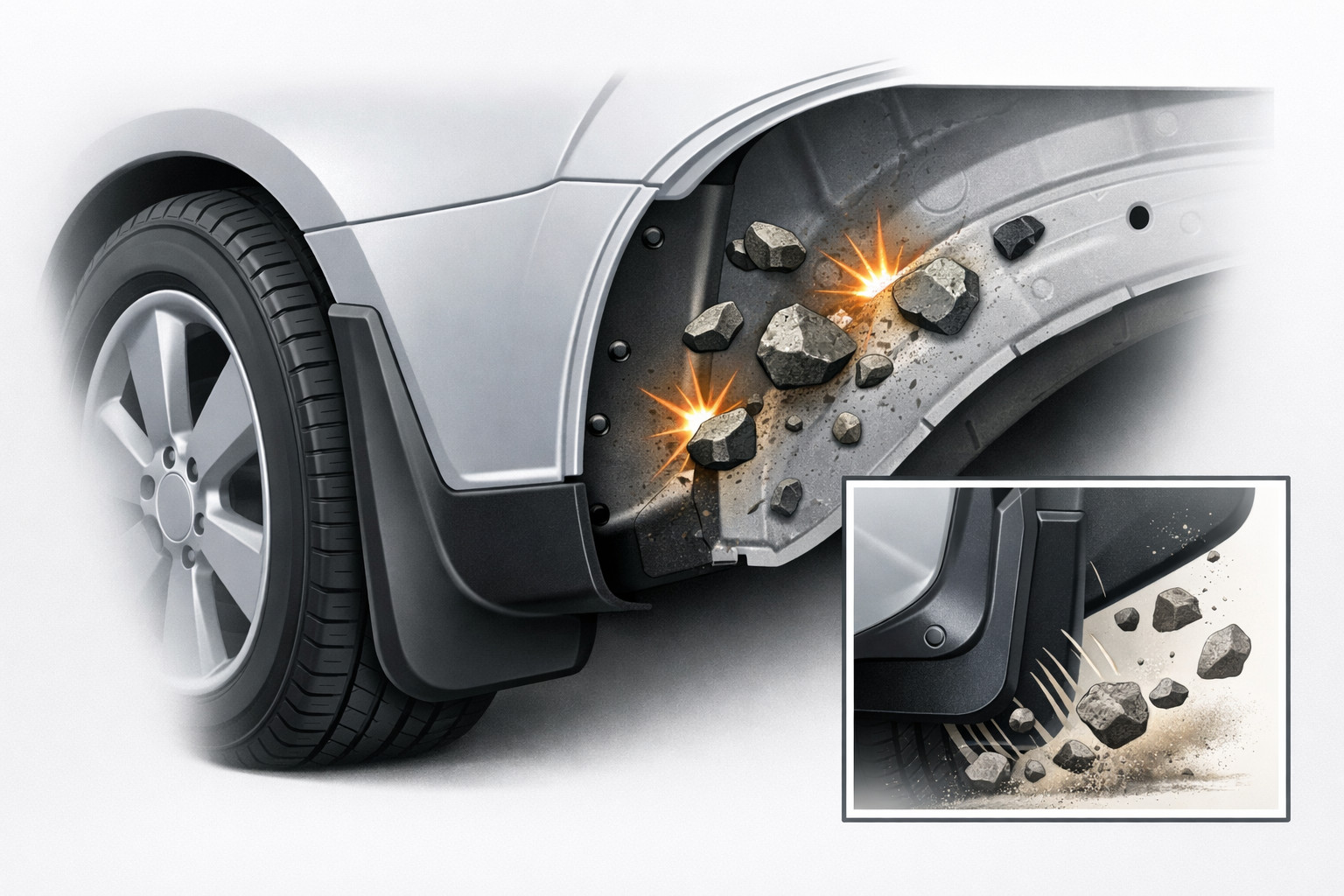
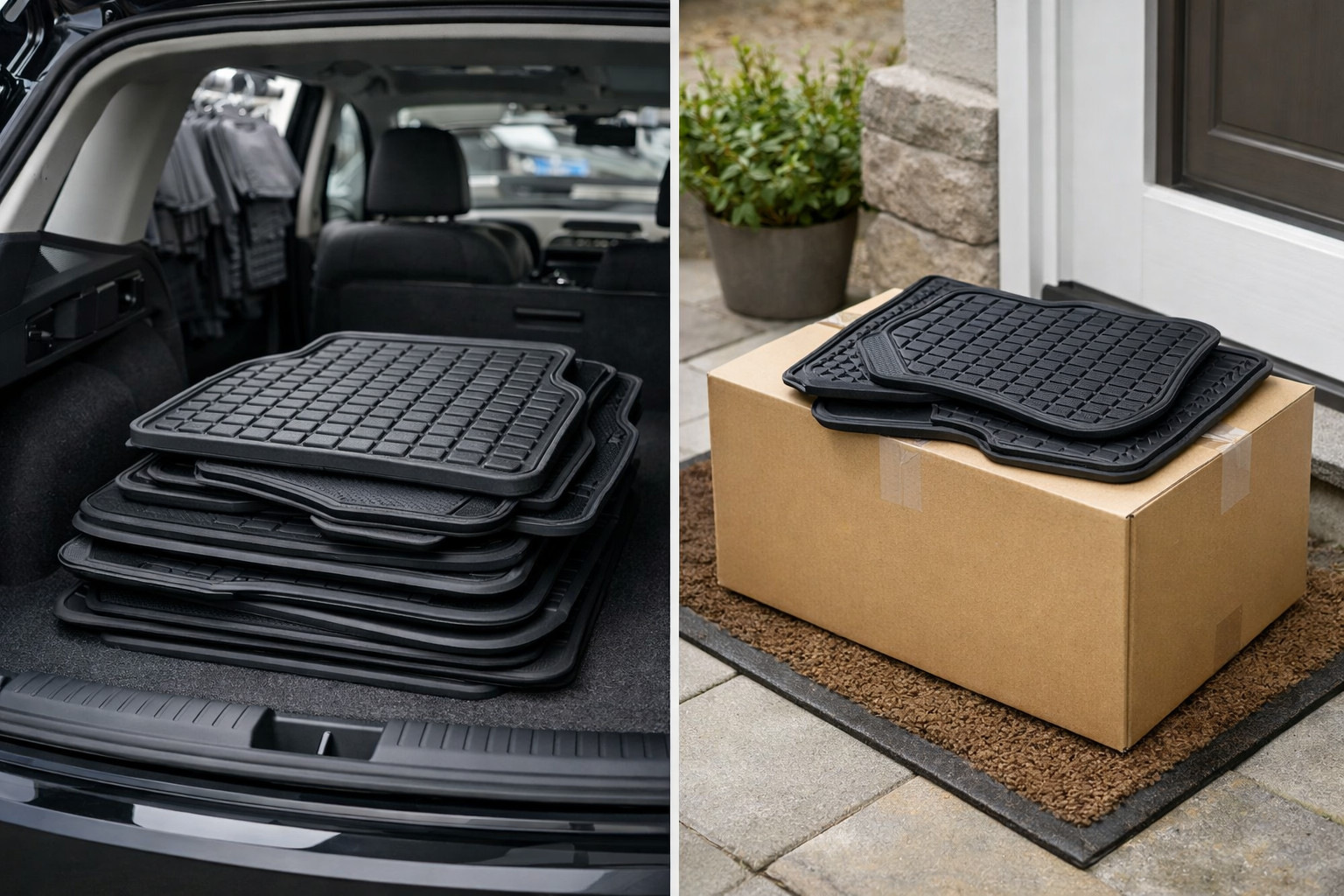
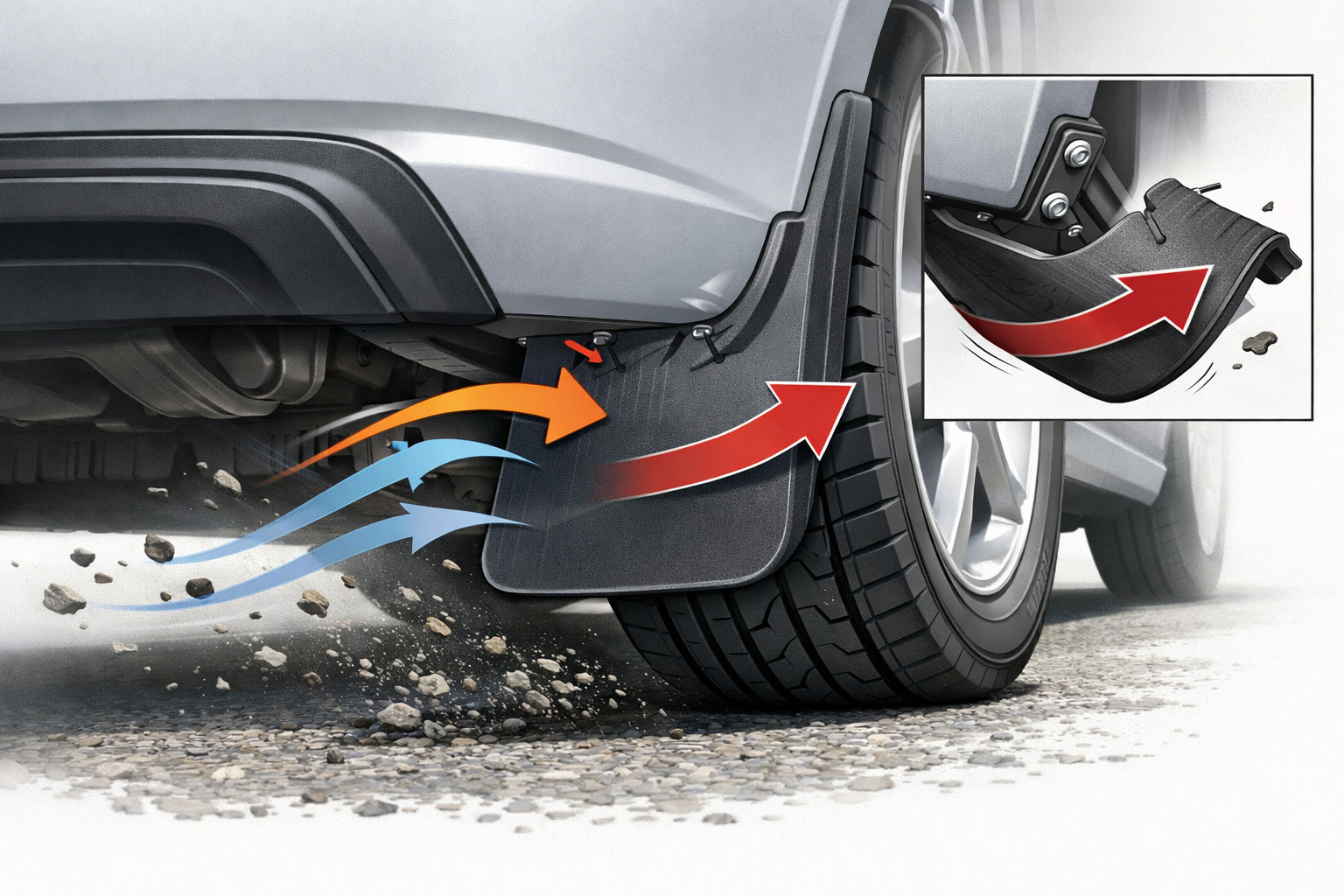
For the Lexus IS, the most sensible tuning is practical rather than decorative. Because of the low ground clearance and city use, the first items on the list are usually underbody protection, interior items, and small details that help preserve the body in everyday use. Deep suspension modifications only make sense if you clearly understand what you’ll lose in comfort.
If you often load bags into the trunk, it’s also worth looking at rear bumper protection. As for exterior styling, it’s easy to overdo it on this model: the IS looks best when upgrades support its restrained character rather than shout over it.
The Lexus IS 2005–2013 isn’t a universal sedan for every scenario, but a very specific car: compact, well built, pleasant to use every day, and especially successful for those who drive alone or as a couple. The IS 250 is worth considering as a calm daily option with attention to the condition of the specific car, while the IS 350 is the pick if you want a car that doesn’t feel short on power.
The key before buying is not to look at the model in general, but at the specific version, year, market, and condition. This material is based on real selection experience, practical know-how, and real usage scenarios, so the conclusion is simple: the Lexus IS is good where people value quality, quietness, and straightforward daily operation—but don’t demand crossover space or the edge of a pure sports sedan.
| ✔ | Compact dimensions make the Lexus IS convenient in the city: it’s easy to park and maneuver in tight courtyards or on busy streets. |
| ✔ | The cabin is well put together, with a good seating position and a pleasant sense of solidity even compared with class rivals from those years. |
| ✔ | The IS 350 version has a noticeable reserve of torque, so the car better matches the premium class and feels more confident on the highway. |
| ✔ | All-wheel drive on some versions adds confidence in winter on snow and ice, which is useful for everyday driving. |
| ✔ | Overall, the model is not overloaded with complex electronics, so its behavior and ownership are more straightforward than in some rivals. |
| ✘ | The rear seat is cramped, so the Lexus IS is not well suited for regular trips with adult passengers in the back. |
| ✘ | The trunk is small, especially compared with more practical sedans, so the car is not very convenient for frequent trips with luggage. |
| ✘ | Low ground clearance limits comfort on rough roads and in winter ruts, even in all-wheel-drive versions. |
| ✘ | For many, the base IS 250 feels too relaxed, so it does not deliver the kind of performance often expected from a premium sedan. |
| ✘ | Early IS 250s have common issues such as oil consumption, unstable idle, and misfires, so these cars need very careful inspection. |
Shipping to EU
Wholesale and retail
Own warehouse
Опис продукту
Подарунки не надаються при оформленні покупки у кредит під 0,01% або при покупці частинами.