19.05.2026
400
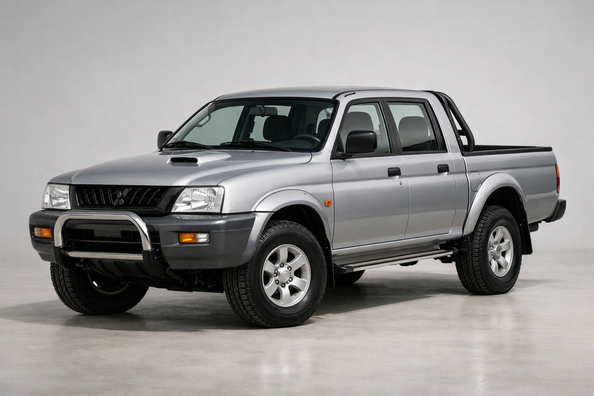

Mitsubishi L200 1996-2006 is a body-on-frame pickup built for work, towing a trailer, trips out to the fields and broken roads. Its main value isn’t in trim or quietness, but in a simple design, torquey 2.5 L diesels, rear leaf-spring suspension, and the ability to live a long time in hard-working conditions.
But that very simplicity has a downside: the cabin feels dated even by the standards of its time, the second row in the double cab isn’t generous for space, and corrosion and tired components at this age are no longer the exception but part of reality. In 2006, some markets were already transitioning to the new L200, so the figures and impressions should be checked against the build year and the specific version.
In the used pickup market, this L200 sits alongside the Toyota Hilux, Nissan Navara or NP300, and Isuzu D-Max, but it plays in a slightly rougher, more utilitarian league. It’s for someone who’s fine with noise, doesn’t expect car-like handling, and wants body-on-frame hardware without unnecessary complexity.
It suits a farmer, tradesperson, hunter, angler, trailer owner, or anyone who regularly drives winter roads and off-road. It won’t suit those who need a family car for daily city use: the size, the stiff rear end without a load, the noise, and the turning circle are felt all the time.
For 1996-2006, the focus is primarily on the third generation of the L200. This is the generation that shaped the old L200’s reputation as a no-frills work pickup: body-on-frame, simple engines, a manual gearbox, and an emphasis on durability rather than ride softness.
An important nuance: 2006 is a transition year. In some markets, the new L200 had already appeared with a different chassis, better ergonomics, a more comfortable suspension, and a more powerful diesel. So a 2006 vehicle may be either the older model or already the newer design—this should be verified by VIN, body, and technical specification.
The main engines for this generation are straightforward and easy to understand. The most common are the 2.5 L diesels rated at 87 and 100 hp. They’re not about dynamics, but low-end pull and working under load. There’s also a 2.4 L petrol engine with 132 hp, which is more appealing for those less concerned about fuel consumption and who want smoother engine operation.
All the versions listed use a 5-speed manual transmission and 4x4. For an old pickup that’s a plus: the design is relatively simple, but at high mileage you should closely check the clutch, transfer case, prop shafts, and the front axle engagement system for 4WD.
| Version | Engine | Power and torque | Gearbox and drive | Practical meaning |
|---|---|---|---|---|
| 2,5 TD | 2477 cm³ diesel | 87 hp, 201 N·m | 5-speed manual, 4x4 | The calmest option, suitable for work, but very slow on the highway |
| 2,5 TD | 2477 cm³ diesel | 100 hp, 240 N·m | 5-speed manual, 4x4 | A more sensible choice for towing, trips out of town, and everyday utilitarian driving |
| 2,4 petrol | 2351 cm³ petrol | 132 hp, 192 N·m | 5-speed manual, 4x4 | Quieter and more responsive, but usually less interesting to those looking for efficiency under load |
On older 4D56 diesels, the biggest questions aren’t about the engine concept but its real condition. If the vehicle was overheated, the timing belt replacement was delayed, or cooling was neglected, you can end up with an expensive cylinder head repair and related components.
This generation L200 is a pickup with 4 doors and 5 seats in double-cab form. Dimensions vary by version: length around 4.92-5.01 m, wheelbase 2960 mm, ground clearance in the 215-235 mm range. That’s enough for rural roads and dirt tracks, but in the city the truck feels long and clumsy.
Up front it has double wishbones, at the rear—leaf springs. That’s why, without a load, the rear can bounce, but under load the pickup drives much more sensibly. Brakes are typical for the class and age: ventilated discs in front and drums at the rear.
| Parameter | 2,5 TD 87 hp | 2,5 TD 100 hp | 2,4 petrol 132 hp |
|---|---|---|---|
| Length | 4920 mm | 4935 mm | 5010 mm |
| Width | 1655 mm | 1695 mm | 1775 mm |
| Height | 1745 mm | 1780 mm | 1800 mm |
| Wheelbase | 2960 mm | 2960 mm | 2960 mm |
| Ground clearance | 225 mm | 215 mm | 235 mm |
| Towing with brakes | 2200 kg | 2200 kg | 2700 kg |
| Fuel tank | 75 L | 75 L | 75 L |
| Trunk or cargo bed | Open platform, no single universal capacity is standardized | Open platform, usability depends on the sides, bed liner, and canopy | Open platform, practical volume varies depending on body configuration |
For this type of pickup, it’s more correct to assess not liters of trunk space but the platform use case: whether you need a canopy, how often you carry tools, whether you need side protection, and whether you will tow a trailer. These things affect convenience more than a dry number.
The interior of the L200 1996-2006 is simple and durable, but with few concessions to the driver. Seating is high, visibility is good, controls are straightforward. However, sound insulation is weak, and the rear bench in the double cab is noticeably tight, especially if you use the truck as a family vehicle.
Safety depends on year, market, and trim level, but by today’s standards it’s basic. When buying, it’s important to look not at the options list but at the actual condition: brake lines, operation of airbag warning indicators, steering play, and the condition of seat mounts and belts.
In daily work, the old L200 is good when you expect pickup things from it: hauling building materials, getting through snow, reaching the woods, pulling a trailer, calmly surviving bad roads. On the highway it isn’t fast, in the city it isn’t compact, and without a load the rear suspension can be harsh.
Real fuel consumption depends heavily on the vehicle’s condition, tires, 4WD, load, and route. For diesel versions, a reference of about 10.5-16.9 L per 100 km in mixed real-world driving doesn’t look strange, and in harsh conditions or with a load the numbers can be significantly higher. That’s another reason to buy a healthy example rather than simply the cheapest one.
The point of this model is simple: as a work tool it’s convincing; as a universal passenger car, not so much. It’s best understood by those who actually use the bed, 4WD, and towing capability, rather than buying a pickup just for the seating position and looks.
| Pros | Cons |
|---|---|
| Simple design, repairable without complex electronics | Body, underbody, and line corrosion at this age is often critical |
| Good pull for a trailer, tools, winter roads, and light off-road | Noisy cabin, tight second row, modest day-to-day comfort |
| Rear leaf springs handle loads well | Without a load the rear axle is harsh; in the city the truck is inconvenient |
| A healthy 2.5 L diesel is well suited to farm and utility tasks | On tired diesels, serious issues with the cylinder head, timing belt, and cooling system are possible |
From an owner’s perspective, the main plus is that the L200 honestly does hard work. The main minus is that most examples have long since lived more than one life, so you’re not buying the model in general—you’re buying a specific condition.
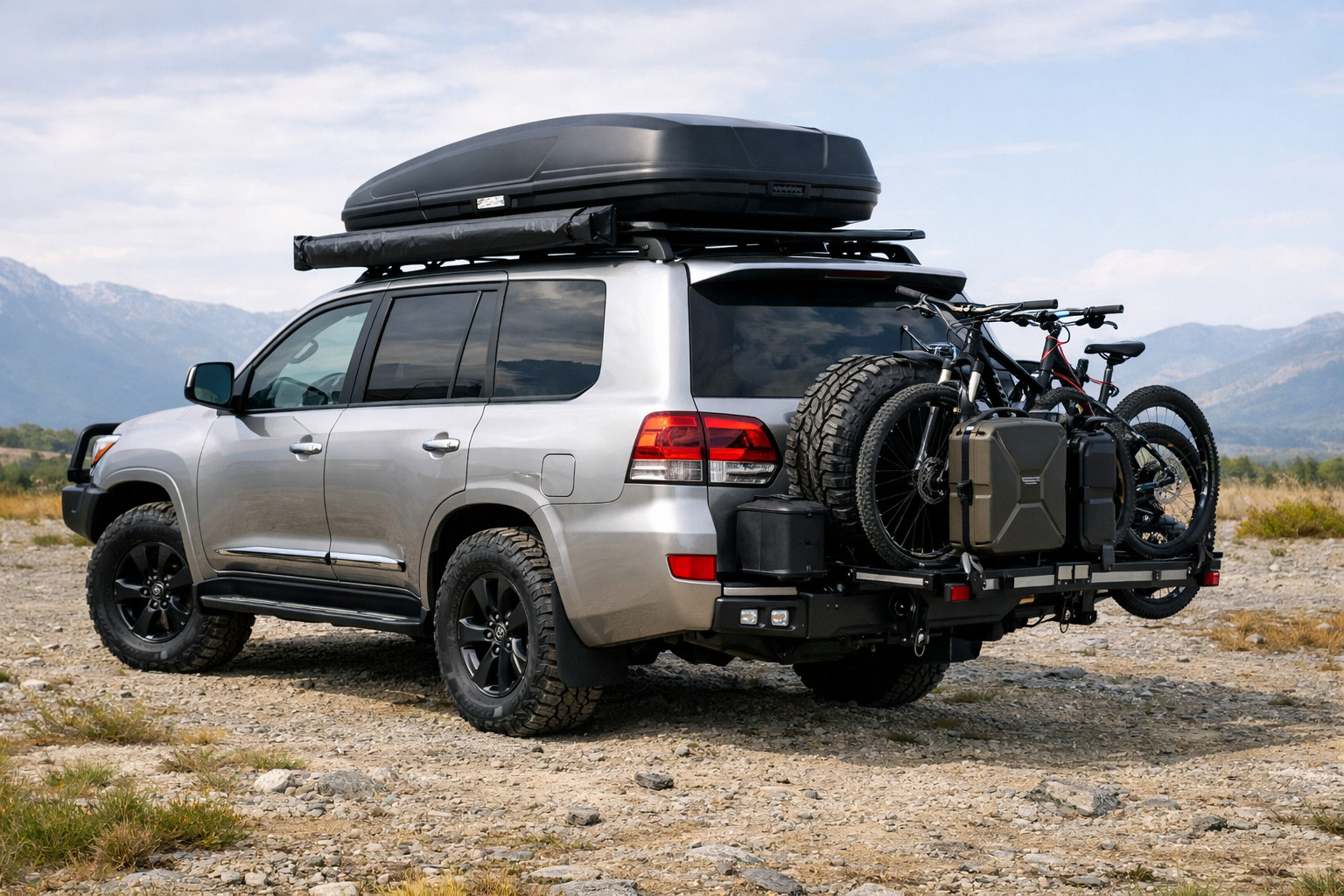
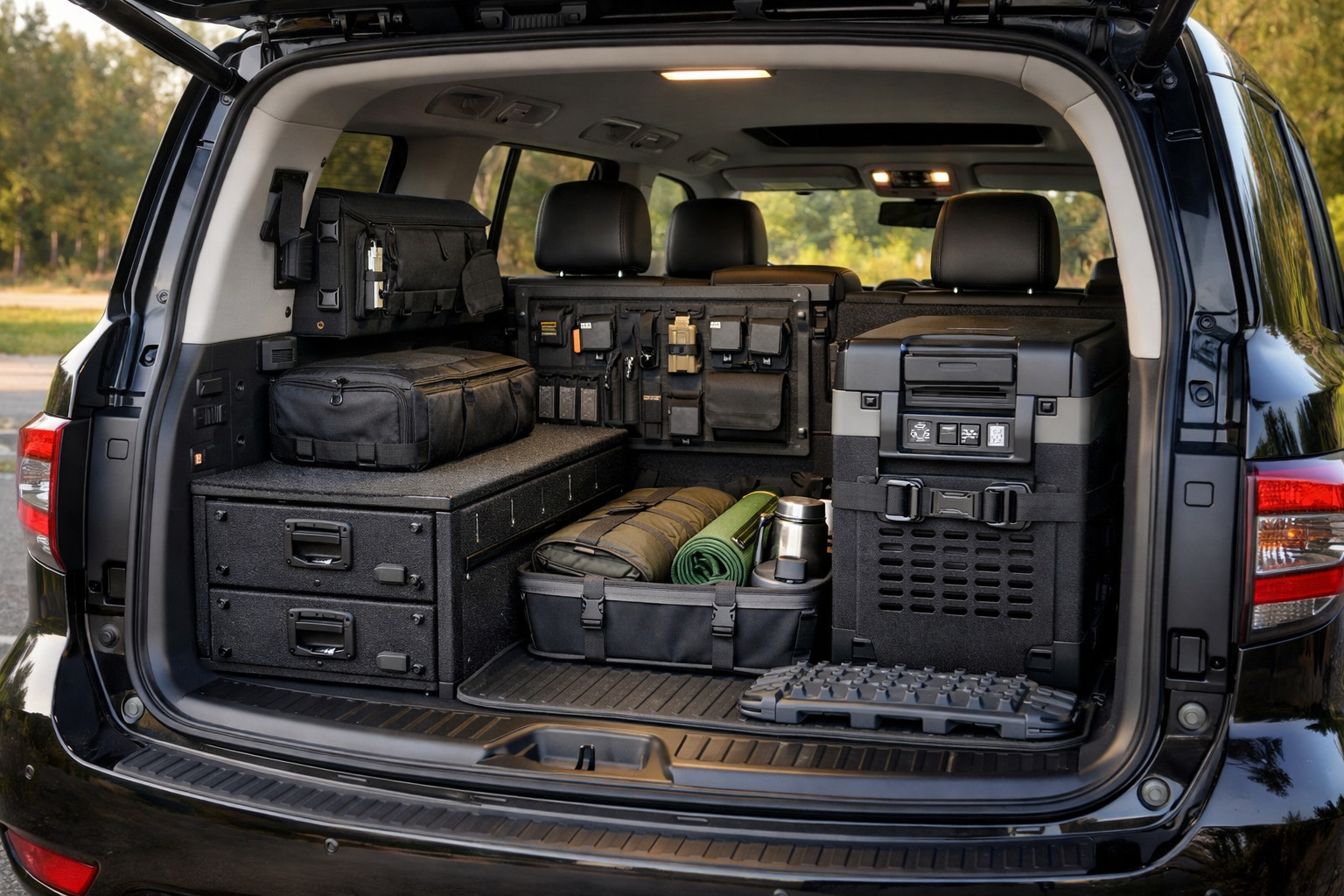
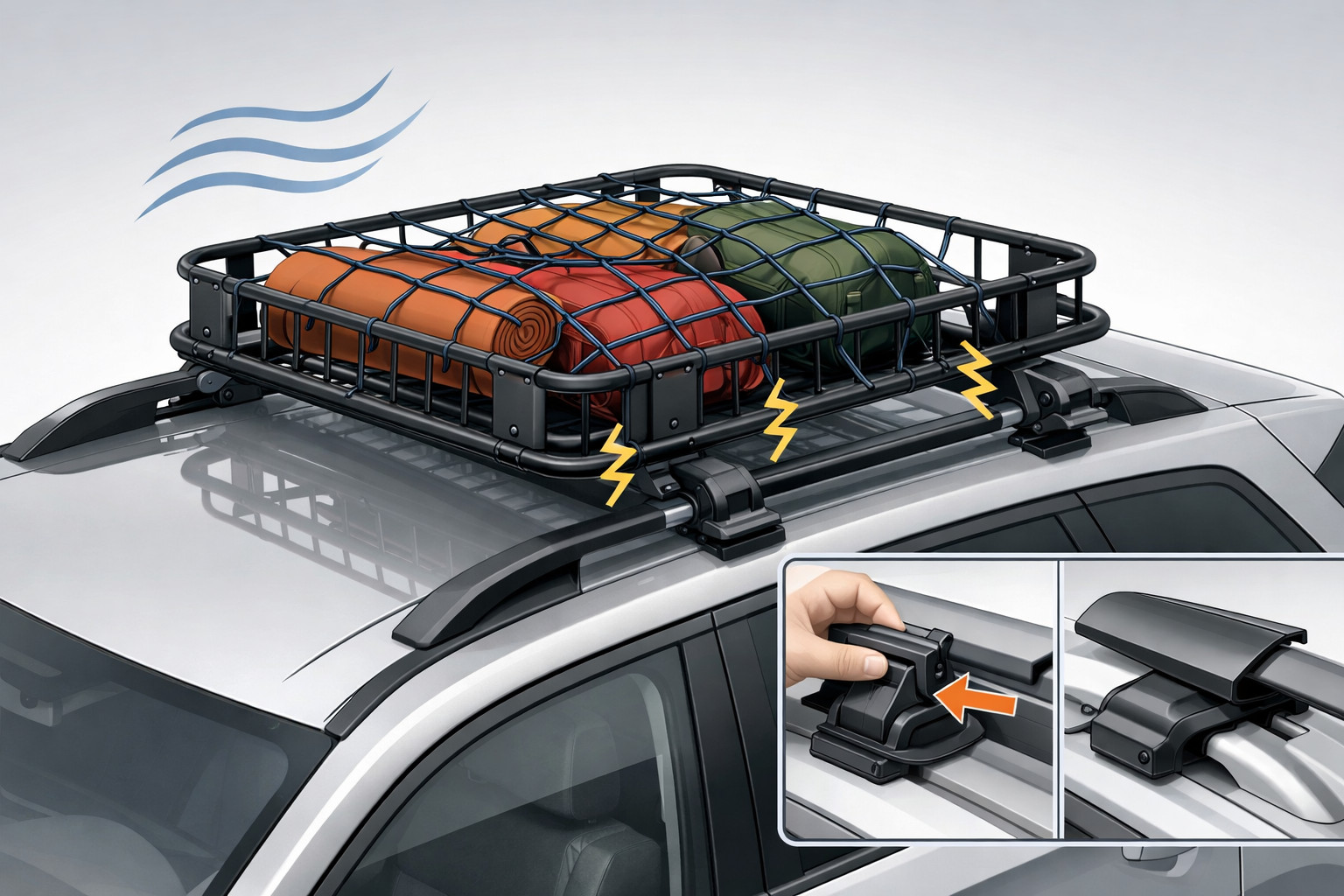
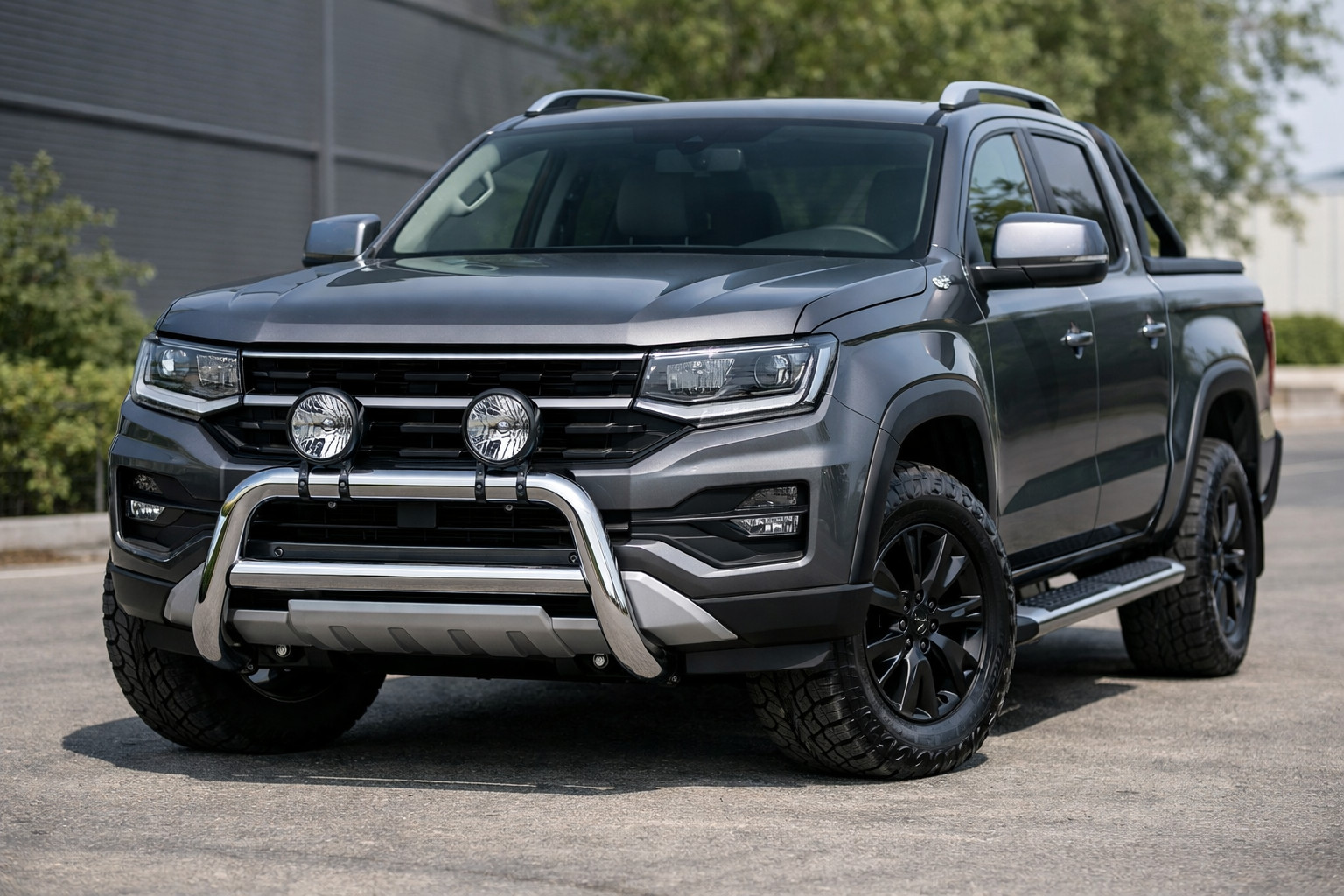
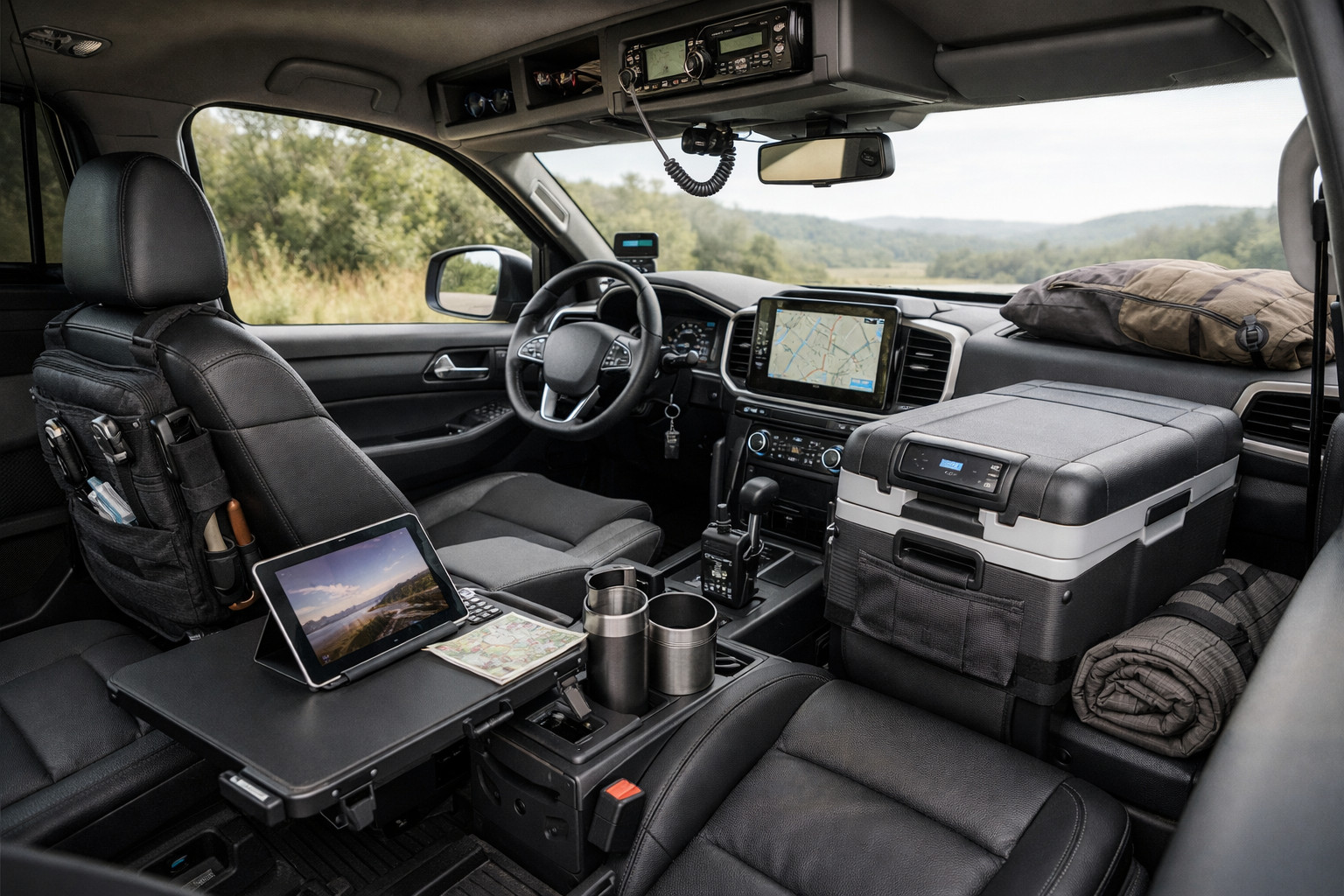
For this generation, tuning only makes sense when it solves practical tasks. On the accessories page for the L200 1996-2006, it’s logical to start with items that either protect the vehicle or make the bed more convenient for work. Decorative elements are secondary here.
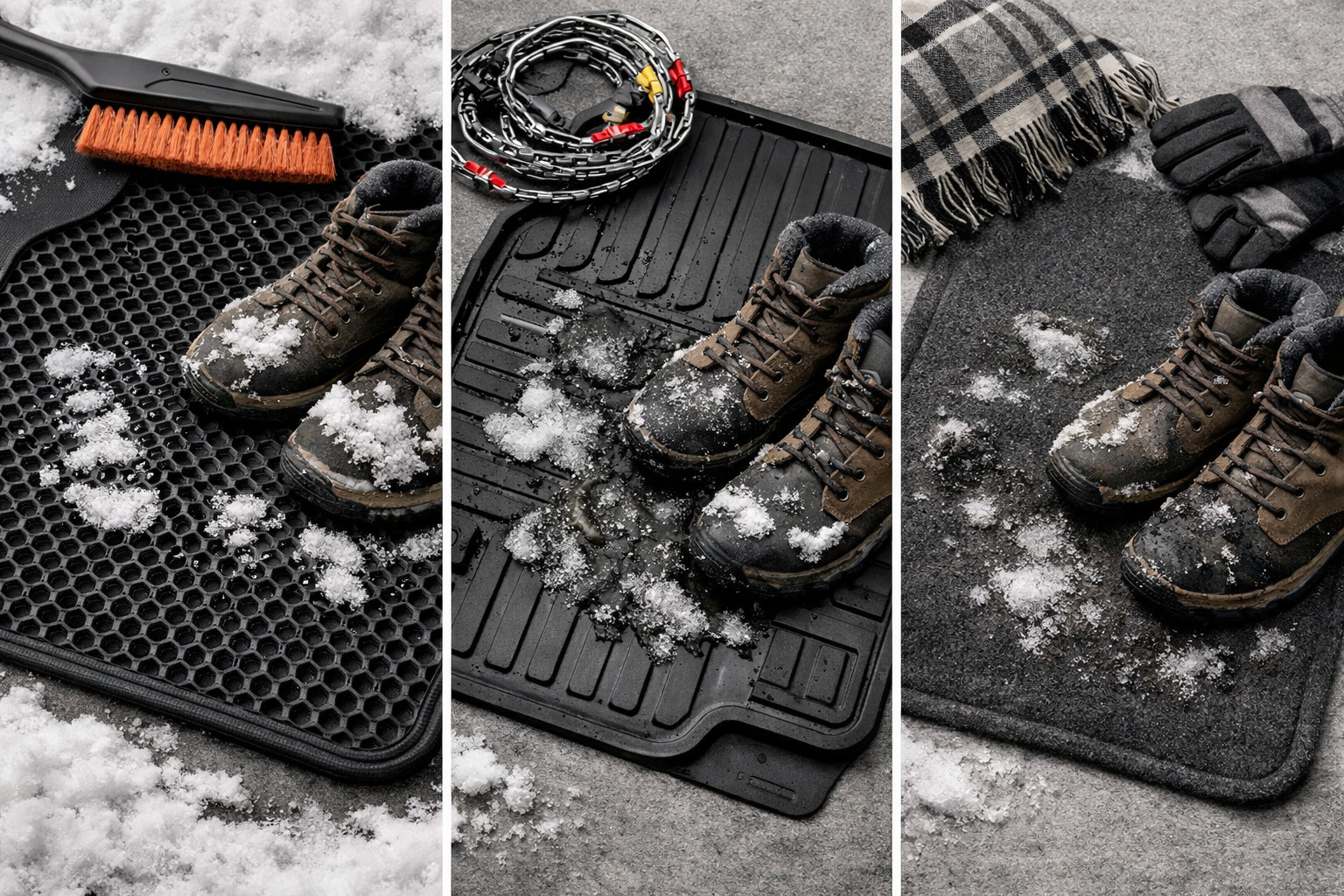
Floor mats, wind deflectors, expedition boxes, and off-road accessories also make sense for this model. But if the budget is limited, you should first address rust prevention, overall mechanical condition, and tires, and only then choose exterior details.
Mitsubishi L200 1996-2006 is a good option for someone who needs an old body-on-frame pickup with a work-focused character, decent pull, and straightforward mechanics. For city driving, family trips, and quiet highway cruising it’s too outdated; for farm work, towing, bad roads, and simple servicing it still makes sense. This conclusion is based not on glossy promises, but on real selection experience, practice, and real-world use cases for these trucks.
| ✔ | The simple ladder-frame construction without unnecessary electronics makes the L200 easy to understand in repairs and suitable for practical use. For an older pickup, this matters because fewer complex components mean fewer surprises in the field. |
| ✔ | The 2.5 L diesel provides strong low-end torque and works well under load, which is useful for a trailer, tools, and trips on bad roads. In good condition, this engine is well suited to work tasks. |
| ✔ | The leaf-spring rear suspension handles cargo better than more comfortable passenger-car setups. Under load, the vehicle behaves more predictably than when empty. |
| ✔ | Part-time 4x4 and ground clearance of up to 215-235 mm help on snow, dirt roads, and light off-road. This makes the model practical for rural areas, the forest, or regular trips off asphalt. |
| ✔ | In the double-cab version, there are 4 doors and 5 seats, so the pickup can be used not only for cargo but also for trips with passengers. For a work vehicle, this is convenient if rear-seat space is not critically important. |
| ✘ | The body, underbody, and tubes on cars of this age often already have serious corrosion. This is not a minor cosmetic flaw, but one of the main risks when buying. |
| ✘ | The cabin feels old, sound insulation is weak, and the second row in the double cab is cramped. As an everyday family car in the city, the L200 feels inconvenient. |
| ✘ | Without a load, the rear leaf-spring suspension is stiff and the car bounces over bumps. In empty condition, comfort suffers noticeably. |
| ✘ | On tired diesels, expensive problems with the cylinder head, timing belt, and cooling system are possible. So buying without checking the condition can quickly turn into major expenses. |
Shipping to EU
Wholesale and retail
Own warehouse
Опис продукту
Подарунки не надаються при оформленні покупки у кредит під 0,01% або при покупці частинами.