03.04.2026
610
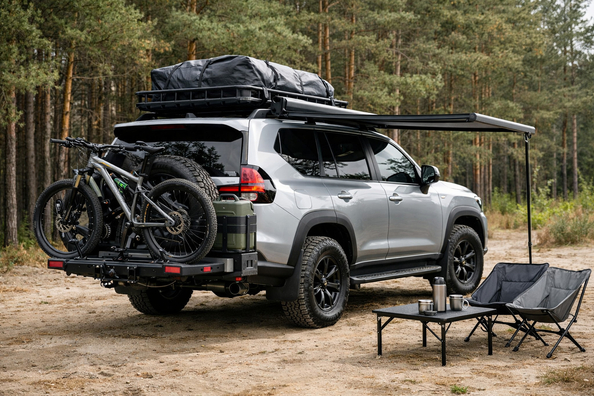
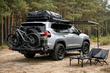
This upgrade plan is for those who use the Toyota Land Cruiser Prado 250 as a family daily driver—for weekdays, weekend trips, and vacations. The key is not to turn the vehicle into a show off-roader, but to eliminate everyday pain points: dirt in the cabin, chaos in the trunk, not enough space for gear, and awkward entry for kids or older passengers.
The main difference is whether you drive in a 5-seat or 7-seat configuration. If the third row is used regularly, there’s very little space behind it, so a roof solution or towing equipment becomes practical sooner. If the third row is usually folded, the first priority is cabin protection and proper trunk organization.
For a family, the right upgrade should solve four tasks. First—protect the cabin from sand, snow, water, kids’ shoes, a stroller, and groceries. Second—make the trunk predictable, so small items don’t roll around and heavy bags don’t fly forward under braking.
The third task is adding usable volume without sacrificing everyday comfort. In the Prado 250 this is especially noticeable if you use the third row: suitcases, kids’ stuff, scooters, and sports gear quickly eat up what’s left of the trunk. Fourth—don’t ruin the vehicle with mods that look great in photos but make the ride harsher, noisier, and more expensive to run.
For most families, the first stage is all-weather floor mats, a trunk liner, and a simple organizer. These are inexpensive items, but they save time on cleaning every day and keep the trunk from turning into a box of random objects.
If your trim already has decent rubber floor mats, don’t buy a second set just to tick a box. In that case, it’s more logical to invest right away in the cargo area: a trunk liner, small-item organization, and, if needed, a cargo barrier if you carry a dog, large suitcases, or heavy shopping.
For a family that truly uses all seven seats, you often need to add a roof solution to the first stage as well. You don’t have to go straight to a heavy platform: often crossbars and a closed roof box are enough to move out of the cabin what shouldn’t be sitting under passengers’ feet.
| Upgrade | Why it’s needed | Who truly benefits |
|---|---|---|
| All-weather floor mats | Catch dirt, water, and sand; make cleaning easier | Families with kids; those who drive in the city often and through shoulder seasons |
| Trunk liner | Protects the floor from a stroller, bags, groceries, wet items | Pretty much anyone who uses the trunk more than once a month |
| Trunk organizer | Secures small items, car care products, first-aid kit, cables, compressor | Those who want order without constantly reshuffling things |
| Cargo barrier | Prevents cargo from shifting forward; adds safety | Those who carry a dog, heavy suitcases, or drive highways with a full trunk |
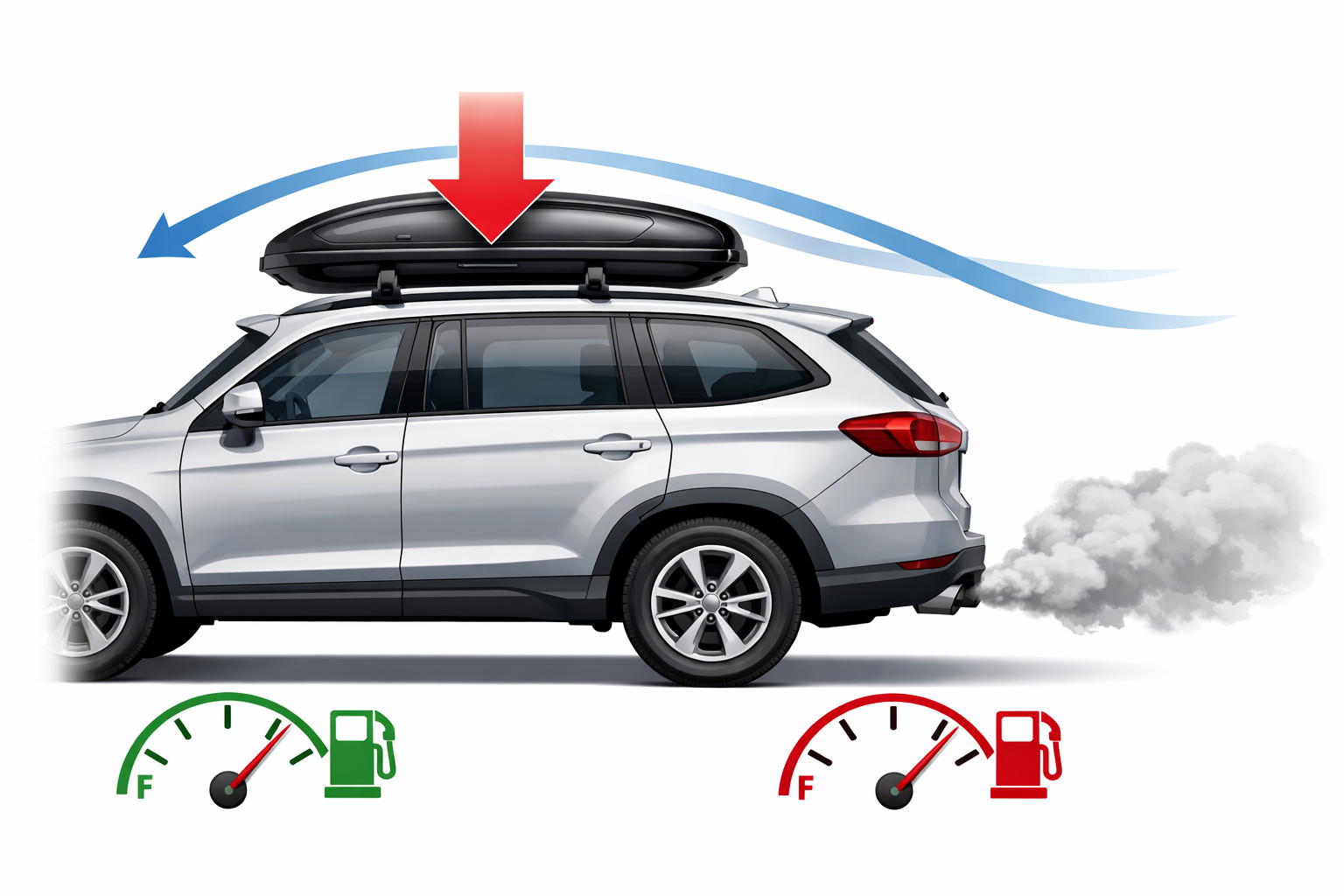
| Crossbars or roof box | Add usable volume for trips | Families in a 7-seat configuration; vacation, ski, and camping fans |
| Tow kit with wiring and controller | Properly prepares the vehicle for a trailer or caravan | Only for those who actually tow, not those who might someday |
| Dashcam | Records events while driving and parked | Those who often leave the vehicle in the city or drive highways a lot |
DD Tuning expert comment: the most common mistake with the Prado 250 is starting with a lift, tires, and exterior accessories—and only then realizing there’s nowhere to properly stow a stroller, bags, and small items. Another typical story is buying a roof solution without calculating real weight and the actual use case, even though for a family a roof box is often enough rather than a heavy expedition setup. And one more thing: if the vehicle is 7-seat, don’t underestimate how quickly the cargo space behind the third row disappears.
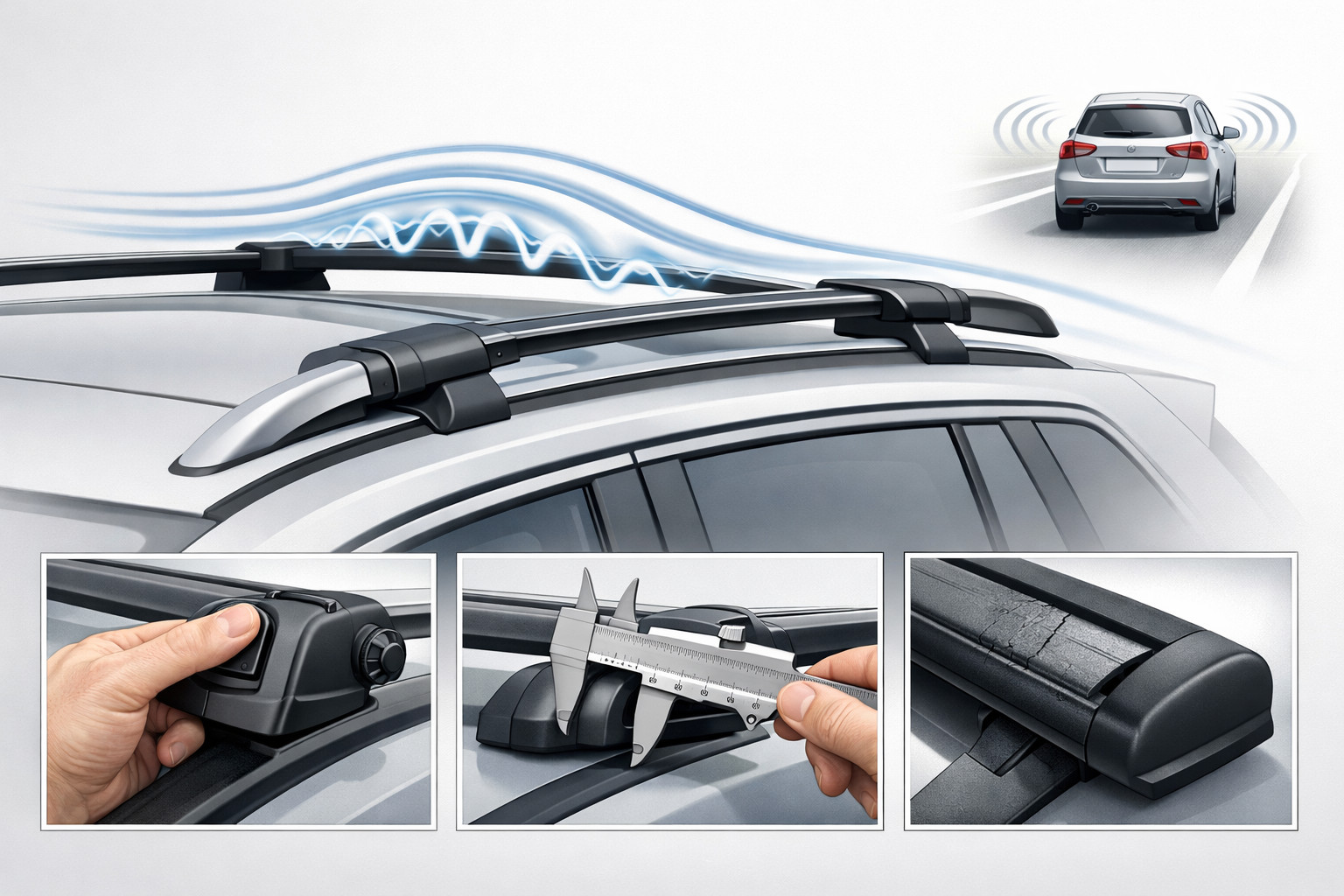
The second stage starts once basic everyday needs are covered. For most families, that’s crossbars and a roof box, if trips are frequent and the trunk is constantly packed. The Prado 250 already has roof rails, so it’s usually not about a complex rebuild, but about a proper kit for carrying gear.
It’s important not to confuse volume with usefulness. In some configurations, crossbars can handle more than a platform, so more expensive doesn’t always mean better. For suitcases, strollers, and soft luggage, a closed box is often more practical than a platform: less dirt, less fuss with straps, and a lower chance of hauling unnecessary stuff.
If a trailer or caravan is in your plans, don’t leave towing equipment for the last minute. Regular towing requires not only a towbar, but also wiring and a brake controller—and with heavier loads you need to look at gross weight, axle loads, and whether a weight-distribution hitch is appropriate.
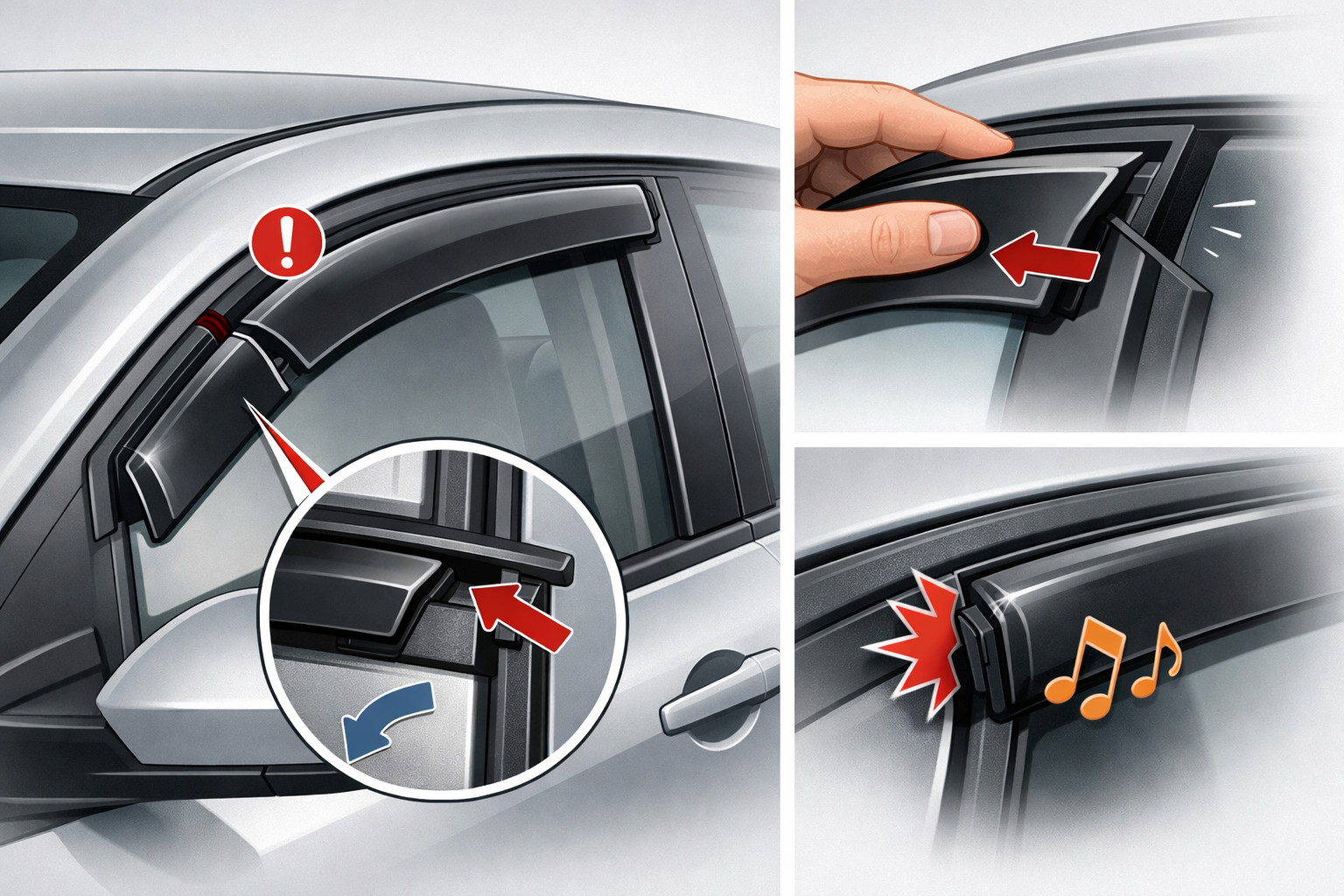
In this group I’d place side steps, window deflectors, some decorative trim pieces, and some interior add-ons. In a family scenario they aren’t useless, but their value heavily depends on passenger height, kids’ age, and how exactly you use the vehicle.
Side steps really make sense if kids climb into a tall cabin on their own, or if you regularly drive older relatives. If entry isn’t an issue for anyone, steps often fall into the “nice, but not first priority” category. Same with a cooler box: some people need it for drinks or medication, while others value free console space more.
Seat covers aren’t a universal answer either. They’re useful where there are child seats and a constant risk of dirtying the upholstery, but they must be chosen for the exact trim and with safety in mind—not by the “just cover the seats with something” principle.
The main filter is simple: if an upgrade doesn’t make entry easier, doesn’t increase usable volume, doesn’t protect the cabin, and doesn’t add cargo safety, it can almost certainly wait.
| Scenario | Install first | Can be postponed | Not required |
|---|---|---|---|
| City + two kids | Cabin floor mats, trunk liner, organizer | Dashcam, seat covers | Lift, steel armor, heavy tires |
| 7 seats + vacations | Crossbars or roof box, trunk protection, gear organization | Side steps, window deflectors | Expedition platform if you don’t carry specific cargo |
| Dog or heavy suitcases | Cargo barrier, trunk liner | Roof box | Decorative trim |
| Trailer or caravan | Tow kit, wiring, brake controller | Roof solutions if the trailer is enough | Steps and exterior decor if the budget is tight |
More expensive purchases are justified when they solve a specific pain point. If your Prado 250 often drives with a full cabin, look at roof racks and crossbars: that’s more logical than stacking bags under passengers’ feet or constantly juggling the trunk.
Side steps make sense if kids or older passengers actually use them. If you’re still checking what’s available for this model, open solutions for the Prado 250 and cut everything that doesn’t add everyday utility. A separate note on towing: it’s worth buying a more expensive, correct full towing kit right away if a caravan or trailer isn’t occasional, but part of regular trips.
From a customer’s experience: a typical request in this scenario starts with thoughts about a lift, bigger tires, and aggressive accessories, but after reviewing real usage people usually move to a simpler set—trunk protection, gear organization, and a roof box. As a result, the vehicle stays comfortable for daily driving, and family trips happen without bags in the cabin and without constant luggage reshuffling. Most often, that order delivers a noticeable effect already after the first stage.
For a family Toyota Land Cruiser Prado 250 the logic is simple: first protect the cabin and trunk, then control your gear, then add volume via the roof or towing—and only after that go for comfort or cosmetic upgrades. In short, what’s useful here is what makes daily life easier, not what makes the vehicle look more “serious”.
That’s why for most families the top priorities will be floor mats, a trunk liner, an organizer and, if needed, a cargo barrier; desirable additions—a roof box, crossbars, a dashcam, or side steps; and lower priority—a lift, heavy tires, and off-road styling. This material is based on real selection experience, practical know-how, and real use cases—not a list of trendy accessories.
| ✔ | All-weather floor mats, a cargo mat, and an organizer really make daily cleaning easier. They immediately reduce the amount of dirt, sand, and scattered small items on family trips. |
| ✔ | For the 7-seat version, a roof box or roof crossbars provide a noticeable amount of extra space when the trunk is already full. This is more practical than putting things under passengers’ feet or packing the cabin with bags. |
| ✔ | A cargo divider is useful if you carry a dog or heavy cargo. It keeps items from shifting forward and adds safety during braking. |
| ✔ | A tow kit with wiring and a controller makes sense for those who actually tow a trailer or caravan. The article clearly emphasizes that it should be installed right away if towing is a regular scenario. |
| ✔ | Side steps are justified when children or older passengers get into the high cabin themselves. In that case, they really make entry easier rather than just improving the look. |
| ✘ | A lift without a clear use case on a family Prado 250 often reduces everyday comfort. For a vehicle that spends most of its time on asphalt, the benefits may be smaller than the loss of convenience. |
| ✘ | Heavy off-road or load-bearing tires for daily use make the ride firmer and can hurt fuel economy. They are recommended only when there is a real matching load and route. |
| ✘ | An expedition platform is not always more practical than a closed box. If you carry suitcases, kids’ items, or skis, a platform often creates more hassle and more dirt. |
| ✘ | Light bars, heavy-duty bumpers, and a snorkel are not a top priority in a family setup. The article presents them as a second or third tier, meaning they are not a basic need. |
Shipping to EU
Wholesale and retail
Own warehouse
Опис продукту
Подарунки не надаються при оформленні покупки у кредит під 0,01% або при покупці частинами.